
When do acrylic resins provide better UV resistance for outdoor coatings?
Author
Date Published
Reading Time
When Do Acrylic Resins Provide Better UV Resistance for Outdoor Coatings?
Acrylic resins are often selected for exterior coatings because they can retain gloss, color, and film integrity under ultraviolet exposure better than many conventional binder systems. That advantage is real, but it is not automatic. A resin described simply as “acrylic” is not enough information for a reliable outdoor coating decision. Polymer architecture, curing chemistry, pigment package, substrate, climate, and the expected maintenance interval all influence whether an acrylic system will actually outperform alternatives.
For technical evaluators, the practical question is not whether acrylic resins are UV resistant in general. It is whether a specific acrylic-based formulation can preserve the appearance and protection required by the project after years of sun, heat, moisture, pollutants, and thermal movement. That distinction matters when comparing architectural coatings, industrial maintenance paints, metal finishes, automotive components, outdoor equipment, signage, and protective topcoats.
Acrylic chemistry tends to be a strong choice when the coating’s exposed surface must remain visually stable and when yellowing, chalking, or gloss loss would create an unacceptable lifecycle cost. It is especially relevant for light-colored finishes, clear coats, decorative metalwork, and exterior assets where repainting is difficult, disruptive, or expensive.
Why acrylic binders generally weather well
The UV performance of a coating begins with the chemical stability of its binder. Acrylic polymers are built primarily around carbon-carbon backbone structures that are relatively resistant to ultraviolet degradation compared with resin families containing more UV-sensitive chemical groups. In practical terms, well-designed acrylic coatings are less likely to yellow rapidly or lose their surface appearance solely because of sunlight exposure.
This is one reason acrylic technology has a long-established role in exterior architectural finishes. It can form durable films with good clarity, reasonable flexibility, and strong compatibility with many pigments. Acrylic systems can also be formulated in waterborne, solventborne, thermoplastic, and crosslinked forms, giving formulators room to balance weatherability against hardness, application method, drying conditions, and regulatory constraints.
However, UV light is not the only outdoor stress. A coating may survive UV exposure yet fail through moisture ingress, poor adhesion, corrosion at cut edges, dirt pickup, low-temperature cracking, or chemical attack. Acrylic resins offer the clearest advantage when their weathering strengths are matched with a complete coating system that addresses those other failure routes.
The situations where acrylic resins are usually the better choice
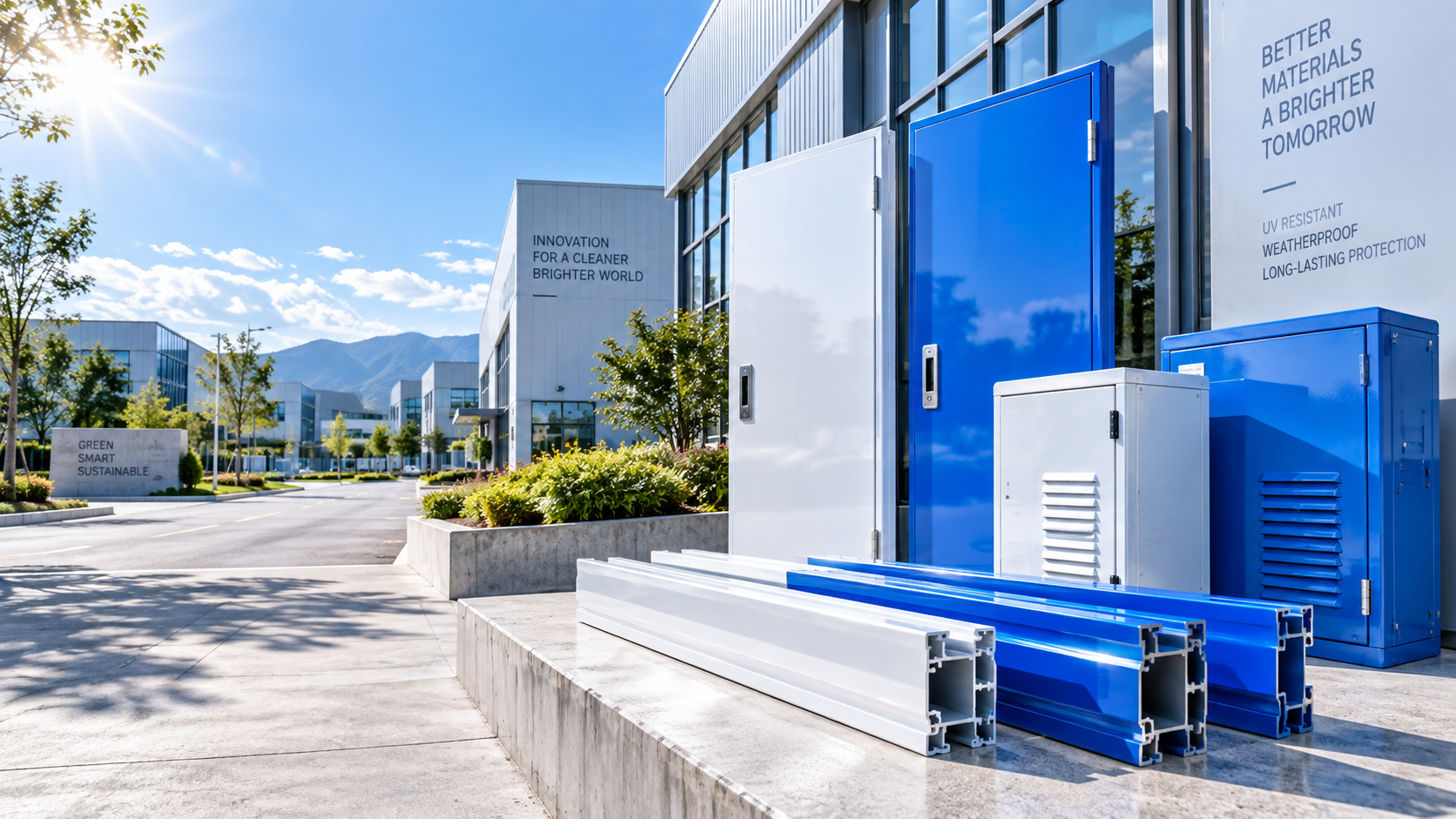
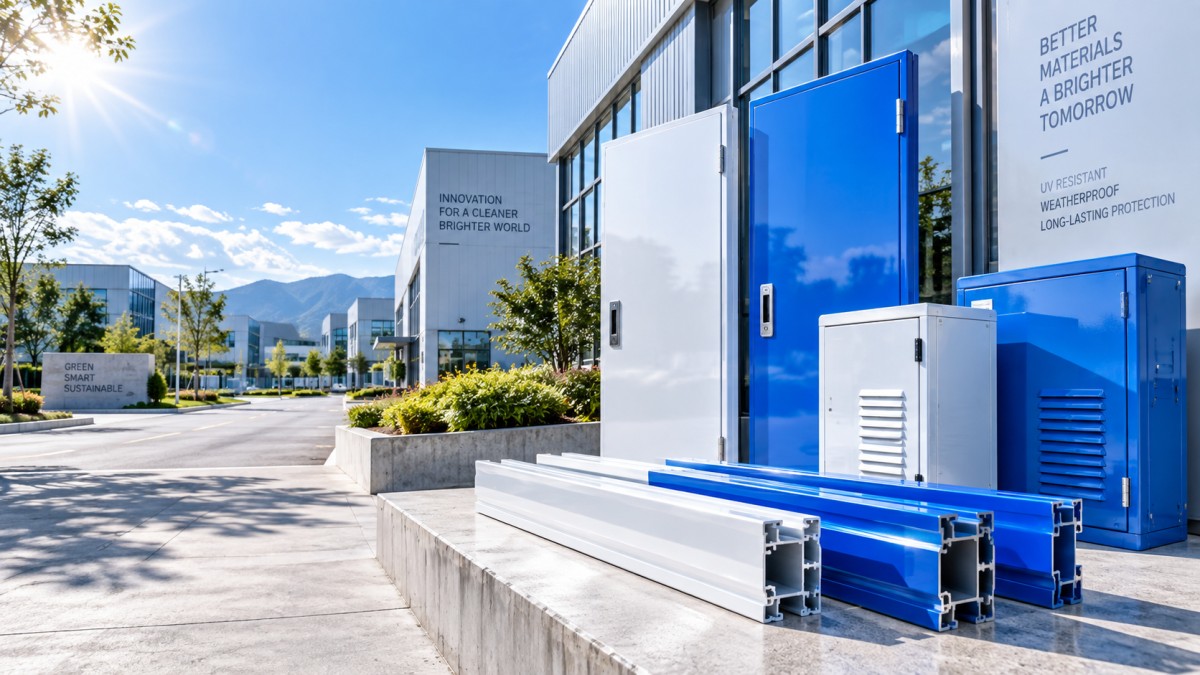
Acrylic-based coatings are particularly compelling in applications where long-term appearance is a functional requirement rather than a cosmetic preference. Exterior façades, aluminum profiles, steel doors, outdoor furniture, agricultural equipment housings, public infrastructure, and branded retail structures all commonly face scrutiny for fading, uneven color change, or loss of gloss. In these settings, a durable acrylic topcoat can be more appropriate than a resin selected mainly for low initial cost or fast film build.
They are also useful where color precision matters. Some organic pigments are inherently more sensitive to sunlight than others, but a stable acrylic binder helps reduce binder-driven discoloration around the pigment. This can support better visual consistency over time, particularly in whites, pale tones, bright shades, and coatings with a high-gloss finish. It does not make an unsuitable pigment lightfast; pigment selection still has to be reviewed separately.
Clear or translucent finishes are another important case. An opaque coating can conceal some binder changes through its pigment content. Clear coats have nowhere to hide yellowing, haze, or surface microcracking. Acrylic resins with appropriate stabilizer packages are therefore frequently considered where optical clarity and resistance to yellowing are central to the specification.
On flexible substrates, acrylic technology can also be attractive if the formulation is designed to accommodate movement. Outdoor plastics, flexible signage, sealant-adjacent coatings, and certain composite surfaces may need a film that does not become excessively brittle after heat and UV exposure. The relevant decision point is not merely initial elongation; it is retained flexibility after aging.
Not all acrylic systems behave the same outdoors
The term acrylic covers a broad family of resins. A thermoplastic acrylic can offer fast drying, reparability, and good appearance, but may have limitations in solvent resistance, heat resistance, or long-term dirt pickup depending on formulation. A hydroxyl-functional acrylic cured with an appropriate crosslinker can provide a more robust network, improving resistance to solvents, chemicals, and film deformation. Acrylic-melamine systems, acrylic-polyurethane systems, and other hybrid approaches each make different trade-offs.
For demanding exterior metalwork, crosslinked acrylic systems are often evaluated when the project needs both weatherability and higher mechanical or chemical resistance. Yet crosslink density must be controlled. An overly rigid network can improve hardness while reducing flexibility, increasing the risk of cracking on substrates that expand, contract, or receive impact. A coating that remains glossy but cracks at bends is not a durable solution.
Pure acrylic emulsions are widely used in architectural coatings because they can deliver dependable exterior durability with waterborne processing. Styrene-acrylic systems may be economically attractive and can perform well in many applications, but the influence of styrene content and broader formulation design should be assessed when high-end exterior color and gloss retention are required. It is risky to assume that every waterborne acrylic wall paint will provide the same exposure performance in intense sunlight or tropical humidity.
Compare the full exposure environment, not only UV intensity
UV resistance becomes more valuable as exposure becomes harsher, but “harsh” means more than a sunny location. High solar load combined with elevated surface temperature can accelerate film aging. Repeated wet-dry cycles can promote hydrolysis, blistering, and adhesion loss. Coastal environments introduce salt deposition; industrial zones may add pollutants; cold regions add freeze-thaw stress. A resin that performs well on a sheltered vertical façade may not behave the same way on a dark horizontal surface exposed to standing water and high heat.
Orientation is often missed during early evaluation. South- or west-facing surfaces in many locations can receive far more punishing exposure than protected elevations. Horizontal surfaces usually accumulate water, dust, and contaminants, while edges and joints are more prone to coating thinning and substrate corrosion. These conditions may justify moving from a basic acrylic coating toward a crosslinked acrylic or a multilayer system with a more protective primer.
Acrylic resins are not automatically the best answer when the main threat is severe chemical immersion, sustained high temperature, or continuous abrasion. In those cases, epoxy, fluoropolymer, silicone-modified, polyurethane, or other specialized technologies may deserve consideration. Epoxies, for example, are valued for adhesion and corrosion protection but often need a UV-stable topcoat because exposed epoxy surfaces can chalk or discolor. The practical solution may be an epoxy primer beneath an acrylic or polyurethane finish rather than a single-resin approach.
Pigments and additives can decide the outcome
A durable binder cannot compensate for a poorly chosen color package. In an outdoor coating, pigments absorb, scatter, or transmit light differently, and their stability varies. Inorganic pigments are often considered where long-term color retention is critical, although the final choice also depends on shade, opacity, cost, regulatory considerations, and formulation compatibility. Some bright organic pigments can perform well, but they should be assessed for the exposure level rather than accepted on the basis of indoor color performance.
Titanium dioxide grades, pigment dispersion quality, and pigment volume concentration can also affect outdoor behavior. Poor dispersion may create localized defects and uneven appearance. At excessively high pigment volume concentration, the film can become more porous, potentially reducing resistance to moisture and dirt. Conversely, a formulation designed only for maximum gloss may not provide the hiding power or surface durability needed for the substrate.
UV absorbers and hindered amine light stabilizers are often considered in clear coats, bright colors, and demanding exterior finishes. Their value depends on compatibility, dosage, film thickness, and the broader resin system. They should be treated as part of a validated formulation, not as a simple correction for weak resin selection. Migration, extraction, and long-term retention can matter, especially in coatings exposed to frequent washing or cleaning agents.
A decision framework for evaluating an acrylic outdoor coating
Before comparing suppliers or laboratory panels, define what failure looks like for the asset. For an architectural cladding panel, unacceptable change may be visible fading or differential gloss between elevations. For a safety enclosure, the concern may be loss of film integrity that exposes metal to corrosion. For outdoor consumer equipment, yellowing and surface cracking may both affect perceived quality. The acceptance criteria should reflect the use case rather than a generic claim of “weather resistant.”
The following questions tend to reveal whether acrylic resins are the right platform:
- Will the coating be exposed directly to intense sunlight, or is it installed in a partly sheltered location?
- Is long-term gloss retention important, or is a low-sheen finish more acceptable?
- What substrate is being coated, and does it move, flex, corrode, or release plasticizers?
- Does the project require a clear finish, a bright color, metallic effect, or dark shade that may run hotter in service?
- Will the coating encounter salt spray, condensation, cleaning chemicals, fuel, grease, or abrasive handling?
- What application route is available: brush, spray, roll coat, coil coating, dip, or factory-applied bake?
These answers help distinguish a straightforward exterior acrylic paint from a system that requires a crosslinked acrylic topcoat, a specialized primer, controlled dry-film thickness, or a different chemistry altogether. They also prevent an all-too-common sourcing error: comparing resin price per kilogram without accounting for solids content, required film build, curing requirements, expected maintenance, and reject risk.
What to request from suppliers before approving a system
Technical documentation should go beyond a general statement that the material is suitable for outdoor use. Request the recommended substrate preparation, compatible primer, dry-film thickness range, curing conditions, recoat window, and any known limitations involving color, geometry, or exposure. For a multi-component product, confirm mix ratio, pot life, induction time if applicable, and the consequences of under-cure or over-bake.
Weathering evidence needs careful reading. Accelerated tests can be useful for screening and formulation comparison, but they do not reproduce every regional exposure condition. Methods such as ASTM G154, ASTM G155, and ISO 16474 are commonly encountered in coating evaluation, yet the test cycle, exposure duration, panel preparation, color, gloss level, and pass/fail criteria all affect the meaning of the result. A report without those details should not be used as a blanket guarantee of field life.
Where appearance is critical, ask for panels in the actual color and gloss range, not only a standard white reference. Where corrosion matters, assess the primer-topcoat combination and damaged-edge behavior, not the topcoat in isolation. If a project will be supplied across several countries, verify local VOC limits, labeling obligations, transport classification, and the availability of compatible curing agents or additives in each destination.
Sourcing decisions should include formulation continuity
For importers, distributors, and contractors, a technically acceptable acrylic coating can still become a project risk if the supply chain is unstable. Resin availability, pigment substitutions, curing-agent lead times, packaging constraints, and seasonal shipping conditions can all affect batch consistency and application planning. This is particularly relevant for large exterior projects that require color matching across multiple production lots.
Supplier discussions should therefore include change-control practices. If a raw material becomes unavailable, will the supplier notify the buyer before substituting a resin, pigment, or additive? Can retained panels or batch records support an investigation if a color difference appears later? Are technical data sheets market-specific, and does the documentation correspond to the actual manufacturing site? These questions are not administrative details; they influence the probability of achieving repeatable weathering performance.
For buyers following coating markets and supply developments, it is useful to track both chemistry and logistics. A price movement in a key monomer or a disruption affecting pigment supply may not immediately change a specification, but it can influence lead time, approved-source decisions, and the likelihood of formulation changes. Industry news, standards updates, and sourcing references are most useful when they help technical and procurement teams test these assumptions before a project reaches the application stage.
The practical conclusion
Acrylic resins provide better UV resistance for outdoor coatings when visible durability is central to the job and the formulation is built around the real exposure environment. They are often a strong option for exterior finishes requiring color stability, gloss retention, clarity, and resistance to sunlight-driven degradation. Their advantage becomes more convincing when paired with compatible pigments, suitable light stabilizers, correct film thickness, and a primer or crosslinking system matched to the substrate.
The right evaluation is not “acrylic versus everything else.” It is whether a defined acrylic coating system can meet the project’s weathering, adhesion, corrosion, flexibility, application, and supply-continuity requirements better than the available alternatives. Reviewing exposure conditions, actual test details, coating build, and sourcing controls before approval is usually more valuable than relying on a broad outdoor-use claim.
Technical Specifications
- How to identify control components causing intermittent machine faultsAuthor :Electrical Components Editorial Team
- When do acrylic resins provide better UV resistance for outdoor coatings?Author :Chemical Industry Editorial Team
- How precision metal fabrication reduces fit-up issues in assembliesAuthor :Metals & Fabrication Editorial Team
Expert Insights

Chief Security Architect
Dr. Thorne specializes in the intersection of structural engineering and digital resilience. He has advised three G7 governments on industrial infrastructure security.
Core Sector // 01
Security & Safety