2026 China International Agricultural Machinery Exhibition Opens in Tianjin
Author
Date Published
Reading Time
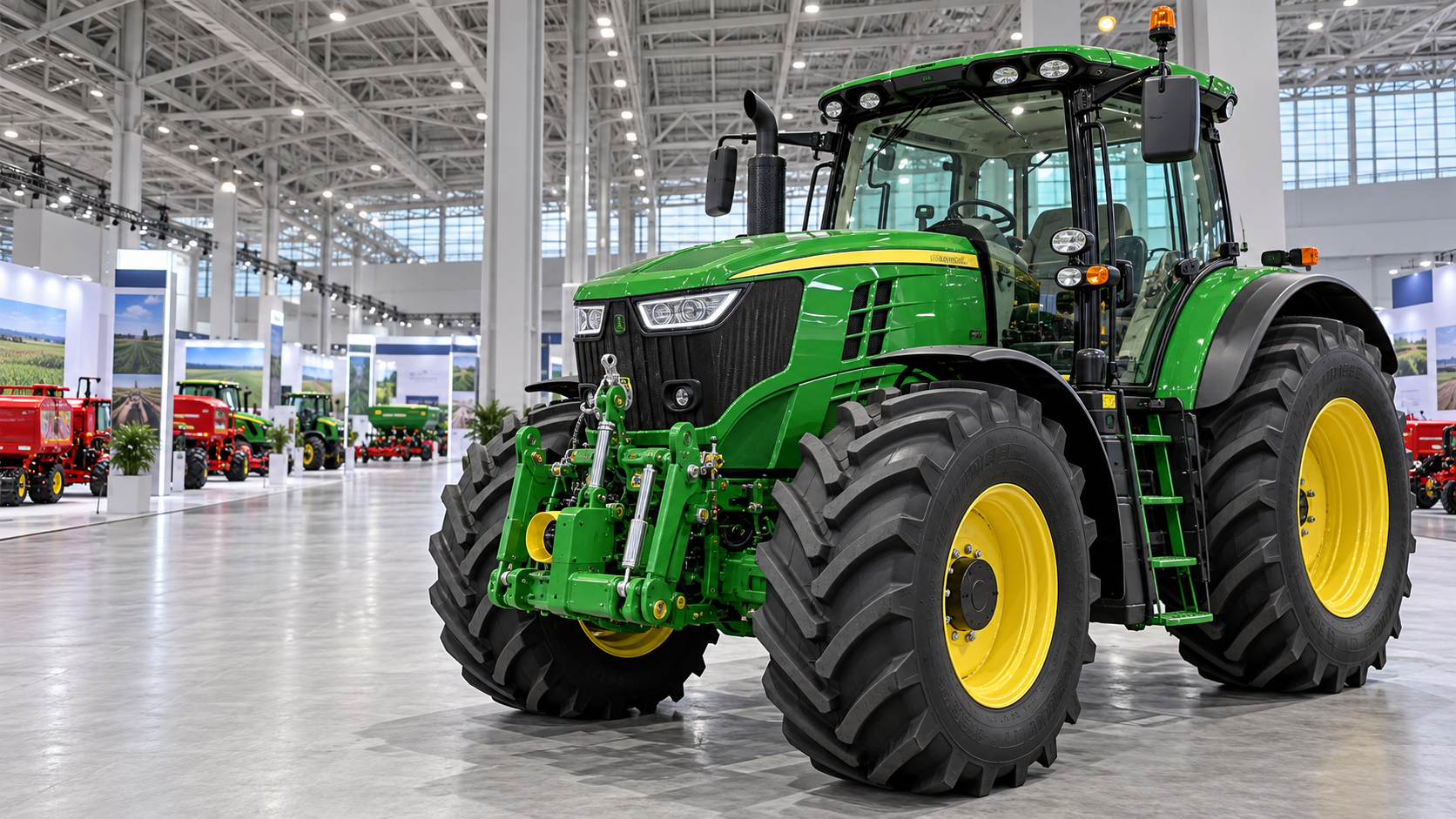
The supplied event account describes the opening of the 2026 China International Agricultural Machinery Exhibition (CIAME 2026) in Tianjin on October 26, 2026. Its emphasis on intelligent and green development gives agricultural machinery manufacturers, distributors and buyers a reason to examine how product claims translate into procurement specifications and supporting documentation. However, the supplied information identifies no new policy, standard, certification requirement or trade rule. From an industry perspective, the event is therefore best assessed as a commercial and technical discussion platform, with any implications for compliance requiring separate verification.
A Larger Exhibition Built Around Intelligent and Green Development
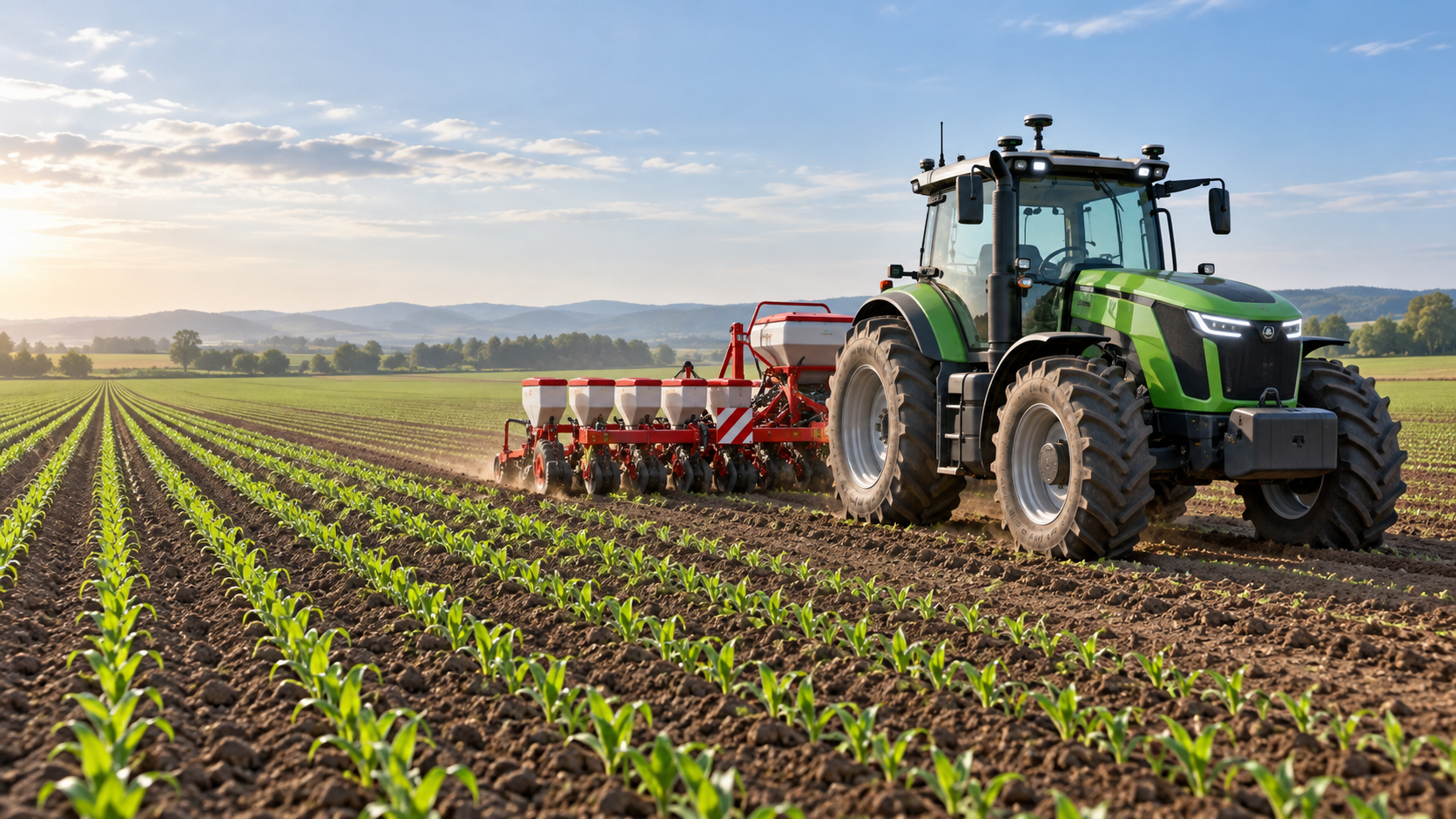
According to the supplied account, CIAME 2026 opened at the National Convention and Exhibition Center in Tianjin on October 26, 2026. The exhibition was jointly organized by three institutions, including the China Agricultural Machinery Distribution Association, under a theme emphasizing leadership, support, intelligence and green development.
The account states that the exhibition covered nearly 300,000 square meters, with all displays indoors. It brought together more than 3,000 domestic and overseas exhibitors, approximately 27% more than the previous edition. Attendance was projected to exceed 200,000 professional visitor visits from domestic and overseas markets, and the exhibition was described as the largest in its history.
Procurement Implications Depend on Evidence Behind Product Claims
Manufacturers May Face More Detailed Technical Comparisons
Analysis suggests that a larger concentration of exhibitors could give buyers more opportunities to compare machinery and question the evidence supporting advertised capabilities. For manufacturers and equipment integrators, the practical implication may be greater attention to technical specifications, operating conditions, compatibility and service arrangements during purchasing discussions.
The intelligent and green themes could also encourage questions about how suppliers substantiate related claims. This is a possible procurement response, rather than evidence that a new performance threshold or mandatory certification has been introduced. Manufacturers could usefully distinguish documented product characteristics from promotional descriptions when preparing quotations and technical materials.
Distributors and Buyers May Need More Consistent Supplier Reviews
From an industry perspective, the expanded exhibitor base may broaden supplier comparison opportunities for distributors and purchasing teams. It could also increase the work needed to establish whether quotations cover comparable equipment, documentation and after-sales support.
Buyers considering domestic or overseas transactions could assess whether each supplier's documents and contractual commitments fit the intended transaction. The exhibition account does not establish any change to market access, customs procedures or certification recognition, so those matters would require verification for the relevant product and destination before an order is finalized.
Turning Exhibition Discussions into Reviewable Purchase Terms
Separate Exhibition Themes from Binding Requirements
As a practical recommendation, procurement and compliance teams could record whether a supplier's statement refers to an exhibition theme, a product feature, a contractual promise or an applicable requirement. Descriptions involving intelligent operation or green development should not, by themselves, be treated as proof of regulatory approval or conformity.
If a supplier refers to a new rule or certification obligation, buyers could request the underlying document and check its scope, effective date and relevance to the proposed equipment. No such document is identified in the supplied event information.
Align Technical Documents with the Equipment Offered
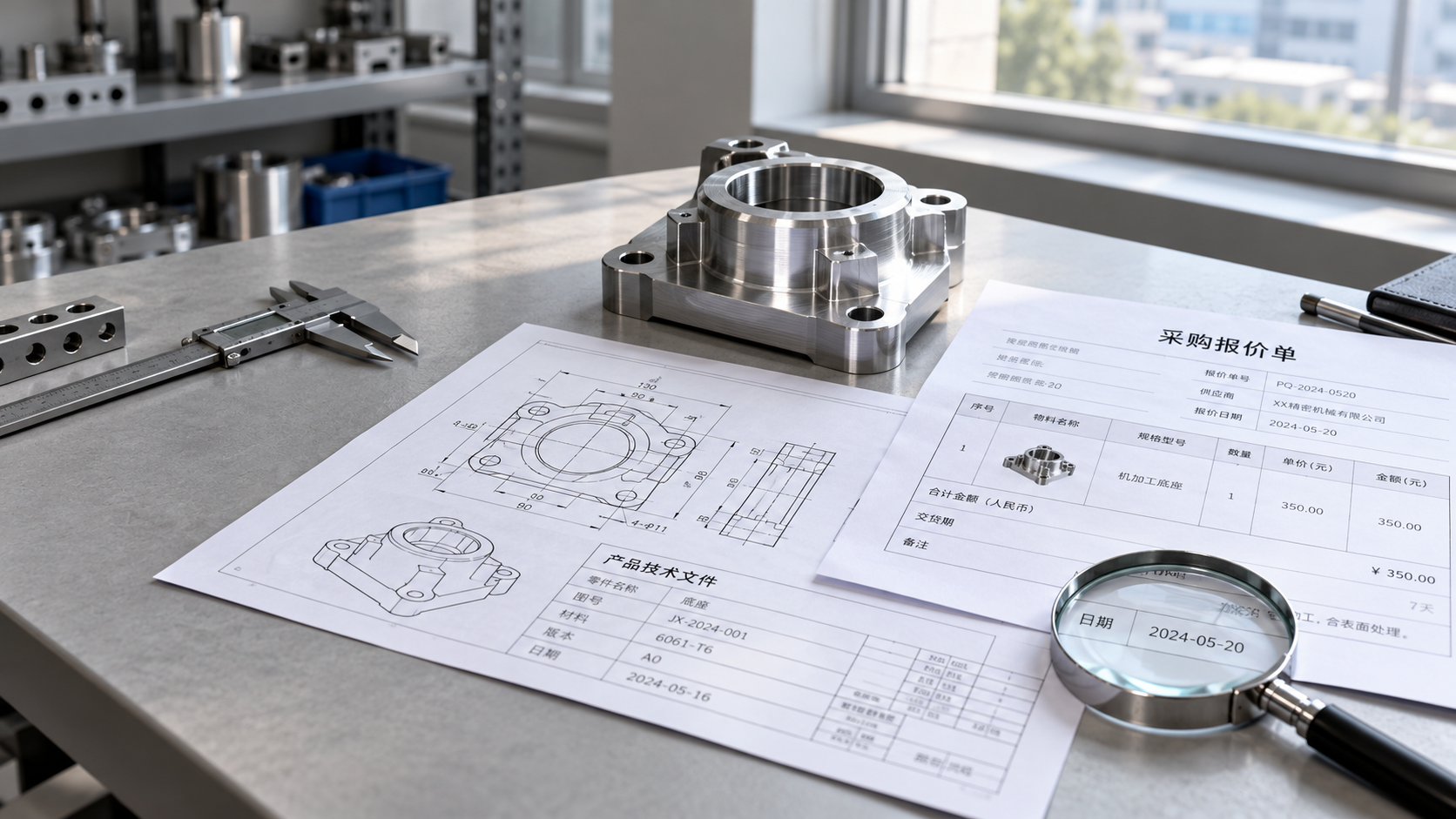
Analysis suggests that comparable documentation would make supplier assessment more useful than relying on exhibition presentations alone. Buyers could request specifications and, where relevant to the purchase, supporting test reports or conformity documents, then check that these relate to the model and configuration being quoted.
For equipment presented as intelligent or green, purchasers could ask which measurable characteristics support those descriptions and under what operating conditions. These are suggested verification steps; the supplied account does not establish new testing obligations.
Confirm Delivery and Service Commitments Before Ordering
As a procurement precaution, companies could confirm delivery schedules, installation responsibilities, spare-parts arrangements and after-sales coverage in their purchasing documents. A broader selection of exhibitors does not establish the production capacity or delivery readiness of any individual supplier.
For cross-border purchases, a transaction-specific review could also clarify responsibility for documentation and any applicable certification or import formalities. The exhibition's international participation does not establish that these requirements have changed or that individual products meet them.
The Theme Signals Discussion Priorities, Not Regulatory Implementation
Editorial analysis suggests that CIAME 2026 is more appropriately understood as a platform for observing supplier positioning and buyer priorities than as evidence of a rule taking effect. The intelligent and green emphasis may shape commercial discussions, but the supplied account provides no basis for identifying a new legal obligation, implementation timetable or enforcement approach.
Subsequent information would become more consequential if it included an identifiable official requirement, a documented change in certification practice or revised procurement specifications. Any such development would need to be assessed on its own terms. Neither the exhibition's scale nor its theme confirms that those changes have occurred.
A Basis for Supplier Assessment and Continued Verification
The exhibition account points to an expanded setting for comparing agricultural machinery and discussing technical priorities. Its practical value for businesses may lie in using those discussions to improve supplier assessment, clarify purchasing specifications and secure verifiable delivery commitments.
At this stage, the appropriate response is to treat the event as a market observation opportunity while checking any claimed compliance change against authoritative documentation. The supplied information supports no conclusion that certification, trade or regulatory requirements have been revised.
Basis of Reporting and Matters Still to Verify
This article is based solely on the user-provided news title, event date and event summary. No specific official source link was provided in the input. The event account and any subsequent claims about rules or implementation therefore remain subject to verification through relevant organizer announcements, industry association information and, where applicable, official regulatory or standards documents.
Further observation could focus on any published policy details, certification interpretations, tender specification changes, trade implementation information and feedback from participating businesses. These are matters for follow-up, not developments confirmed by the supplied account.
Facing technical bottlenecks in manufacturing or looking for more efficient industrial solutions? Leave your details below and let the engineering experts at GIi solve them for you.
“We respect your privacy. Your information is strictly confidential.”
Technical Specifications
- How to verify the consistency of PVC resin from a supplier in EuropeAuthor :Polymers & Rubber Editorial Team
- How to choose polyethylene grades in Saudi Arabia for film productionAuthor :Polymers & Rubber Editorial Team
- US Finds Imported Robots a Security Threat, Defers Tariffs for 180 DaysAuthor :Industrial Machinery Editorial Team
Expert Insights

Chief Security Architect
Dr. Thorne specializes in the intersection of structural engineering and digital resilience. He has advised three G7 governments on industrial infrastructure security.
Core Sector // 01
Security & Safety
- Mordor Intelligence Forecasts Agricultural Machinery Market to Reach $280.6 Billion by 2032Author :Industrial Machinery Editorial Team

- 2026 China International Agricultural Machinery Exhibition Opens in TianjinAuthor :Industrial Machinery Editorial Team

- Macao Proposes Exhaust Emission Standards for Non-Road Mobile Diesel MachineryAuthor :Industrial Machinery Editorial Team

- China Issues 2027 ODS and HFC Refrigerant Quota PlanAuthor :Industrial Machinery Editorial Team

- Plasser & Theurer Opens €60m-Plus Rail Machinery Factory in LinzAuthor :Industrial Machinery Editorial Team

- How to verify Global Industrial Insights sourcing informationAuthor :Industrial Machinery Editorial Team

- When does industrial equipment downtime justify replacing a machine?Author :Industrial Machinery Editorial Team

- How Should Buyers Handle a Defective Industrial Washer Shipment?Author :Industrial Machinery Editorial Team