
How to verify Global Industrial Insights sourcing information
Author
Date Published
Reading Time

To verify Global Industrial Insights sourcing information, trace each purchasing claim to evidence that matches the product, supplier, destination, and timing of your intended order. An industry article can identify a promising supplier or explain a price movement, but an order needs support from current quotations, technical documents, company records, and applicable trade requirements.
The depth of checking should follow the consequence of getting something wrong. A general market observation may help you decide when to request quotes. A claim about certification, import duties, or production capacity can affect whether goods are usable, affordable, or deliverable. Those claims deserve closer examination before they influence a purchase commitment.
Start by separating the article’s claims. A sourcing story may combine market commentary, supplier statements, historical prices, and regulatory updates. Each requires a different kind of evidence. Treating the whole article as either “reliable” or “unreliable” can obscure which details actually support your decision.
Use this separation to build a short evidence record. Save the article URL, the exact claim, its supporting source, and the date you checked it. Record any conditions that affect applicability, such as a particular material grade or manufacturing location. This makes later comparisons easier when quotations arrive with different assumptions.
Follow the source chain until you reach the underlying evidence. A link to another news story may provide useful context, but it does not necessarily substantiate the claim. Follow citations to the original trade notice, statistical release, company filing, technical document, or interview where possible.
Several websites repeating the same announcement do not provide several independent confirmations. They may all reproduce one press release. A company announcement establishes what the company says; it does not independently establish capacity, quality, or delivery performance.
Commercial relationships also affect how you interpret coverage. A sponsored profile can introduce a relevant business, but its claims still need documentary support. Examine whether the page identifies its author, publication date, sources, and commercial disclosures. These features help establish accountability, although none alone proves accuracy.
Where a claim lacks a traceable source, keep its role limited to generating a lead or a question. For example, a statement that a supplier has expanded production can justify asking about available capacity. It should not become the basis for a delivery commitment until the supplier provides evidence relevant to your order.
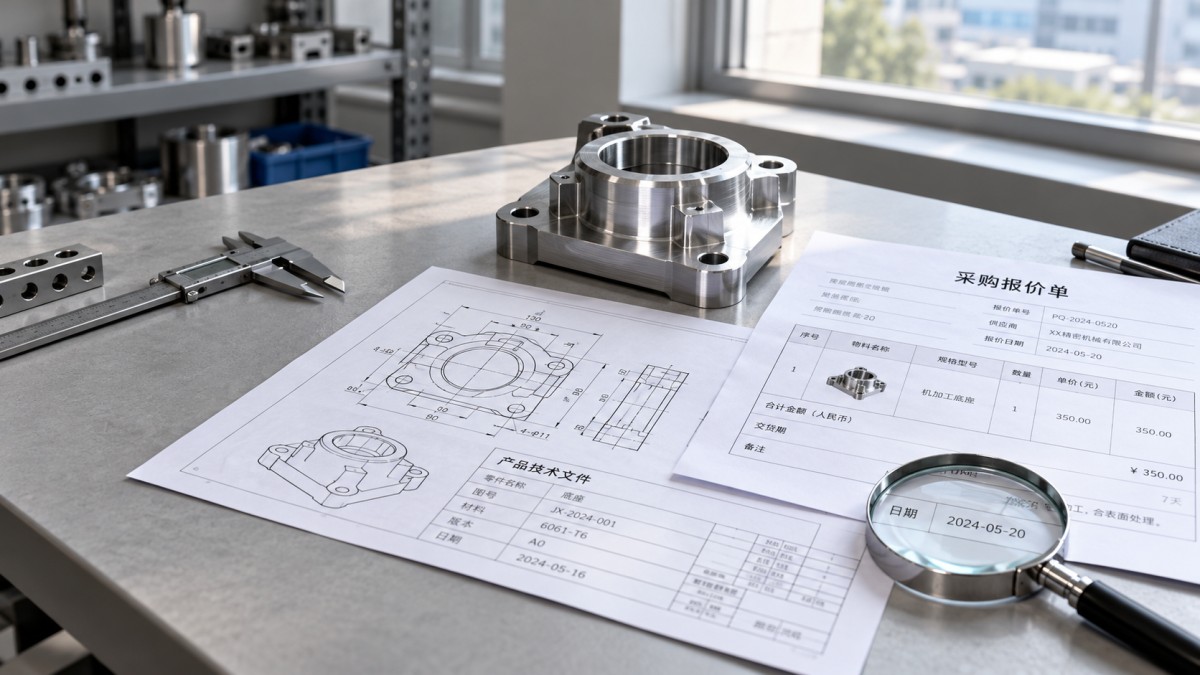
Check the date of the evidence, not just the page. A recently updated article may still cite an older price assessment or policy announcement. Distinguish the article’s publication date, the source document’s date, and the date when the described change takes effect.
For trade measures, an announcement may describe a proposal, a transition period, or a rule that applies only after a specified event. Read the underlying notice for its scope and effective conditions. The date goods leave the factory may have a different significance from the date they enter the destination market.
For suppliers, older evidence can remain useful without describing current conditions. A factory assessment shows what was examined at that location and time. A previous shipment demonstrates some operating history. Neither establishes that the current order will use the same facility, materials, or production arrangements.
Verify the supplier’s identity before assessing its offer. Start with the legal entity that will sign the contract, issue the invoice, and receive payment. Compare its registered name, address, and business identifiers across the quotation, company records, certificates, and banking documents.
Brand names and legal names can differ legitimately. Trading companies may also sell products made by separate manufacturers. The practical issue is whether the relationship is clear and whether the contracting party can deliver the agreed specification, provide relevant documentation, and resolve defects.
Ask which facility will manufacture the goods and whether any critical operations are subcontracted. For custom components, this may include machining, heat treatment, coating, assembly, or testing. A capable final assembler does not automatically control every process that determines performance.
Scale the investigation to the purchase. A standard, easily replaceable item may justify a modest document review and sample check. Custom tooling, safety-related components, or a large advance payment can justify an independent facility assessment and stronger contractual controls.
Payment details require their own check. If the beneficiary differs from the contracting entity, obtain a documented explanation. Confirm any bank-account change through a previously established contact method. An otherwise credible supplier profile does not authenticate payment instructions received later.
Read certification claims at the level of the product you will buy. The word “certified” is incomplete without identifying what was assessed, against which requirements, by whom, and for what scope. A management-system certificate concerns organizational processes; it does not establish that every product meets a particular performance or market-access requirement.
Examine the certificate holder, facility address, scope, certificate number, and status. Where the issuer provides a verification service, access it independently and compare the record with the supplied document. A logo in a brochure offers much less information than a traceable record.
Product test reports need a closer match. Compare the tested model, materials, ratings, and configuration with the proposed goods. A report covering one component or sample configuration may not support claims about an entire product family.
Also establish how production will remain consistent with the approved sample. Material substitutions, revised drawings, and changes in manufacturing location can affect whether earlier evidence still applies. Put the required specification and change-approval process into the purchase documents so acceptance does not depend on a general marketing description.
Convert price information into a comparable purchase cost. A market price can be accurate and still be unsuitable for your buying decision. Published figures may describe bulk raw materials, domestic transactions, a particular grade, or a delivery basis that differs from your order.
Before using an article to challenge or accept a quotation, align the main variables:
- Specification: material grade, dimensions, tolerances, finish, and required testing.
- Quantity: order volume, minimum order quantity, packaging, and release schedule.
- Commercial basis: currency, payment terms, quotation validity, and the named Incoterms rule and place.
- Included costs: tooling, inspection, export packing, freight, insurance, and documentation.
- Destination costs: applicable duties, taxes, customs handling, and inland transport.
A fall in raw-material prices does not necessarily produce an equivalent reduction in finished-product prices. Processing, energy, labor, yield losses, inventory purchased earlier, and exchange rates may all affect the quotation. Ask which cost elements have changed and whether the supplier can offer an alternative specification or order schedule that reduces cost without compromising function.
Separate recurring unit costs from one-time charges. A lower unit price may accompany higher tooling charges, a larger minimum order, or a longer commitment. Compare total cash outlay and expected consumption, especially when a bulk discount creates inventory that may remain unused.
For imported goods, build a landed-cost comparison using consistent assumptions. Keep recoverable taxes separate from permanent costs while recognizing their cash-flow effect. Where freight or exchange rates remain variable, compare plausible scenarios rather than treating a single estimate as a fixed final cost.
Connect policy and logistics updates to the actual shipment. A headline about tariffs or shipping disruption is a prompt to examine exposure. It does not establish how much your particular order will cost or when it will arrive.
For a trade-policy claim, connect the measure to the product’s classification, origin, destination, and relevant shipment conditions. Country of dispatch and country of origin can differ. A supplier’s suggested classification is useful input, but classification depends on the goods’ characteristics and the importing jurisdiction’s rules.
A customs broker can help apply those details to a shipment before you finalize the cost comparison. Provide the product description, composition, intended use, and manufacturing information needed for that assessment. A vague description such as “industrial parts” leaves too much room for a misleading estimate.
Logistics claims need similar precision. Improved port conditions may have little effect on an inland route with limited capacity. Ask suppliers to distinguish production completion from cargo availability, booking, departure, arrival, and final delivery. Compare those milestones with the delivery obligation in the contract.
Use an RFQ to close the gaps that affect the decision. Once a sourcing lead looks relevant, turn the article’s useful claims into specific questions. A general request for a “best price” rarely produces comparable offers.
Send a common specification and ask each supplier to identify the manufacturing entity, proposed facility, delivery basis, production lead time, and quotation validity. Request documents that address the intended application, along with clear explanations of any deviations. If the article mentions capacity expansion or shorter lead times, ask how that changes the schedule available for your quantity.
For a new source, define sample acceptance criteria before ordering samples. Appearance alone may be insufficient; dimensions, material identity, functional performance, or packaging may determine suitability. Agree which checks apply and how the approved sample connects to subsequent production.
Resolve material discrepancies before increasing commitment. Different addresses may reflect an administrative office and a factory, while different model numbers may reflect a harmless naming convention. Obtain a clear explanation and supporting records. Unexplained differences involving product identity, certificate scope, or payment beneficiaries deserve a pause in the affected decision.
Global Industrial Insights sourcing information is most useful when it helps you identify what to investigate, compare, or negotiate. Let each piece of evidence support the decision it actually addresses: market reporting can guide quote timing, supplier documents can support qualification, and shipment-specific checks can establish purchasing costs. Before issuing the order, make sure the product specification, contracting entity, acceptance criteria, delivery terms, and payment instructions all describe the same transaction.
- Last One:No more articles
- Next Article:Which thermoplastic elastomers stay flexible at low temperatures?Oct 17, 2026
Technical Specifications
- How to verify Global Industrial Insights sourcing informationAuthor :Industrial Machinery Editorial Team
- Which thermoplastic elastomers stay flexible at low temperatures?Author :Polymers & Rubber Editorial Team
- Which Shore hardness suits soft touch TPE for handheld grips?Author :Polymers & Rubber Editorial Team
Expert Insights

Chief Security Architect
Dr. Thorne specializes in the intersection of structural engineering and digital resilience. He has advised three G7 governments on industrial infrastructure security.
Core Sector // 01
Security & Safety
- How to verify Global Industrial Insights sourcing informationAuthor :Industrial Machinery Editorial Team

- When does industrial equipment downtime justify replacing a machine?Author :Industrial Machinery Editorial Team

- How Should Buyers Handle a Defective Industrial Washer Shipment?Author :Industrial Machinery Editorial Team

- Are Industrial Washers Subject to EU Compliance Checks?Author :Industrial Machinery Editorial Team