Nippon Steel Plans $3 Billion Upgrade of U.S. Steel Plants
Author
Date Published
Reading Time
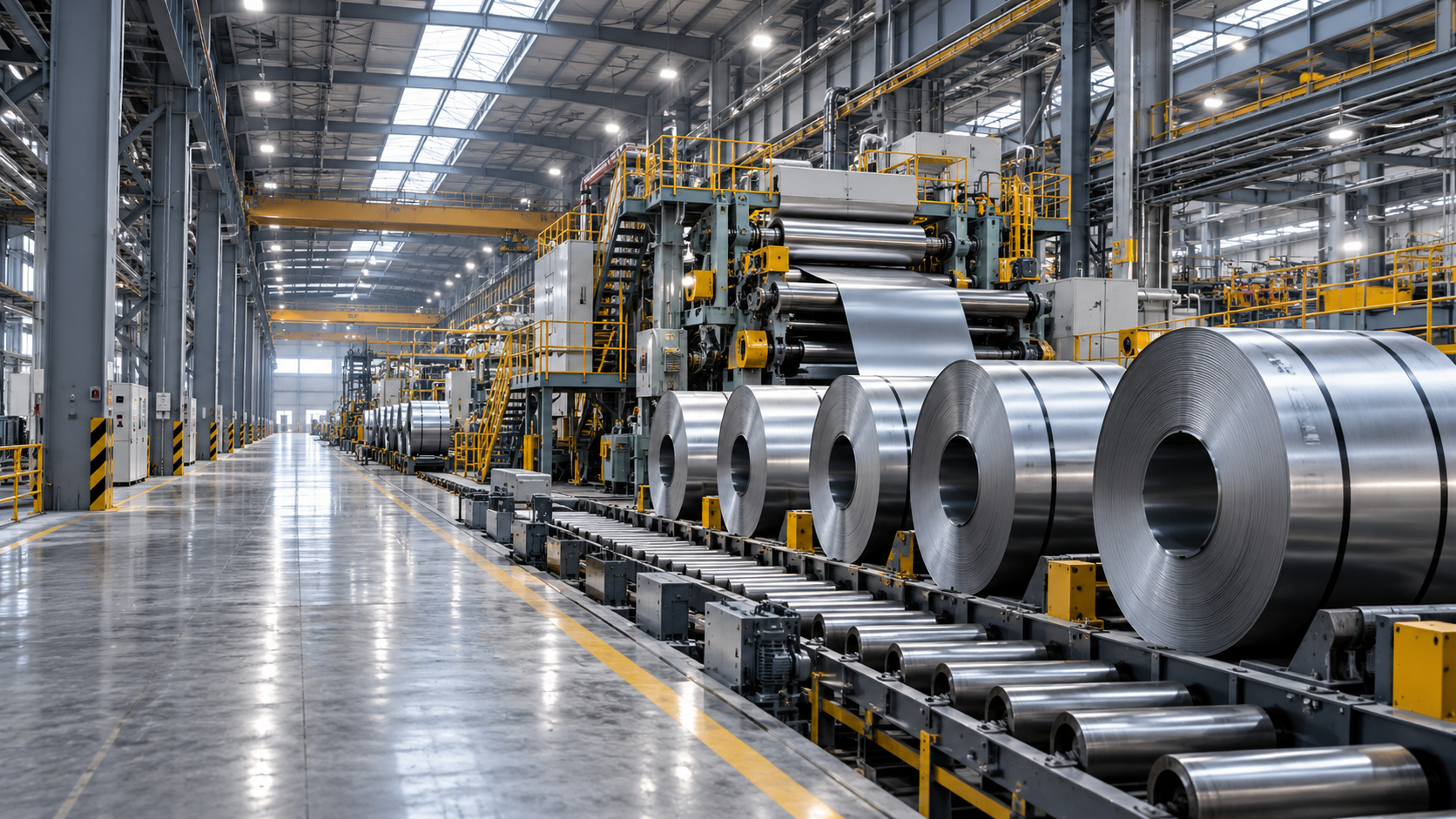
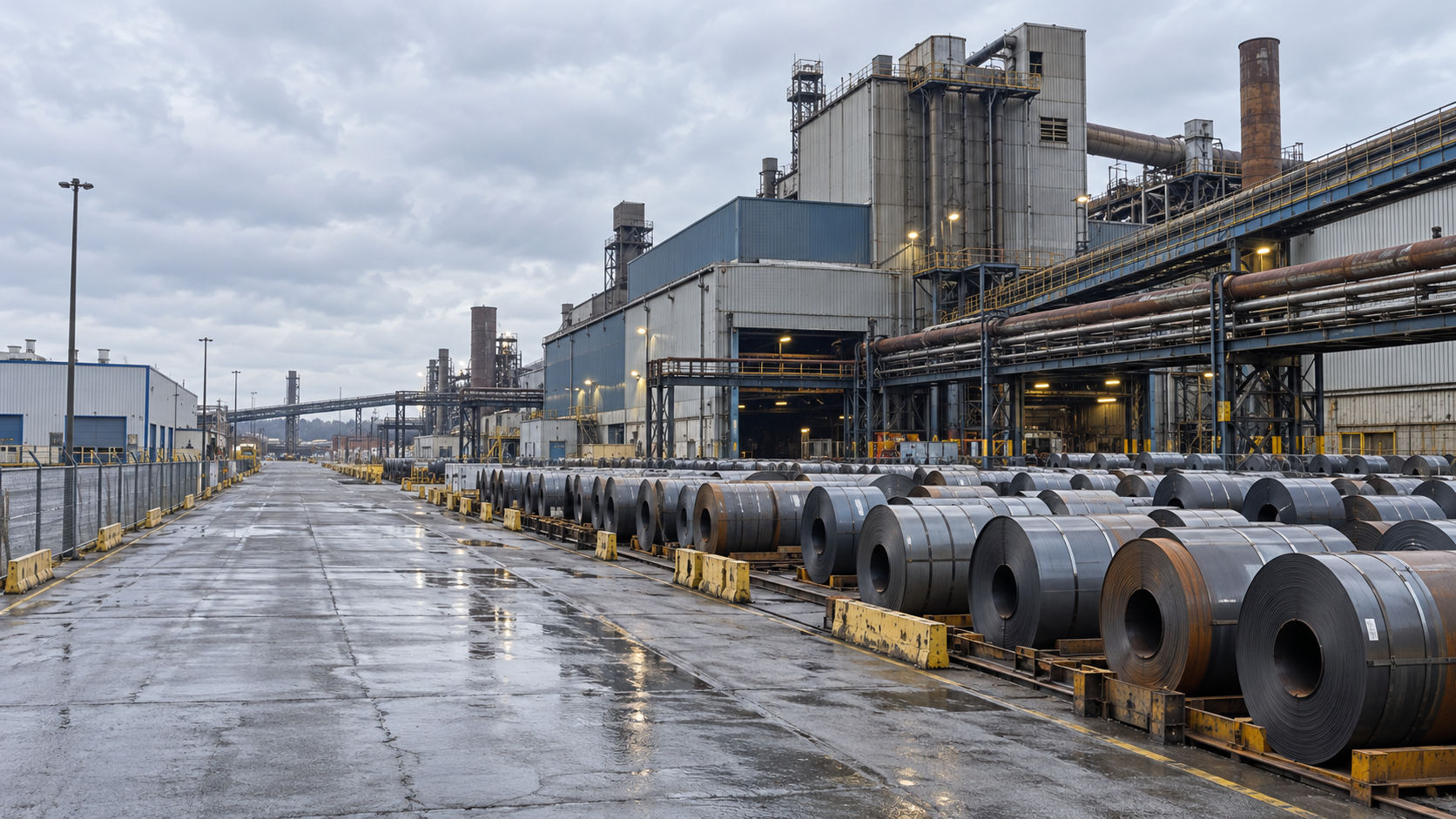
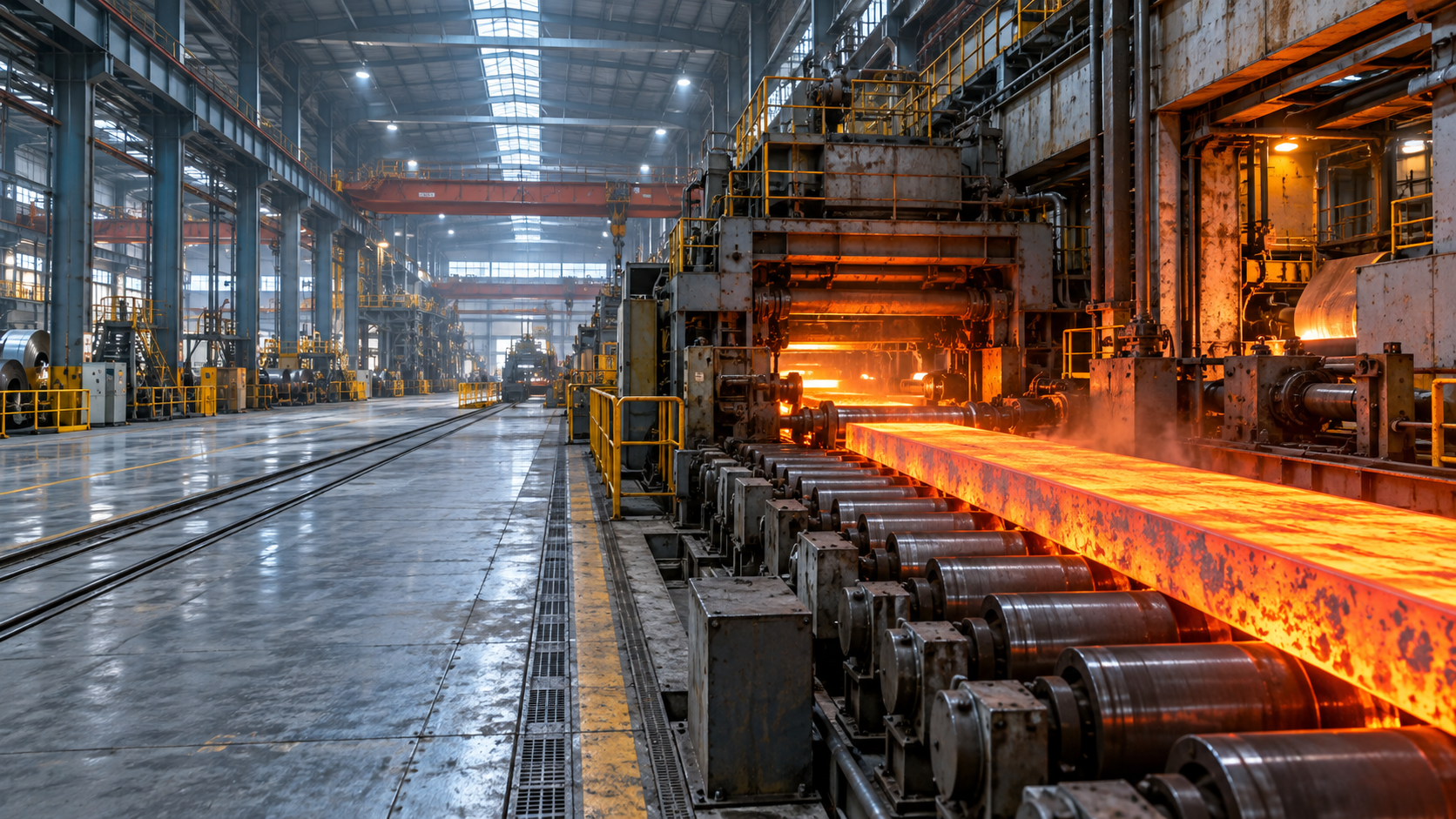
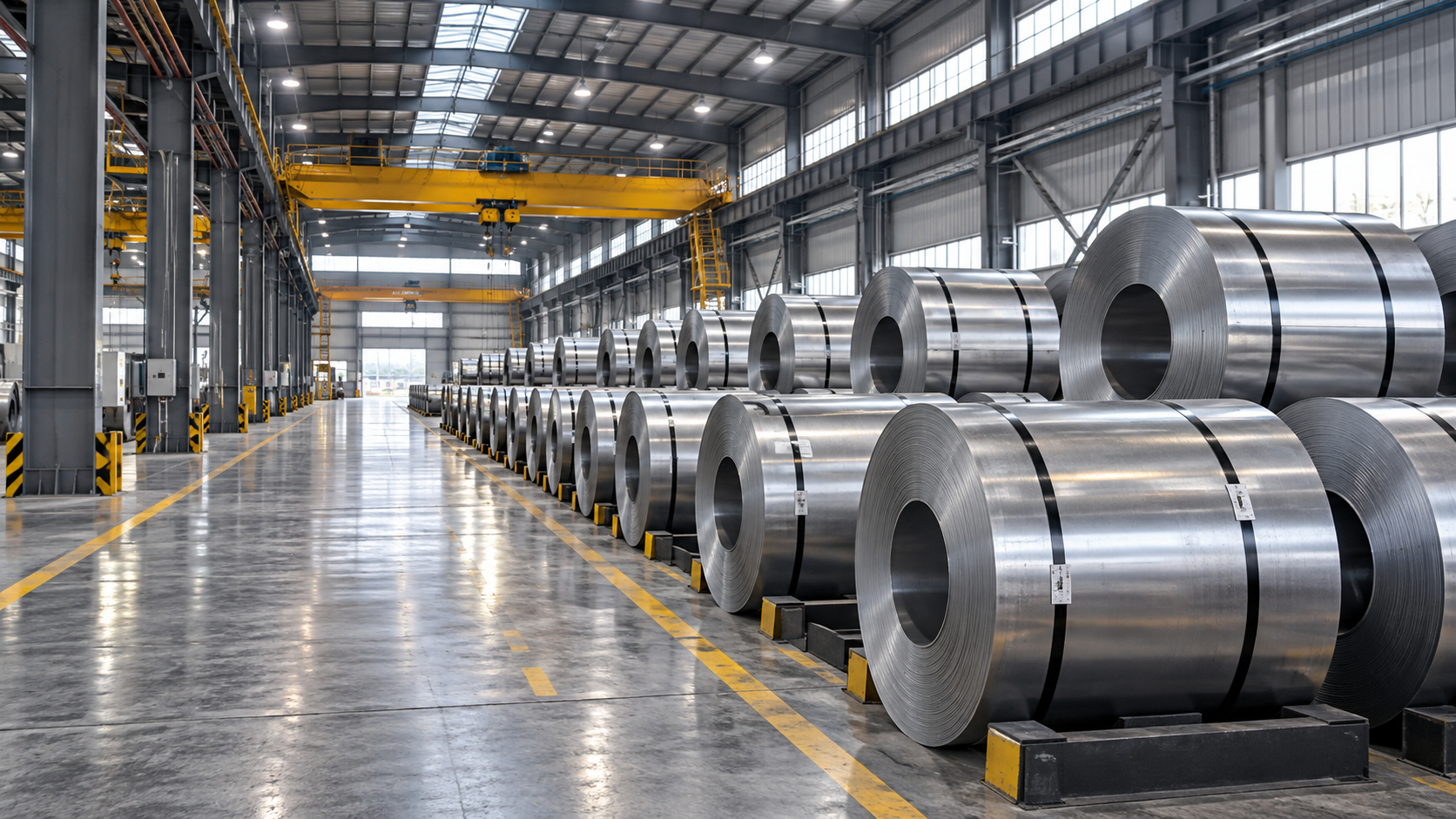
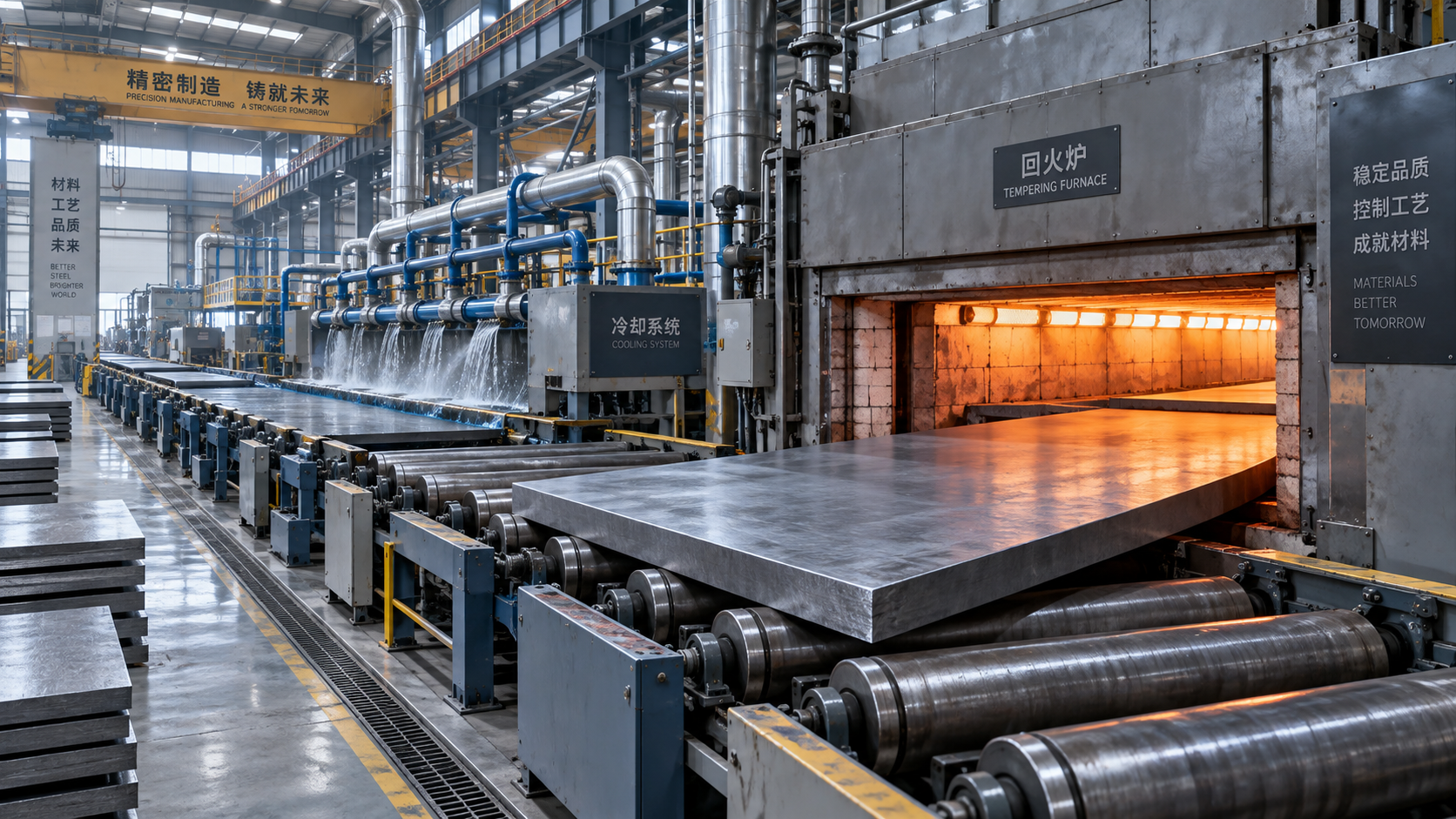
Nippon Steel has announced plans to invest approximately $3 billion in upgrading U.S. Steel facilities in the United States. The event date is not specified in the supplied information. The investment is intended to improve domestic steel capacity and production efficiency while adapting the company's North American supply chain to regional demand and trade policy changes. For steel buyers, manufacturers and trading businesses, the announcement raises potential procurement and delivery implications, although the supplied information identifies no specific new trade rule or compliance requirement.
Investment Targets U.S. Production and North American Supply
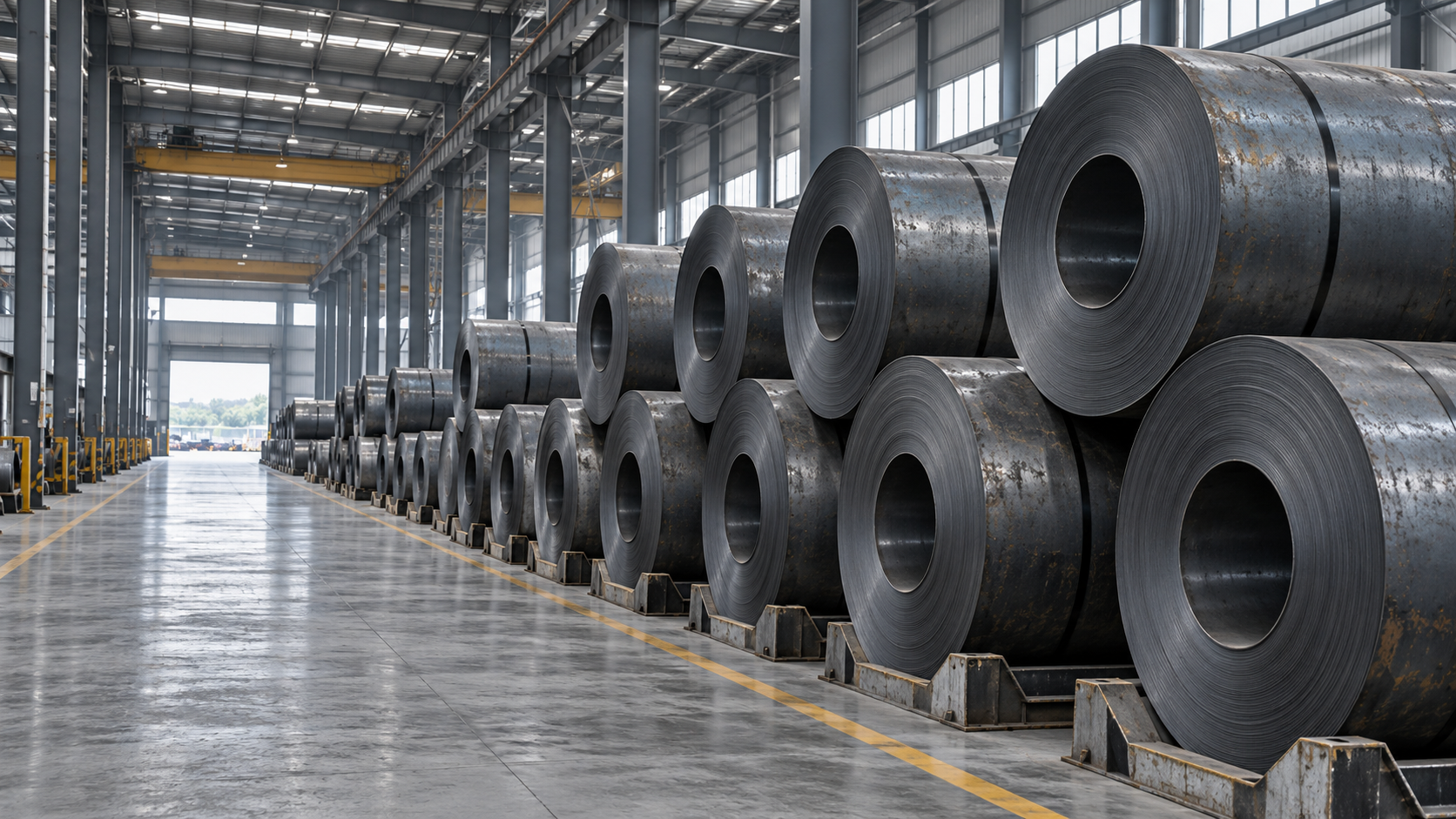
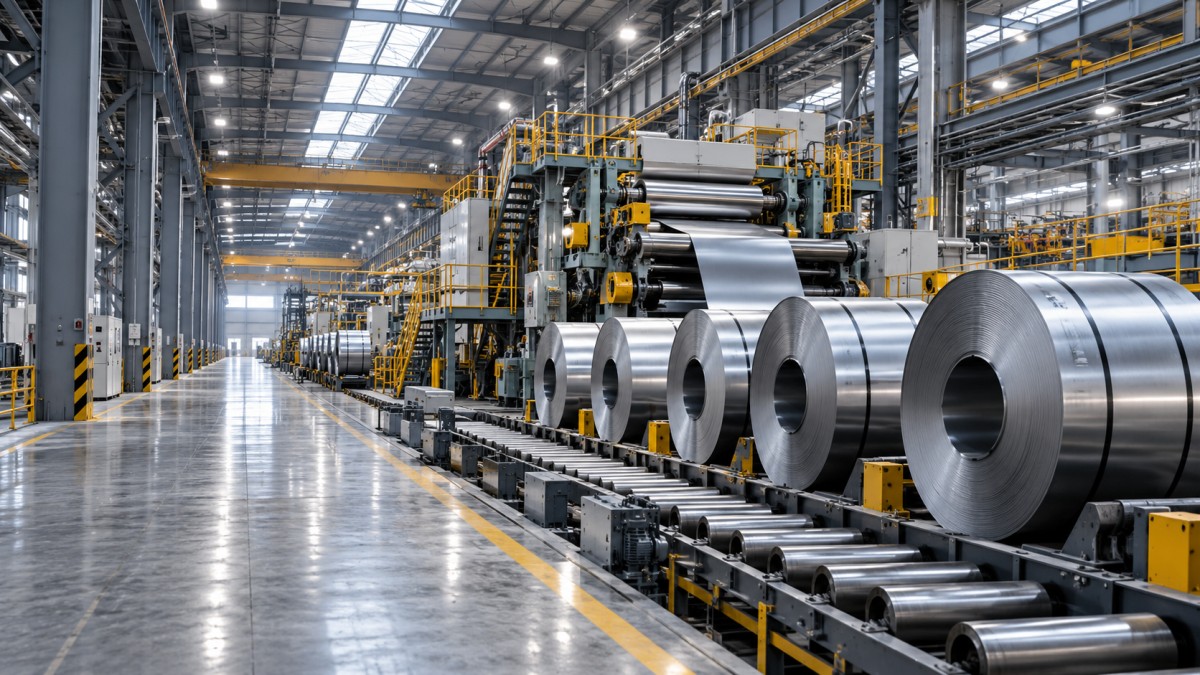
The Japanese steel company plans to direct approximately $3 billion toward upgrades at U.S. Steel's U.S. facilities. The stated objectives are to strengthen steel production capacity in the United States, improve operating efficiency and further optimize its North American supply chain.
The announcement links these objectives to regional market demand and changes in trade policy. The supplied information does not specify the facilities involved, the equipment to be upgraded, an implementation schedule or the particular trade policy changes informing the investment.
Local Production Plans Put Sourcing Decisions in Focus
Steel Buyers May Need to Reassess Supply Options
From an industry perspective, improved U.S. production capability could eventually influence supplier selection and purchasing allocations. Buyers serving the regional market may have reason to assess whether upgraded facilities could meet their specifications, volume needs and delivery schedules. However, the announcement alone does not establish that additional supply is available or that any particular product will be offered.
Analysis suggests that buyers should distinguish a supplier's investment plans from confirmed production capability. Any purchasing adjustment would benefit from verification of product specifications, quality documentation and applicable contractual or trade requirements.
Cross-Border Suppliers Face a Potential Shift in Competition
For exporters and steel trading businesses supplying the U.S. market, the investment could affect competition if the upgrades result in more efficient or expanded domestic production. Possible implications include changes in customer sourcing preferences and the relative attractiveness of different supply routes.
This remains a conditional commercial assessment. The supplied information does not establish changes to import eligibility, duties, origin requirements or trade documentation. Trading businesses should therefore verify any relevant rule changes separately before revising quotations or supply commitments.
Manufacturers and Logistics Providers Need Delivery Evidence
Analysis suggests that downstream manufacturers could benefit from reviewing how the proposed upgrades might fit their future material requirements. Supply chain service providers may also wish to monitor whether implementation changes shipment volumes or delivery arrangements. Neither outcome is confirmed by the announcement.
For these businesses, the practical questions concern product availability, order scheduling and shipment coordination. The investment amount does not by itself demonstrate shorter lead times, uninterrupted supply during upgrades or lower delivered costs.
Procurement Reviews Should Follow Verified Project Details
Check Which Trade Changes Actually Apply
As a practical response, businesses should identify the specific trade measures relevant to their products and transactions when further information becomes available. The reference to trade policy changes in the announcement is insufficient to determine a new compliance obligation. Purchasing and sales teams should verify applicability before changing sourcing assumptions, pricing terms or documentation procedures.
Validate Product Capability Before Changing Suppliers
Buyers considering a future sourcing adjustment should request confirmation of the products, specifications and production capabilities associated with the upgrades. Where their contracts require technical records, test reports or supplier qualification, those materials should be reviewed against the actual purchase requirements. The announcement provides no basis for assuming that existing approvals will change or that new certifications will be required.
Link Delivery Commitments to Confirmed Milestones
From a procurement planning perspective, companies should seek verified implementation milestones and order availability before relying on the investment in production schedules. Because no project timetable is supplied, any assumptions about commissioning, supply continuity or additional capacity should remain provisional. Buyers may assess alternative supply arrangements according to their own delivery exposure.
A Corporate Response to Policy Conditions, With Rules Still Unspecified
At this stage, the announcement is best understood as a corporate investment response to regional demand and trade policy conditions. It is not evidence that a particular regulation has been enacted or that a new compliance regime has taken effect. The distinction matters because an investment decision and a legally applicable trade requirement create different obligations for businesses.
Editorial analysis suggests that the most useful follow-up information would identify the trade measures influencing the investment, the scope of the plant upgrades and the timetable for implementation. Those details would help market participants assess whether the announcement translates into changes in sourcing options, supplier qualification or delivery performance.
Commercial Adjustments Depend on Execution
The proposed investment signals an intention to strengthen U.S. steel production and North American supply arrangements. Its practical significance for other businesses will depend on verified implementation and the trade conditions applicable to their transactions. A measured response is to review sourcing assumptions and prepare questions for suppliers while keeping purchasing commitments tied to confirmed capability, documentation and delivery terms.
Basis of This Report and Further Verification
This article is based solely on the user-provided news title, event timing information and event summary. The event date was not specified, and no specific official source links were provided in the input. The investment details and related policy context therefore require continued verification.
Relevant follow-up sources may include company announcements, official trade authority publications and authoritative reporting. Further monitoring should focus on project execution, the specific trade rules involved, any applicable documentation or qualification changes, and feedback from buyers and suppliers. The potential business effects and suggested responses discussed above are analysis, rather than confirmed outcomes or newly established requirements.
Facing technical bottlenecks in manufacturing or looking for more efficient industrial solutions? Leave your details below and let the engineering experts at GIi solve them for you.
“We respect your privacy. Your information is strictly confidential.”
Technical Specifications
- How to verify the consistency of PVC resin from a supplier in EuropeAuthor :Polymers & Rubber Editorial Team
- How to choose polyethylene grades in Saudi Arabia for film productionAuthor :Polymers & Rubber Editorial Team
- US Finds Imported Robots a Security Threat, Defers Tariffs for 180 DaysAuthor :Industrial Machinery Editorial Team
Expert Insights

Chief Security Architect
Dr. Thorne specializes in the intersection of structural engineering and digital resilience. He has advised three G7 governments on industrial infrastructure security.
Core Sector // 01
Security & Safety
- Canada Requires Stelco Jobs Plan Before Cleveland-Cliffs MeetingAuthor :Metals & Fabrication Editorial Team

- Hot-rolled vs. cold-drawn steel bars for precision machiningAuthor :Metals & Fabrication Editorial Team

- When to choose cold-rolled over hot-rolled carbon steel sheetAuthor :Metals & Fabrication Editorial Team

- Global Hot-Rolled Coil Markets Diverge by Region in October 2026Author :Metals & Fabrication Editorial Team

- Nippon Steel Plans $3 Billion Upgrade of U.S. Steel PlantsAuthor :Metals & Fabrication Editorial Team

- Global Steel Output Falls 0.2% to 142.4 Million Tonnes in September 2026Author :Metals & Fabrication Editorial Team

- Steel Dynamics Reports Record 3.8 Million Tonnes of Steel Shipments in Q3 2026Author :Metals & Fabrication Editorial Team

- How heat treatment affects the toughness of alloy steel platesAuthor :Metals & Fabrication Editorial Team