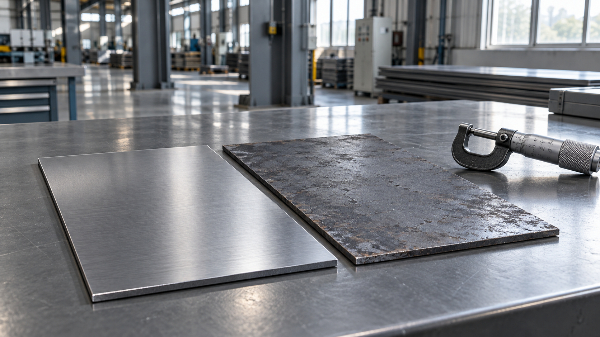
Choose cold-rolled carbon steel sheet when tighter dimensional control, a smoother surface, or reliable fit reduces downstream costs enough to justify the purchase premium.
Hot-rolled sheet usually offers better value for applications where surface appearance and close tolerances matter less, provided the specified grade meets performance requirements.
For procurement teams, the decision should compare the cost of usable finished parts, including preparation, fabrication, inspection, and rejection, rather than material price alone.
A lower sheet price can disappear through additional grinding, leveling, or rejected components. Conversely, paying for cold-rolled material adds little value when requirements are modest.
This guide explains where cold-rolled steel earns its premium, when hot-rolled alternatives remain practical, and which purchasing specifications prevent expensive misunderstandings before an order.
What differences actually affect your purchasing decision?
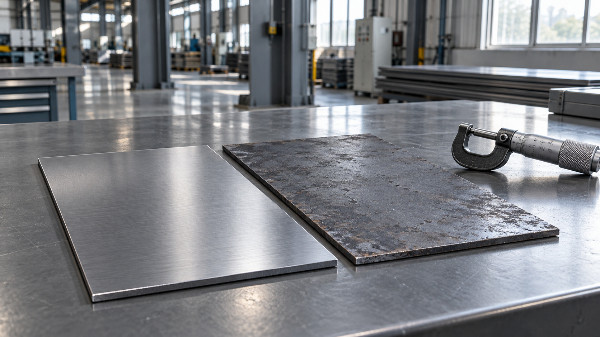
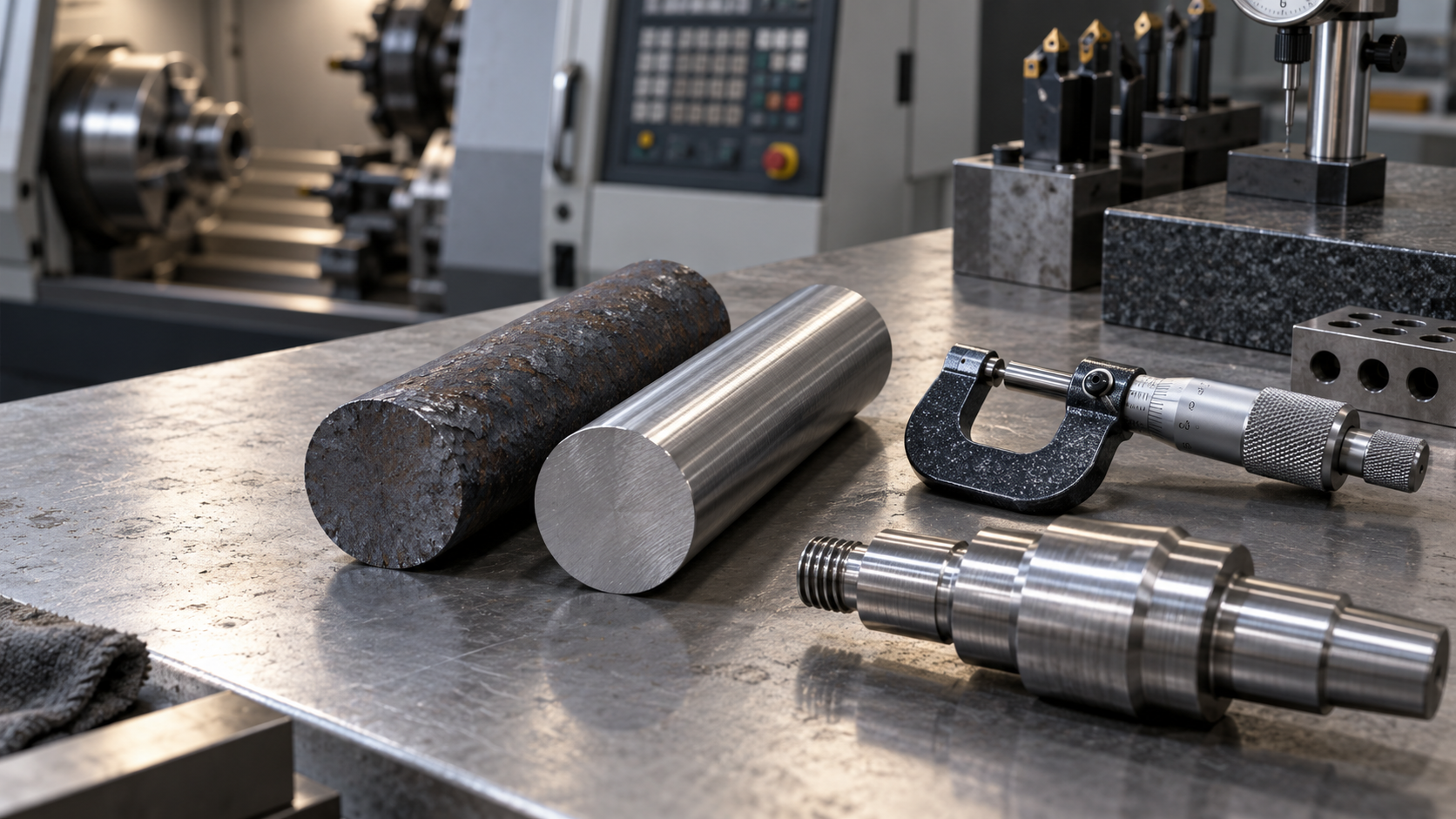
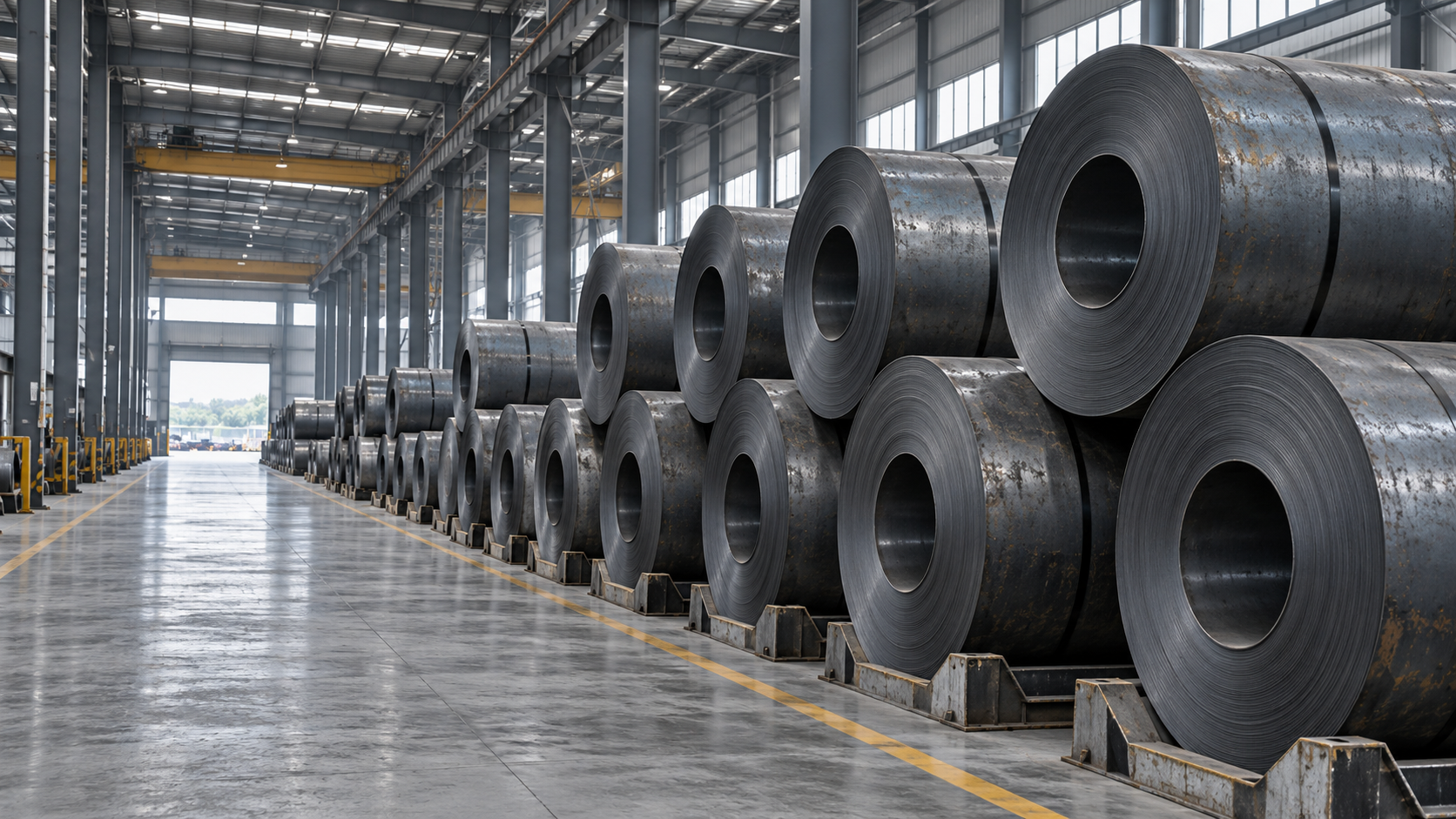
Hot-rolled steel is rolled at elevated temperatures. Conventional unpickled material develops mill scale, while cooling and subsequent processing influence its dimensions and final shape.
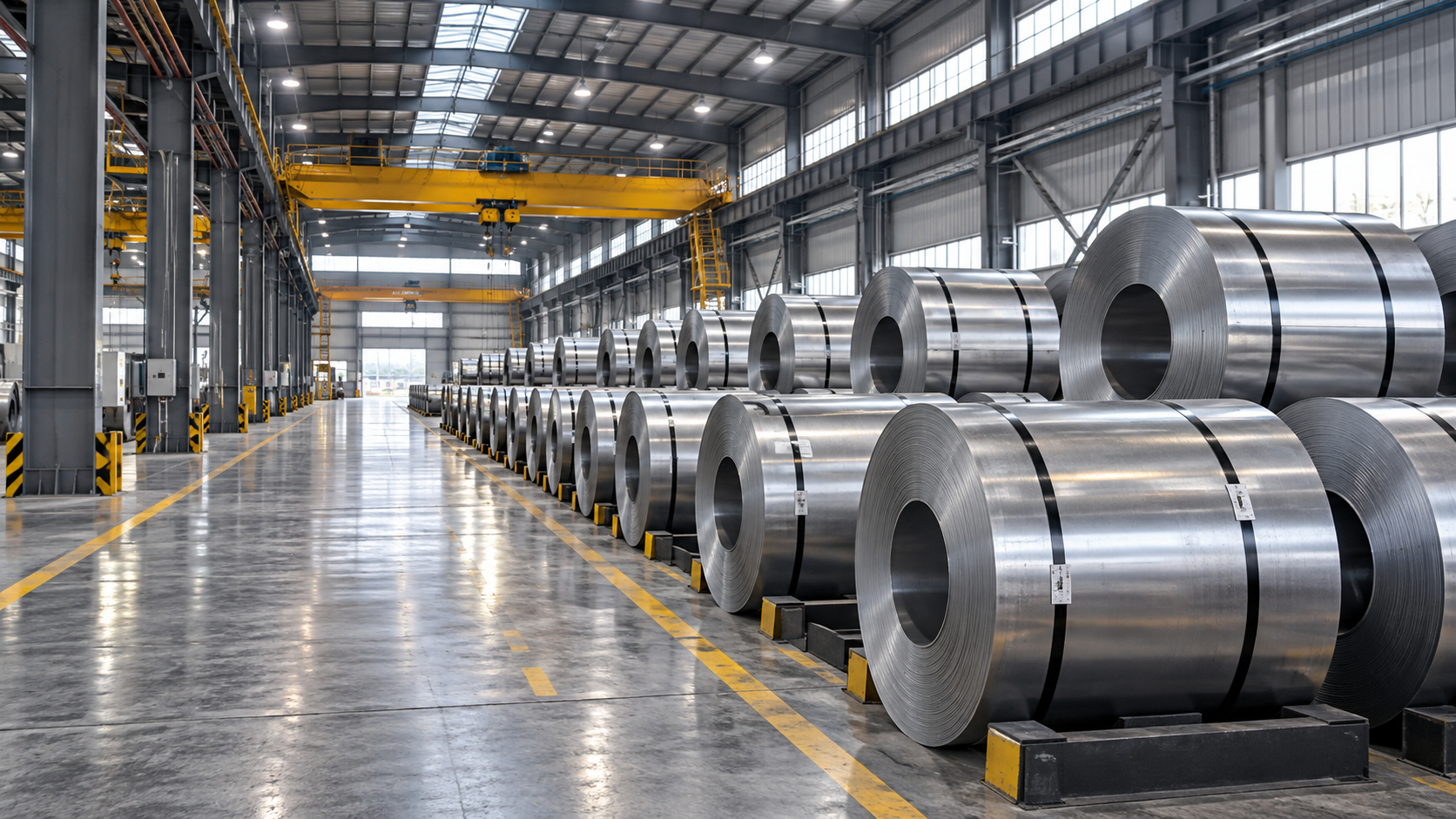
Cold-rolled sheet generally starts as hot-rolled material that is descaled and further reduced near room temperature, improving surface finish and enabling closer dimensional control.
However, rolling route alone does not establish strength, ductility, or suitability for forming. Grade, chemistry, annealing, temper, and delivery condition remain essential purchasing details.
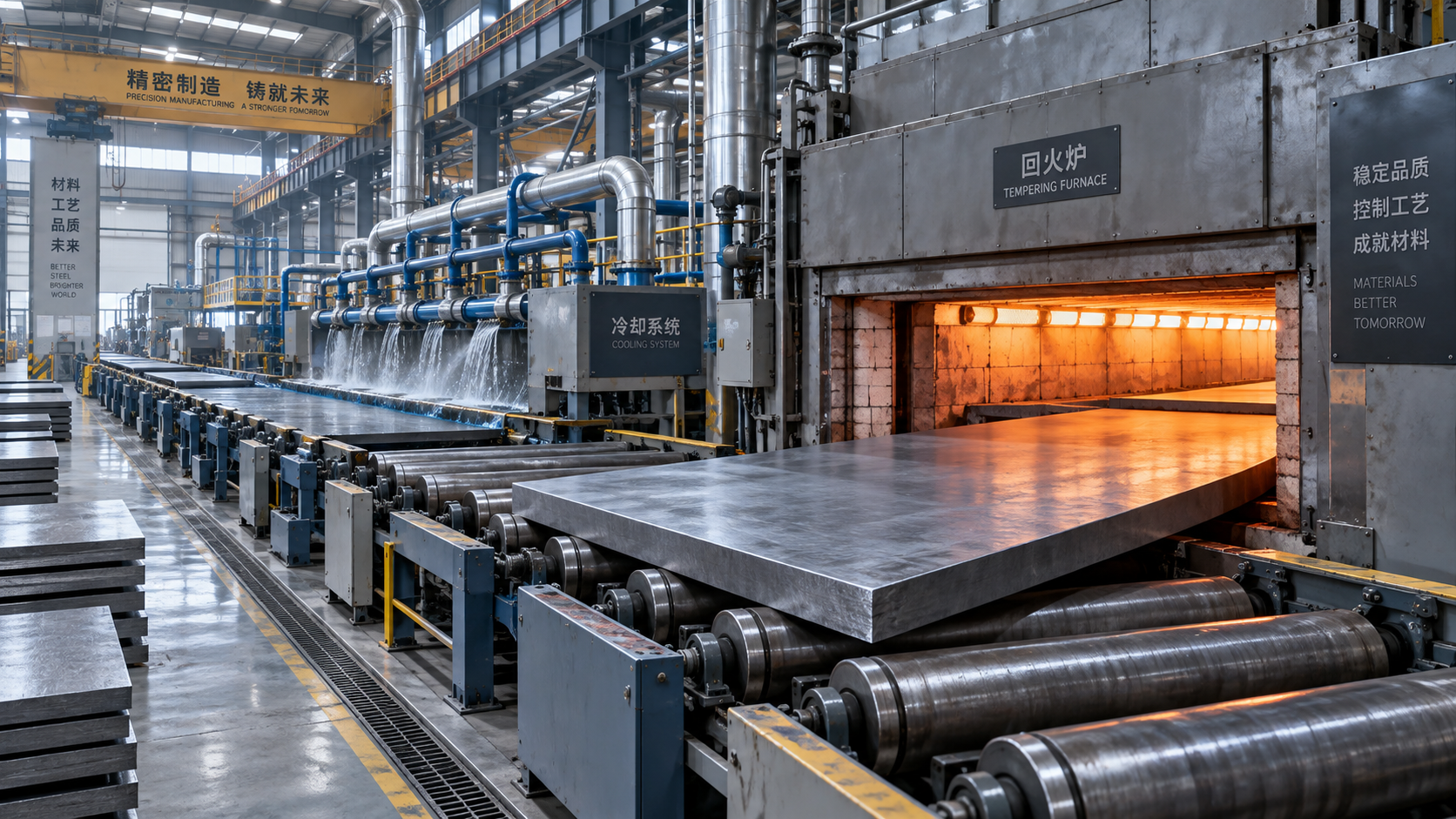
Cold reduction can increase strength through work hardening, but many commercial cold-rolled products are subsequently annealed. Buyers should compare specified properties rather than generalizations.
These are typical purchasing differences, not contractual guarantees. The purchase order must connect each required characteristic to a standard, agreed limit, or approved sample.
Choose cold-rolled sheet when dimensional variation disrupts production
Cold-rolled material becomes attractive when thickness variation affects mating clearances, fastening, automated feeding, or tooling settings across a substantial production run of identical parts.
For example, enclosure panels may need consistent thickness so hinges, clips, and adjoining parts fit correctly without repeated adjustment or sorting at the assembly station.
The benefit is especially relevant when small variations create cumulative problems. A modest material premium may prevent recurring setup changes, assembly delays, and rework.
Translate those production needs into measurable requirements. Specify nominal thickness, permitted variation, width and length tolerances, flatness, and any edge condition essential to processing.
Do not assume cold-rolled sheet will automatically remain flat after cutting. Residual stresses can cause movement, particularly when narrow strips or asymmetric shapes are released.
Where laser cutting or precision blanking is sensitive to distortion, discuss leveling, trial blanks, and acceptance criteria with the processor before committing production volumes.
Pay for a better surface when it reduces finishing work
Cold-rolled carbon steel sheet often suits visible panels, office furniture, appliance components, and equipment covers where surface defects remain noticeable after painting or coating.
A smoother starting surface can reduce preparation work, but suitability depends on the specified finish, roughness, cleanliness, and defect allowance for the intended coating.
Cold-rolled steel still needs appropriate cleaning and pretreatment. Protective oil, handling contamination, and storage corrosion can undermine paint adhesion even when the sheet looks smooth.
For appearance-sensitive products, identify the exposed face and agree on acceptable scratches, dents, roller marks, and roughness. An approved sample can support written criteria.
Hot-rolled pickled and oiled sheet deserves consideration when removing mill scale is the main requirement. Pickling improves cleanliness without reproducing every cold-rolled surface characteristic.
Compare both routes after the actual finishing process. A trial coating run can reveal whether the more expensive substrate produces a commercially meaningful improvement.
For formed parts, buy the right grade before choosing the rolling route
Drawing, bending, and stamping performance depend on more than surface quality. A poorly matched cold-rolled grade can fail where an appropriate forming grade succeeds.
For simple bends, confirm thickness, strength level, bend direction, edge quality, and the proposed inside radius. Supplier recommendations should reflect the actual material condition.
Deep-drawn housings or complex stampings may require drawing-quality grades with suitable ductility and controlled properties. Commercial-quality sheet should not be assumed equivalent without verification.
Ask whether tensile properties, elongation, or other forming characteristics need guaranteed limits. For demanding draws, production trials may be more informative than generic datasheets.
Also confirm whether aging behavior matters during storage. Some sheet products can develop changes affecting forming or surface appearance, depending on metallurgy and processing.
Welding requirements deserve separate review. Neither cold rolling nor hot rolling alone guarantees weldability; chemistry, thickness, surface condition, and welding procedure determine practical results.
When does hot-rolled sheet remain the better purchase?
Choose hot-rolled carbon steel sheet when its specified properties and tolerances satisfy the drawing, and additional surface refinement would deliver little measurable production benefit.
Typical candidates include brackets, bases, agricultural equipment parts, and general fabricated components where function matters more than a smooth exposed finish or close fit.
For structural or load-bearing uses, select the required structural grade and applicable design requirements. A commercial sheet designation does not automatically establish structural suitability.
Hot-rolled material also becomes practical when the production route already includes suitable cleaning, blasting, machining, or finishing steps that accommodate its supplied surface condition.
However, include those operations in the comparison. Scale can affect coating preparation and some fabrication processes, so a low purchase price may conceal processing costs.
Availability can decide the outcome as well. Confirm local stock, thickness range, minimum order quantity, and replenishment time before specifying a commercially awkward option.
Compare total cost per accepted part, not price per tonne
Request comparable quotations using the same quantity, dimensions, delivery location, payment terms, and inspection requirements. Otherwise, apparent material savings may reflect different commercial assumptions.
Then estimate the cost of converting each option into an accepted component. Include freight, preparation, processing time, consumables, scrap, inspection, and handling where relevant.
A useful calculation is total batch cost divided by accepted parts. This captures yield differences that a simple comparison of purchased tonnes can miss.
For illustration, suppose cold-rolled sheet costs $70 more per purchased tonne. If verified preparation and rejection savings reach $95, the estimated net advantage is $25.
Those figures are illustrative, not market prices. Actual premiums and savings vary by region, grade, thickness, order size, processing route, and current supply conditions.
Make the comparison over a representative batch. Include recurring production savings, while allocating one-time tooling or qualification expenses appropriately across the expected purchasing volume.
- Use measured cycle times and actual reject records whenever available.
- Compare yield using the proposed sheet sizes and nesting layouts.
- Check whether lower inventory or shorter lead times changes the result.
- Test uncertain savings before converting an entire recurring order.
Which specifications should appear on the purchase order?
A clear order describes the required product rather than relying on phrases such as “standard cold-rolled sheet.” Ambiguity increases substitution risk and complicates claims.
For example, ASTM A1008/A1008M covers several cold-rolled sheet designations, while ASTM A1011/A1011M covers hot-rolled sheet and strip. Neither reference alone specifies every purchasing requirement.
EN 10130 and EN 10111 are other commonly encountered references for particular cold-rolled and hot-rolled forming products. Their grades should not be treated as automatic equivalents.
State the applicable standard edition and complete grade or designation. Confirm any proposed cross-standard substitution against chemistry, mechanical properties, tolerances, and intended application requirements.
- Dimensions: Thickness, width, length or coil format, tolerances, and flatness requirements.
- Material condition: Grade, delivery condition, temper where applicable, and required mechanical properties.
- Surface: Finish, roughness where needed, exposed-face requirements, oiling, and allowable defects.
- Processing: Edge condition, leveling requirements, and critical fabrication or coating needs.
- Documentation: Inspection certificate type, traceability, test results, and any application-specific declarations.
- Acceptance: Sampling arrangements, inspection methods, claim procedures, and permitted substitutions.
If an EN 10204 3.1 inspection certificate is required, request it explicitly and verify that its identification links the supplied material to reported results.
How can buyers reduce quality and delivery risks?
Ask suppliers to confirm actual production capability for your thickness, width, grade, and finish. A catalog listing does not establish availability for every combination.
For a new source, review representative certificates and obtain trial material where application risk warrants it. Evaluate performance through your own critical fabrication steps.
Agree on packaging suitable for the route and storage period. Both cold-rolled and hot-rolled carbon steel can corrode; oiling offers only temporary protection under suitable conditions.
For sea shipments, discuss moisture protection, suitable wrapping, edge protection, and handling arrangements. Packaging performance depends on transit conditions and how material is stored.
At receipt, check identification, dimensions, surface condition, and documentation before releasing the shipment. Record damage promptly and preserve traceability when sheets enter production inventory.
A practical rule for the final buying decision
Choose cold-rolled sheet when documented requirements for fit, surface quality, or manufacturing consistency justify its premium through lower conversion costs or fewer rejected parts.
Choose hot-rolled sheet when it meets the engineering requirements and remains less expensive after realistic preparation, processing, and quality costs have been included fully.
Where the comparison remains uncertain, trial both materials against the same drawing and acceptance criteria. Measure preparation time, forming performance, coating results, and yield.
The strongest purchasing decision connects a complete specification with demonstrated production value. Buy the carbon steel sheet that delivers acceptable parts at the best total cost.