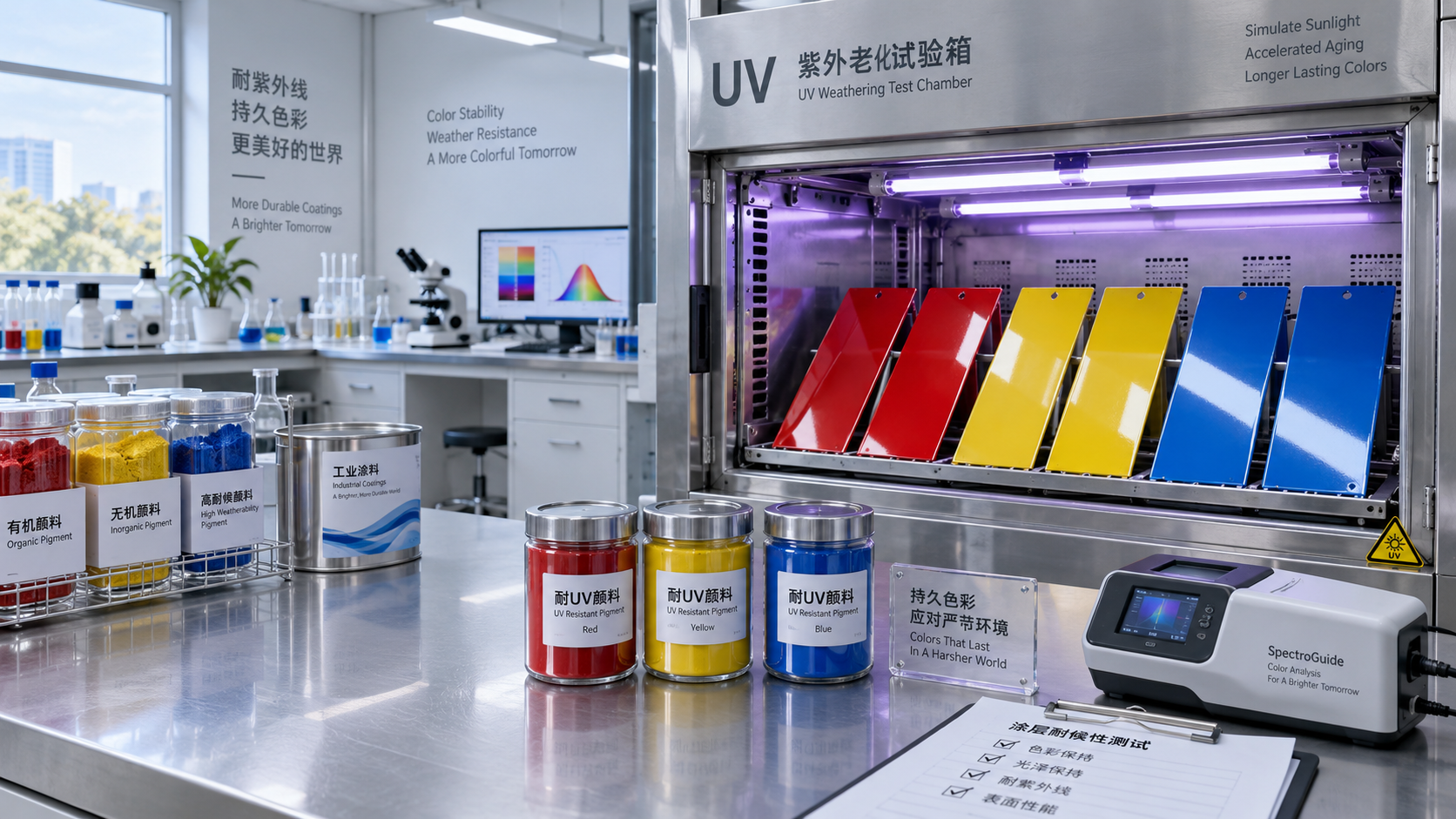
How do pigments for coatings affect color consistency in production?
Author
Date Published
Reading Time
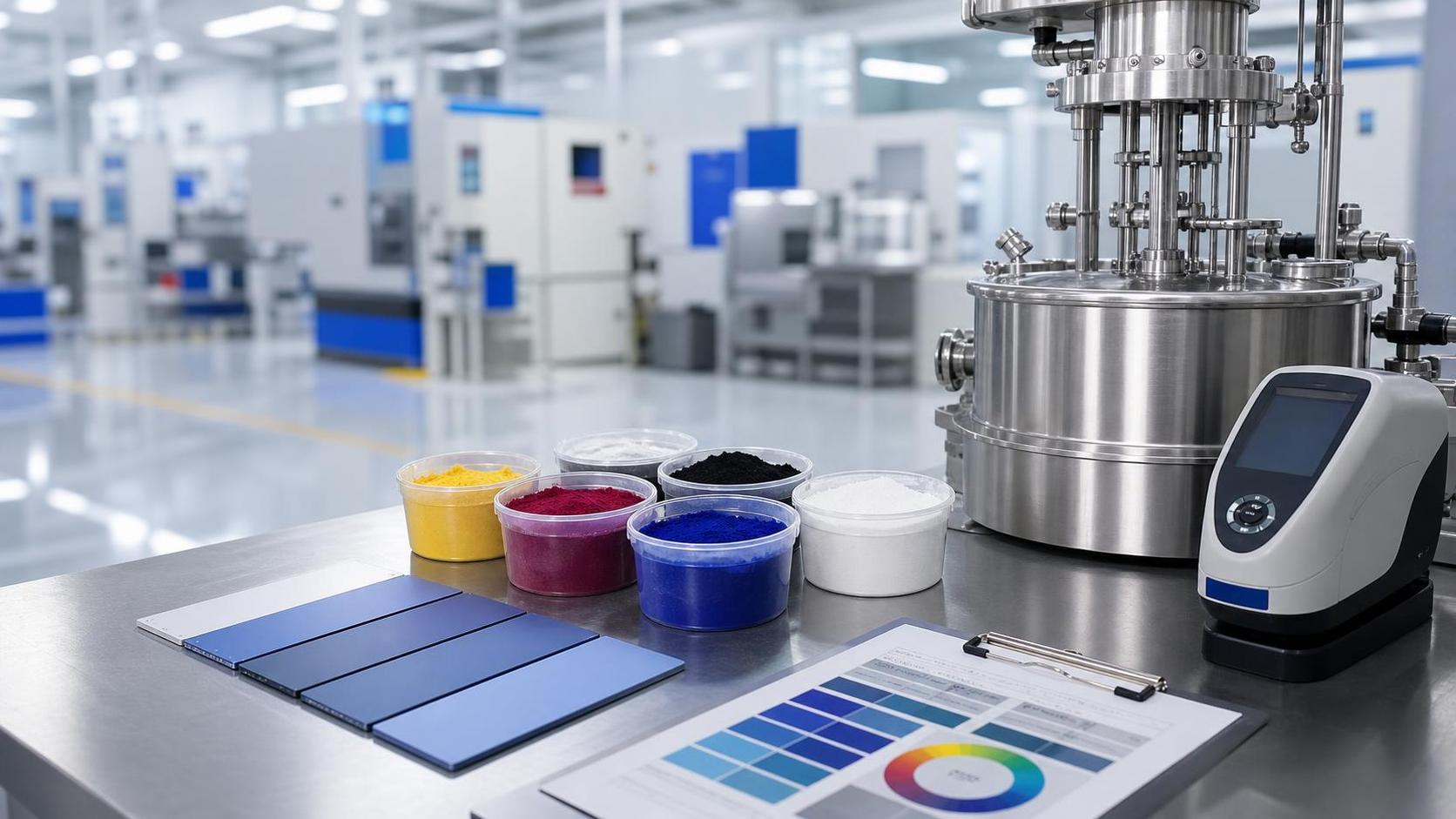
How Do Pigments for Coatings Affect Color Consistency in Production?
Introduction: For quality-control and safety teams, pigments for coatings directly influence whether finished products maintain the approved shade, opacity, and appearance across every production batch.
Color inconsistency rarely comes from one isolated cause. It usually results from interactions among pigment properties, dispersion quality, raw-material handling, equipment condition, formulation controls, and application parameters.
For manufacturers, even minor shade variation can create substantial commercial risk. Rework, rejected inventory, delayed deliveries, customer complaints, and unnecessary material consumption quickly increase operating costs.
The practical conclusion is clear: stable coating color requires more than purchasing a pigment with the correct color index. It requires controlling the entire pigment-to-production process.
What Quality and Safety Teams Need to Assess First
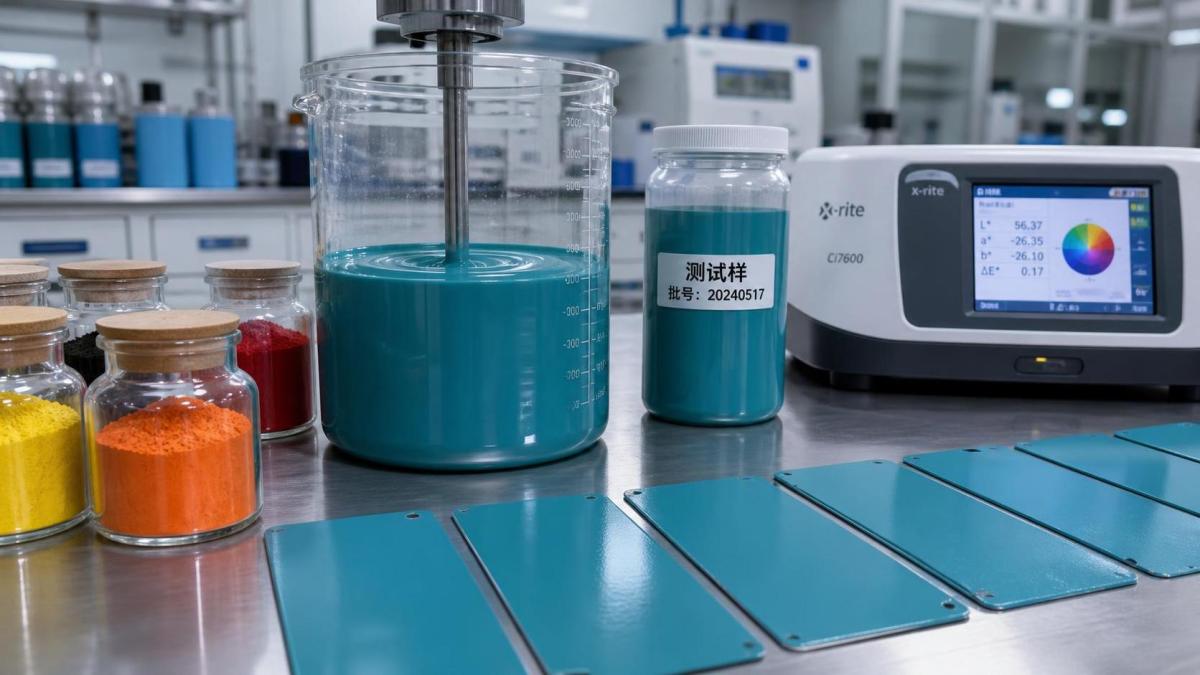
People searching for pigments for coatings usually want to understand why approved formulations still produce visible color differences during routine manufacturing, storage, or field application.
Quality-control personnel are primarily concerned with measurable repeatability. They need to know which pigment-related variables cause deviations and how to identify them before products leave the factory.
Safety managers have related concerns. They must confirm that pigment handling, dust exposure, chemical classification, storage requirements, and waste procedures remain controlled as production volumes increase.
The most useful evaluation begins with four questions: Is the pigment specification stable, is dispersion complete, is the formulation compatible, and is application performance repeatable?
These questions move teams beyond visual comparisons alone. They create a structured approach for investigating color variation, assigning responsibility, and preventing repeated production failures.
Generic descriptions of pigment chemistry are less valuable than practical guidance on incoming inspection, process monitoring, supplier qualification, traceability, and corrective action after a color mismatch.
Why Pigment Properties Create Batch-to-Batch Color Variation
Pigments for coatings create color by selectively absorbing and scattering light. Small changes in particle characteristics can therefore alter shade, lightness, chroma, hiding power, and gloss perception.
Particle size distribution is one of the most important variables. Finer particles may produce stronger color development, while coarser particles can change opacity, undertone, and surface appearance.
A pigment grade may meet its broad commercial description while still showing variation between lots. Without tight supplier specifications, that variation can become visible in sensitive formulations.
Tinting strength measures how strongly a pigment changes the color of a standard mixture. A higher or lower tinting strength can shift the final shade despite unchanged dosage.
Undertone is equally important, especially for whites, blacks, blues, reds, and organic yellow pigments. Two batches can appear similar alone but differ noticeably when mixed with other colorants.
Specific surface area affects how much binder and dispersant the pigment requires. A formulation that works with one pigment lot may become under-dispersed when surface area changes.
Moisture content can also influence production stability. Excess moisture may affect powder flow, dosing accuracy, agglomeration behavior, resin compatibility, and the risk of defects during curing.
For metallic, pearlescent, and effect pigments, particle shape and orientation become critical. Minor process changes may alter how flakes align, producing visible differences at different viewing angles.
Dispersion Quality Often Determines Whether the Color Is Stable
A pigment can have excellent intrinsic color properties and still create inconsistent coatings when it is not properly dispersed into the binder system.
Dispersion breaks down agglomerates and distributes pigment particles evenly. Incomplete dispersion causes localized color concentration, reduced tinting strength, poor gloss, specks, and inconsistent hiding power.
Over-dispersion can create a different problem. Excessive milling may damage certain pigment structures, alter particle size, increase heat exposure, or reduce the performance of delicate effect pigments.
Production teams should define a validated dispersion endpoint instead of relying only on mixing time. Appropriate controls may include fineness-of-grind readings, viscosity, temperature, color strength, and drawdown testing.
Temperature deserves close attention because high shear produces heat. When temperature rises beyond a pigment or resin system's tolerance, shade drift and viscosity changes may follow.
Dispersants must match the pigment surface and coating chemistry. An unsuitable additive can leave particles poorly wetted, causing flocculation, color separation, floating, flooding, or storage instability.
Flocculation occurs when dispersed pigment particles regroup after processing. The coating may look acceptable immediately but develop shade variation after storage, tinting, or application.
Quality teams should retain drawdowns from the beginning, middle, and end of each batch. These samples help distinguish dispersion problems from raw-material or dosing problems.
How Formulation Compatibility Changes the Final Shade
Pigments for coatings do not perform independently. Their apparent color depends on the resin, solvent or water phase, additives, fillers, curing system, and intended substrate.
A pigment that performs well in a solvent-borne alkyd coating may behave differently in a waterborne acrylic system. Wetting, rheology, drying, and flocculation behavior can change significantly.
Resin refractive index affects light scattering and color development. This is particularly relevant when matching a laboratory formula to a production coating with slightly different binder composition.
Fillers and extenders can lower cost or adjust performance, but they also influence opacity and undertone. Their particle size, oil absorption, and purity need consistent control.
Changes in titanium dioxide grade frequently affect color matching. White pigment differences can alter lightness and chroma, making colored formulations appear cleaner, duller, warmer, or cooler.
pH control is essential in many waterborne coatings. A pH shift can affect dispersant performance, pigment stability, viscosity, and the color acceptance of the finished batch.
Some organic pigments are vulnerable to solvent interactions, migration, or bleeding. Such risks should be assessed during formulation development rather than after customer complaints emerge.
When a new pigment supplier is considered, teams should test the candidate material in the full production formulation. Comparing dry pigment color alone is not sufficient.
Incoming Inspection Should Go Beyond Supplier Certificates
A certificate of analysis is useful, but it should not replace independent incoming checks for pigments used in color-critical coatings, safety-sensitive applications, or tightly specified customer programs.
Incoming inspection should confirm product identity, packaging integrity, lot number, color reference, moisture content, particle-related indicators, and any supplier-declared compliance information.
For high-volume production, retain a reference sample from every pigment lot. Properly labeled retention samples support later investigations when color concerns arise downstream.
Many plants use standard drawdowns for lot approval. A controlled drawdown method should specify substrate, film thickness, drying conditions, illuminant, viewing angle, and acceptance tolerance.
Instrumental color measurement provides stronger evidence than visual judgment alone. Spectrophotometers can quantify differences using L*, a*, b*, delta E, gloss, and related color metrics.
Visual assessment remains necessary because customers see coatings under real lighting conditions. However, trained assessors should use standardized light booths and agreed viewing procedures.
Supplier quality agreements should define acceptable lot variation, notification requirements, change-control expectations, documentation, and response times for nonconforming pigment shipments.
Where supply risk is high, qualifying a second source is sensible. Each approved source should have its own validated formula adjustment rules and color-control documentation.
Production Controls That Reduce Shade Deviations
Accurate dosing is the foundation of color consistency. Small weighing errors are magnified when highly concentrated pigments or pigment pastes are used in low-addition formulations.
Automated dispensing systems can reduce operator variation, but they require calibration, cleaning, preventive maintenance, and verification against actual delivered quantities.
Manual additions need equally strong discipline. Operators should use approved scales, documented addition sequences, clear container labels, and independent verification for critical colorants.
Addition order matters because it affects wetting and dispersion. Changing when pigments, resins, dispersants, fillers, or defoamers enter the vessel may shift final color performance.
Mixing equipment should operate within validated speed, shear, fill-level, and time ranges. A process that is acceptable in a small laboratory mixer may not transfer directly to production.
Dead zones inside tanks, worn impellers, blocked filters, and inconsistent recirculation can create localized variation. Equipment condition should therefore be part of every deviation investigation.
Process samples should be tested at defined stages, not only at final release. Early checks make it possible to correct color before the entire batch is completed.
Color correction additions must be controlled carefully. Repeated unstructured corrections can create hidden formulation drift, inconsistent inventory consumption, and difficulty reproducing future batches.
Application Conditions Can Make a Consistent Batch Look Inconsistent
A coating can pass laboratory color checks and still appear inconsistent after application. Film thickness is a major reason, particularly in translucent, low-opacity, metallic, and effect finishes.
Thin films may reveal substrate color or reduce hiding power. Thick films can deepen shade, change gloss, alter solvent release, and affect the orientation of special-effect pigments.
Substrate type, surface roughness, pretreatment quality, and primer color also influence perceived color. These factors should be specified when approving drawdowns and customer samples.
Spray settings, atomization pressure, nozzle condition, electrostatic parameters, and applicator technique can change pigment distribution. Metallic pigments are especially sensitive to application direction and flow.
Drying and curing conditions influence final appearance. Temperature, humidity, flash-off time, and oven profile may affect gloss, film formation, color development, and coating uniformity.
Quality teams should investigate field complaints with applied panels whenever possible. A liquid sample alone may not reveal the actual cause of a visual mismatch.
Managing Safety Risks When Handling Coating Pigments
Color consistency and worker safety should be managed together. Many pigment powders can generate airborne dust during unloading, weighing, transfer, cleaning, and disposal activities.
Safety teams should review safety data sheets for classification, exposure limits, respiratory hazards, combustible dust potential, heavy-metal content, and required personal protective equipment.
Engineering controls are generally more reliable than procedural controls alone. Local exhaust ventilation, enclosed transfer systems, dust collection, and suitable housekeeping reduce exposure and contamination risk.
Cross-contamination is both a safety and quality concern. Pigment residues in transfer lines, scales, containers, or milling equipment can cause unintended shade changes and complicate waste handling.
Cleaning procedures should identify compatible tools, containment requirements, inspection points, and verification methods. Cleaning effectiveness should be confirmed before processing light or color-sensitive products.
Waste pigments, contaminated absorbents, filters, and wash materials may have regulated disposal requirements. Site procedures should match local environmental rules and the material's documented hazard profile.
When a Color Deviation Occurs, Use a Structured Investigation
When a batch falls outside color tolerance, avoid immediately adding correction colorants. First, secure the batch, preserve samples, and compare results with approved reference materials.
Confirm whether the deviation is real by reviewing instrument calibration, drawdown thickness, substrate condition, illumination, and testing procedure before changing the formulation.
Then compare pigment lot numbers, actual addition weights, dispersion records, temperature history, viscosity, pH, equipment settings, and operator records against the approved batch standard.
A useful investigation separates four categories: raw-material variation, formulation error, process deviation, and application-related appearance change. This prevents premature conclusions based on one observation.
Trend data is more valuable than isolated records. Repeated movement in a color direction may reveal supplier drift, equipment wear, seasonal environmental effects, or gradual formulation changes.
Corrective actions should be specific and verifiable. Examples include tightening incoming tolerance, revising dispersion energy, calibrating dispensing equipment, retraining operators, or updating supplier controls.
Preventive action requires documentation that operators can use. Revised work instructions, reference panels, approved limits, escalation steps, and lot traceability should be accessible at the point of work.
Building a Reliable Color-Control Program for Pigments for Coatings
A reliable program begins with an approved color standard that defines acceptable appearance under stated test conditions. Verbal descriptions such as “close enough” are not adequate specifications.
Set separate controls for raw pigment approval, pigment paste preparation, in-process color checks, finished-product release, and applied-panel validation where application conditions are critical.
Use both numerical and visual acceptance criteria. Instrumental data improves repeatability, while visual evaluation confirms that measured differences are not unacceptable in real use conditions.
Maintain traceability from finished coating back to pigment lot, supplier, formulation revision, process parameters, and application test results. Fast traceability limits the scale of corrective action.
Review supplier performance regularly using color deviations, documentation quality, delivery reliability, change notifications, and response effectiveness. Lowest purchase price rarely reflects total quality cost.
For safety managers, integrate pigment controls into routine risk assessments. New materials, new suppliers, higher production volumes, and equipment changes can alter exposure and housekeeping requirements.
Conclusion: Consistent Color Requires Control Across the Whole System
Pigments for coatings are central to color consistency, but pigment selection alone cannot guarantee stable production. Particle properties, dispersion, formulation compatibility, handling, and application all matter.
Quality teams achieve better results when they control incoming pigment variation, validate dispersion, monitor critical process parameters, and use meaningful color measurements alongside visual assessment.
Safety teams strengthen that result by controlling dust, preventing contamination, maintaining clear material information, and ensuring pigment storage, transfer, cleaning, and disposal procedures remain effective.
The strongest operational approach is preventive rather than reactive. Defined standards, supplier discipline, traceable records, trained operators, and structured investigations reduce avoidable color deviations and production risk.
When these controls are in place, manufacturers can reduce rework, protect customer confidence, improve material efficiency, and make more reliable purchasing decisions for every pigment system.
Technical Specifications
- How to test melt flow consistency in batches of recycled plasticsAuthor :Polymers & Rubber Editorial Team
- When does a cast resin transformer need high-altitude derating?Author :Electrical Components Editorial Team
- How to verify Global Industrial Insights sourcing informationAuthor :Industrial Machinery Editorial Team
Expert Insights

Chief Security Architect
Dr. Thorne specializes in the intersection of structural engineering and digital resilience. He has advised three G7 governments on industrial infrastructure security.