China-Peru Free Trade Agreement Upgrade Enters into Force
Author
Date Published
Reading Time

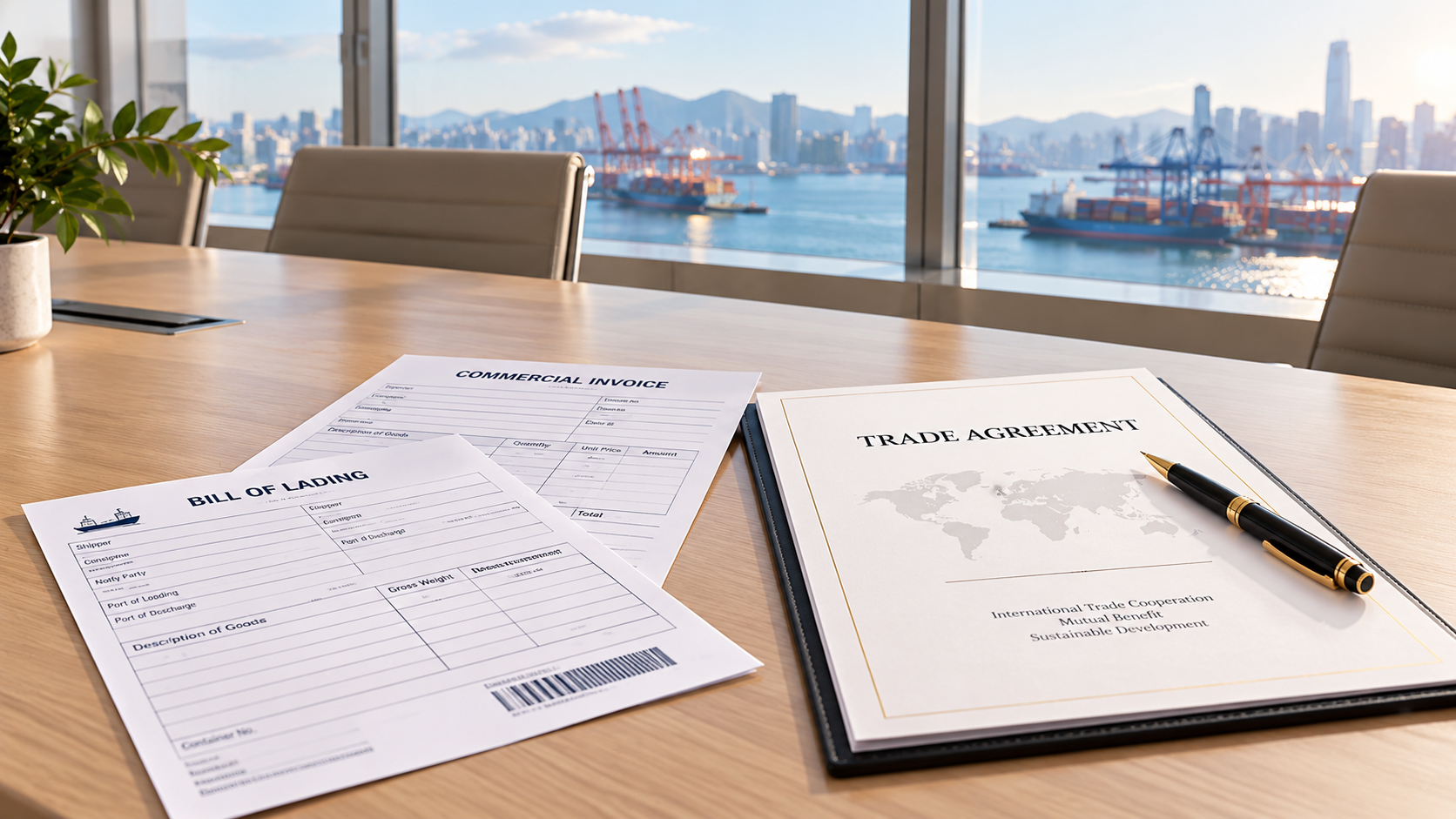
On November 1, 2026, the protocol upgrading the China-Peru Free Trade Agreement entered into force. The development is relevant to companies involved in bilateral trade, procurement and delivery because it is intended to improve trade facilitation, although the supplied information does not specify the operational changes for individual transactions.
Upgrade Takes Effect, With Further Talks Envisaged
The Protocol between the Government of the People's Republic of China and the Government of the Republic of Peru on Upgrading the Free Trade Agreement entered into force on November 1, 2026. According to the head of the Department of International Trade and Economic Affairs at China's Ministry of Commerce, the protocol will further improve bilateral trade facilitation.
The two sides also agreed to launch negotiations on services trade, investment and other areas within two years of the protocol's entry into force.

Where Trade and Supply Chains May Feel the Effects
Cross-Border Transactions and Documentation
From an industry perspective, exporters, importers and trading intermediaries may be affected where trade facilitation measures apply to their transactions. The practical questions are whether any applicable procedures or documentation requirements have changed and how those changes are implemented. The supplied summary does not identify particular measures, documents or product categories, so their relevance remains to be verified.
Purchasing and Delivery Planning
Buyers, manufacturers and supply chain service providers may need to assess whether implementation affects procurement arrangements or delivery planning. Any effect on processing or delivery times remains uncertain; companies should not assume that the protocol has already shortened a specific procedure or shipment.
Services and Investment Decisions
For businesses considering services or investment activity, the agreed timetable is a signal to monitor future negotiations, not confirmation of new commitments in those areas. Any implications for business arrangements will depend on the negotiations and subsequent outcomes.
Checks for Current Transactions
Verify Applicable Procedures
Companies may wish to review relevant official information and check which provisions apply to their goods and transactions. In particular, they can compare current documentation and processing practices with any verified implementation guidance before changing established workflows.
Coordinate With Trading Partners
Buyers, suppliers and logistics partners can review whether verified procedural changes call for updates to document preparation, procurement schedules or delivery arrangements. Until transaction-specific details are confirmed, it would be premature to promise different delivery times or costs on the basis of this announcement alone.
Track the Next Round of Negotiations
Businesses with interests in services or investment may monitor official updates on the planned talks and assess any proposed changes when details become available. The agreement to start negotiations should be kept distinct from any eventual negotiated outcome.
Implementation Matters as Much as Entry Into Force
In analysis, the protocol's entry into force is an established development, while its effects on particular businesses remain an implementation question. The supplied information does not describe the detailed provisions or their application. Official implementation information, experience with trade procedures and feedback from market participants will be important to assessing the practical effect.
A Measured Basis for Planning
The upgrade provides a basis for closer attention to bilateral trade procedures, but it does not by itself establish a specific commercial benefit for every transaction. For now, businesses can treat the protocol as an enacted agreement to check against applicable official details, while treating the planned services and investment negotiations as a separate development to follow.
Basis for This Report and Further Verification
This article is based on the supplied news title, event date and event summary. No specific official source link was provided in the input, and continued verification is needed. Relevant material to monitor includes official announcements and trade authority information on implementation details, trade practices and industry feedback, as well as updates on the planned negotiations.
Facing technical bottlenecks in manufacturing or looking for more efficient industrial solutions? Leave your details below and let the engineering experts at GIi solve them for you.
“We respect your privacy. Your information is strictly confidential.”
Technical Specifications
- How much energy can LED lighting save in a warehouse?Author :Electrical Components Editorial Team
- How mold design affects warpage in automotive injection moldingAuthor :Polymers & Rubber Editorial Team
- China-Peru Free Trade Agreement Upgrade Enters into ForceAuthor :Industrial Machinery Editorial Team
Expert Insights

Chief Security Architect
Dr. Thorne specializes in the intersection of structural engineering and digital resilience. He has advised three G7 governments on industrial infrastructure security.
Core Sector // 01
Security & Safety
- China-Peru Free Trade Agreement Upgrade Enters into ForceAuthor :Industrial Machinery Editorial Team

- China and Switzerland Sign Free Trade Agreement Upgrade ProtocolAuthor :Industrial Machinery Editorial Team

- Mordor Intelligence Forecasts Agricultural Machinery Market to Reach $280.6 Billion by 2032Author :Industrial Machinery Editorial Team

- 2026 China International Agricultural Machinery Exhibition Opens in TianjinAuthor :Industrial Machinery Editorial Team

- Macao Proposes Exhaust Emission Standards for Non-Road Mobile Diesel MachineryAuthor :Industrial Machinery Editorial Team

- China Issues 2027 ODS and HFC Refrigerant Quota PlanAuthor :Industrial Machinery Editorial Team

- Plasser & Theurer Opens €60m-Plus Rail Machinery Factory in LinzAuthor :Industrial Machinery Editorial Team

- How to verify Global Industrial Insights sourcing informationAuthor :Industrial Machinery Editorial Team