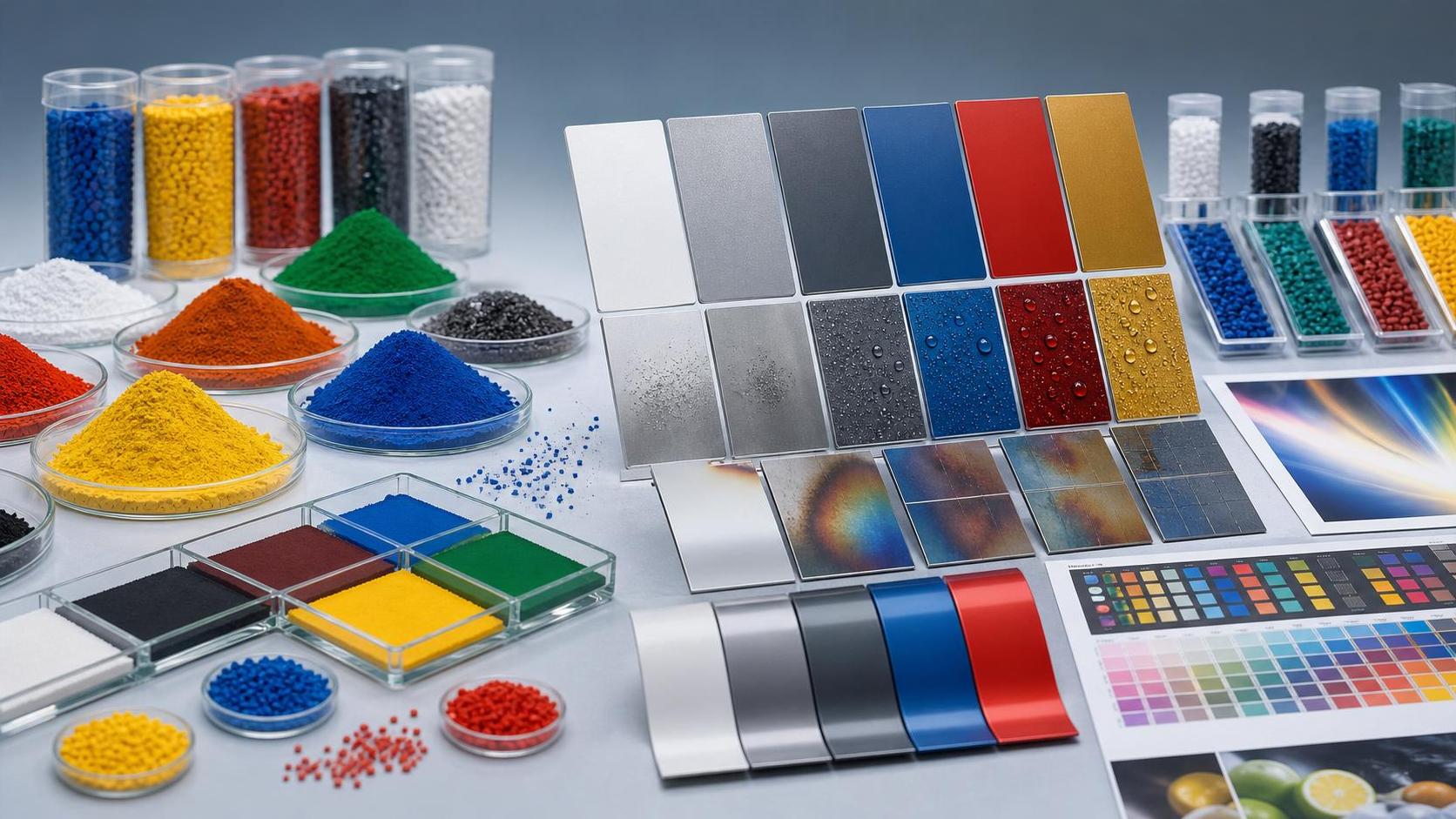
Organic vs Inorganic Pigments: Key Differences in Color, Heat Resistance, and Cost
Author
Date Published
Reading Time
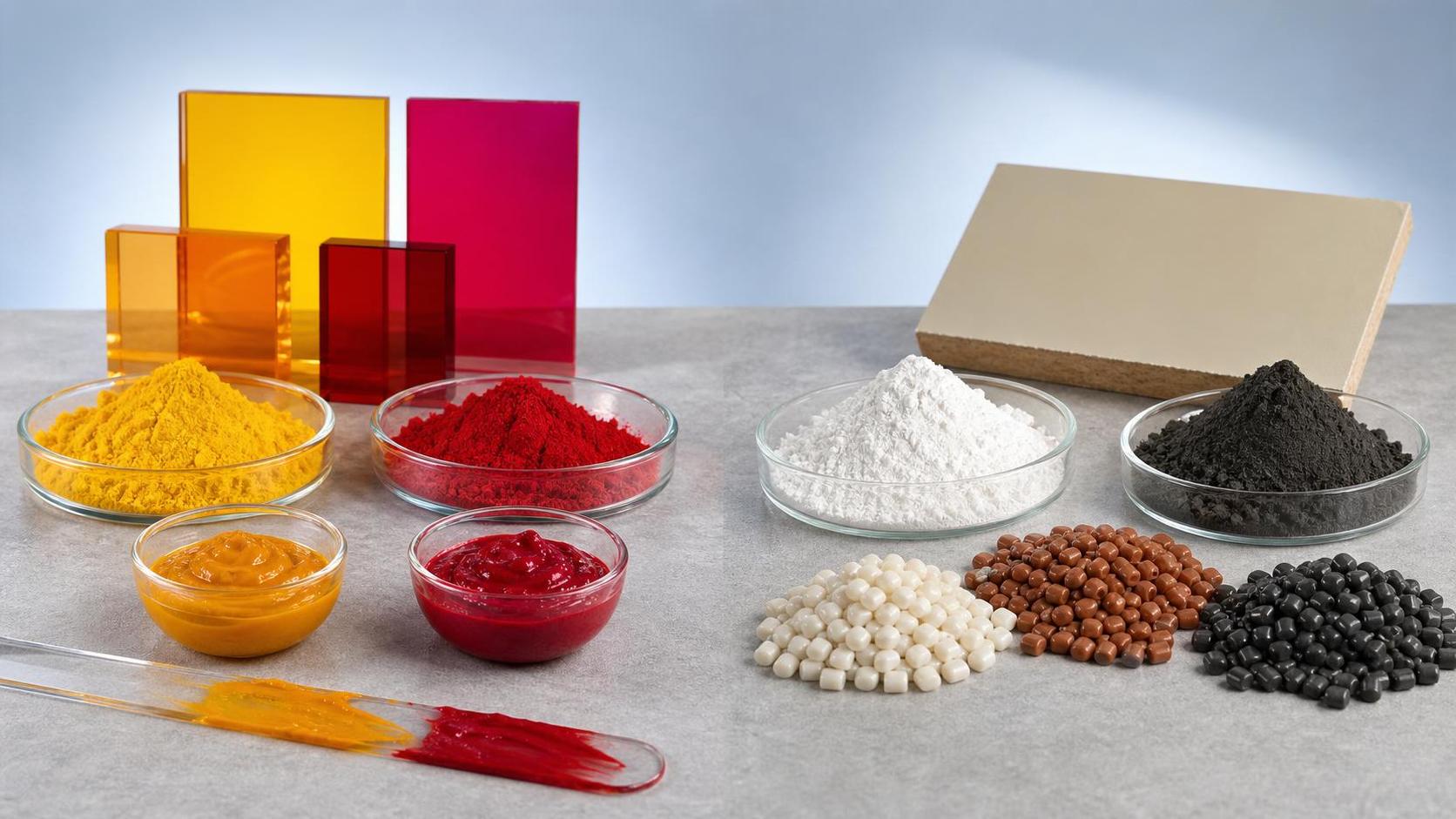
Choosing between organic and inorganic pigments is rarely a simple color decision. In coatings, plastics, inks, and construction materials, pigments influence shade, opacity, heat stability, outdoor durability, compliance, and total formulation cost. That makes the comparison commercially relevant as well as technical, especially when buyers are tracking performance against shifting raw material prices, standards, and supply risks.
What separates organic and inorganic pigments
The main difference starts with chemistry. Organic pigments are carbon-based compounds, while inorganic pigments usually come from mineral or metal oxide structures.
That chemical distinction affects how pigments behave in real formulations. It influences color strength, transparency, thermal stability, migration risk, and weathering performance.
Organic pigments are often selected for brighter, cleaner shades. Inorganic pigments are generally preferred when coverage, durability, and resistance to harsh processing matter more.
Color performance is usually the first dividing line
Organic pigments typically deliver higher tinting strength and more vivid hues. Strong reds, yellows, oranges, magentas, and intense blues often come from organic chemistry.
They can also offer cleaner undertones, which matters in decorative coatings, packaging inks, and consumer plastic parts where visual precision is closely controlled.
Inorganic pigments, by contrast, often produce earthier or more muted shades. Iron oxides, chromium oxides, ultramarines, and titanium dioxide are common examples.
Simple brightness does not tell the whole story. Some applications need hiding power more than chroma, and that is where inorganic pigments often gain an advantage.
Heat resistance changes the selection logic
Heat resistance is one of the clearest reasons to favor inorganic pigments. Many grades remain stable during high-temperature processing and maintain shade with less decomposition.
This becomes important in engineering plastics, powder coatings, ceramic materials, and any process involving elevated curing or extrusion temperatures.
Organic pigments vary widely. Some advanced grades perform well, but many standard products can shift color, bleed, or lose strength under heat stress.
For that reason, a pigment comparison should never stop at the color card. Processing temperature, residence time, and polymer compatibility need to be checked together.
Weathering and light exposure also matter
Outdoor performance can change the cost equation. Inorganic pigments often show stronger resistance to UV exposure, moisture, alkali, and long-term fading.
That is why they remain common in facade coatings, concrete products, roof materials, road markings, and other exposed construction uses.
Some organic pigments have good lightfastness, especially high-performance grades. Even so, durability depends heavily on binder choice, film build, and local climate conditions.
Cost is more than the price per kilogram
Inorganic pigments are often viewed as the economical option, especially in high-volume building materials and standard industrial coatings. Their cost profile can be attractive for broad coverage applications.
Organic pigments may carry a higher unit price, but higher color strength can reduce dosage. A more expensive pigment does not always create a more expensive finished product.
Freight, dispersion difficulty, waste rates, and reformulation risk should also be counted. In international sourcing, logistics constraints and regulatory documentation can influence landed cost as much as ex-works pricing.
- Check cost per finished color target, not just pigment price.
- Review batch consistency and shade reproducibility.
- Confirm compliance with regional chemical and heavy metal restrictions.
- Compare supplier support on dispersion, testing, and documentation.
Where each pigment type usually fits best
Organic pigments are often better suited to high-impact visual applications. Printing inks, masterbatch, decorative coatings, and branded packaging frequently rely on their stronger chroma.
Inorganic pigments are often stronger candidates for cement, pavers, exterior paints, industrial coatings, roofing products, and heat-exposed molded parts.
Some formulations use both. A blend can balance shade, opacity, weather resistance, and cost in a way that neither pigment family achieves alone.
A practical way to evaluate pigments
A sound evaluation starts with the end-use environment. Indoor and outdoor exposure, substrate type, curing temperature, and required service life should be defined before shortlisting pigments.
Then compare technical data against real sample testing. Lab values are useful, but drawdowns, molded plaques, accelerated weathering, and migration checks usually reveal the real trade-offs.
It is also worth tracking market signals. Price volatility in intermediates, mining inputs, energy, and freight can change the attractiveness of certain pigments over time.
The better next step is to build a decision sheet around target shade, heat resistance, weathering, compliance, and delivered cost. That framework makes supplier comparisons clearer and sourcing decisions more defensible.
Technical Specifications
- How to test melt flow consistency in batches of recycled plasticsAuthor :Polymers & Rubber Editorial Team
- When does a cast resin transformer need high-altitude derating?Author :Electrical Components Editorial Team
- How to verify Global Industrial Insights sourcing informationAuthor :Industrial Machinery Editorial Team
Expert Insights

Chief Security Architect
Dr. Thorne specializes in the intersection of structural engineering and digital resilience. He has advised three G7 governments on industrial infrastructure security.