How to Compare a PPR Pipes Supplier on Quality, Lead Time, and Price
Author
Date Published
Reading Time
How to Compare a PPR Pipes Supplier on Quality, Lead Time, and Price
Choosing the right PPR pipes supplier is not just about finding the lowest quote. For procurement professionals, the real challenge is balancing product quality, delivery reliability, and total cost to reduce project risk and secure long-term value. This guide explains how to compare suppliers more effectively, using practical criteria that support better sourcing decisions in a competitive global market.
When you compare suppliers, do not start with unit price. Start with failure cost. A cheap batch of PPR pipes that arrives late, has inconsistent wall thickness, or creates jointing problems on site will erase any savings very quickly. For buyers handling building services, plumbing distribution, or project procurement, the best supplier is usually the one that creates the fewest surprises.
Check the product before you compare the factory
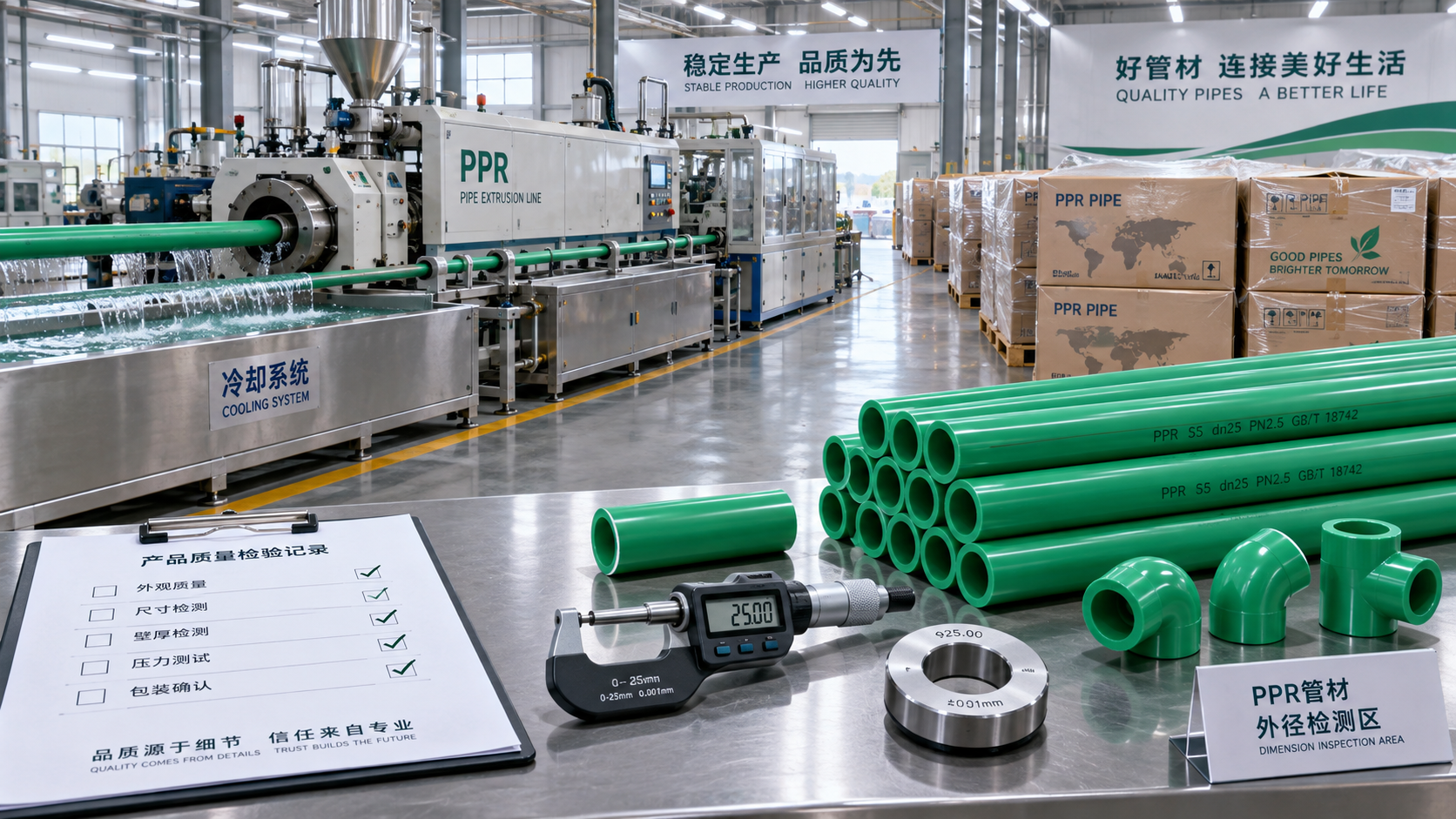
A common mistake is being impressed by factory photos and skipping the product details. With a PPR pipes supplier, begin with the actual specification match:
- Pipe series, diameter range, pressure rating, and application temperature
- Color requirements and marking format
- Compatibility with fittings, welding tools, and local installation practice
- Relevant standards claimed for the target market
If one supplier quotes PN20 and another quotes a different class without making it obvious, you are no longer comparing like for like. This happens more often than buyers admit, especially in mixed RFQ rounds where technical sheets are incomplete.
Ask for the latest technical data sheet, product marking details, and test report references tied to the exact item being quoted. Not a generic brochure. Not a certificate pack for a different range.
Quality signals that matter in real purchasing
For quality, buyers should look past polished sales language. The useful questions are boring, specific, and hard to dodge.
- Can the supplier provide traceability by batch or production date?
- Are raw material grades clearly identified, and is there consistency in sourcing? If they switch resin sources frequently, that deserves a closer look.
- Do sample pipes show clean surface finish, consistent dimensions, and legible permanent marking?
- Is third-party testing available for the specific standard claimed, and is it current? If the report date is old, verify whether the product design or material has changed since then.
If your market requires specific compliance documentation, verify exactly what is accepted by local buyers, consultants, or regulators. Requirements vary by country, and distributors sometimes discover too late that a document pack looked complete but did not satisfy project submission rules. Where the standard or certification claim is unclear, mark it as 【待核实】 and do not assume equivalence.
One more practical point: order samples from the shortlisted suppliers and let your technical team inspect weldability and fit-up. A pipe may look fine in a catalog and still create trouble during installation.
Lead time is not just the number on the quote
Many suppliers can promise 15 days. Fewer can ship in 15 days when the order includes mixed sizes, custom printing, or fittings packed by set. Procurement teams should separate three things: production lead time, booking lead time, and delivery reliability.
Ask what the lead time depends on. Is it based on standard white-label stock? Does it change during peak season? Are molds, cartons, or printing approvals included? A serious supplier will explain constraints instead of repeating a sales number.
If the project is schedule-sensitive, late delivery risk should be priced in. A slightly higher-priced supplier with predictable shipment discipline can be the lower-cost option in practice.
Compare total cost, not headline price
This is where many sourcing decisions drift off course. The lowest pipe price may come with thinner support on packaging, documentation, claims handling, or order accuracy. All of that lands on your side later.
When reviewing offers from a PPR pipes supplier, build a simple landed-cost view that includes packaging standard, loading efficiency, payment terms, inspection cost, defect risk, and likely reorder convenience. If you serve import distribution, also check whether the supplier understands palletization, labeling, and carton durability for your logistics chain. Breakage and relabeling are hidden costs.
Be careful with quotes that look unusually low but leave too much unspecified. In procurement, ambiguity is often where extra cost enters.
A few checks that save time later
- Test response speed during quotation. Slow replies before the order usually do not improve after payment.
- Confirm complaint handling steps in writing. Ask who approves replacements, credits, or claims.
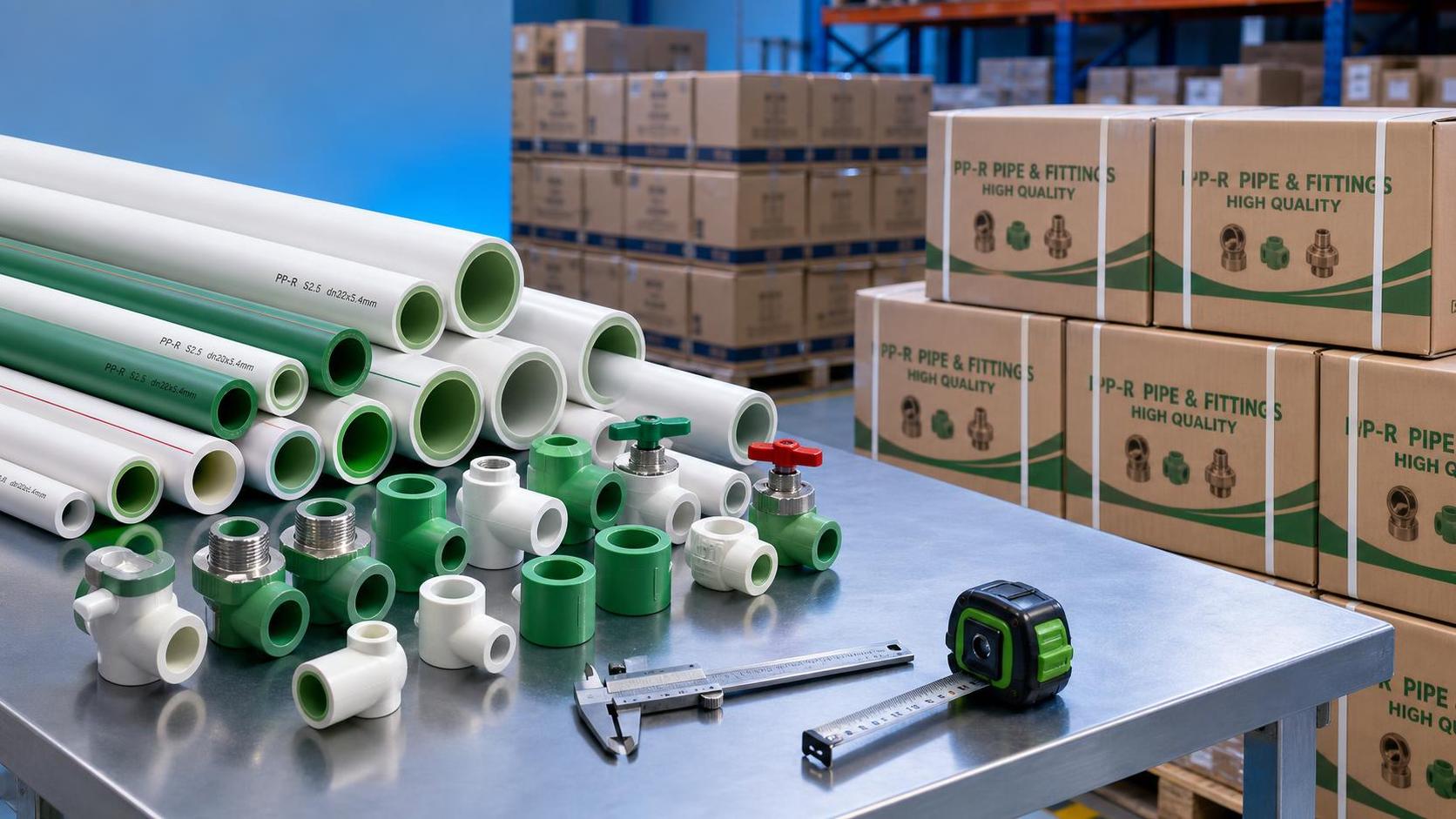
- Review packaging photos for the actual export setup, not showroom samples.
- If possible, start with a trial order covering multiple sizes. It exposes consistency issues better than a single sample piece.
In the end, comparing suppliers is less about finding the perfect factory and more about reducing avoidable risk. If one supplier is acceptable on quality, credible on lead time, and transparent on total cost, that usually beats a cheaper option that leaves too many blanks. For procurement teams, a reliable buying decision is often built from ordinary checks done carefully, not from one impressive sales pitch.
Technical Specifications
- How to test melt flow consistency in batches of recycled plasticsAuthor :Polymers & Rubber Editorial Team
- When does a cast resin transformer need high-altitude derating?Author :Electrical Components Editorial Team
- How to verify Global Industrial Insights sourcing informationAuthor :Industrial Machinery Editorial Team
Expert Insights

Chief Security Architect
Dr. Thorne specializes in the intersection of structural engineering and digital resilience. He has advised three G7 governments on industrial infrastructure security.