How to Choose Architectural Glass for Safety, Light Control, and Energy Use
Author
Date Published
Reading Time
How to Choose Architectural Glass for Safety, Light Control, and Energy Use
Choosing the right architectural glass can directly affect building safety, daylight performance, occupant comfort, and long-term energy costs. For project managers and construction decision-makers, understanding how glass types, coatings, and performance standards work together is essential for reducing risk and improving project outcomes. This guide explains the key factors to evaluate when selecting architectural glass for modern commercial and residential applications.
The first mistake on many projects is treating glass as a finish item instead of a building performance component. By the time procurement starts, the facade engineer, architect, MEP team, and contractor may already be working from different assumptions. That is where cost overruns and late substitutions begin. If you are selecting architectural glass, start by locking down what the glass actually needs to do on this project, not what worked on the last one.
Start with the real job of the glass
On paper, one glazing package can look similar to another. In use, the difference is obvious. A south-facing office tower, a hospital atrium, a school corridor, and a balcony door do not ask for the same balance of strength, visible light, solar control, acoustics, and breakage behavior.
- Is it overhead, vertical, interior, or in a guardrail or balustrade application?
- Is occupant impact a concern?
- Does the facade need to reduce cooling load, glare, or winter heat loss?
- Will the space depend heavily on daylight?
- Are there appearance constraints such as color neutrality, reflectivity, or consistency across elevations?
Those questions narrow the field quickly. If the team cannot answer them clearly, the glass schedule is not ready.
Do not treat safety glass as optional detail
Safety comes before aesthetics. In many markets, code requirements for tempered, heat-strengthened, or laminated glass depend on location and use. Impact-prone areas, doors, sidelites, low-level glazing, overhead glazing, and railing systems often trigger stricter requirements. Exact thresholds and compliance routes vary by jurisdiction, so project teams should verify the applicable building code and referenced standards early.
A practical rule: when breakage behavior matters, ask what happens after failure. Tempered glass breaks into small pieces, but it does not stay in place. Laminated glass may remain adhered to the interlayer, which can be critical in overhead or fall-protection situations. Heat-strengthened glass is not a substitute for tempered safety glazing where impact-safety compliance is required. That confusion still shows up in bid-stage substitutions.
Check light transmission and glare together
Project teams often ask for “more natural light” and “less heat” in the same sentence. That is possible, but not automatically. Visible light transmittance and solar control need to be reviewed together, especially on facades with long sun exposure.
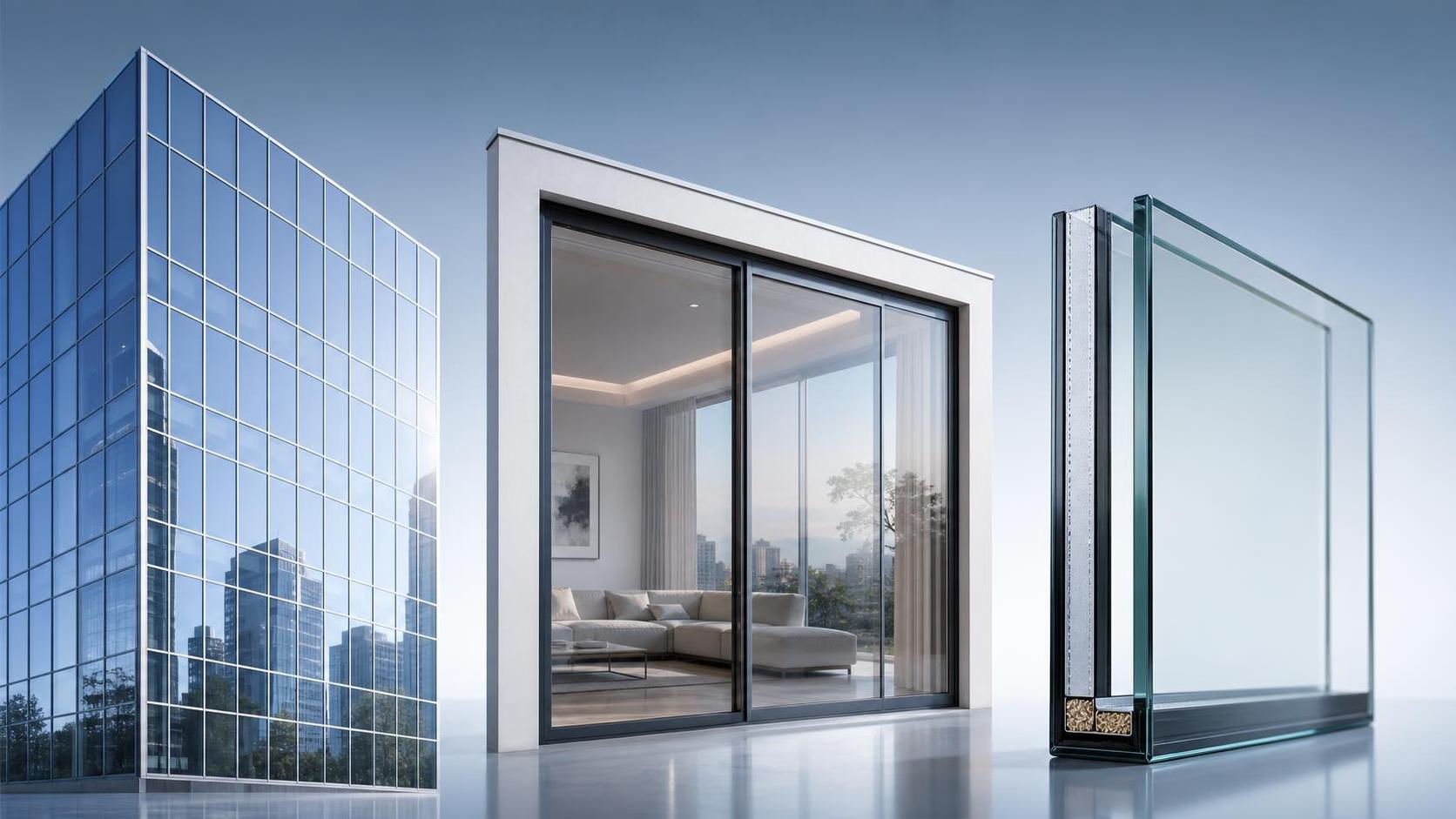
If the building has open-plan offices, classrooms, or residential living spaces, glare complaints can become an operational issue long after handover. Low-E coated insulating glass units are common for managing heat transfer, but not all coatings behave the same way in appearance or solar performance. Ask for project-specific performance data from the manufacturer and confirm that the selected coating aligns with orientation, shading devices, and interior use. A sample viewed indoors under diffuse light is not enough.
Energy numbers matter, but the assembly matters more
Do not evaluate architectural glass by center-of-glass values alone. U-factor, solar heat gain coefficient, and related thermal metrics should be considered at the glazing system level where possible, because framing, spacers, installation quality, and seal durability all affect the result. This is one reason why a good glass specification can still underperform in the field.
For imported products, it is worth confirming which testing basis is being referenced. Some suppliers quote values under one regional method while the project consultant is reviewing another. That can create false comparisons. If the project requires compliance with NFRC, EN, ASTM, or other standards, name that clearly in tender documents and submittal reviews.
Watch for edge conditions, thickness, and fabrication limits
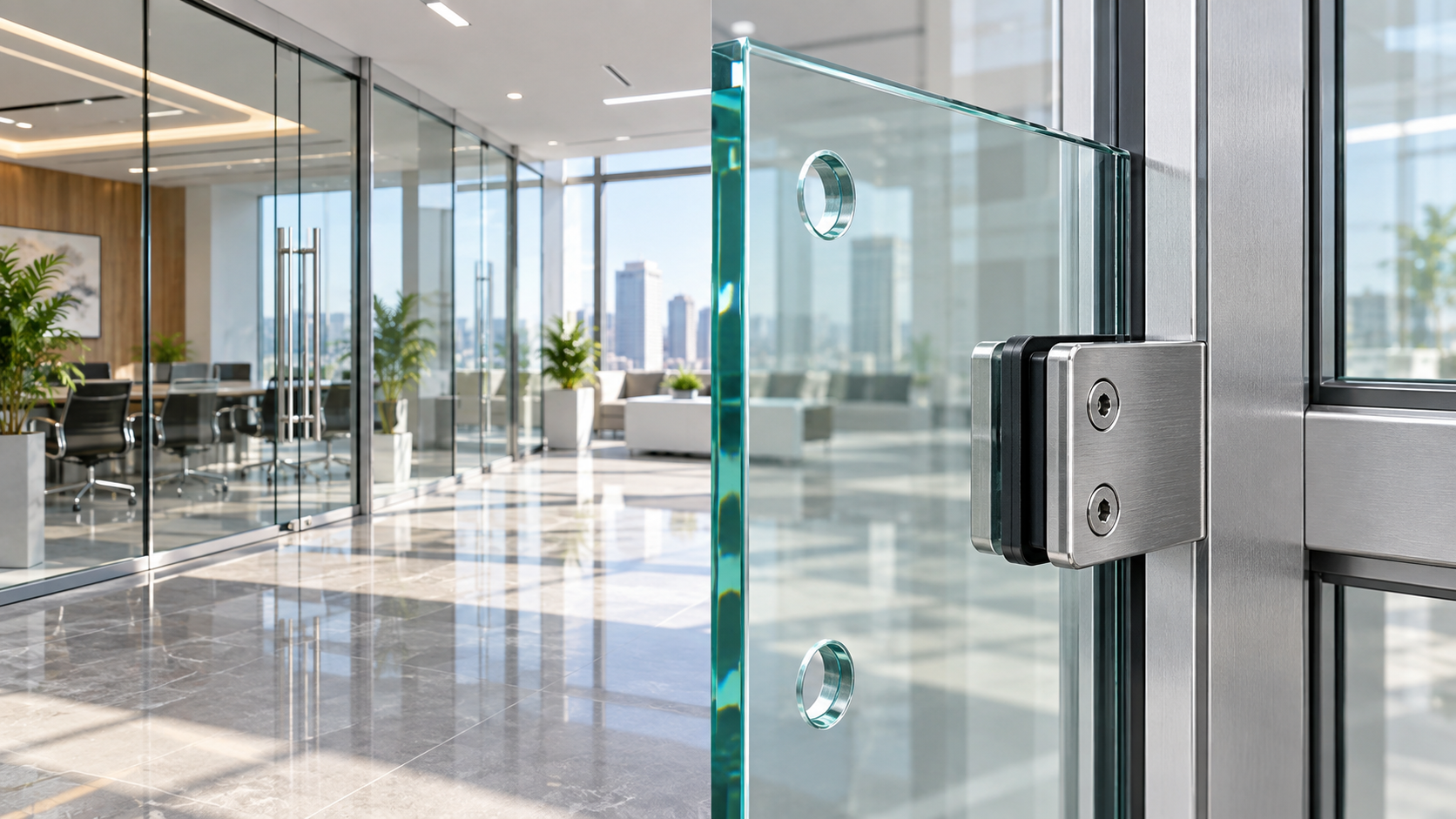
A lot of glass problems are not really material problems. They are design-detail problems. Large formats, exposed edges, drilled holes, notches, tight tolerances, and mixed hardware systems all raise the fabrication risk. The more customized the panel, the earlier you should speak with the processor.
Ask these before approving shop drawings:
- Can the required size and thickness be processed locally, or will it depend on a longer supply chain?
- Are there roller-wave, anisotropy, or distortion concerns for heat-treated glass?
- Does the design require heat soak testing? This should follow project specification, not assumption.
- Have edgework and interlayer compatibility been checked for the intended exposure?
These are not minor technicalities. They affect lead time, replacement risk, and visual acceptance.
Acoustics and maintenance deserve an early decision
If the site is near traffic, rail, or mixed-use streets, acoustic performance should be discussed early. Laminated glass with appropriate interlayers may help, but acoustic performance depends on the full assembly, not a single product claim. The same goes for maintenance. Highly reflective or coated surfaces may show dirt, sealant smears, or color shift more readily than expected. In coastal or polluted environments, cleaning access and long-term surface durability need to be part of the selection conversation.
Before you sign off, review this short decision checklist
- Code and safety requirements are mapped to each location of use.
- Performance targets for daylight, glare, and thermal control are written down, not implied.
- Test standards and certification basis are aligned with the project market.
- Mock-up expectations and visual quality criteria are agreed before mass production.
- Lead time, breakage replacement, and source-of-supply risk are understood.
Good architectural glass selection is rarely about finding the most advanced product on a datasheet. It is about matching the glass build-up to the real exposure, the code environment, the facade system, and the operating needs of the building. When those pieces line up early, the project usually avoids the expensive arguments that happen later.
Technical Specifications
- How to test melt flow consistency in batches of recycled plasticsAuthor :Polymers & Rubber Editorial Team
- When does a cast resin transformer need high-altitude derating?Author :Electrical Components Editorial Team
- How to verify Global Industrial Insights sourcing informationAuthor :Industrial Machinery Editorial Team
Expert Insights

Chief Security Architect
Dr. Thorne specializes in the intersection of structural engineering and digital resilience. He has advised three G7 governments on industrial infrastructure security.