Marble Stone Price: What Changes Cost Across Grade, Finish, and Origin?
Author
Date Published
Reading Time
Marble Stone Price: What Changes Cost Across Grade, Finish, and Origin?
For finance approvers evaluating procurement budgets, marble stone price is rarely a simple number. It shifts with material grade, surface finish, quarry origin, freight conditions, and supply availability. Understanding what drives these cost differences helps buyers compare quotations more accurately, control project risk, and avoid hidden expenses before approval. This article breaks down the key pricing variables that matter most in commercial purchasing decisions.
Start with the grade, not the sample photo
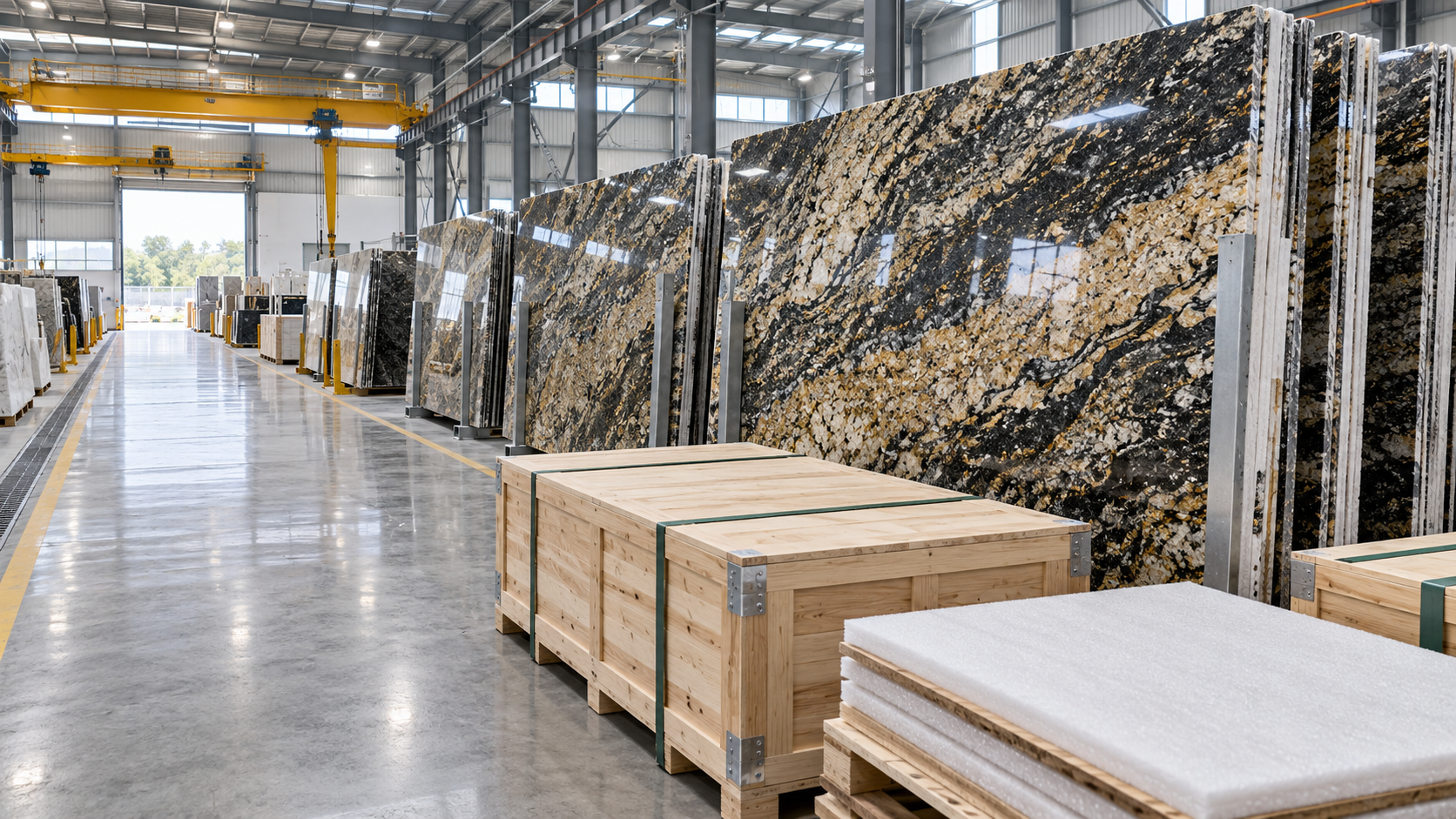
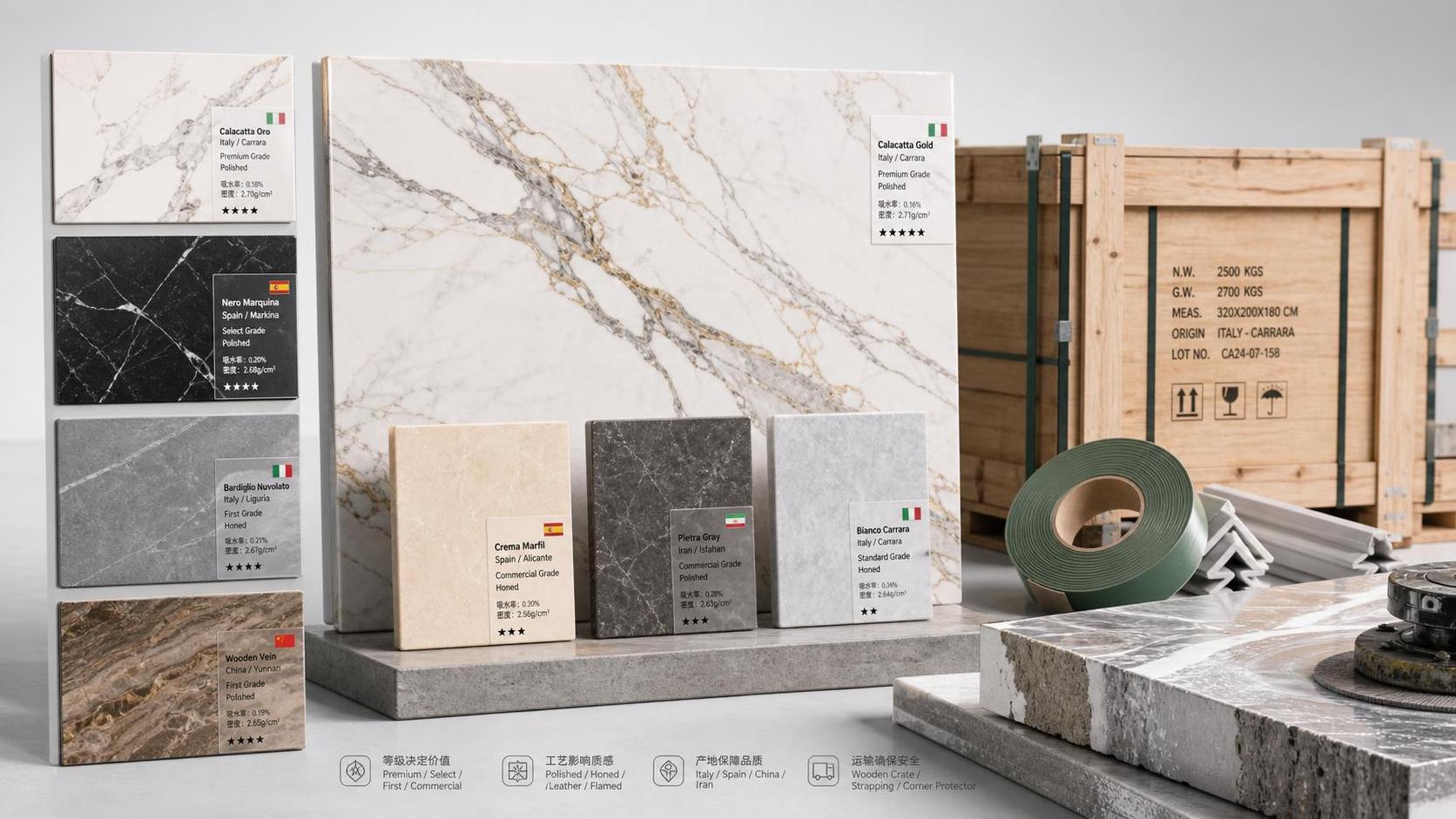
A polished showroom sample can hide the biggest cost driver: grade selection. In marble, grade usually affects visual consistency, crack lines, resin filling, color deviation, and how much usable material can be cut from a block. That is why two quotes for what looks like the same stone can land far apart.
When reviewing supplier offers, ask what the grade actually means in that supplier’s system. Many exporters use internal commercial grading, not a universal standard. If the quotation only says “A grade” without slab photos, defect allowance, or variation range, the price is not fully comparable. For budget approval, that is a red flag. A lower entry price can quickly become expensive if site teams reject too many slabs after arrival.
- Check whether the grade controls color uniformity.
- Confirm if natural veining, pits, resin lines, or micro-cracks are accepted.
- Ask for slab-by-slab approval if the project needs visual matching across a lobby, facade, or large floor area.
Finish changes both price and waste
Finance teams often focus on stone type and miss the finish. That is a mistake. Polished, honed, brushed, leathered, sandblasted, and antique finishes do not carry the same processing cost, yield rate, or risk profile. Some finishes require extra passes, more labor, and tighter quality control. Others expose natural defects that were less visible before processing.
There is also a practical issue: certain finishes can reduce the number of saleable slabs if breakage or surface inconsistency rises during processing. So the marble stone price you see on a quote may already include the supplier’s expected waste factor.
If the finish is part of the architect’s intent, make sure approval is based on the final finish, not the base slab alone.
Origin matters beyond reputation
Quarry origin affects price for obvious reasons such as brand recognition and transport distance, but also for less visible ones: extraction difficulty, block size, seasonal output, and export channel stability. Italian, Turkish, Greek, Spanish, Indian, and other origins each have different supply patterns, but no origin is automatically “better value.” The right question is whether the source can support your required volume and quality window at the same time.
For example, a famous origin may carry a premium because buyers trust consistency and resale acceptance. That premium can be justified on landmark or hospitality projects where replacement matching matters later. On a cost-controlled commercial job, a less famous origin may be acceptable if technical requirements are met and slab range is reviewed carefully.
Do not approve based on country name alone. Ask whether the supplier is quoting ex-quarry block, processed slab from a third-party factory, or finished cut-to-size material. The supply chain stage changes risk and price.
Thickness, cut-to-size work, and edge details move the number fast
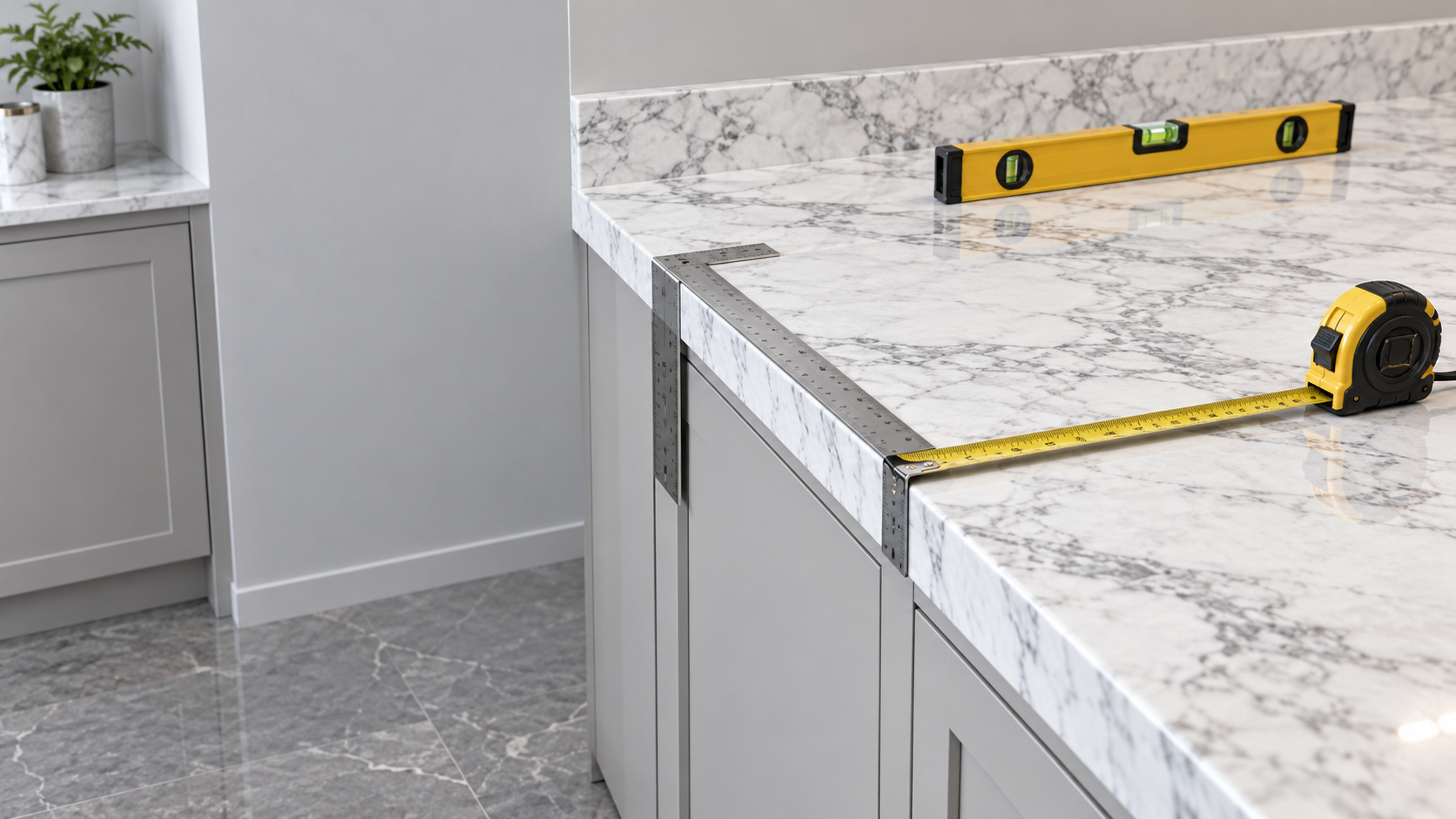
A finance review should separate slab price from fabricated stone price. Once the order moves from standard slabs to cut-to-size panels, vanity tops, stair treads, skirting, waterjet shapes, or book-matched installations, labor content rises quickly. So does waste. Narrow pieces and complicated layouts usually mean more offcut loss, even if the supplier does not show it line by line.
Useful checkpoint: ask for yield assumptions. If the quotation covers custom fabrication, request the supplier’s basis for measurement, extra percentage for breakage, and whether edge polishing, sink cutouts, backing mesh, or reinforcement are included. Many approval disputes come from these missing details rather than the stone itself.
Freight and packing can erase a “good” unit price
Marble is heavy, fragile, and expensive to re-ship. A low material price can lose its advantage once ocean freight, inland trucking, crating, fumigation requirements where applicable【待核实 by destination and packing material】, insurance, and port handling are added. For import budgets, this is often where the gap between quoted price and landed cost appears.
Also check the trade term. FOB, CIF, EXW, and DDP are not interchangeable budgeting shortcuts. They shift responsibility for freight booking, customs exposure, and damage claims. If your internal approval compares suppliers using different Incoterms, the result is unreliable.
Availability risk has a price, even when it is not shown
Some marble varieties are geologically limited or intermittently extracted. Others are widely available but inconsistent by lot. In both cases, delayed replenishment can cost more than the original purchase. If a project may need phased delivery or later maintenance stock, build that into approval discussions early.
A practical question for suppliers is simple: can they reserve matching material from the same lot, and for how long? If the answer is vague, do not assume future replacement will match the first shipment.
What finance approvers should verify before signing off
- Quoted unit basis: per square meter, square foot, slab, or project package.
- Material scope: raw slab, finished slab, or fabricated item.
- Grade definition and acceptable variation range.
- Final finish and sample approval method.
- Thickness, edge profile, reinforcement, and cutout inclusions.
- Packaging method and claim responsibility for transit damage.
- Incoterm, currency, and validity period of the offer.
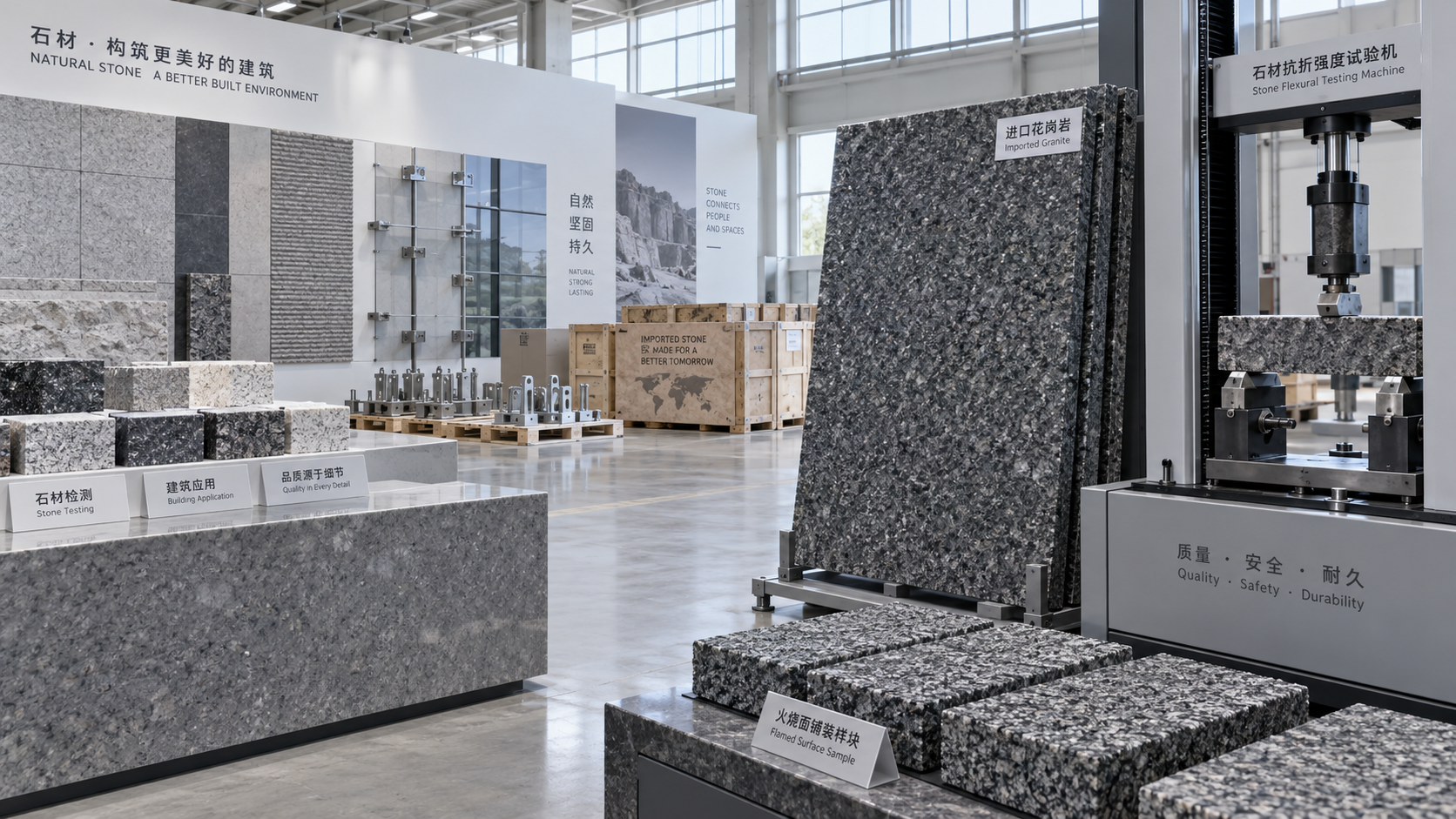
- Whether testing, compliance documents, or project-specific technical submittals are required by the buyer or local authority. Exact requirements vary by market and should be checked against contract documents and local rules.
The cleanest approval decision usually comes down to this: do not treat marble stone price as a single material number. Treat it as a package of grade, finish, origin, processing, logistics, and replacement risk. Once those are visible, supplier comparisons become much easier, and budget approvals are less likely to face unpleasant revisions later.
Technical Specifications
- How to test melt flow consistency in batches of recycled plasticsAuthor :Polymers & Rubber Editorial Team
- When does a cast resin transformer need high-altitude derating?Author :Electrical Components Editorial Team
- How to verify Global Industrial Insights sourcing informationAuthor :Industrial Machinery Editorial Team
Expert Insights

Chief Security Architect
Dr. Thorne specializes in the intersection of structural engineering and digital resilience. He has advised three G7 governments on industrial infrastructure security.
Core Sector // 01
Security & Safety
- How to measure for cut-to-size marble before placing an orderAuthor :Construction Materials Editorial Team

- What to verify before placing an order with a ceramic tiles supplierAuthor :Construction Materials Editorial Team

- How to prevent outdoor porcelain tiles from cracking in freeze-thaw conditionsAuthor :Construction Materials Editorial Team

- How to assess quality consistency from a granite exporter in BrazilAuthor :Construction Materials Editorial Team

- Which compliance standards apply to imported granite for building projects?Author :Construction Materials Editorial Team

- How to choose ceramic tiles for bathroom floors with better slip resistanceAuthor :Construction Materials Editorial Team

- When are porcelain wall tiles the right choice for shower walls?Author :Construction Materials Editorial Team

- How to choose porcelain floor tiles for high-traffic areasAuthor :Construction Materials Editorial Team