Düsseldorf Lubricant Expo 2026 to Spotlight Dual-Track Lubrication for ICE and Electrified Powertrains
Author
Date Published
Reading Time
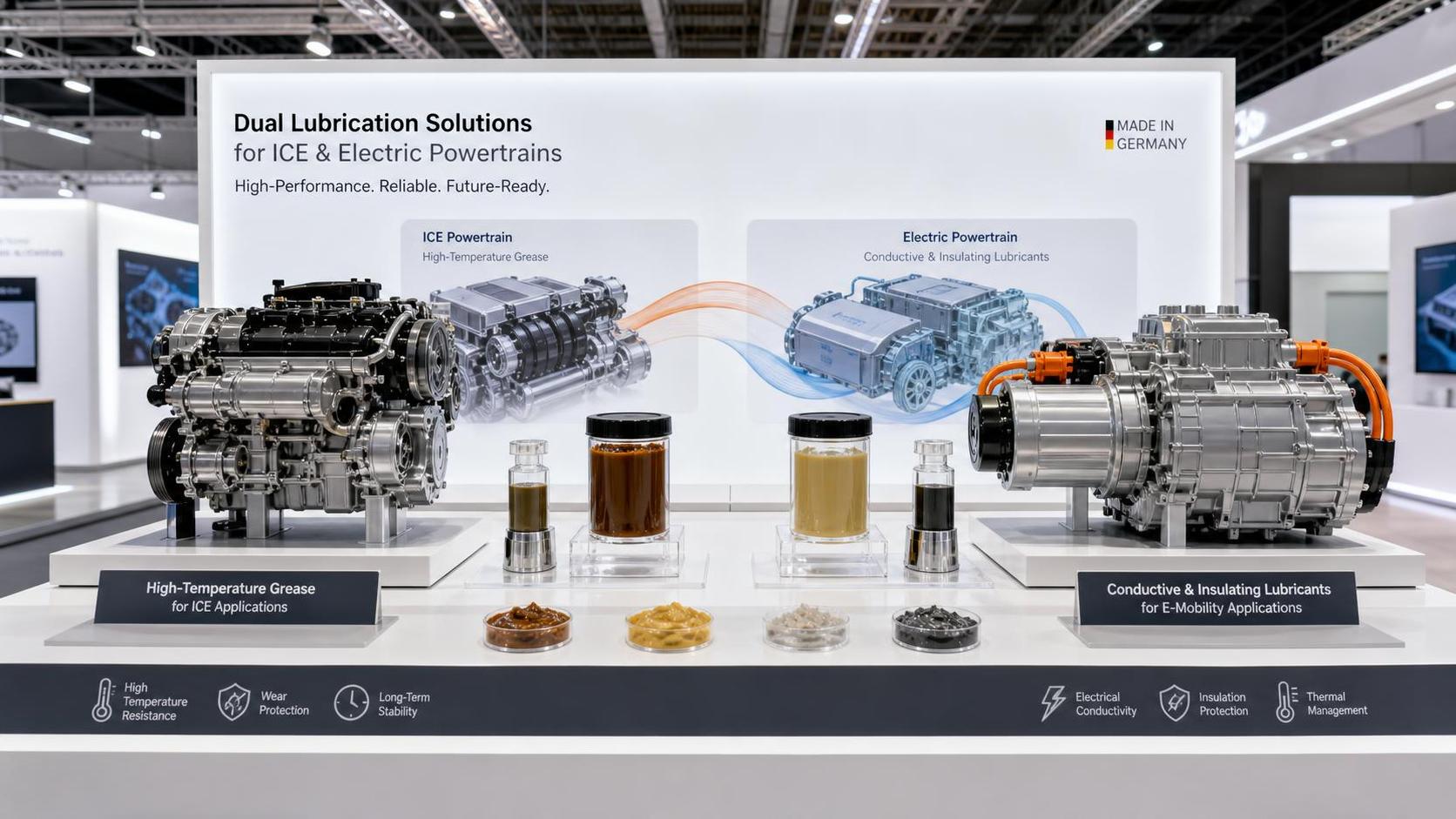
The upcoming LUBRICANT EXPO EUROPE in Düsseldorf, scheduled for September 15–17, 2026, is set to address one of the most pressing technical challenges facing the lubricants industry: how to serve a powertrain landscape that is simultaneously evolving in two directions. With regulatory policies on internal combustion engines (ICE) seeing a partial reversal in some markets, and electric vehicle (EV) adoption continuing to climb, the industry can no longer afford to focus on a single trajectory.
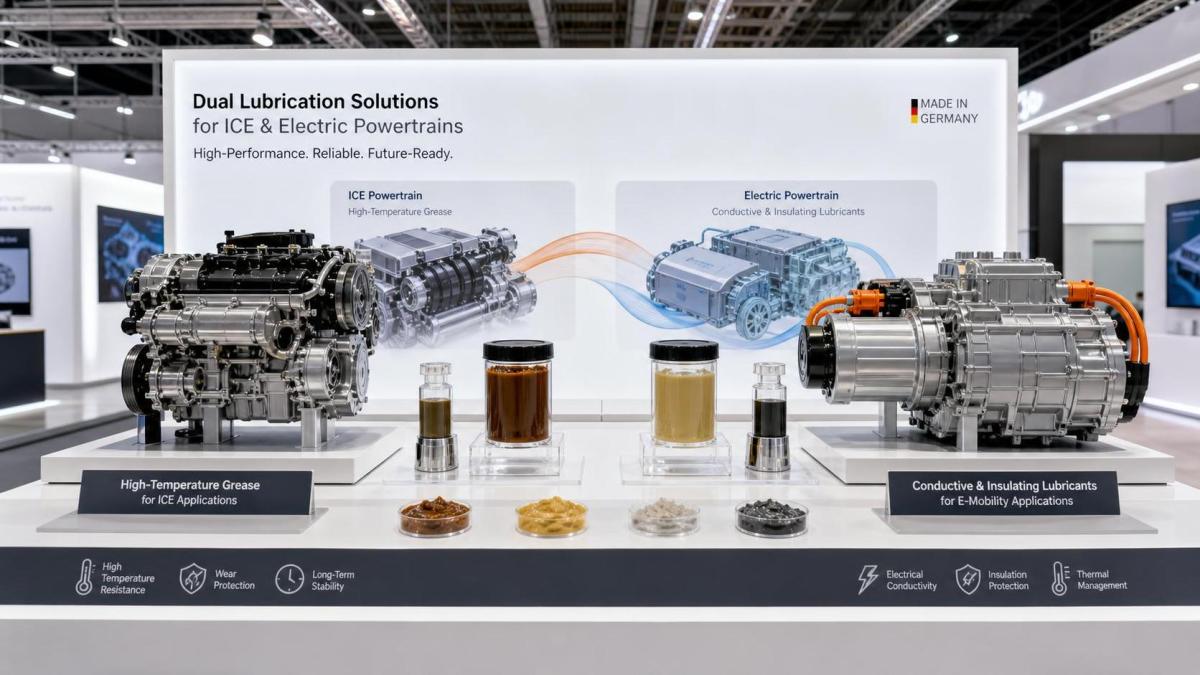
Dual-Track Technology Takes Center Stage
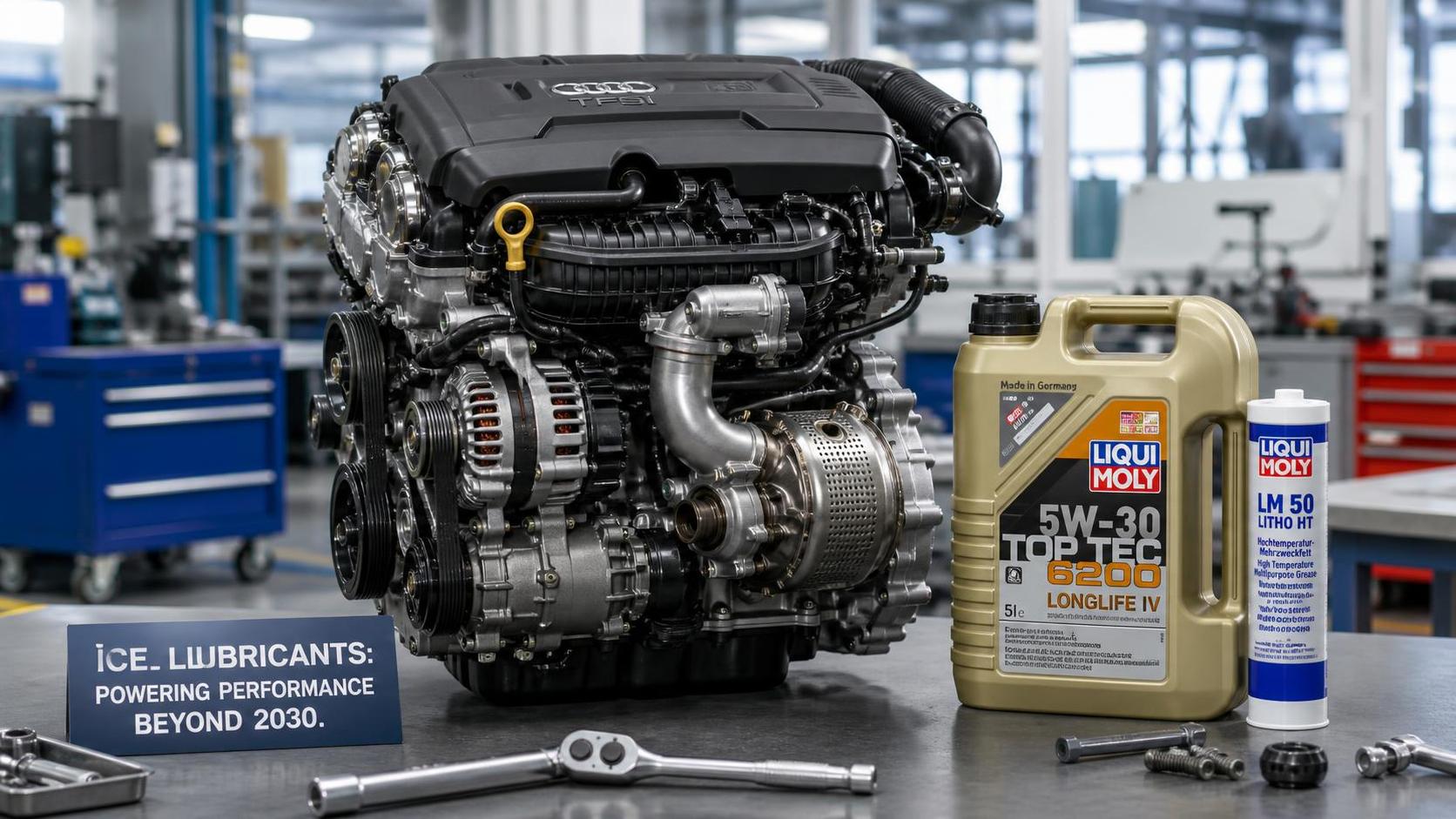
According to early information released by the event organizers, the 2026 edition will place a strong emphasis on lubrication technologies designed for both conventional ICE vehicles and the rapidly expanding hybrid and fully electric vehicle segments. This dual-track approach reflects a growing understanding among lubricant formulators and OEMs that the market will not transition to a single powertrain type overnight.
Several product categories are expected to draw particular attention at the show:
- High-temperature greases suited for the thermal management demands of next-generation electric motors and power electronics.
- Conductive and insulation-compatible lubricants that can safely operate in high-voltage environments without compromising electrical integrity.
- Low-volatility, noise-reducing lubricants designed for gearboxes and driveline components where acoustic performance is becoming a key quality metric.
Addressing Global Pain Points
Beyond product launches, the expo will serve as a platform for industry-wide discussion on several unresolved technical hurdles. Among the most critical are water ingress issues in hybrid powertrains, where moisture can compromise lubricant performance and lead to premature component failure. The absence of a standardized testing framework for EV-specific lubricants and fluids is another major topic that the sector is still grappling with, as the lack of clear benchmarks makes it difficult for formulators and end-users alike to compare products on a like-for-like basis.
These challenges are not limited to a single region; they represent global pain points that lubricant manufacturers, additive suppliers, and automotive engineers must solve collectively. The Düsseldorf event is expected to bring together these stakeholders to share findings and explore potential pathways toward standardization.
What This Means for Industry Participants
From the current information available, the 2026 expo signals that the lubricants industry is moving beyond a simple "ICE vs. EV" narrative. The reality is more nuanced. Even as some markets see a slowdown in the phasing out of ICE vehicles, the electrification of auxiliary systems and the growing share of hybrids mean that lubricants must perform across a broader range of operating conditions.
For suppliers and formulators, this shift implies a need for greater R&D investment in multifunctional products that can deliver consistent performance across different powertrain architectures. It also suggests that the ability to demonstrate compatibility with both conventional and high-voltage systems will become a competitive differentiator in the coming years.
Looking Ahead
While the full program and exhibitor list for the 2026 LUBRICANT EXPO EUROPE have not yet been released, the focus areas outlined so far offer a clear indication of where the industry is heading. Further details on technical sessions, standards discussions, and new product demonstrations are expected to emerge from official announcements and industry media coverage in the lead-up to the event. Stakeholders would do well to monitor these developments closely, as the outcomes of these discussions could influence formulation strategies and regulatory compliance approaches for years to come.
Technical Specifications
- How to test melt flow consistency in batches of recycled plasticsAuthor :Polymers & Rubber Editorial Team
- When does a cast resin transformer need high-altitude derating?Author :Electrical Components Editorial Team
- How to verify Global Industrial Insights sourcing informationAuthor :Industrial Machinery Editorial Team
Expert Insights

Chief Security Architect
Dr. Thorne specializes in the intersection of structural engineering and digital resilience. He has advised three G7 governments on industrial infrastructure security.
Core Sector // 01
Security & Safety
- How supply disruptions in the manufacturing supply chain affect lead timesAuthor :Global Industrial Core Editorial Team

- Can Global Industrial Insights price tracking be relied on for sourcing?Author :Global Industrial Core Editorial Team

- EU Revises ICE Ban: 90% Target Replaces 100% Phase-Out, Extending Lubricant Demand Through 2030+Author :Global Industrial Core Editorial Team

- Methyl Methacrylate Supply: Navigating Regulatory Standards and Export Compliance for Industrial ApplicationsAuthor :Global Industrial Core Editorial Team

- Guangzhou Qingfanxiang Secures Multiple Patents for Smart Lubricant Production, Enhancing Additive Dosing Precision and Batch ConsistencyAuthor :Global Industrial Core Editorial Team

- Multiethylene Polyamine Supply Update: Regulatory and Compliance Considerations for Epoxy Curing Agents and N-Containing Extreme Pressure AdditivesAuthor :Global Industrial Core Editorial Team

- DuPont Delrin® POM 150 NC010 Now Available Domestically, Offering 20% Cost Reduction Over Traditional PlasticsAuthor :Global Industrial Core Editorial Team

- 2026 China Cable Lubricant Market CAGR Estimated at XX%, Power and New Energy Emerge as Key Growth EnginesAuthor :Global Industrial Core Editorial Team