Which local safety approvals apply to imported power supplies
Author
Date Published
Reading Time
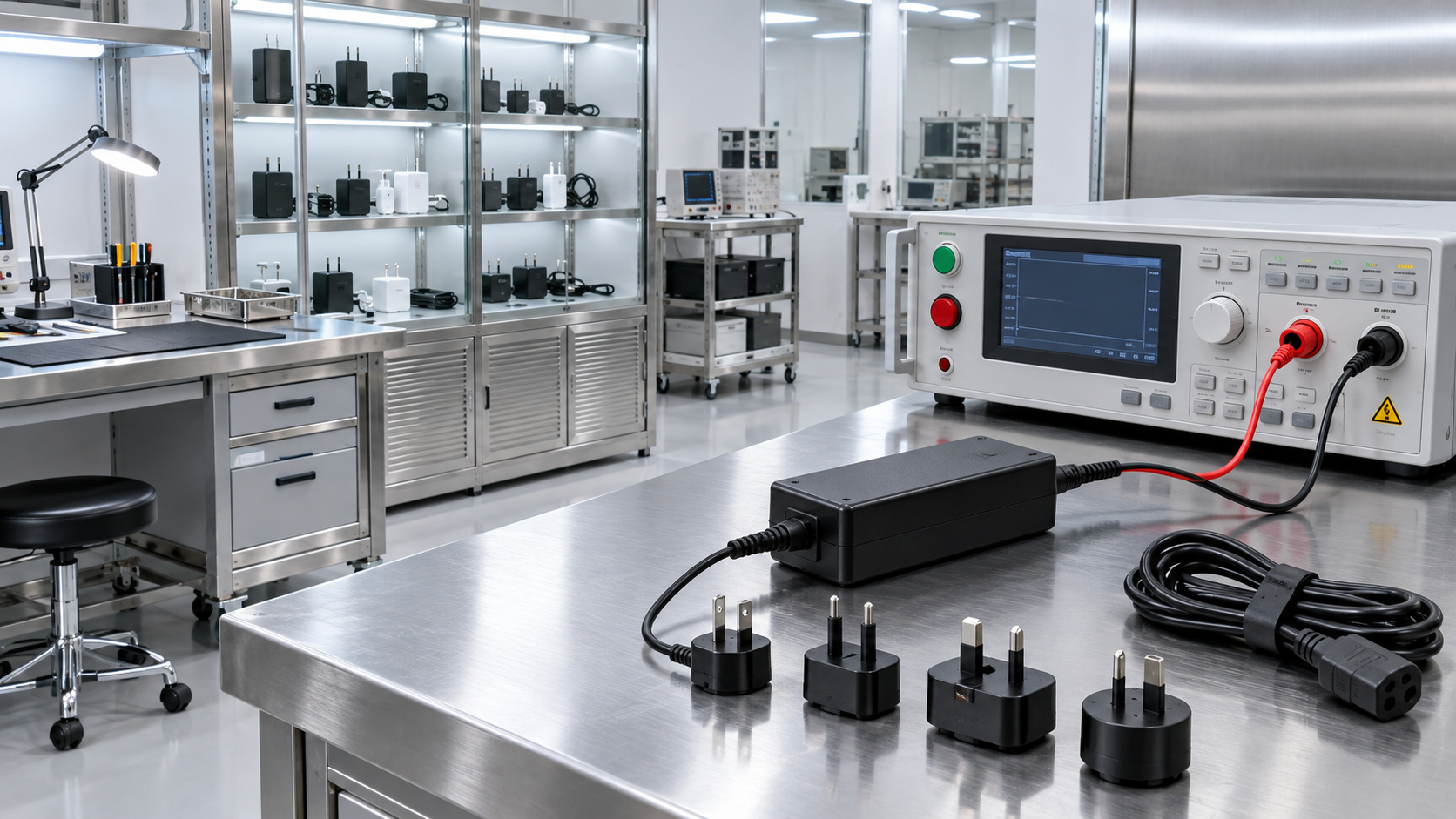
Do imported power supplies need local safety certification? For quality control and safety managers, the answer is usually “yes, or at least a market-recognized approval route must be assessed”—but the exact requirement depends on where the unit will be sold, whether it is an external adapter or an internal component, its input and output characteristics, and the end-use product.
A power supply can pass a factory inspection, carry an international CB report, and still be stopped by a distributor, customs authority, retailer, electrical inspector, or project consultant. The costly part is rarely the test fee alone. It is discovering, after tooling and shipment, that the plug is wrong, the national deviation was missed, the certification mark is not valid for the local channel, or the approval applies only to the power supply as a component rather than as a standalone product.
For imported AC/DC adapters, switch-mode power supplies, chargers, LED drivers, and embedded power modules, compliance must be treated as a market-entry decision rather than a label added at the end of production.
The first question: what exactly is being imported?
“Power supply” covers several very different regulatory situations. An external desktop adapter supplied to an end user is generally subject to more direct scrutiny than an enclosed PSU shipped to an OEM for installation inside certified equipment. A DIN-rail power supply for industrial control panels may face both product approval expectations and installation-code requirements. A USB charger, meanwhile, can fall under consumer product safety, energy efficiency, electromagnetic compatibility, and wireless rules if it includes communication functions.
Before selecting a certification route, classify the product in practical terms:
- External power adapter, battery charger, or plug-in transformer
- Internal open-frame, enclosed, or board-mounted power supply
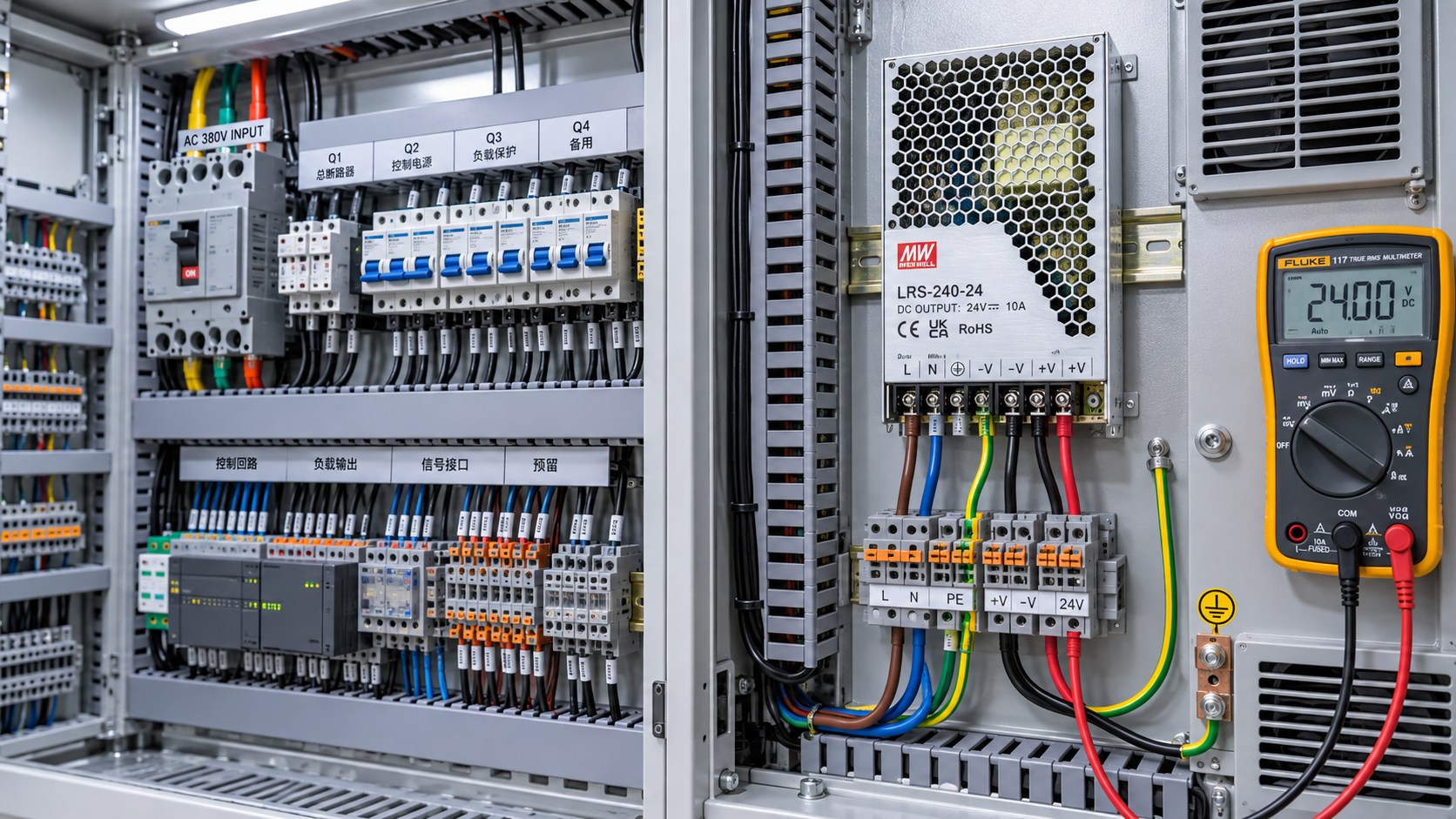
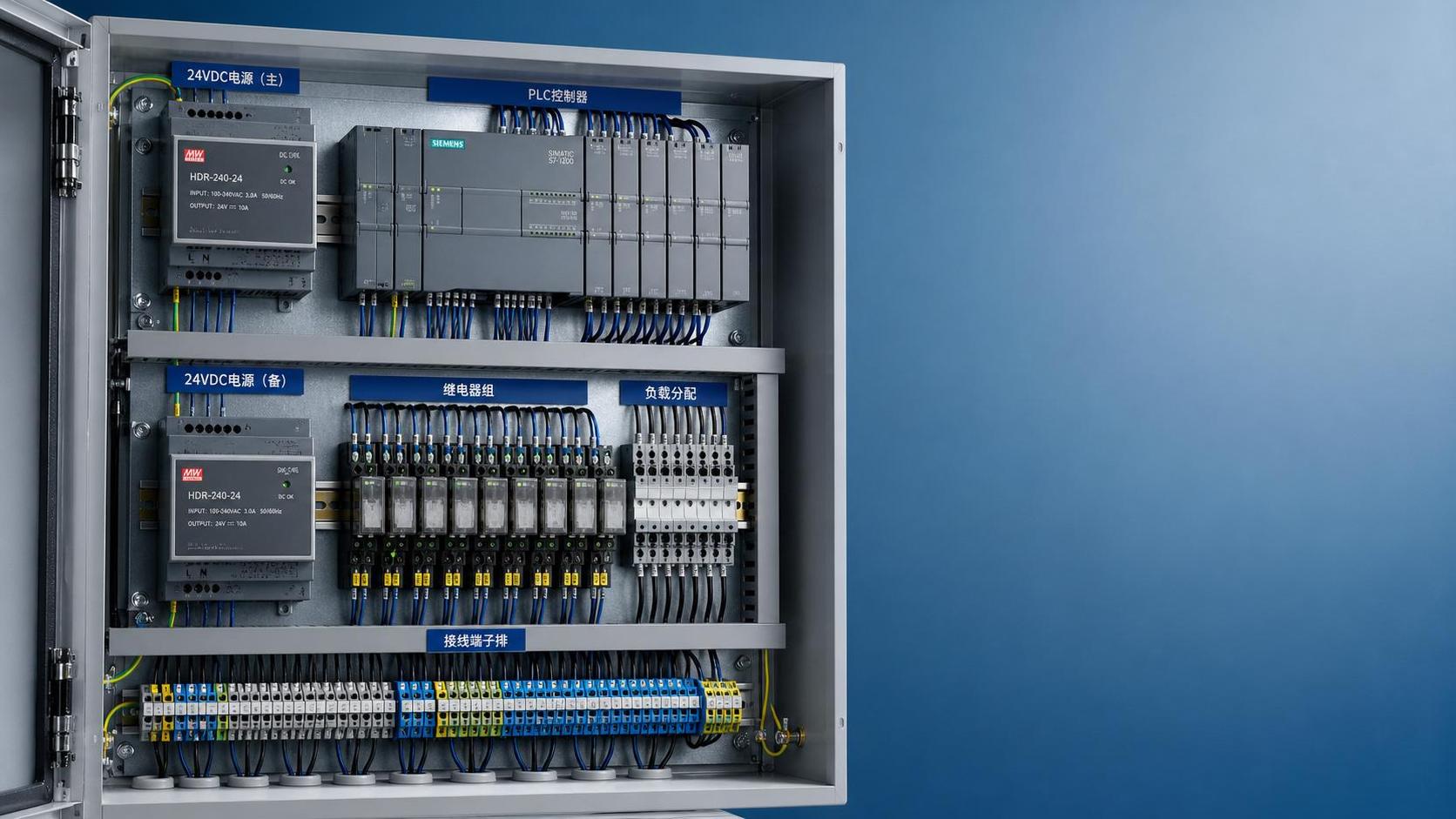
- Industrial DIN-rail or control-panel power supply
- LED driver, medical-grade supply, IT/AV supply, or household appliance supply
- Directly mains-connected product or low-voltage output device
- Consumer retail item, OEM component, or equipment supplied only to professional installers
This classification affects the applicable standard family, the documentation expected by buyers, and whether local authorities require a third-party mark, a registration, a supplier declaration, or a combination of these.
Local approval is not the same thing as an IEC test report
International IEC standards provide a common technical foundation, but an IEC or CB test report is not automatically a licence to sell. Many markets base their national requirements on IEC standards, often with national deviations, local plug rules, marking language, registration steps, or in-country representative obligations.
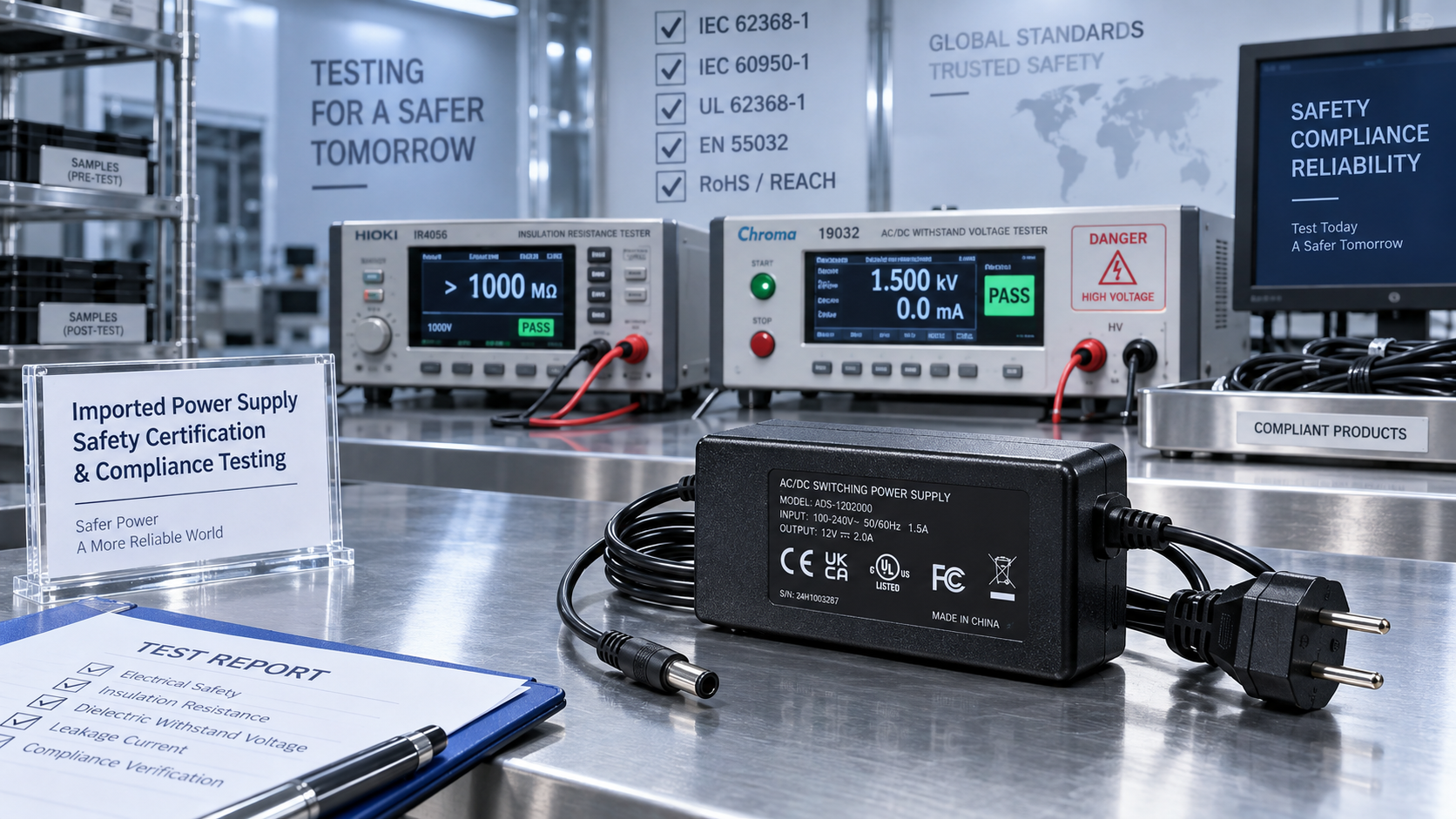
For modern ICT and audio/video-related power supplies, IEC 62368-1 is commonly relevant. Other applications may call for IEC 61558 series requirements for transformers and power supply units, IEC 60601-1 for medical electrical equipment, IEC 60335-1 for household appliances, or application-specific standards. The correct standard depends on the intended use, not simply on the manufacturer’s preferred test route.
A CB Scheme certificate and report can significantly reduce duplicated testing. It gives a national certification body a reviewed technical file to work from. Yet it does not replace a US NRTL mark, Canadian certification, Japanese PSE approval, Korean KC process, or other mandatory local scheme where one applies.
What major destination markets typically expect
This summary is a screening tool, not a substitute for a formal scope decision. Approval routes change, and the same product may be handled differently depending on whether it is sold to consumers, installed in a machine, or delivered as a replacement part.
United States and Canada: “UL listed” is not a complete answer
In North America, buyers often ask whether a power supply is “UL approved.” That phrase is convenient but imprecise. A product may be UL Listed, ETL Listed, CSA certified, UL Recognized, or evaluated under another route. The distinction matters.
A Listed power supply is generally evaluated as a complete end product for defined installation or end-use conditions. A Recognized Component is intended for use inside another product and may have conditions of acceptability that the final equipment manufacturer must observe. An open-frame supply recognized for factory incorporation is not necessarily suitable for sale as a standalone replacement unit.
For the United States, the relevant installation environment is often decisive. Occupational Safety and Health Administration rules and local Authorities Having Jurisdiction may expect electrical equipment used in workplaces to be approved by an NRTL. Retailers, data-center operators, industrial customers, and insurers frequently establish their own listing requirements even where a consumer product is not subject to a single nationwide pre-market licensing system.
In Canada, electrical approval is more directly tied to provincial and territorial electrical safety enforcement. Importers should normally seek a mark valid for Canada, not only a US mark. Check the certification label itself: a combined US/Canada listing may show both jurisdictions, while a US-only mark does not automatically satisfy Canadian field inspection expectations.
European compliance: CE marking is a system of evidence
For the EU, CE marking is not normally a third-party safety logo purchased from a test laboratory. It is the manufacturer’s declaration that the product meets applicable legal requirements. For a mains-powered external supply, the Low Voltage Directive is commonly central where voltage limits are met. The EMC Directive is also frequently relevant because switch-mode designs can generate conducted and radiated emissions. RoHS restrictions, WEEE obligations, energy-efficiency requirements, and packaging or battery-related rules may enter the picture depending on the product configuration.
The safety evidence should identify the applicable harmonized standards or equivalent technical approach. A typical file may include risk assessment, test reports, critical component information, drawings, PCB and transformer construction details, ratings labels, instructions, traceability records, and the EU Declaration of Conformity. The importer’s name and contact details, product identification, warnings, and instructions must also be considered under the applicable product rules.
One recurring mistake is treating the CE mark as proof that every supplied configuration was assessed. Changing the detachable mains cord, plug, enclosure, transformer, fuse, output cable, or approved factory can invalidate part of the original evidence. Quality teams should control approved variants, not only the base model number.
Safety approval is only one part of market access
A power supply may satisfy electrical safety requirements but still fail market entry because another compliance layer was overlooked. For imported products, review these areas alongside safety:
- EMC: conducted emissions, radiated emissions, immunity, and documentation or registration requirements.
- Energy efficiency: external power supplies are regulated in several markets for average active efficiency and no-load power consumption.
- Plug, cord, and socket compatibility: national plug types, cord approvals, grounding arrangements, and local voltage/frequency ratings.
- Substance restrictions: RoHS, REACH-related communication duties, and local chemical restrictions.
- Labelling: model number, ratings, polarity, manufacturer/importer information, warning statements, disposal marks, and local-language instructions where required.
- Transport: if the supply is bundled with batteries, lithium battery transport rules create a separate compliance workstream.
A practical pre-shipment review for quality and safety managers
The strongest time to ask “Do imported power supplies need local safety certification?” is before purchase orders are released, not when goods are waiting at port. Begin with a destination-market matrix. List each country, sales channel, end-user type, voltage configuration, and whether the supply is standalone or integrated into a final product.
Then request the actual evidence—not only a certificate image in a supplier presentation. Review the certificate number, issuing body, standard edition, model coverage, factory address, rating range, label artwork, and any conditions of acceptability. Confirm that the nameplate model matches the purchase specification. Seemingly minor suffixes can represent a different input connector, output voltage, or enclosure and may sit outside the certified family.
Ask whether the certification is current and whether the manufacturing site is included. Some certification schemes rely on follow-up factory inspections. If production moves to an unapproved site, a valid-looking certificate may no longer support the units being shipped.
For CE-marked goods, obtain the signed Declaration of Conformity and enough technical evidence to establish a defensible compliance basis. For NRTL, CSA, PSE, KC, CCC, or comparable approvals, verify the product in the certification body’s public database when such a database is available. Database verification is especially useful when counterfeit marks or outdated certificates are a concern.
Common compliance traps that create avoidable risk
Using a component approval as a finished-product approval. This is common with open-frame supplies and adapters bought from OEM channels. Check the intended installation conditions, enclosure requirements, temperature limits, protective earthing provisions, and fire enclosure assumptions.
Assuming universal input means universal approval. A 100–240 V, 50/60 Hz input rating improves commercial flexibility, but it does not satisfy local certification, plug, energy, or EMC obligations by itself.
Making uncontrolled modifications after testing. Substituting an X-capacitor, optocoupler, transformer tape, plastic resin, fuse, PCB material, or mains cord can change safety performance. A documented change-control process should trigger certification review before implementation.
Ignoring the final system. A certified power supply does not automatically make the finished machine, medical device, LED fixture, or consumer product compliant. Creepage and clearance in the final assembly, accessible temperature, grounding, EMC behavior, instructions, and abnormal-operation risks still require evaluation.
Confusing a voluntary buyer requirement with a legal mandate. Both deserve attention, but they should be recorded separately. This helps procurement teams explain why one market needs statutory conformity documentation while another requires an NRTL mark because the customer’s installation rules demand it.
Build approval planning into sourcing, not damage control
For importers and distributors, certification review belongs beside supplier qualification, commercial terms, and incoming inspection planning. The most reliable approach is to define the target markets and end use, map the relevant safety and non-safety obligations, verify model-and-factory coverage, and preserve documentation in a controlled compliance file.
Local safety approvals are not merely a barrier at the border. They are evidence that the power supply was assessed for foreseeable electrical, fire, thermal, and construction risks in the market where it will be used. When that evidence is aligned with the real product configuration and sales channel, quality teams can move from reacting to shipment problems to preventing them.
- Last One:No more articles
- Next Article:How to choose the right tempered glass panel for safety glazingSep 22, 2026
Technical Specifications
- Which local safety approvals apply to imported power suppliesAuthor :Electrical Components Editorial Team
- How to choose the right tempered glass panel for safety glazingAuthor :Construction Materials Editorial Team
- When do elastomers outperform thermoplastics in flexible seals?Author :Polymers & Rubber Editorial Team
Expert Insights

Chief Security Architect
Dr. Thorne specializes in the intersection of structural engineering and digital resilience. He has advised three G7 governments on industrial infrastructure security.
Core Sector // 01
Security & Safety
- Which local safety approvals apply to imported power suppliesAuthor :Electrical Components Editorial Team

- What Causes Power Supply Failures After Installation?Author :Electrical Components Editorial Team

- Do Imported Power Supplies Need Local Safety Certification?Author :Electrical Components Editorial Team

- How to Size Power Supplies for Industrial Control PanelsAuthor :Electrical Components Editorial Team

- DIN Rail Power Supplies vs Enclosed Power Supplies: What Is the Difference?Author :Electrical Components Editorial Team