DIN Rail Power Supplies vs Enclosed Power Supplies: What Is the Difference?
Author
Date Published
Reading Time
Choosing between DIN rail power supplies and enclosed power supplies is not a minor layout decision. It affects cabinet space, wiring speed, thermal behavior, service access, and the long-term stability of industrial equipment. In a market where uptime, compliance, and replacement planning matter more than ever, understanding the practical difference between these power supplies helps avoid costly mismatches.
Two formats built for different installation logic
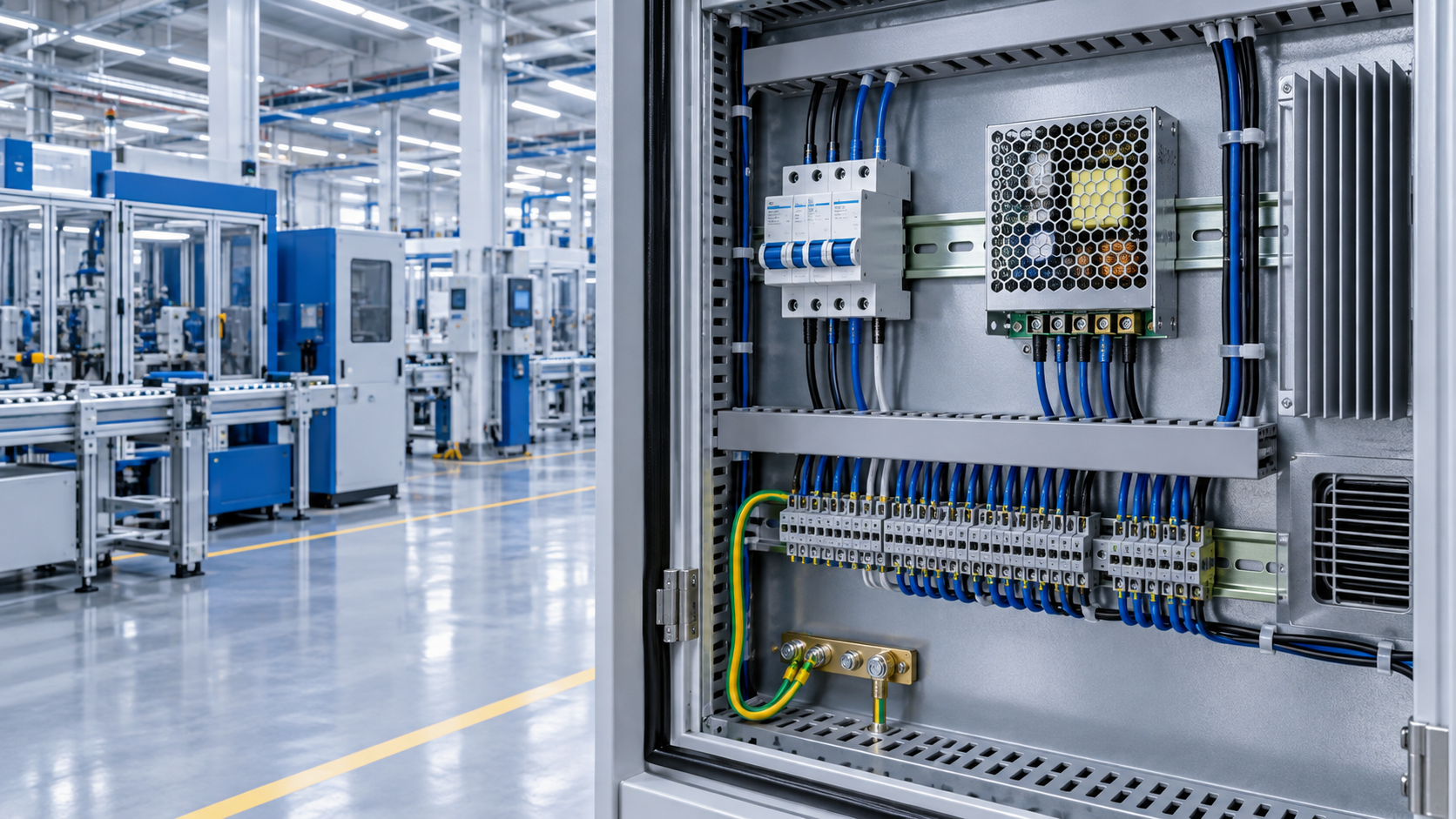
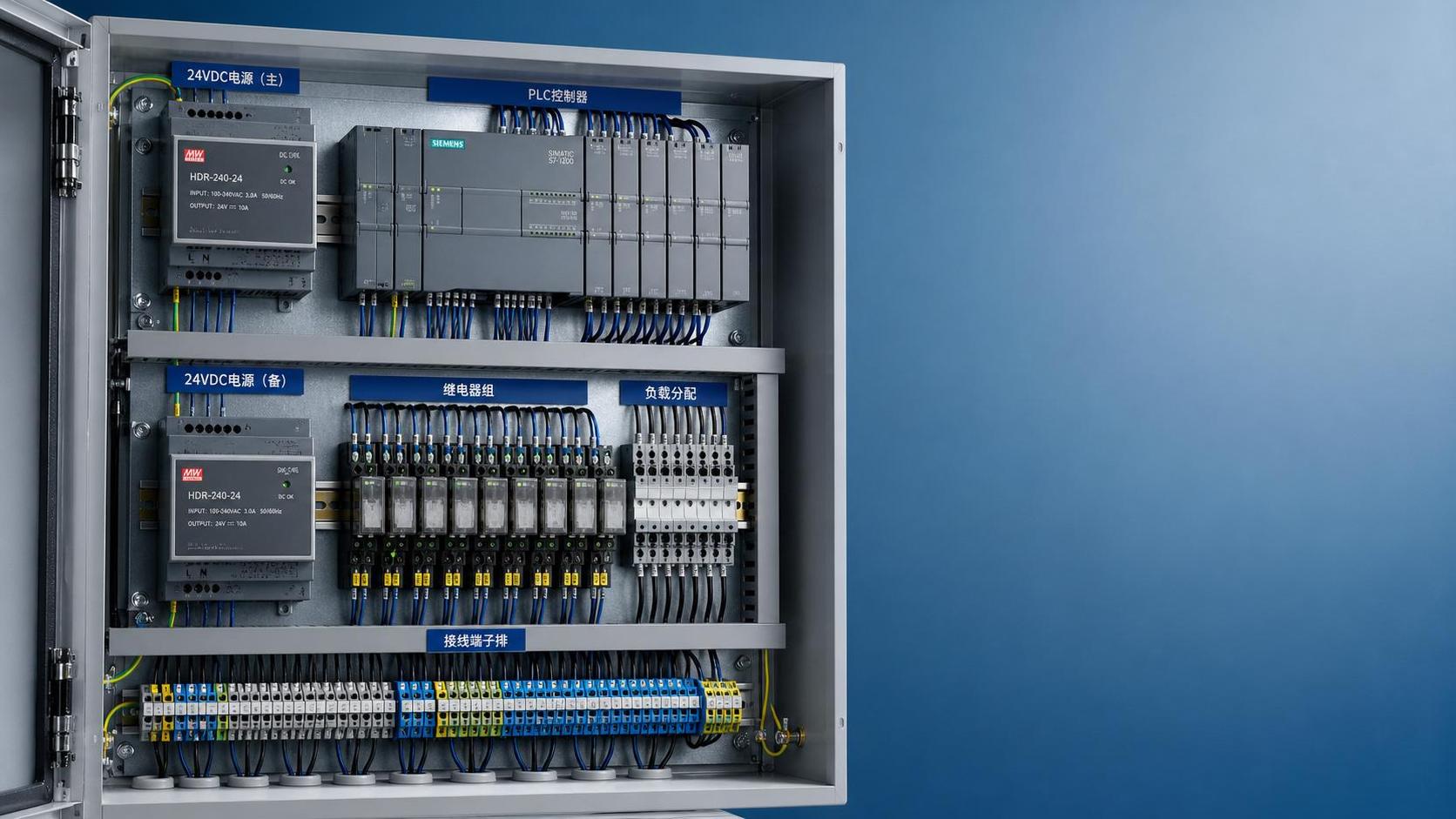
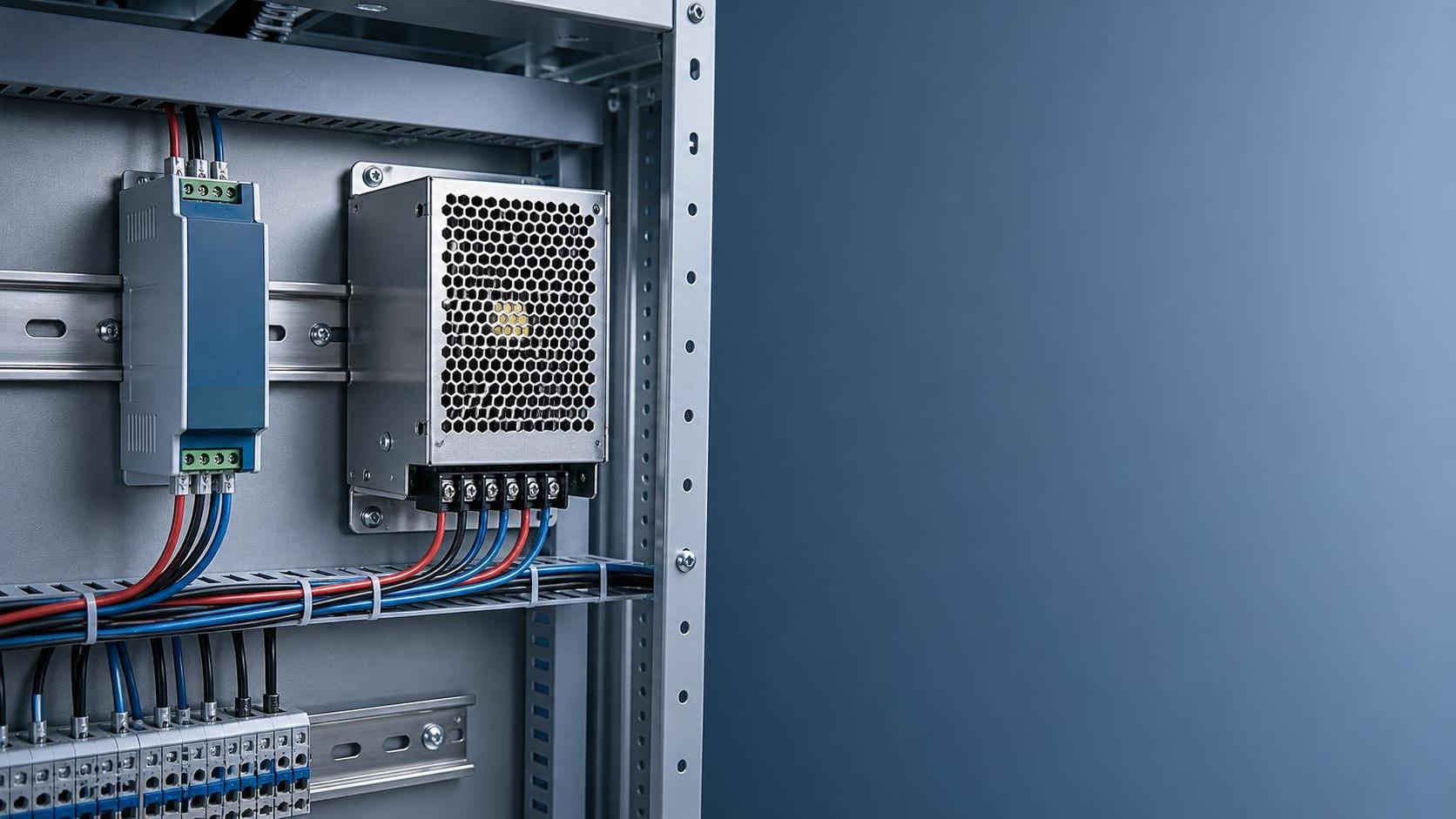
DIN rail power supplies are designed to snap onto standardized metal rails inside control panels. They are common in automation cabinets, building controls, and compact electrical assemblies.
Enclosed power supplies use a boxed frame, usually with a perforated metal case. They are typically mounted with screws onto chassis, machine housings, or larger equipment structures.
Both convert incoming AC power into regulated DC output. The difference is less about basic function and more about how each format fits real operating conditions.
Why the distinction matters
In practice, the form factor shapes installation time, cable routing, cooling clearance, and even future expansion. That is why buyers comparing power supplies often start with mounting style before output ratings.
Key differences at a glance
A simple side-by-side view makes the selection process clearer, especially when several cabinet or machine constraints already exist.
Where DIN rail power supplies make more sense
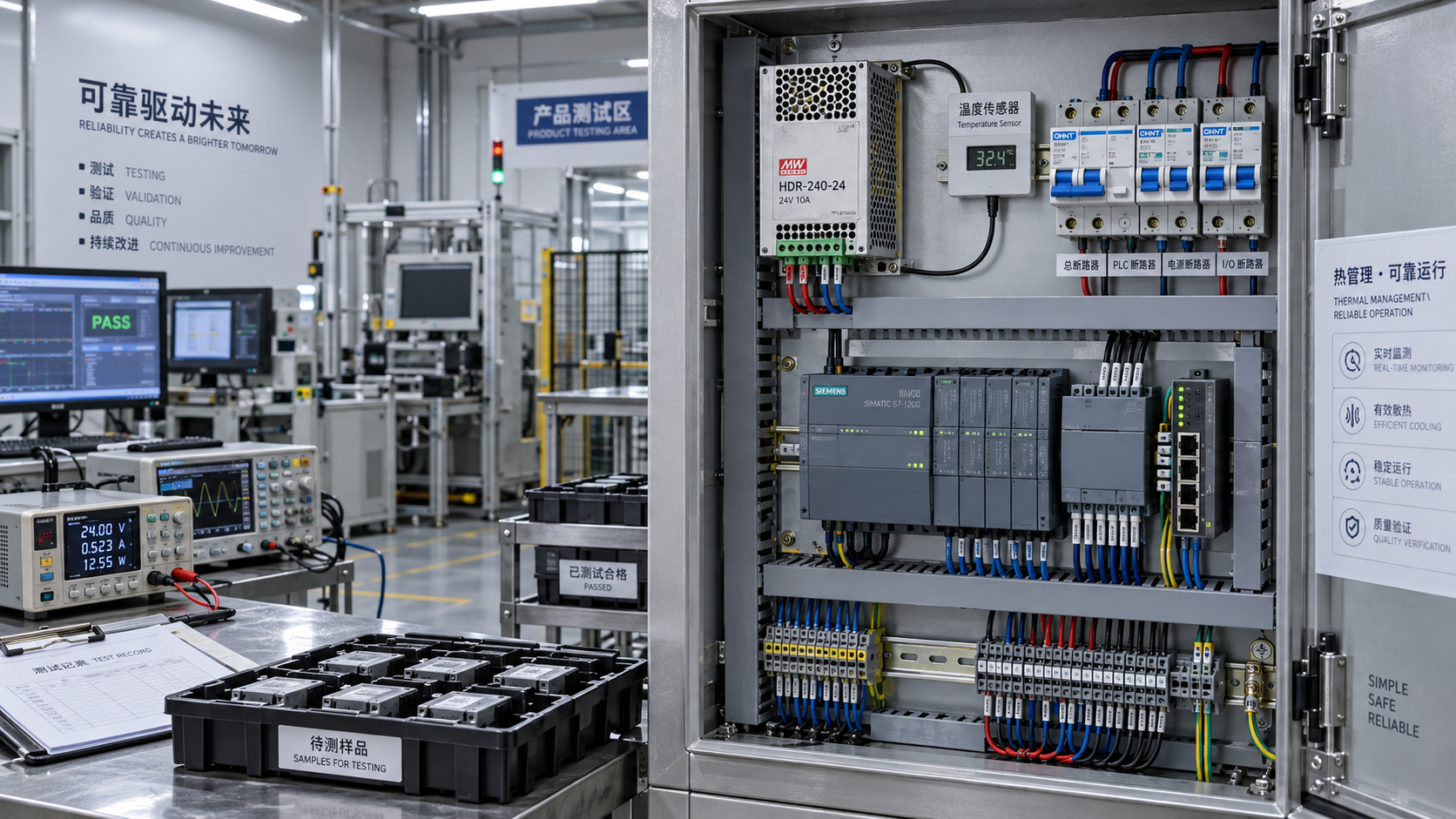
DIN rail units are usually the better fit when the system is panel-based and organized around modular components. PLCs, relays, I/O modules, and breakers often share the same rail environment.
That creates a practical advantage. Installation becomes cleaner, wire runs are shorter, and replacement can often be done without major structural changes.
- Control cabinets for factory automation
- Building management and HVAC systems
- Transportation signaling and compact utility panels
- Projects expecting future module expansion
From a sourcing perspective, DIN rail power supplies also support standardization across multiple installations. That can simplify spare stock planning and reduce downtime during field replacement.
Why enclosed power supplies still remain widely used
Enclosed power supplies remain common because many machines are not built around DIN rail architecture. In these cases, a screw-mounted metal enclosure is easier to integrate into the equipment frame.
They are often selected for devices with dedicated internal space, higher wattage needs, or custom mechanical layouts. LED systems, industrial machines, kiosks, and testing equipment often use this format.
A note on protection and exposure
An enclosed case does not automatically mean outdoor-ready or dust-proof. Many enclosed power supplies still depend on the host equipment enclosure for protection against moisture, particles, and accidental contact.
That point matters in current supply chains, where appearance can be misleading and datasheet review is essential.
The industry focus has shifted beyond output voltage
The current market discussion around power supplies is no longer limited to voltage and current. Buyers and operators are paying closer attention to approvals, derating behavior, efficiency, EMC performance, and lead-time risk.
Certification is especially relevant for cross-border sourcing. UL, CE, UKCA, and RoHS status can affect whether a unit is suitable for a project, a resale channel, or a regional installation requirement.
There is also more scrutiny on thermal derating. A power supply that works at room temperature may behave very differently inside a sealed cabinet or a hot production line.
How to evaluate the right option in real projects
The best choice usually comes from installation context, not from headline specifications alone. A quick review of these points can prevent a poor fit.
- Check whether the system already uses DIN rail architecture.
- Confirm available clearance for airflow and service access.
- Review ingress protection at the equipment level, not only the power supply.
- Compare operating temperature range and derating curves.
- Verify approvals needed for shipment, resale, or project acceptance.
- Consider replacement speed and spare part availability.
In many cases, DIN rail power supplies win on organization and serviceability. Enclosed power supplies often win when mechanical flexibility or equipment-specific integration matters more.
A practical way to move forward
The difference between these power supplies is not only structural. It reflects how a system is built, maintained, certified, and scaled over time.
A useful next step is to map the installation environment, expected heat load, required certifications, and service method before comparing models. That approach turns the choice from a catalog exercise into a more reliable operating decision.
Technical Specifications
- How to test melt flow consistency in batches of recycled plasticsAuthor :Polymers & Rubber Editorial Team
- When does a cast resin transformer need high-altitude derating?Author :Electrical Components Editorial Team
- How to verify Global Industrial Insights sourcing informationAuthor :Industrial Machinery Editorial Team
Expert Insights

Chief Security Architect
Dr. Thorne specializes in the intersection of structural engineering and digital resilience. He has advised three G7 governments on industrial infrastructure security.
Core Sector // 01
Security & Safety
- Is a higher DC power supply price justified by lower ripple?Author :Electrical Components Editorial Team

- What to verify before choosing an industrial power supply manufacturerAuthor :Electrical Components Editorial Team

- When can an imported power supply be used without local certification?Author :Electrical Components Editorial Team

- Which local safety approvals apply to imported power suppliesAuthor :Electrical Components Editorial Team

- What Causes Power Supply Failures After Installation?Author :Electrical Components Editorial Team

- Do Imported Power Supplies Need Local Safety Certification?Author :Electrical Components Editorial Team

- How to Size Power Supplies for Industrial Control PanelsAuthor :Electrical Components Editorial Team

- DIN Rail Power Supplies vs Enclosed Power Supplies: What Is the Difference?Author :Electrical Components Editorial Team