Do Imported Power Supplies Need Local Safety Certification?
Author
Date Published
Reading Time
Usually, yes: an imported power supply often needs evidence of compliance with the safety rules that apply in the destination market before it can be legally sold, installed, or connected to regulated equipment. A certificate from the country of manufacture, a test report for a different region, or a marking on the enclosure does not automatically establish local acceptance. The answer changes with the destination, whether the unit is an external adapter or an internal component, its input and output characteristics, the end equipment, and the channel through which it enters the market.
The practical issue is not simply whether a power supply is electrically safe in a general sense. Local regimes can specify which safety standard edition applies, whether independent testing is required, which technical file must be retained, how the product must be marked, and who carries responsibility once the product is placed on the market. A unit that performs reliably on a bench may still be stopped at customs, removed from sale, or rejected during project inspection if its compliance route is incomplete.
When local certification is likely to be required
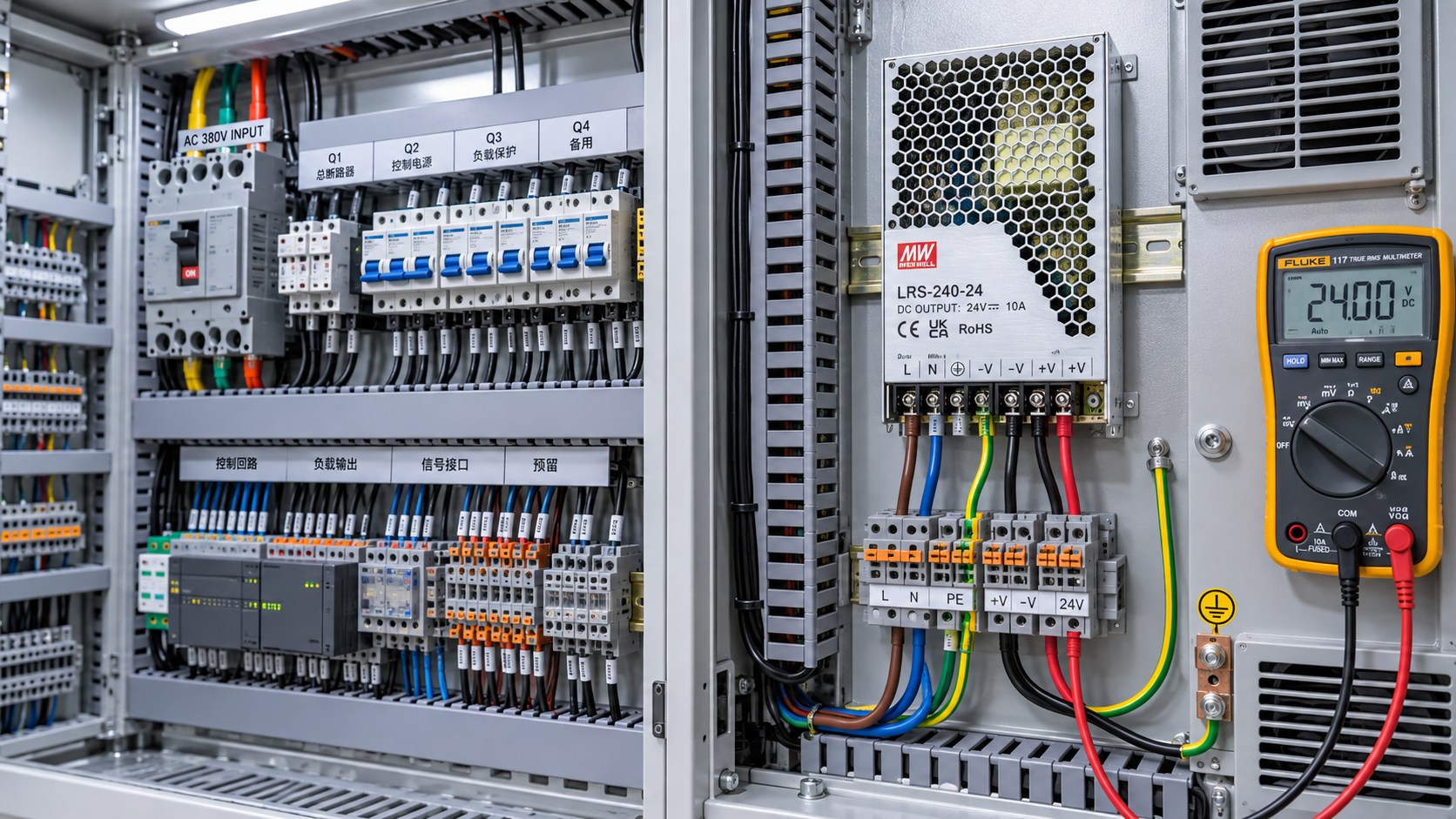
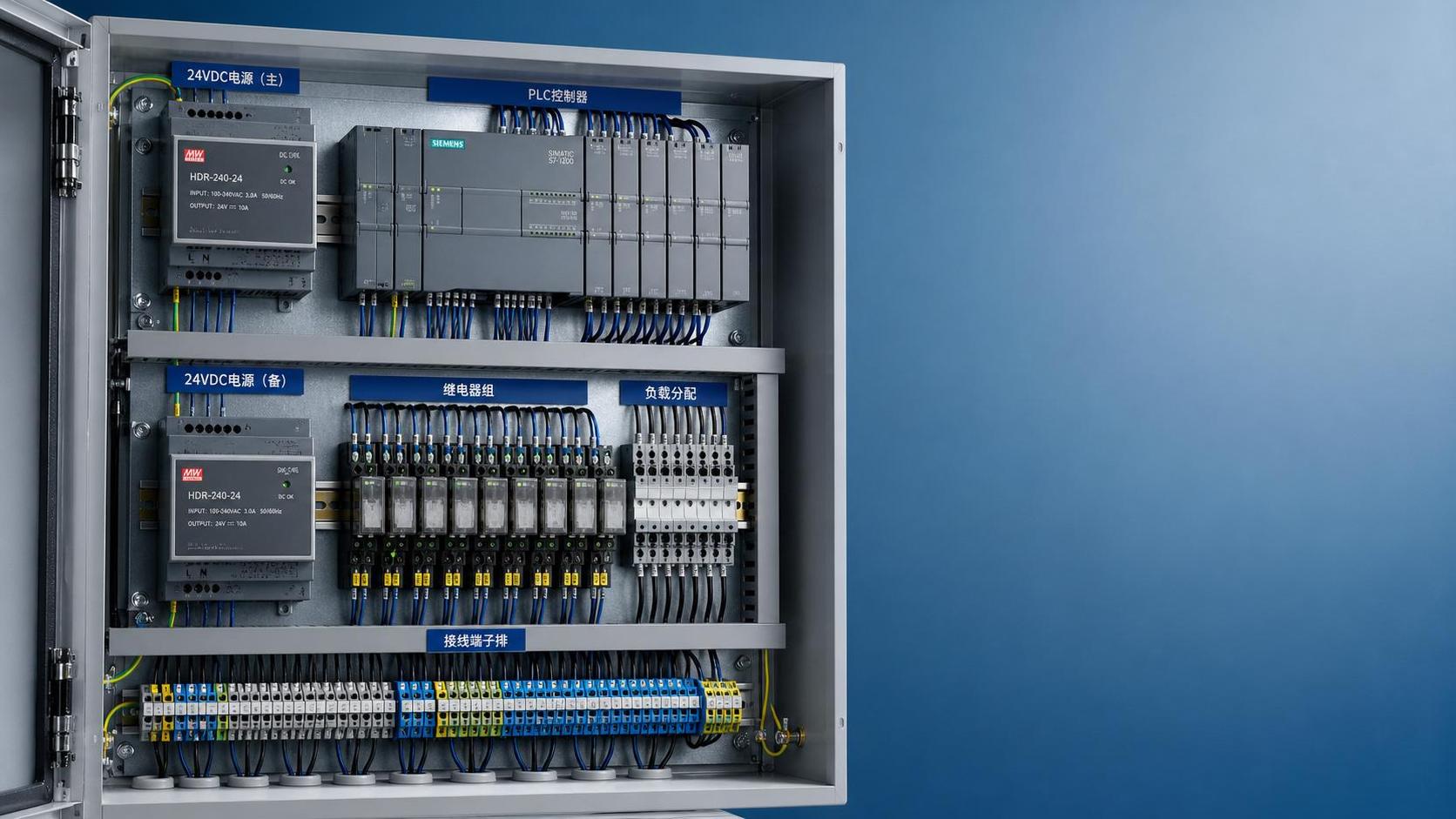
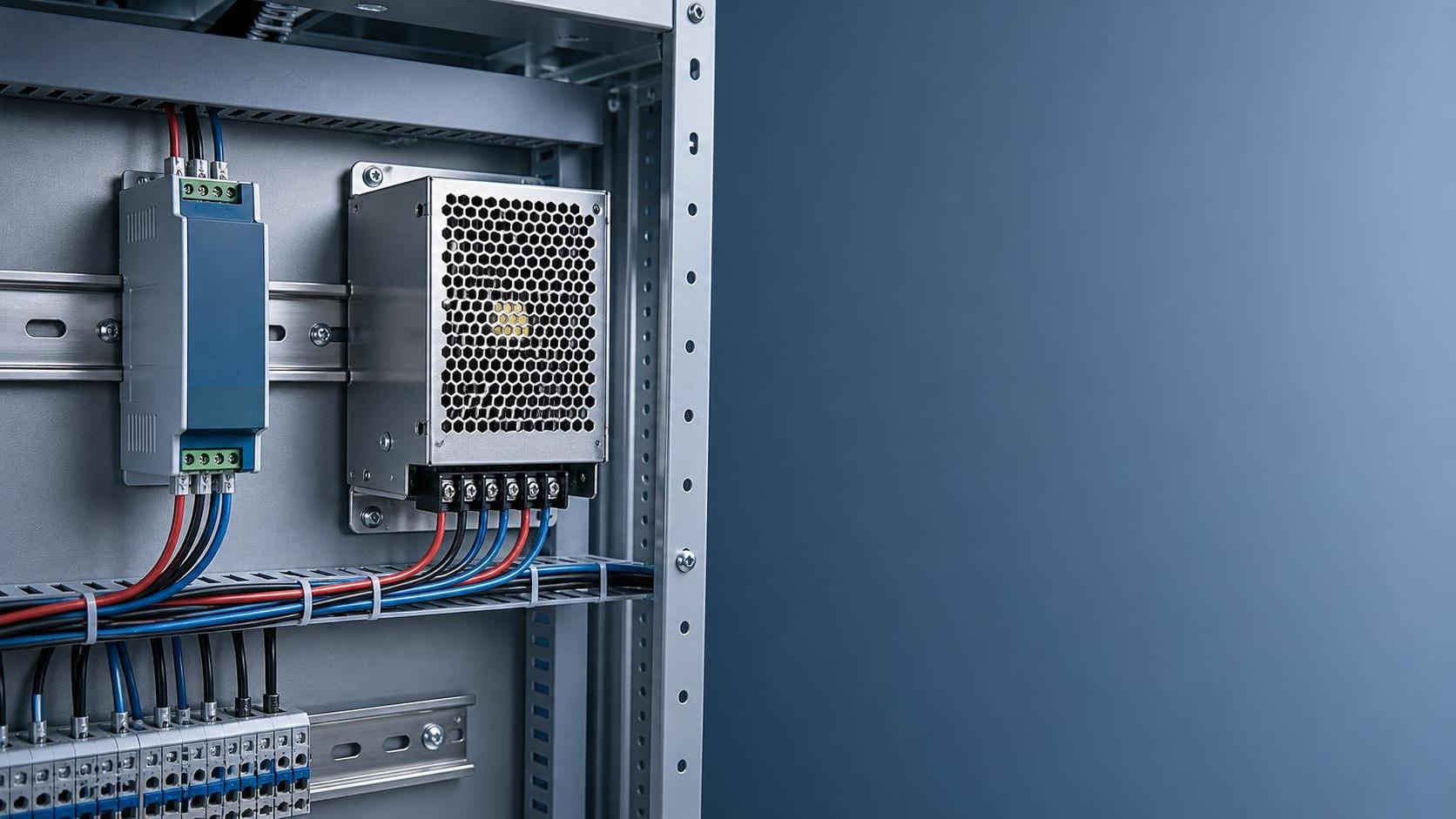
Requirements are most likely when the power supply is supplied as a finished consumer or commercial product, sold separately, installed in a building system, or incorporated into equipment that is itself subject to electrical-safety controls. Plug-in AC/DC adapters, desktop power supplies, LED drivers, chargers, enclosed switching supplies, DIN-rail units, and medical-grade units can all fall under different local expectations even when they have similar voltage and wattage ratings.
Products connected directly to mains electricity receive particular scrutiny. The relevant assessment commonly covers electric shock, fire, excessive temperature, insulation integrity, component suitability, abnormal operating behavior, protective earthing where applicable, and the construction of accessible parts. The destination market may also regulate the attached plug, mains lead, fuse arrangement, language of warnings, or rating-label format.
An internal power supply is not automatically exempt merely because it is hidden inside another product. A component-level approval can support the approval of the final equipment, but the final assembly still needs to be assessed in its actual enclosure and operating conditions. Ventilation, grounding, wiring routes, accessible connectors, load profile, and the way the equipment is installed can alter the safety outcome.
A foreign mark is useful evidence, not a universal passport
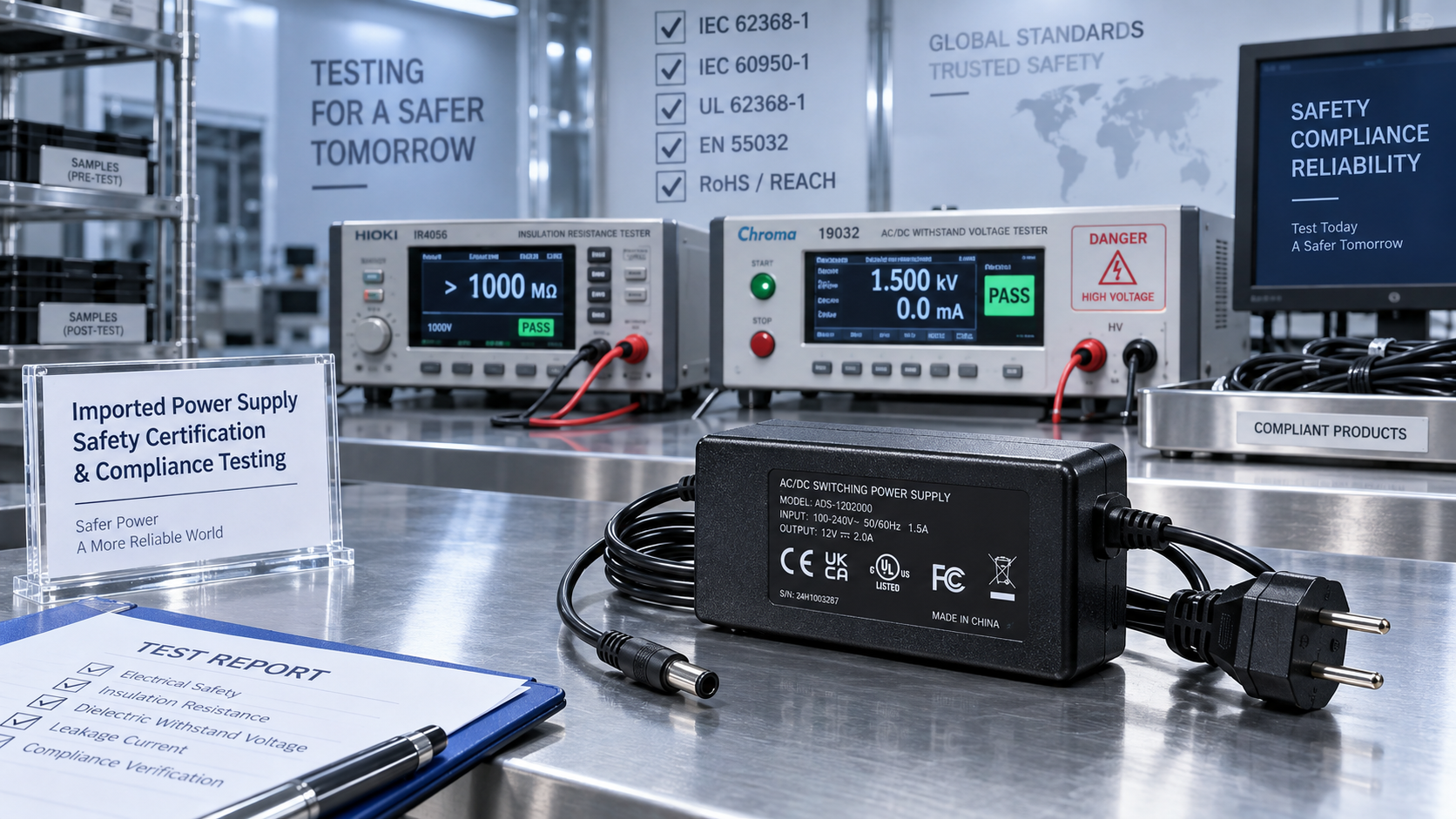
Power supplies often carry several logos, and their meanings are frequently misunderstood. Some marks indicate testing against a particular standard. Others are supplier declarations, regional conformity marks, approval marks for a limited configuration, or markings related to environmental requirements rather than electrical safety. Their presence alone does not show that the imported version is covered.
The model number matters. A report may cover a family of units only when the differences between variants stay within the permitted technical boundaries. Replacing the enclosure material, changing transformer construction, fitting a different output cable, adding a switch, using another mains cord, increasing output current, or altering a PCB layout can invalidate the basis for a prior assessment. A suffix in the part number may distinguish a certified version from an uncertified export version.
Documentation should therefore be read as a controlled record rather than as a marketing attachment. The rated input range, output rating, insulation class, protection class, ambient-temperature limit, approved accessories, and exact model designation should agree across the product label, test report, certificate, datasheet, shipping documents, and final purchase specification. Small mismatches are common sources of delayed clearance and rework.
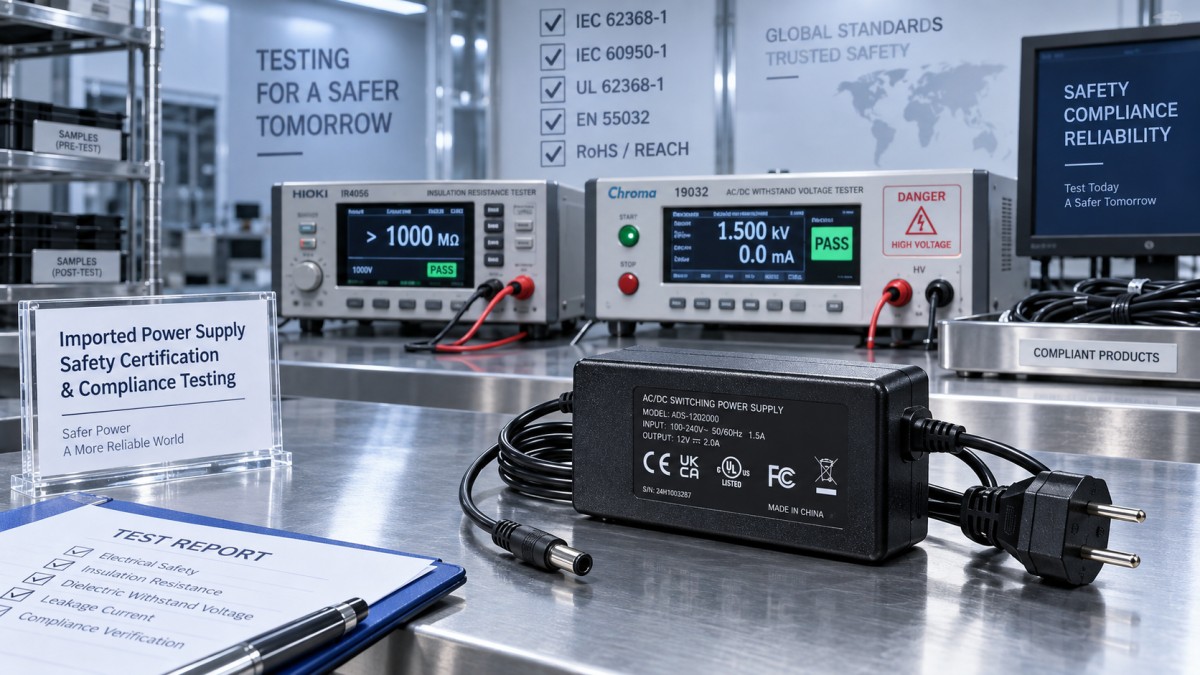
Destination rules do not always work the same way
Some markets use a mandatory third-party certification scheme for certain electrical goods. Others permit a conformity declaration supported by a technical file, risk assessment, and applicable test evidence. A separate route may apply to products intended for telecommunications, lighting, industrial control panels, household use, medical environments, or public installations. Local electrical codes can impose additional installation conditions even after the product itself has passed its product-safety assessment.
This distinction affects timing. Where a local certificate, registration, or approved mark is required before importation, laboratory reports from another jurisdiction may shorten the evaluation but will not necessarily replace the local process. Where self-declaration is accepted, a defensible technical file still has to demonstrate conformity with the applicable requirements. Treating a declaration route as “no certification needed” can leave the responsible party without the evidence needed during a market-surveillance inquiry.
National deviations deserve attention. Two regions may use closely related international safety principles while requiring different plugs, different labeling language, different national test deviations, or different administrative registration. Frequency and nominal mains voltage also matter. A supply marked for a broad input range must actually have been evaluated for that range; a narrow-input version cannot be assumed suitable because its output connector matches the intended equipment.
Product classification changes the compliance path
The first classification question is whether the item is a standalone power supply, a power supply sold with equipment, or a replacement part intended for a defined host product. The second is the application. An adapter for ordinary information or audiovisual equipment is assessed differently from a supply used in patient-connected medical equipment, hazardous locations, emergency lighting, security systems, or machinery control circuits.
Output voltage alone is not a reliable shortcut. A low-voltage output can be supplied by a mains-powered product with significant primary-side hazards. Conversely, a high-output-current unit can present elevated fire, connector-heating, and cable-sizing concerns even at extra-low voltage. Safety assessment looks at the complete energy path, including input protection, isolation barrier, transformer or switching components, creepage and clearance distances, output wiring, overload response, and fault behavior.
Technical details that are often overlooked
Safety certification is connected to physical construction, not just the electrical rating printed on the label. The insulating system is a frequent point of concern. The spacing between primary and secondary circuits must suit the working voltage, pollution environment, insulation type, and manufacturing tolerances. Coating applied after assembly may improve resistance to moisture or contamination, yet it does not automatically compensate for inadequate physical spacing unless the relevant construction rules allow it and the process is controlled.
Thermal performance can also expose differences between a sample and the delivered product. A supply tested in open air may operate much hotter when placed in a sealed metal box, crowded ceiling void, control cabinet, or illuminated sign. Electrolytic capacitors, rectifiers, switching devices, transformers, and plastic enclosures all have temperature limits that influence long-term safety. A power rating should be interpreted with the stated ambient range, mounting orientation, airflow, duty cycle, and derating instructions.
Input and output cables are not cosmetic accessories. Cord insulation, conductor size, plug configuration, strain relief, bend protection, connector polarity, and the temperature rating of cable materials can be part of the certified construction. Substituting a longer lead or a locally sourced plug after testing may alter voltage drop, heating, mechanical stress, and approval status. The same concern applies when a distributor bundles a separately imported power supply with an unrelated device.
Protective functions need to match the claimed use. Overcurrent, short-circuit, overload, overvoltage, and overtemperature protection may be evaluated under defined fault conditions. A datasheet statement such as “protected” is incomplete without knowing whether the unit shuts down, limits current, cycles, or recovers automatically; whether the behavior remains safe after repeated faults; and whether the downstream wiring and connected load are compatible with that behavior.
Documentation should be verified before shipment
Certification review is far easier before containers leave the origin port. The commercial description should identify the exact unit rather than using a broad phrase such as “charger” or “adapter.” Product photographs, label artwork, plug photographs, model list, electrical ratings, and intended-use details should be available alongside the compliance documents. These materials allow a meaningful comparison between the ordered goods and the product described in the evidence.
- Confirm the destination market and the final application before selecting a model. A supply intended for enclosed industrial equipment should not be treated as interchangeable with a consumer plug-in adapter.
- Match every ordered model and variant to the scope of the certificate or report, including cable length, plug type, enclosure option, output connector, and rated current.
- Review the conditions of acceptability in component reports. They can require a particular fuse, enclosure, mounting method, spacing, or maximum operating temperature in the final product.
- Keep a traceable link between the shipment, the production lot, and the technical documents. A certificate for a discontinued revision provides little protection when the delivered goods use changed components.
- Ensure labels are durable and legible after normal handling. Missing model identification, ambiguous input ratings, or incorrect polarity symbols can create issues even when the internal design is sound.
Component approval and finished-product compliance are different
A recognized component approval can reduce the amount of investigation required for a final device, especially where the power supply is installed exactly as its conditions permit. It does not certify the host device as a whole. The final product can introduce risks through metal enclosure bonding, blocked airflow, inaccessible service areas, cable routing near sharp edges, liquid exposure, external fuse selection, or interaction with other circuits.
Likewise, the fact that a complete device has previously been assessed with one power supply does not automatically authorize replacement with another unit having matching output voltage. Differences in no-load voltage, transient response, leakage current, earth connection, inrush current, touch temperature, or abnormal-operation behavior may matter. A replacement must be evaluated against the host equipment’s original safety assumptions.
Common compliance failures do not always look like defects
Some problems are visible: a plug that does not suit the local socket system, an unreadable rating label, exposed terminals, or a damaged cable. Others are documentary or configuration failures. A shipment may contain a model outside the certificate scope, an unapproved cord set, a revised enclosure material, or a product label carrying a mark that belongs to a different factory or production version.
Parallel imports create another complication. A genuine product built for one market may lack the required local plug, language, registration, or declaration package for another. Authenticity and local conformity are separate questions. Re-labeling after arrival rarely resolves the issue if the underlying technical evidence does not cover the imported configuration.
Customs authorities, project inspectors, insurers, retailers, and market-surveillance bodies may ask for different forms of evidence. A test report may establish technical findings, while a certificate demonstrates a particular approval status and a declaration assigns responsibility for conformity. Keeping these documents distinct avoids the common error of presenting one as though it automatically performs the function of another.
Can a power supply be imported before certification is complete?
That is a legal and procedural question that varies by jurisdiction and import purpose. Samples for evaluation, goods for further processing, products kept outside the local sales channel, and units imported for exhibition may be treated differently from commercial stock. Such exceptions are often narrow and may impose conditions on labeling, storage, use, or disposal. They should not be assumed from the product’s small size or low declared value.
Where evidence is incomplete, the prudent approach is to pause commercial release until the exact destination requirements and product configuration have been confirmed. The cost of reworking labels, replacing cord sets, retesting a revised model, holding stock, or removing installed equipment is usually much greater than resolving the classification and documentation questions before the order is finalized.
Imported power supplies therefore need local safety certification whenever the destination regime requires it for that product and use. The relevant decision rests on the exact model, destination, application, construction, and route to market. A current technical file tied to the delivered configuration is the practical foundation for demonstrating that the product is ready to enter the local market.
Technical Specifications
- When are low modulus silicone sealants needed for moving joints?Author :Chemical Industry Editorial Team
- Which flooring materials hold up best in high-traffic commercial spaces?Author :Construction Materials Editorial Team
- What to verify before selecting a transformer manufacturer in the USAAuthor :Electrical Components Editorial Team
Expert Insights

Chief Security Architect
Dr. Thorne specializes in the intersection of structural engineering and digital resilience. He has advised three G7 governments on industrial infrastructure security.
Core Sector // 01
Security & Safety
- What Causes Power Supply Failures After Installation?Author :Electrical Components Editorial Team

- Do Imported Power Supplies Need Local Safety Certification?Author :Electrical Components Editorial Team

- How to Size Power Supplies for Industrial Control PanelsAuthor :Electrical Components Editorial Team

- DIN Rail Power Supplies vs Enclosed Power Supplies: What Is the Difference?Author :Electrical Components Editorial Team