Silicone Sealants: Indoor vs Outdoor Performance
Author
Date Published
Reading Time
Choosing between indoor and outdoor silicone sealants is rarely a minor specification detail. It shapes joint life, appearance retention, moisture control, and maintenance planning across construction, fit-out, glazing, HVAC, and equipment assembly.
That distinction matters more in today’s market because buyers are balancing performance demands with supply consistency, compliance expectations, and rising attention to lifecycle cost. A sealant that performs well indoors may fail early when exposed outdoors.
What separates indoor and outdoor performance
Silicone sealants are valued for flexibility, adhesion, and temperature stability. Even so, not all formulations are built for the same environment, and the service conditions usually determine whether a product remains reliable.
Indoor applications often face controlled temperatures, limited UV exposure, and lower weather stress. Outdoor joints must resist sunlight, rain, thermal cycling, airborne pollutants, and continuous movement over long operating periods.
In practical terms, the indoor versus outdoor question is not only about location. It is about exposure profile, substrate interaction, movement capability, cure behavior, and the consequences of failure.
Why the topic is drawing more attention
Across global sourcing channels, silicone sealants are being compared more carefully because product names alone no longer tell the whole story. Similar descriptions can hide meaningful differences in formulation quality and weathering resistance.
This is especially relevant where projects involve imported materials, mixed standards, or changing logistics conditions. Longer transit times, storage variation, and substitution risk can all influence final sealant performance on site.
At the same time, façade durability, indoor air concerns, and maintenance budgets are under closer review. That pushes sealant evaluation beyond price per cartridge and toward verified fit for purpose.
Key technical differences that affect service life
UV and weather resistance
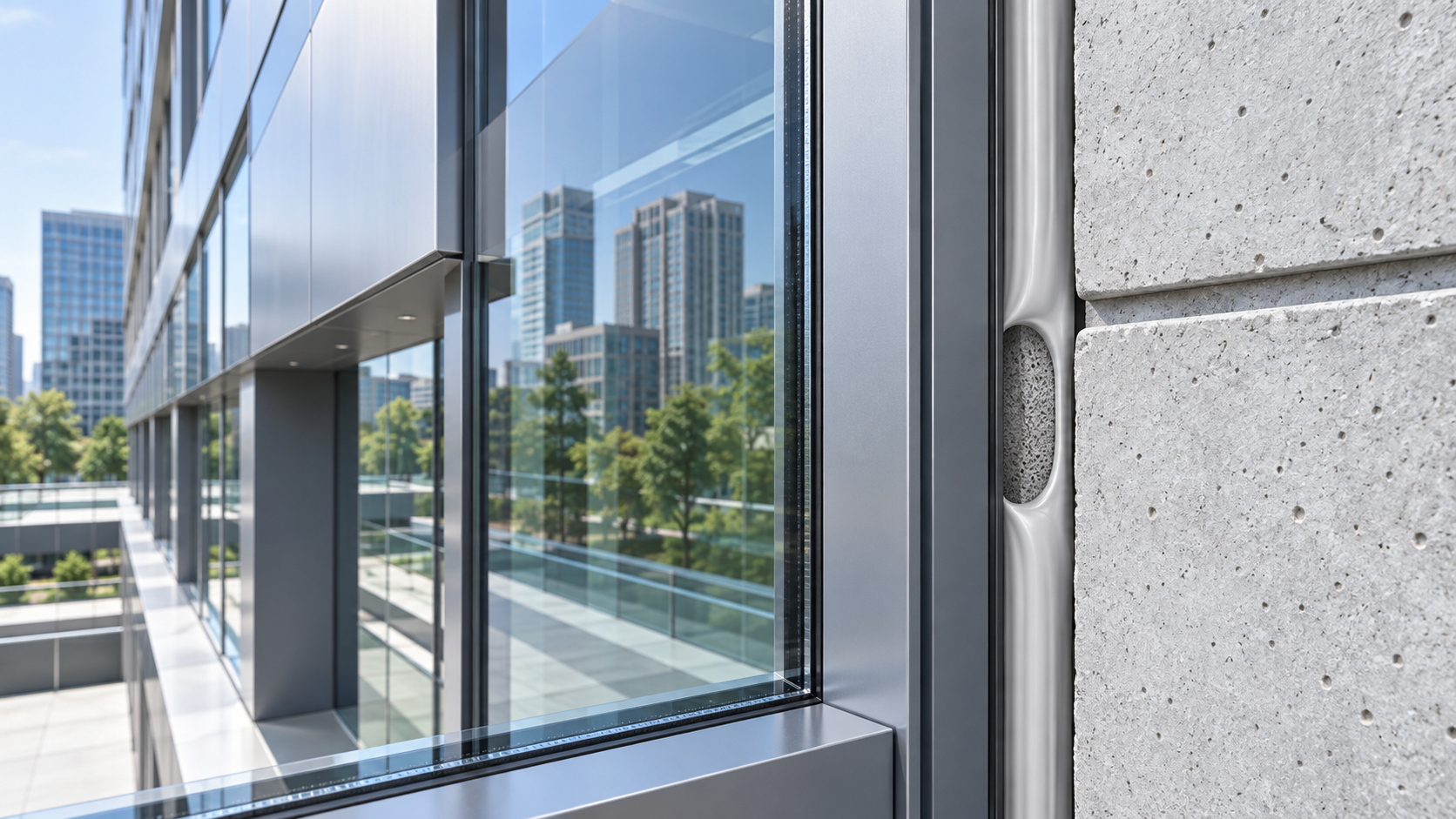
Outdoor silicone sealants are typically selected for strong UV stability and resistance to rain, ozone, and temperature swings. These properties help preserve elasticity and reduce cracking, chalking, or bond loss.
Indoor products may not require the same weather package. They can still perform very well, but prolonged exterior exposure may shorten useful life considerably.
Adhesion and substrate compatibility
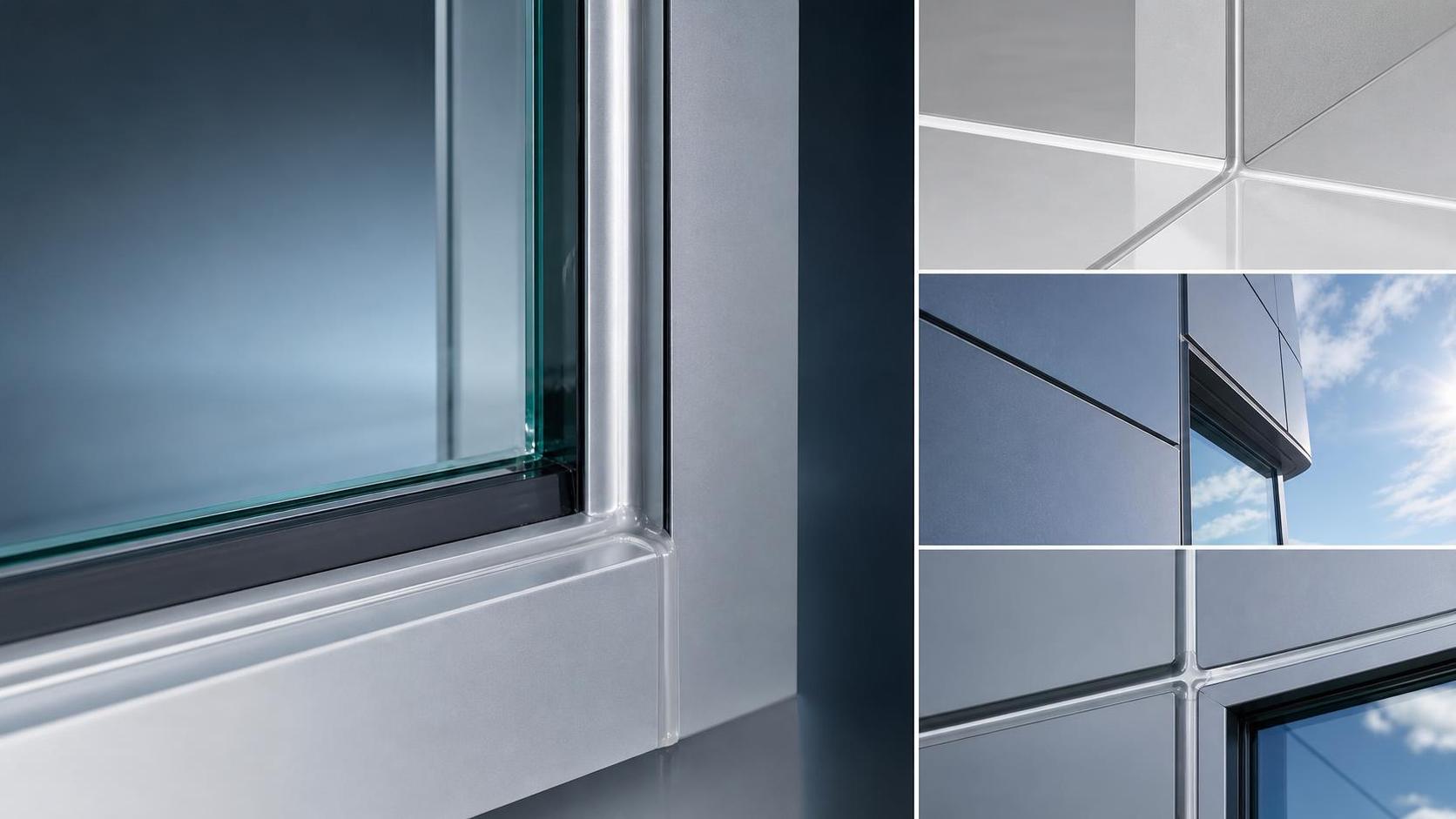
Adhesion varies with glass, aluminum, concrete, ceramics, painted surfaces, plastics, and composite panels. Outdoor use usually demands stronger long-term bonding under movement, moisture, and contamination pressure.
Indoor joints may tolerate less severe stress, yet compatibility still matters. Staining, plasticizer migration, or poor adhesion to coated materials can create problems even in stable interiors.
Movement capability and cure profile
Outdoor assemblies expand and contract more aggressively. Curtain walls, perimeter joints, roofs, and external cladding need silicone sealants that can accommodate repeated movement without tearing or losing adhesion.
Cure chemistry also affects application choices. Neutral-cure systems are often preferred on sensitive metals and masonry, while acetoxy systems may suit certain indoor glazing or sanitary conditions when compatibility is confirmed.
Typical use environments compared
The table below highlights how the same material category can be assessed differently depending on the operating environment.
Where specification mistakes usually happen
One common mistake is assuming all silicone sealants are interchangeable because they share similar labels. Another is selecting only by initial cost without considering exposure severity and replacement difficulty.
Problems also appear when product data sheets are read too generally. A sealant may list broad application areas, yet actual performance can still depend on joint design, primer use, and substrate preparation.
- Check whether the product is explicitly rated for exterior weather sealing.
- Review movement class, elongation, and long-term adhesion data.
- Confirm compatibility with coatings, laminates, plastics, and adjacent sealants.
- Consider storage history, shelf life, and batch consistency in cross-border supply.
A more useful way to assess options
A sound review starts with the service environment, not the marketing description. Map the joint to its real conditions: sunlight, standing water, movement, cleaning chemicals, temperature range, and failure impact.
Then compare silicone sealants using evidence that supports field performance. Technical data sheets, weathering results, standards compliance, and substrate testing are more useful than broad category claims.
For sourcing decisions, it also helps to monitor market signals around raw material pricing, certification updates, and supplier reliability. These factors influence not just cost, but the repeatability of delivered performance.
What to examine before moving forward
Indoor and outdoor applications call for different priorities, even within the same building envelope. The most reliable choice comes from matching formulation behavior to the actual joint environment, not the nominal application label.
The next step is to build a short evaluation matrix covering exposure, substrate, movement, compliance, and replacement risk. That approach makes silicone sealants easier to compare and reduces costly specification corrections later.
Technical Specifications
- How to test melt flow consistency in batches of recycled plasticsAuthor :Polymers & Rubber Editorial Team
- When does a cast resin transformer need high-altitude derating?Author :Electrical Components Editorial Team
- How to verify Global Industrial Insights sourcing informationAuthor :Industrial Machinery Editorial Team
Expert Insights

Chief Security Architect
Dr. Thorne specializes in the intersection of structural engineering and digital resilience. He has advised three G7 governments on industrial infrastructure security.