DuPont Delrin® POM 150 NC010 Now Available Domestically, Offering 20% Cost Reduction Over Traditional Plastics
Author
Date Published
Reading Time
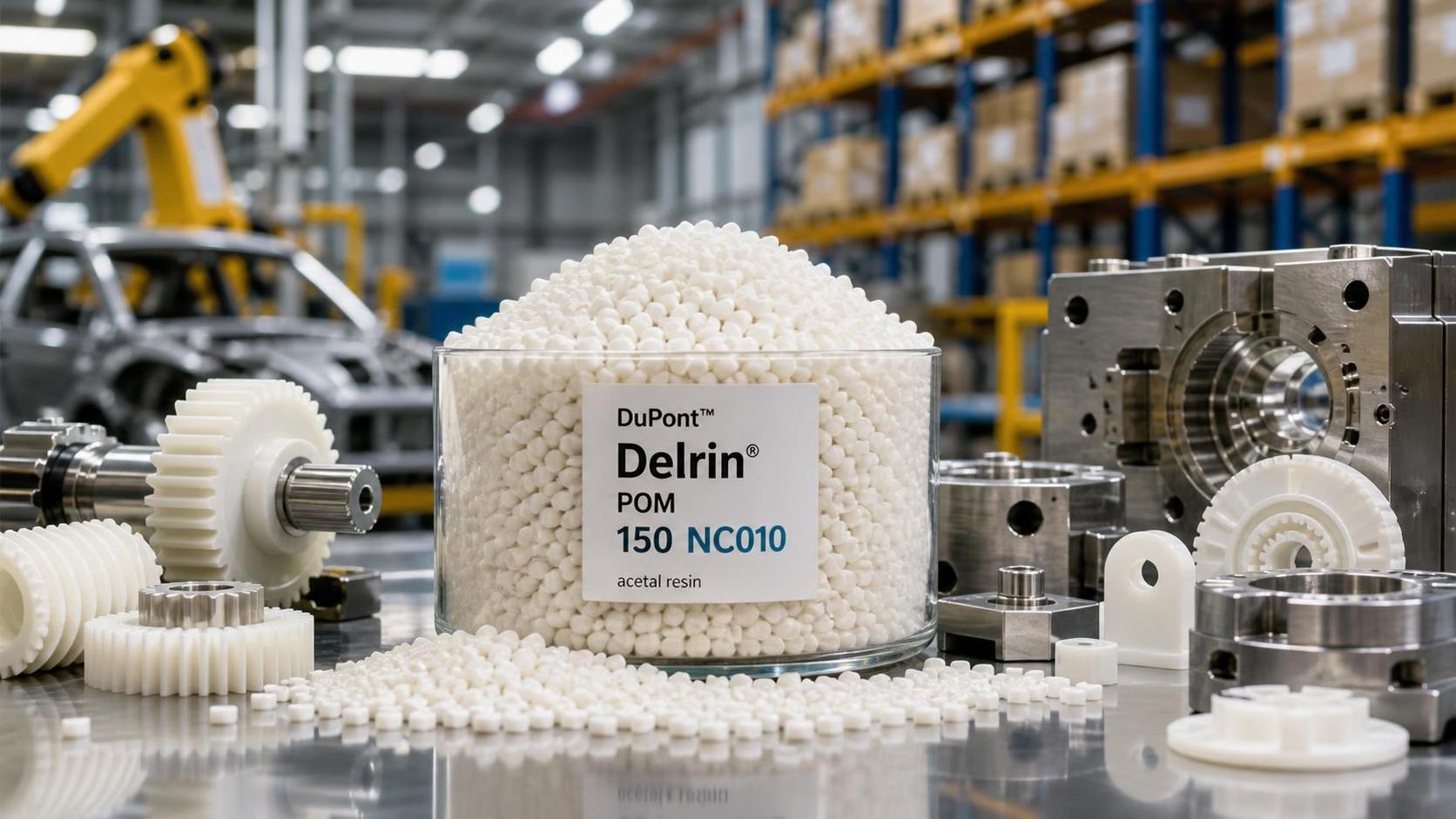
Recent developments in the supply chain for high-performance engineering plastics signal a notable shift for manufacturers relying on traditional materials. DuPont's Delrin® POM 150 NC010, a polyacetal copolymer, is now available through domestic stock via Shanghai Tefubang, a move that aligns with evolving industry standards for material compliance and cost efficiency. While the exact timing of this supply update has not been specified, the availability of this material, which supports certifications such as UL94 V-0 and FDA, is particularly relevant for companies navigating tightening export regulations and certification requirements across automotive and industrial sectors. This development highlights how material sourcing strategies are becoming increasingly intertwined with regulatory compliance, procurement efficiency, and total cost management.
Material Specifications and Availability Details
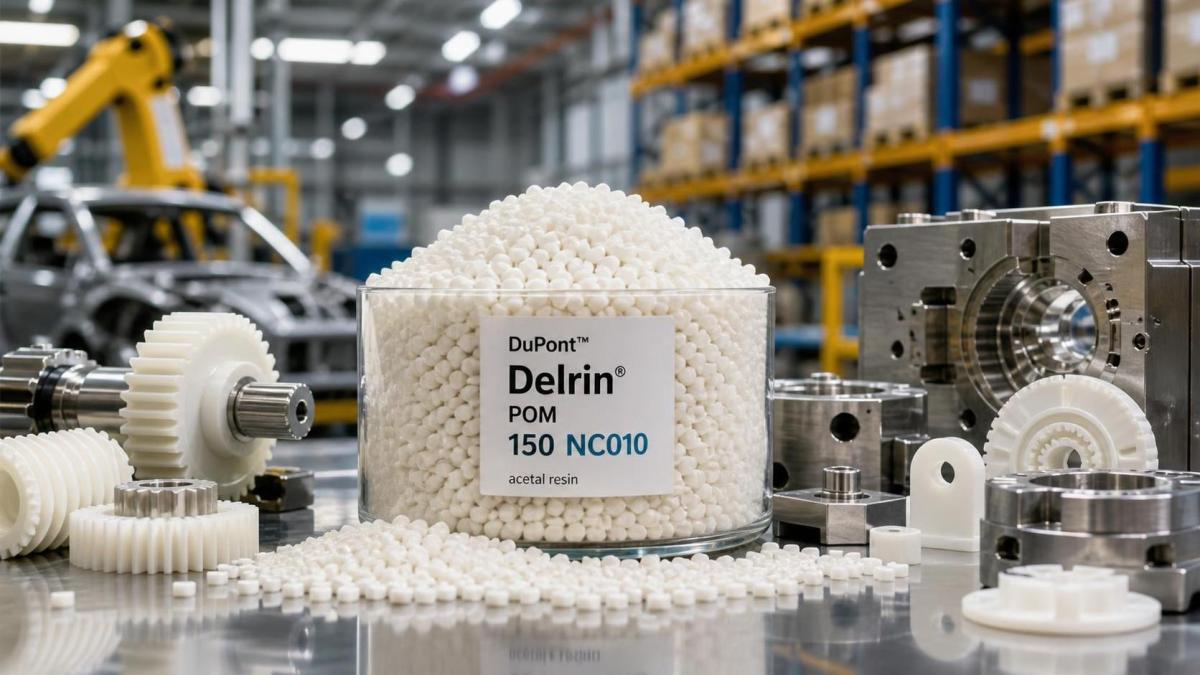
According to the information provided, the DuPont POM 150 NC010 (Delrin®) is a high-rigidity copolymer with low creep and excellent wear resistance. It is now being supplied domestically by Shanghai Tefubang, acting as an agent. The material is widely used in automotive components and industrial gears. A key claim is that adopting this material as an alternative to traditional plastics can reduce total part costs by 12% to 25%. Furthermore, the material supports UL94 V-0 flammability ratings and FDA compliance, which are critical for manufacturers targeting export markets. This factual basis sets the stage for understanding the broader implications of this supply change.
Impacts on the Supply Chain and Manufacturing Ecosystem
The availability of a domestically stocked, high-performance alternative like Delrin® 150 NC010 is expected to influence several nodes within the industrial supply chain. The implications are not just about cost; they touch on compliance, certification, and procurement agility.
Direct Importers and Trade Intermediaries
For companies that have historically imported this specific grade or similar high-performance materials, the domestic stock represents a shift in lead times and logistics. The need to manage international shipping, customs clearance, and currency fluctuations may be reduced. However, for importers who have built their business model around this material, the change could mean a need to re-evaluate their value proposition. The availability of local stock may also influence how trade terms are negotiated, particularly for smaller manufacturers who previously lacked the volume to secure direct supply.
Procurement and Cost Management for Manufacturers
The cost reduction claim of 12%–25% is a significant factor for procurement departments, especially in industries like automotive parts and industrial gear manufacturing, where material costs are a major component of the bill of materials. This is not merely a price advantage; it represents a potential shift in total cost of ownership. Manufacturers will need to consider whether the cost savings from using this Delrin® grade outweigh the potential costs of re-qualifying parts, updating molds, and re-certifying components for specific applications. The lower total cost could also make it feasible to replace metal parts in some applications, further driving material substitution trends.
Certification and Compliance Specialists
The explicit mention of UL94 V-0 and FDA certifications is a critical point for compliance teams. For manufacturers exporting to markets like North America or the European Union, having a material that already meets these standards can simplify the certification process for finished goods. This is particularly relevant for medical device components, food processing equipment, and electrical enclosures where these certifications are mandatory. The domestic availability of a pre-certified material could shorten the time-to-market for new products and reduce the risk of non-compliance during audits.
Practical Considerations for Businesses
Given the nature of this development—a supply chain update with clear cost and compliance implications—businesses should take a structured approach to evaluating its potential impact. The following areas require focused attention.
Verification of Certification Validity and Scope
While the material is reported to support UL94 V-0 and FDA standards, companies must independently verify that the specific lot or batch of Delrin® 150 NC010 they receive meets these certifications for their intended application. Certification validity can vary by thickness, color, and processing conditions. It is recommended to request and review the material's certification documents, including the UL Yellow Card and FDA compliance letter, directly from the supplier. This is a prerequisite for any serious consideration of a material change.
Technical Validation and Part Performance Testing
Switching to a new material, even one with superior properties, requires thorough technical validation. The claimed benefits of high rigidity, low creep, and wear resistance must be tested in the specific operating conditions of the end-use part. This includes evaluating the material's performance under load, at temperature extremes, and in contact with other substances (e.g., lubricants, chemicals). Companies should plan for a pilot production run and rigorous testing before committing to a full-scale material change. This is not a decision that can be made based on datasheet values alone.
Updating Supplier Audits and Quality Agreements
With the introduction of a new supply channel (Shanghai Tefubang), existing quality agreements and supplier audit protocols may need to be updated. Companies should ensure that the new supplier meets their own quality management system requirements, such as ISO 9001 or IATF 16949 for automotive. The traceability of material from the original DuPont manufacturing site to the domestic stock should be established. This is a standard precaution to mitigate the risk of counterfeit or substandard material entering the supply chain.
Editorial Analysis: A Tactical Market Signal, Not a Structural Shift
From an industry perspective, this announcement is best understood as a tactical market signal rather than a fundamental shift in material science or regulatory policy. It reflects the ongoing optimization of supply chains by major material producers and distributors to better serve regional markets. The fact that the event time is unspecified suggests that this is more of a commercial update than a response to a sudden regulatory change. The key takeaway is that the cost and availability of high-performance materials are becoming more favorable for domestic manufacturers, which could accelerate the adoption of advanced plastics in cost-sensitive applications.
What deserves closer attention is how this availability will affect the competitive landscape. Will it lead to a price war among suppliers of similar materials? Will it force traditional plastic suppliers to improve their own cost structures? These are questions that will be answered in the coming months as procurement departments renegotiate contracts and as new projects are designed with this material in mind. For now, the most prudent course is for companies to treat this as a concrete option to be evaluated, not a mandate to change.
Concluding Observations
The domestic availability of DuPont Delrin® POM 150 NC010 represents a tangible development for manufacturers in automotive, industrial, and other sectors that demand high-performance materials. The promise of a 12%–25% reduction in total part costs, combined with support for key export certifications, makes this a noteworthy option for procurement and engineering teams. However, the true impact will depend on the results of independent technical validation, the consistency of supply, and the ability of the local distributor to meet service and quality expectations. At this stage, it is more appropriate to understand this as a valuable market opportunity that requires careful evaluation rather than an immediate imperative.
Sources and Further Verification
This article is based on the user-provided information: the title “杜邦Delrin® POM 150 NC010国内现货供应,替代传统塑料降本20%”, the unspecified event time, and the event summary stating that DuPont POM 150 NC010 (Delrin®) is supplied by Shanghai Tefubang, offering high rigidity, low creep, and wear resistance, with a potential cost reduction of 12%–25% and support for UL94 V-0 and FDA certifications. No specific official source or link was provided in the input. For further verification, readers are advised to consult the official websites of DuPont, Shanghai Tefubang, or relevant certification bodies (such as UL and the FDA). The specific details of the cost reduction, lot sizes, delivery terms, and certification validity should be confirmed directly with the supplier. The industry should continue to monitor the actual execution of this supply agreement, the feedback from initial users, and any subsequent announcements regarding pricing or availability.
Technical Specifications
- How to test melt flow consistency in batches of recycled plasticsAuthor :Polymers & Rubber Editorial Team
- When does a cast resin transformer need high-altitude derating?Author :Electrical Components Editorial Team
- How to verify Global Industrial Insights sourcing informationAuthor :Industrial Machinery Editorial Team
Expert Insights

Chief Security Architect
Dr. Thorne specializes in the intersection of structural engineering and digital resilience. He has advised three G7 governments on industrial infrastructure security.
Core Sector // 01
Security & Safety
- How supply disruptions in the manufacturing supply chain affect lead timesAuthor :Global Industrial Core Editorial Team

- Can Global Industrial Insights price tracking be relied on for sourcing?Author :Global Industrial Core Editorial Team

- EU Revises ICE Ban: 90% Target Replaces 100% Phase-Out, Extending Lubricant Demand Through 2030+Author :Global Industrial Core Editorial Team

- Methyl Methacrylate Supply: Navigating Regulatory Standards and Export Compliance for Industrial ApplicationsAuthor :Global Industrial Core Editorial Team

- Guangzhou Qingfanxiang Secures Multiple Patents for Smart Lubricant Production, Enhancing Additive Dosing Precision and Batch ConsistencyAuthor :Global Industrial Core Editorial Team

- Multiethylene Polyamine Supply Update: Regulatory and Compliance Considerations for Epoxy Curing Agents and N-Containing Extreme Pressure AdditivesAuthor :Global Industrial Core Editorial Team

- DuPont Delrin® POM 150 NC010 Now Available Domestically, Offering 20% Cost Reduction Over Traditional PlasticsAuthor :Global Industrial Core Editorial Team

- 2026 China Cable Lubricant Market CAGR Estimated at XX%, Power and New Energy Emerge as Key Growth EnginesAuthor :Global Industrial Core Editorial Team