Multiethylene Polyamine Supply Update: Regulatory and Compliance Considerations for Epoxy Curing Agents and N-Containing Extreme Pressure Additives
Author
Date Published
Reading Time
An industry update regarding the supply of Multiethylene Polyamine (CAS 68131-73-7) has emerged from Jinan Chuangshi Chemical, who is offering material sourced via Dow and Tosoh processes. While the precise timing of this specific supply development is not explicitly stated, the announcement highlights a 99.5% purity grade product primarily used in epoxy resin curing agents and high-performance lubricating additives, such as nitrogen-containing extreme pressure (EP) agents. This news is particularly relevant for enterprises involved in the direct trade, procurement, and downstream manufacturing of specialty chemicals, as it signals potential shifts in raw material availability, quality certification, and export compliance documentation that warrant closer attention from industry stakeholders.
Supply Details and Product Specifications
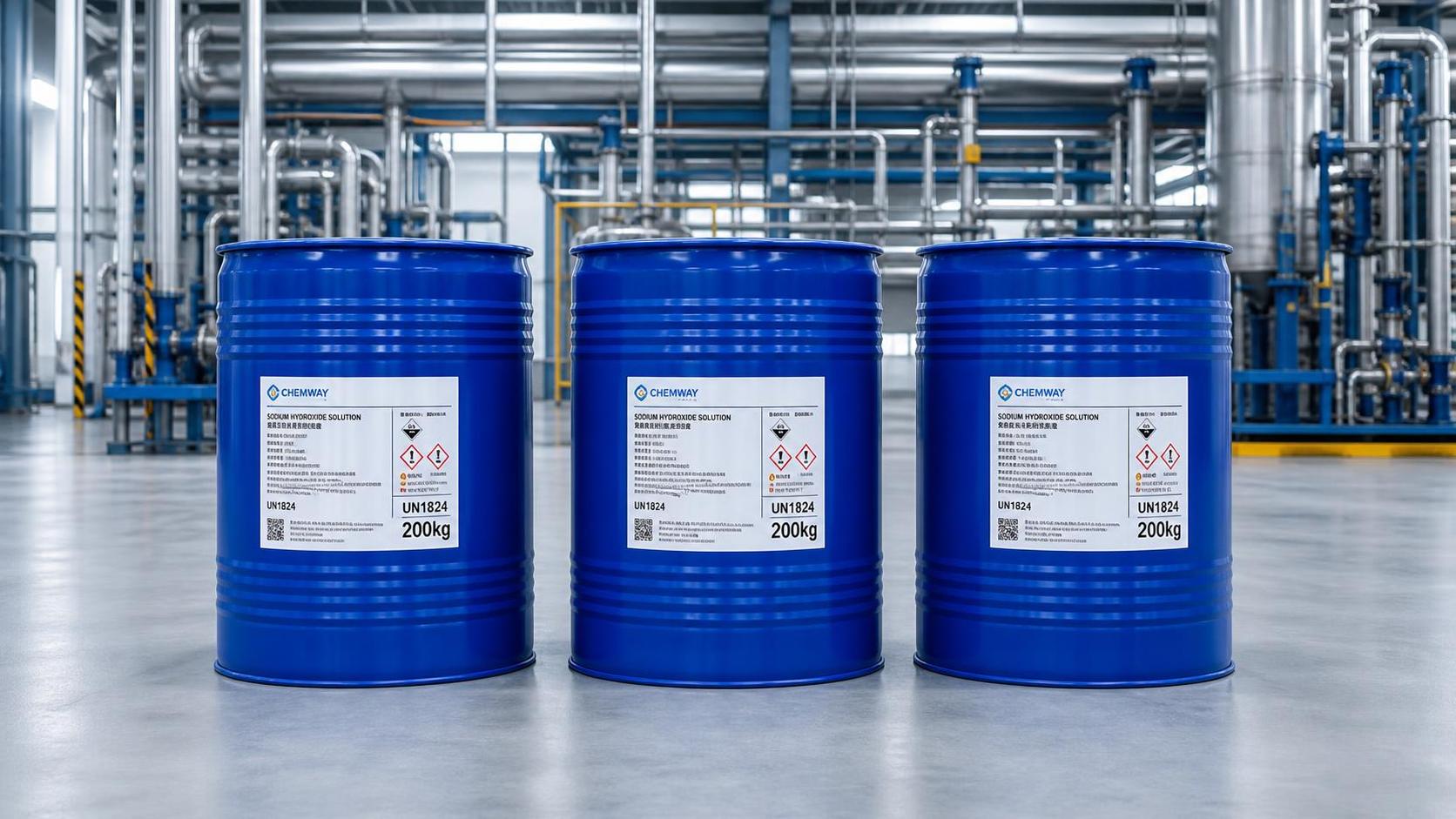
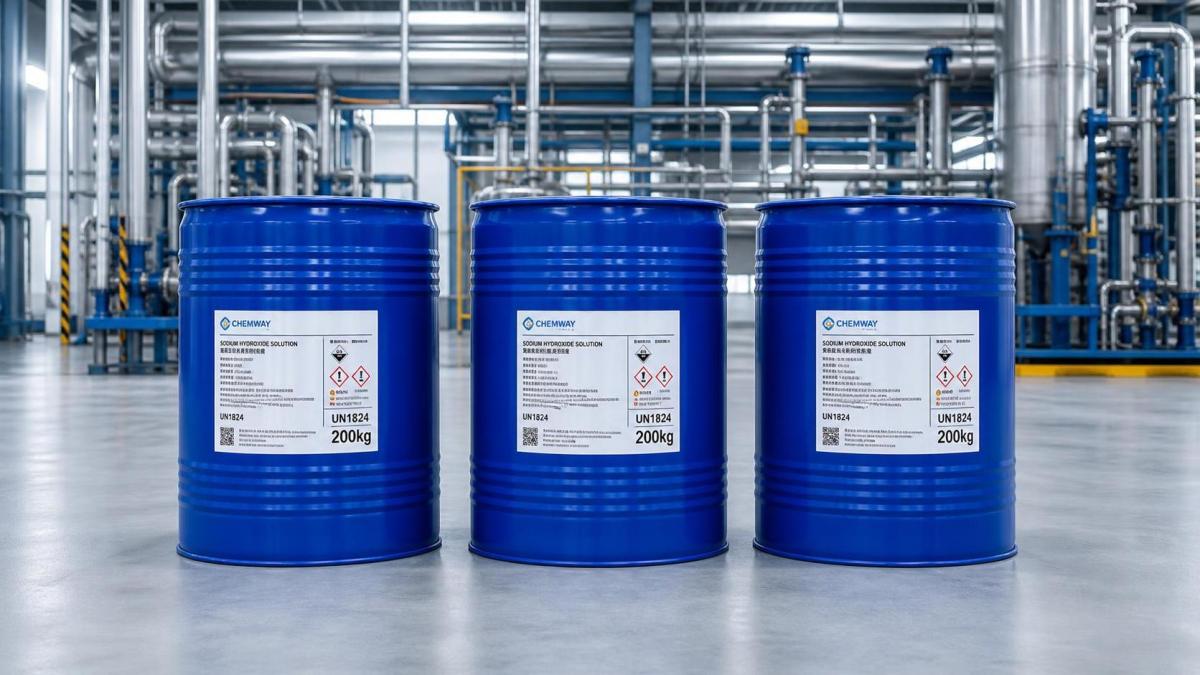
According to the information provided, Jinan Chuangshi Chemical is currently supplying Multiethylene Polyamine. The product is manufactured using proprietary processes from either Dow or Tosoh, two major global chemical technology providers. The material is offered with a high purity level of 99.5% and is identified by the CAS number 68131-73-7. The primary applications for this specific grade are as a curing agent for epoxy resins and as a key component in the synthesis of high-performance lubricant additives, specifically nitrogen-containing extreme pressure agents. The product is packaged in 200kg drums, and importantly, the supplier indicates support for the provision of Material Safety Data Sheets (MSDS) and Certificates of Analysis (COA) for export purposes.
Implications for the Chemical Value Chain
Direct Trading and Export Enterprises
For companies directly involved in the import and export of specialty amines, this announcement serves as a reminder of the increasing importance of comprehensive documentation. The confirmed availability of MSDS and COA is not just a commercial courtesy; it is often a prerequisite for customs clearance and regulatory compliance in many importing countries. Analysis suggests that trading firms must now ensure that their procurement contracts explicitly require these documents, as a lack of proper certifications can lead to shipment delays, additional scrutiny, or even rejection at the border. The specific mention of ‘export MSDS and COA’ indicates that the supplier is positioning for international trade, which may indicate a tightening of standards in target markets.
Downstream Formulators and Manufacturers
Manufacturers of epoxy curing agents and lubricant additives are the most directly affected downstream users. The availability of a consistently high-purity (99.5%) raw material from a single source can potentially stabilize their own production quality. However, the key concern here is process verification. If a manufacturer has been using a different process or a different purity grade of Multiethylene Polyamine, a switch to this Dow or Tosoh process material might require requalification of their final product. From an industry perspective, this is not a simple substitution; it could involve re-running compatibility tests, performance validations, and stability studies for the final curing agent or additive package. Enterprises should plan for a possible qualification period before fully integrating this new supply into their production lines.
Procurement and Supply Chain Teams
Procurement departments must evaluate the impact on their sourcing strategy. While a new supply source can offer diversification, it also introduces a need for supplier qualification. The specific mention of the Dow and Tosoh process suggests a particular chemistry or production pathway. Procurement teams should verify whether this specific process meets the technical specifications required by their own customers or internal quality standards. Furthermore, the packaging format (200kg drums) is a standard industrial size, but logistics for hazardous materials remain a critical factor. What deserves closer attention is the supplier's ability to consistently meet demand and their adherence to regional and international hazardous material transport regulations (e.g., ADR, IMDG, IATA).
Key Compliance and Operational Considerations for Industry Players
Verification of Certification and Documentation
The first step for any potential buyer should be a thorough review of the provided MSDS and COA. It is essential to check that the COA matches the guaranteed 99.5% purity and confirms the absence of critical impurities. The MSDS must be reviewed to ensure it is compliant with the Globally Harmonized System (GHS) and the specific regulations of the importing country. Companies should not assume that generic documentation is sufficient; a gap analysis between the supplier's documentation and local regulatory requirements is a necessary pre-purchase activity.
Technical Specification and Batch Consistency
Given that the product uses a specific process (Dow or Tosoh), it is crucial to request a detailed technical data sheet (TDS) that includes not just purity but also other critical parameters like viscosity, density, amine value, and color. Downstream users must confirm that these parameters are consistent with their existing formulations. It is recommended to request a pre-production sample for a full in-house validation test before committing to large-volume orders. This is particularly important for the lubricant additive sector, where performance in extreme pressure conditions is highly sensitive to the chemical structure of the additive.
Trade and Customs Compliance
For export-oriented companies, the proper classification of Multiethylene Polyamine under the Harmonized System (HS) code is critical. Incorrect classification can lead to tariff disputes or customs delays. The availability of a COA and MSDS is often a mandatory requirement for obtaining a certificate of origin or other trade facilitation documents. Furthermore, for shipments to certain regions, an end-use statement or a declaration regarding the product's use in military or dual-use applications might be required. Companies should proactively consult with their customs brokers or trade compliance officers to ensure all documentation is in order before the cargo is shipped.
Editorial Analysis: A Signal of Supply Chain Maturation
This update is more appropriately understood as a signal of a maturing supply chain rather than a sudden regulatory change. The fact that the supplier is explicitly highlighting Dow/Tosoh process technology, high purity, and export-grade documentation indicates that the market is moving towards higher standards of transparency and quality assurance. It is not a new law or regulation, but it reflects a market-driven response to existing regulatory pressures (e.g., REACH, TSCA) and customer demands for certified raw materials. The key takeaway for the industry is that the competitive landscape is shifting. Suppliers who can provide traceable, high-quality material with proper compliance documentation are gaining a strategic advantage. Companies that fail to treat this as a new minimum requirement for their procurement may find themselves locked out of premium market segments in the future. Continued observation of how other suppliers respond to this trend—whether they adopt similar high-purity and documentation standards—will be crucial for making long-term strategic sourcing decisions.
Summary and Industry Outlook
In summary, the availability of a high-purity Multiethylene Polyamine from a specific process source, backed by full export documentation, represents a significant data point for the specialty chemical industry. The event itself does not constitute a new law, but it underscores the growing importance of technical compliance and supply chain transparency. For manufacturers and traders, the immediate action is to verify the technical compatibility and documentation accuracy of this new supply option. Looking ahead, this trend is likely to continue, with greater differentiation between commodity-grade and high-purity, certified-grade materials. Enterprises should view this as a benchmark for future supplier evaluations and incorporate these standards into their own procurement and quality control frameworks.
Information Sources and Further Verification
This article is generated based on the provided input, which includes the industry news title 'Multiethylene Polyamine', the event summary regarding Jinan Chuangshi Chemical's supply, and the unspecified event date. Typically, for such specialty chemical supply updates, relevant information may be sourced from official company announcements, product catalogs, and technical data sheets published by the supplier or the technology licensors (e.g., Dow, Tosoh). Specific official source links were not provided in the input. Industry participants are advised to continuously monitor the supplier's official website for updated MSDS and COA versions, and to verify the specific process details (Dow vs. Tosoh) directly with the vendor. Further verification is recommended regarding the exact regulatory acceptance of these documents in target export markets, as customs and environmental agencies may have additional requirements. The long-term market impact will depend on the consistency of supply, the adoption of these materials by major formulators, and any subsequent feedback from end-users regarding product performance.
Technical Specifications
- How to test melt flow consistency in batches of recycled plasticsAuthor :Polymers & Rubber Editorial Team
- When does a cast resin transformer need high-altitude derating?Author :Electrical Components Editorial Team
- How to verify Global Industrial Insights sourcing informationAuthor :Industrial Machinery Editorial Team
Expert Insights

Chief Security Architect
Dr. Thorne specializes in the intersection of structural engineering and digital resilience. He has advised three G7 governments on industrial infrastructure security.
Core Sector // 01
Security & Safety
- How supply disruptions in the manufacturing supply chain affect lead timesAuthor :Global Industrial Core Editorial Team

- Can Global Industrial Insights price tracking be relied on for sourcing?Author :Global Industrial Core Editorial Team

- EU Revises ICE Ban: 90% Target Replaces 100% Phase-Out, Extending Lubricant Demand Through 2030+Author :Global Industrial Core Editorial Team

- Methyl Methacrylate Supply: Navigating Regulatory Standards and Export Compliance for Industrial ApplicationsAuthor :Global Industrial Core Editorial Team

- Guangzhou Qingfanxiang Secures Multiple Patents for Smart Lubricant Production, Enhancing Additive Dosing Precision and Batch ConsistencyAuthor :Global Industrial Core Editorial Team

- Multiethylene Polyamine Supply Update: Regulatory and Compliance Considerations for Epoxy Curing Agents and N-Containing Extreme Pressure AdditivesAuthor :Global Industrial Core Editorial Team

- DuPont Delrin® POM 150 NC010 Now Available Domestically, Offering 20% Cost Reduction Over Traditional PlasticsAuthor :Global Industrial Core Editorial Team

- 2026 China Cable Lubricant Market CAGR Estimated at XX%, Power and New Energy Emerge as Key Growth EnginesAuthor :Global Industrial Core Editorial Team