EU Revises ICE Ban: 90% Target Replaces 100% Phase-Out, Extending Lubricant Demand Through 2030+
Author
Date Published
Reading Time
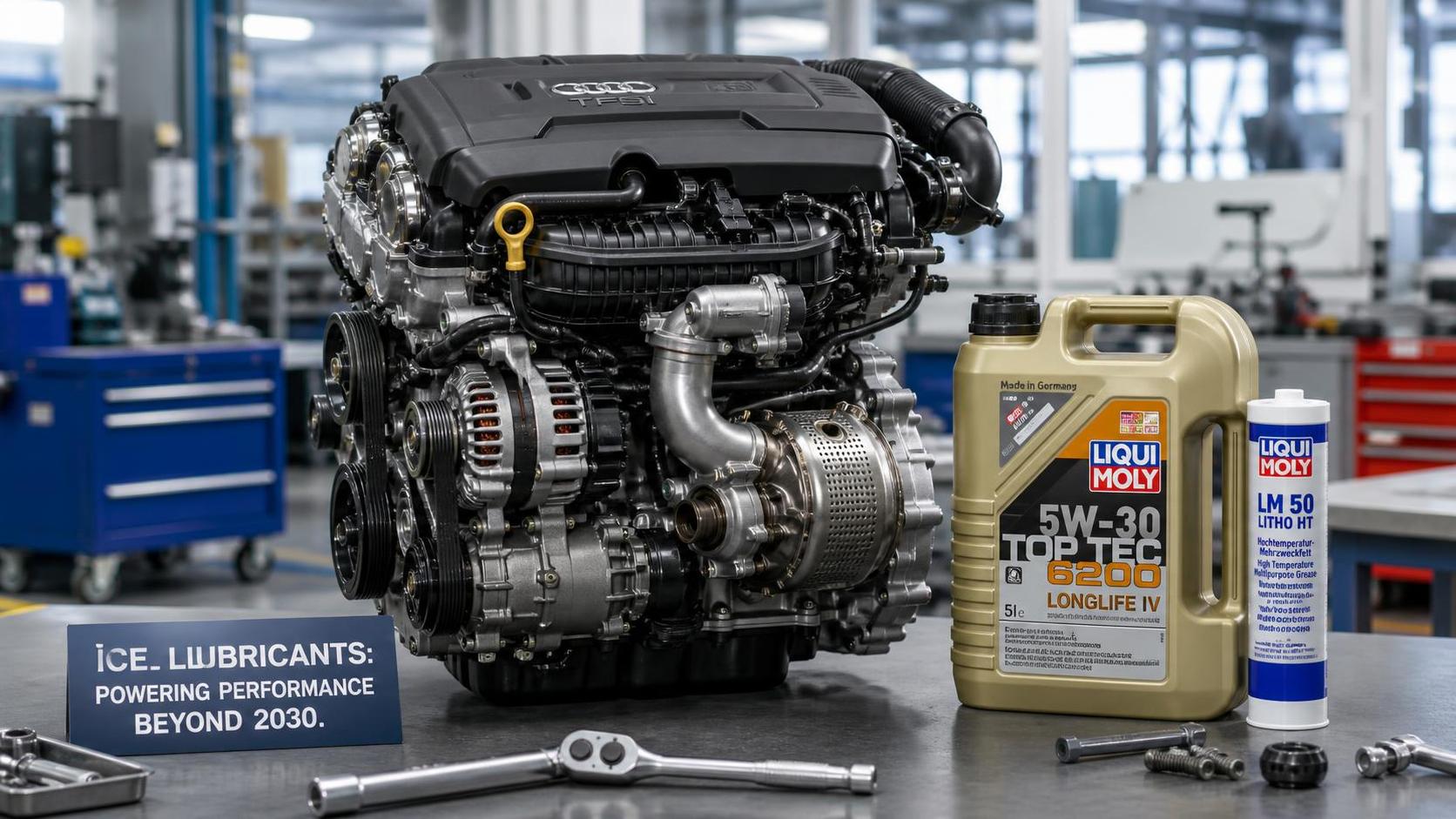
In a significant policy shift, the European Commission has formally adjusted its framework for banning internal combustion engine (ICE) vehicles, lowering the phase-out target from 100% to 90%. This change allows 10% of new vehicle registrations to continue using ICE technology, effectively extending the market window for conventional engine oils and high-temperature greases. The time of the event has not been specified in the input. This development is particularly relevant for lubricant manufacturers, automotive parts suppliers, and aftermarket service providers, as it signals a longer transition period and sustained demand for ICE-related products.
Policy Adjustment: A Shift from Absolute Phase-Out to a 90% Target
According to the input information, the European Commission has officially revised its ICE vehicle sales ban framework. The new policy sets a 90% phase-out target, meaning that 90% of new vehicle registrations must be zero-emission vehicles, while the remaining 10% can still be ICE vehicles. This represents a notable relaxation from the previous 100% ban. The summary also highlights that the average age of vehicles in Europe has reached 12.3 years, a factor that will sustain demand for maintenance and repair lubricants, including imported products, for years to come.
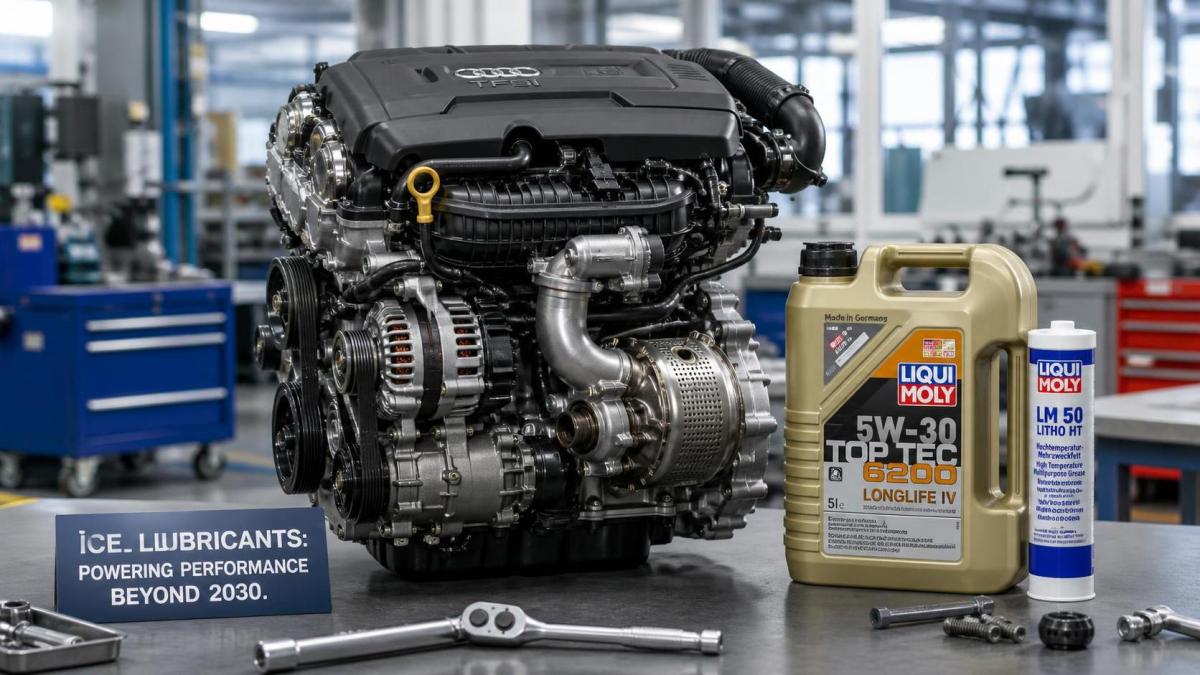
Impact on Industry: Extended Demand for ICE Lubricants and Aftermarket Products
Lubricant Manufacturers and Formulators
The revised framework directly benefits companies producing engine oils, transmission fluids, and high-temperature greases for ICE vehicles. With 10% of new vehicles still using ICE technology, and the existing fleet aging, the demand for conventional lubricants is expected to persist well beyond 2030. Manufacturers should reassess their product portfolios to balance investments in EV-specific fluids with continued production of traditional ICE lubricants. The extended window may also affect R&D priorities and inventory planning.
Exporters and Importers of Lubricants and Spare Parts
For companies involved in the trade of automotive lubricants and maintenance products, the policy change suggests a longer period of stable import demand from Europe. The average vehicle age of 12.3 years implies a robust aftermarket for replacement parts, filters, and lubricants. Exporters should monitor EU customs regulations and any potential changes in certification requirements for ICE-related products. The demand for high-temperature greases and specialty oils used in older vehicles may remain strong, requiring suppliers to maintain a diverse product range.
Aftermarket Service Providers and Repair Shops
Service centers and repair shops across Europe will continue to service ICE vehicles for a longer period. This means sustained demand for maintenance services, oil changes, and component replacements. Businesses in this segment should prepare for a gradual transition, ensuring they have access to both conventional lubricants and the technical knowledge required for servicing older vehicles. The policy adjustment may also influence training programs and equipment investments.
Key Considerations for Businesses: Compliance, Supply Chain, and Strategy
Reassessing Certification and Compliance Efforts
Companies involved in exporting lubricants to the EU should verify that their products continue to meet the latest European standards for automotive lubricants. While the policy change does not immediately alter technical specifications, it may affect the long-term validity of certifications. Exporters should stay updated on any adjustments to CE marking or other relevant compliance requirements for ICE-related products.
Supply Chain and Inventory Planning
The extended demand window means that raw material sourcing for conventional lubricants, such as base oils and additives, should be maintained at adequate levels. Companies should avoid prematurely reducing production capacity for ICE lubricants. Inventory management systems should account for a longer life cycle of these products, especially for high-temperature greases and specialized oils used in older engine models.
Monitoring Policy Implementation and Official Guidelines
As the exact implementation details of the revised framework are not specified in the input, businesses should closely monitor official communications from the European Commission. The definition of the 10% allowance, including which vehicle categories qualify and any potential sunset clauses, will be critical. Companies should also watch for changes in national regulations across EU member states, as local implementation may vary. At this stage, it is more appropriate to understand this as a policy signal that opens a window for continued ICE activity, rather than a fully detailed rule.
Industry Perspective: A Signal of Pragmatic Transition
From an industry perspective, this revision reflects a more pragmatic approach to the energy transition, acknowledging the realities of vehicle longevity and infrastructure readiness. The adjustment does not signify a reversal of the EU's overall decarbonization goals but rather a recognition that the transition will be gradual. What deserves closer attention is how the 10% allowance will be allocated—whether it will be based on technology type, vehicle segment, or manufacturer-specific targets. The lack of detailed implementation guidelines in the input suggests that the industry is still in the early stages of understanding the full impact.
Looking Ahead: What This Means for the Market
The revised ICE ban framework is a significant development for the automotive and lubricant industries. It provides a clearer timeline for the phase-out while extending the commercial viability of ICE products. For now, the policy should be interpreted as a confirmed change in the regulatory direction, but one that requires further monitoring of national implementation and market feedback. The 12.3-year average vehicle age in Europe underscores the continued relevance of the aftermarket, making this a crucial period for strategic planning in the lubricant supply chain.
Information Sources and Further Verification
This article is generated based on the user-provided event title, event time (not specified), and event summary. Typical sources for such policy updates include official announcements from the European Commission, EU regulatory publications, and industry reports from organizations such as the European Automobile Manufacturers' Association (ACEA). As the specific official source link was not provided in the input, readers are advised to verify the details through official EU channels. Ongoing observation is required for policy details, certification implementation, changes in procurement documents, trade execution, industry feedback, and corporate compliance practices.
Technical Specifications
- How to test melt flow consistency in batches of recycled plasticsAuthor :Polymers & Rubber Editorial Team
- When does a cast resin transformer need high-altitude derating?Author :Electrical Components Editorial Team
- How to verify Global Industrial Insights sourcing informationAuthor :Industrial Machinery Editorial Team
Expert Insights

Chief Security Architect
Dr. Thorne specializes in the intersection of structural engineering and digital resilience. He has advised three G7 governments on industrial infrastructure security.
Core Sector // 01
Security & Safety
- How supply disruptions in the manufacturing supply chain affect lead timesAuthor :Global Industrial Core Editorial Team

- Can Global Industrial Insights price tracking be relied on for sourcing?Author :Global Industrial Core Editorial Team

- EU Revises ICE Ban: 90% Target Replaces 100% Phase-Out, Extending Lubricant Demand Through 2030+Author :Global Industrial Core Editorial Team

- Methyl Methacrylate Supply: Navigating Regulatory Standards and Export Compliance for Industrial ApplicationsAuthor :Global Industrial Core Editorial Team

- Guangzhou Qingfanxiang Secures Multiple Patents for Smart Lubricant Production, Enhancing Additive Dosing Precision and Batch ConsistencyAuthor :Global Industrial Core Editorial Team

- Multiethylene Polyamine Supply Update: Regulatory and Compliance Considerations for Epoxy Curing Agents and N-Containing Extreme Pressure AdditivesAuthor :Global Industrial Core Editorial Team

- DuPont Delrin® POM 150 NC010 Now Available Domestically, Offering 20% Cost Reduction Over Traditional PlasticsAuthor :Global Industrial Core Editorial Team

- 2026 China Cable Lubricant Market CAGR Estimated at XX%, Power and New Energy Emerge as Key Growth EnginesAuthor :Global Industrial Core Editorial Team