Alloy Steel Plates vs Carbon Steel: Which Performs Better Under Load
Author
Date Published
Reading Time
Alloy Steel Plates vs Carbon Steel: Which Performs Better Under Load
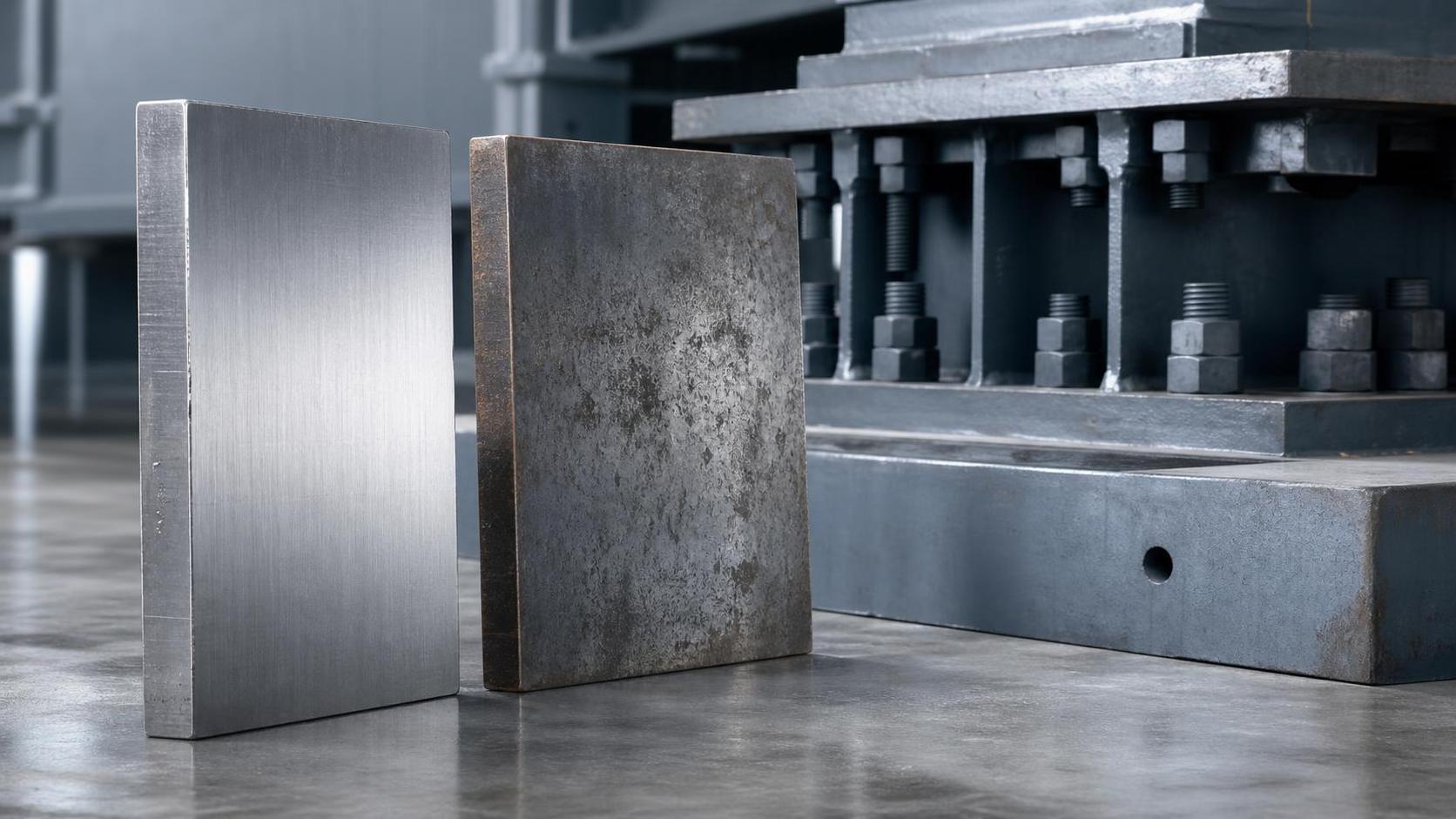
When structural components face repeated stress, impact, or heavy static loads, material choice can directly affect safety, service life, and project cost. For project managers comparing alloy steel plates with carbon steel, understanding strength, toughness, wear resistance, and fabrication trade-offs is essential. This article examines which option performs better under load and how to evaluate the right fit for demanding industrial applications.
If you are making a real buying decision, the short answer is this: alloy steel plates often perform better under demanding load conditions, but they are not automatically the smarter choice. A lot depends on how the load is applied, how the part is fabricated, and what failure mode you are actually trying to avoid. That is where projects usually go off track. Teams compare price per ton before they agree on the loading reality.
Start with the load case, not the material label
“Under load” sounds simple, but it rarely is. A plate carrying a steady compressive load in a support frame is a different job from a plate exposed to impact, vibration, bending, abrasion, or cyclic fatigue. Carbon steel can be perfectly adequate in many static structural uses. If the load is predictable, the environment is moderate, and fabrication speed matters, it often remains the practical baseline.
Alloy steel plates start to earn their keep when the loading is less forgiving: repeated stress cycles, shock loading, low-temperature service, high wear, or when section thickness has to stay controlled while maintaining strength. In those cases, “strong enough on paper” is not the same as reliable in service.
A practical checklist for project managers
- Check whether your governing concern is yield strength, tensile strength, toughness, hardness, or fatigue resistance. Buyers often ask for “high-strength plate” when the real problem is impact cracking or wear loss.
- Look at the service temperature range. Some alloy steel grades are selected because they hold toughness better in colder conditions. Do not assume a carbon steel plate that works in one climate will behave the same in another.
- Review section thickness early. As thickness increases, through-thickness properties, weldability, and heat treatment condition become more relevant. Plate performance under load is never just about chemistry.
- Ask how the plate will be cut, formed, welded, and stress relieved. A stronger alloy plate can lose its advantage fast if the shop is not prepared for the welding procedure, preheat requirements, or post-weld treatment needs.
- Match the specification to a recognized standard, not a sales description. For structural plate, pressure service, wear-resistant applications, or quenched and tempered products, the standard matters more than the brochure language. Exact grade selection should be confirmed against project documents and applicable standards such as ASTM, EN, or equivalent regional requirements.
That last point sounds basic, but it is one of the most common sourcing mistakes. “Alloy steel plates” covers a wide range of products with very different mechanical behavior. Without the grade, delivery condition, and test requirements, you are not comparing like with like.
Where alloy steel plates usually outperform carbon steel
In field discussions, alloy plate is usually chosen for one of four reasons.
One is higher strength-to-thickness potential. If the design needs to control weight or keep plate dimensions compact while still handling heavy loads, alloy grades can give more room than standard carbon steel.
Another is toughness under impact. Equipment in mining, heavy transport, material handling, and some construction environments does not fail because the average load was too high. It fails because real service included shock, misalignment, sudden hits, or repeated dynamic loading.
Wear resistance is also a frequent driver. If the plate is taking both load and abrasive contact, a plain carbon option may deform or lose thickness too quickly. That does not automatically mean you need the hardest plate available. Hardness helps, but excessive hardness can complicate welding and forming. Balance matters.
Then there is fatigue life. This is the quiet cost driver on many projects. If a component sees repeated loading, the better decision may be the material that reduces crack risk over time, even if the upfront plate cost is higher.
Where carbon steel still makes sense
Carbon steel is still the easier answer for many structures, support components, tanks, brackets, base frames, and general fabricated parts where loads are well understood and not especially severe. It is widely available, more familiar to many fabricators, and often simpler to cut, weld, and source across markets.
If the project schedule is tight, this matters. A theoretically better material is not better if procurement lead time, fabrication risk, or inspection requirements push the job off track.
Questions worth asking suppliers before release
For cross-border sourcing, that last issue deserves extra attention. Regional naming conventions and substitute grades can create confusion quickly. If your project is tied to a code, end-user approval, or third-party inspection, treat any substitution as 【待核实】 until the paperwork is reviewed.
The decision rule that holds up in real projects
Choose carbon steel when the load is stable, fabrication simplicity matters, and the design has enough section to work with. Choose alloy steel plates when the loading is harsher, the consequences of wear or fatigue are expensive, or you need better mechanical performance without making the part oversized.
The best buying decision usually comes from one disciplined review: confirm the load type, failure risk, fabrication route, standard, and inspection requirement on the same page before asking for quotes. Once those five are aligned, the material choice becomes much less subjective, and the cost comparison starts to mean something useful.
Technical Specifications
- How to test melt flow consistency in batches of recycled plasticsAuthor :Polymers & Rubber Editorial Team
- When does a cast resin transformer need high-altitude derating?Author :Electrical Components Editorial Team
- How to verify Global Industrial Insights sourcing informationAuthor :Industrial Machinery Editorial Team
Expert Insights

Chief Security Architect
Dr. Thorne specializes in the intersection of structural engineering and digital resilience. He has advised three G7 governments on industrial infrastructure security.
Core Sector // 01
Security & Safety
- How heat treatment affects the toughness of alloy steel platesAuthor :Metals & Fabrication Editorial Team

- Alloy Steel Plates vs Carbon Steel: Which Performs Better Under LoadAuthor :Metals & Fabrication Editorial Team

- Steel Plates: Thickness, Grade, and Cost Trade-OffsAuthor :Metals & Fabrication Editorial Team