AC Electric Motors: Which Efficiency Class Fits Your Load Profile?
Author
Date Published
Reading Time
AC Electric Motors: Which Efficiency Class Fits Your Load Profile?
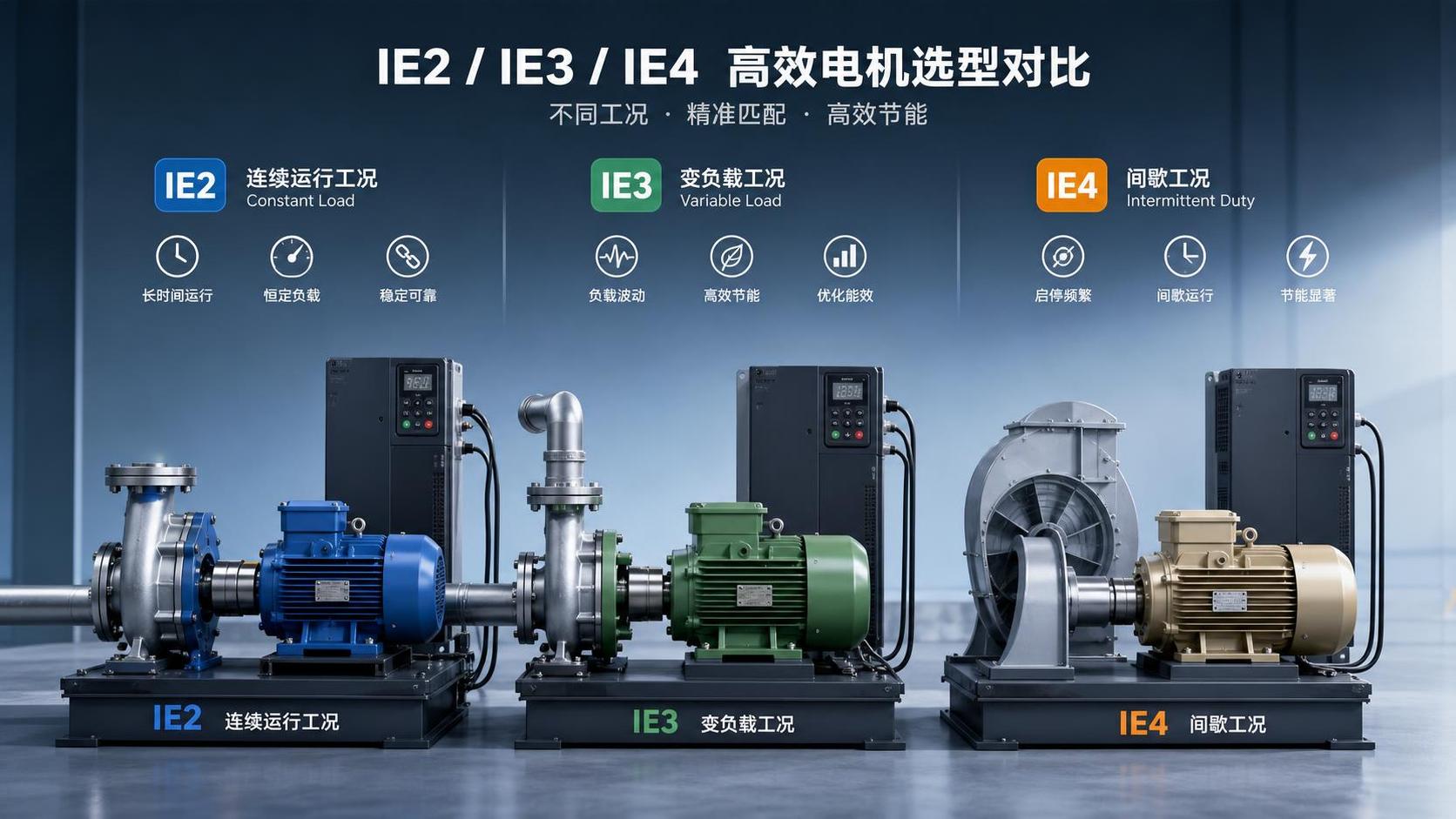
The common mistake in motor selection is treating efficiency class as a simple ranking: IE4 is better than IE3, IE3 is better than IE2, and the decision ends there. In practice, AC electric motors should be matched to the way the load actually behaves. A motor running near full load for long hours in a process line has a very different economic and technical logic from one that starts frequently, spends much of its time lightly loaded, or only operates during peak production windows.
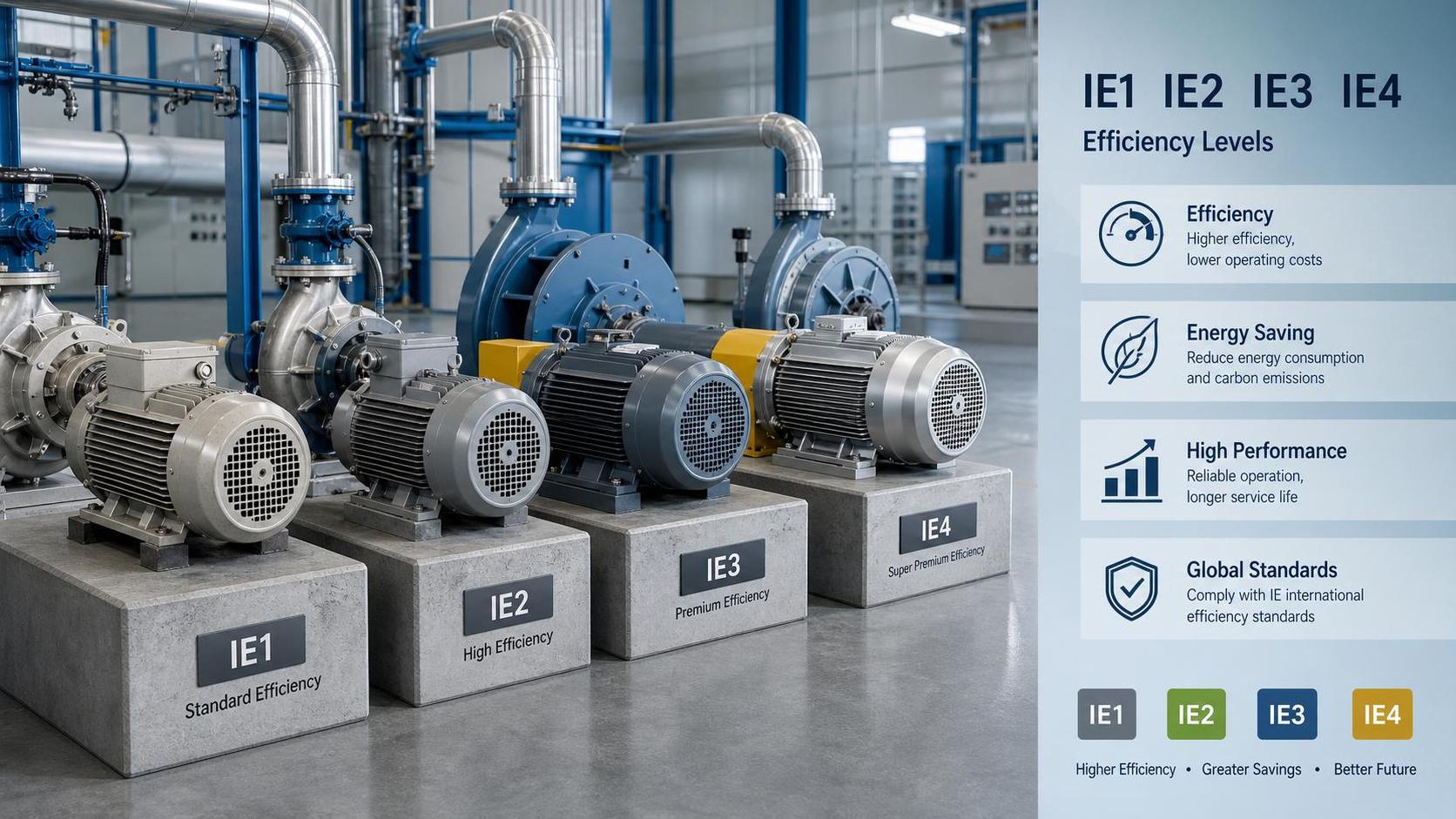
That distinction matters because efficiency classes such as IE2, IE3, and IE4, defined under IEC efficiency frameworks for many low-voltage three-phase motors, describe how much electrical input is converted into shaft output under specified test conditions. They do not, by themselves, tell you whether a given motor is the best choice for your project. They also do not describe the full system. Once a variable frequency drive, gearbox, fan curve, pump duty point, ambient temperature, altitude, and maintenance regime enter the picture, the nameplate class is only one part of the answer.
For project managers, the useful question is not “What is the highest efficiency class available?” but “Where will efficiency produce measurable value in this duty cycle?” If a motor drives a conveyor, compressor, or pump that runs continuously, even a small gain in electrical efficiency can matter over the asset life. If it serves intermittent equipment, the payback may be slower, and other factors such as starting performance, compatibility with the drive, or lead time may carry more weight.
Where Load Profile Changes the Decision
Load profile is often reduced to average load percentage, but that is too crude for serious selection. What matters is the operating pattern: how many hours the motor runs, whether torque demand is steady or variable, how often it starts and stops, and whether it spends long periods below its rated output. Motors are generally designed to deliver their best efficiency close to their intended operating region. Oversizing can therefore cancel part of the expected benefit of choosing a premium-efficiency unit, especially where the actual shaft demand rarely approaches the motor rating.
This is why a lightly loaded motor in a building services application may disappoint on energy performance, even if the catalog specification looks strong. The issue is not that the efficiency class is meaningless. It is that procurement teams sometimes compare motors in isolation while the application behaves as a system with fluctuating demand.
Variable torque applications illustrate the point well. In pumps and fans, using a variable frequency drive to trim speed can produce larger energy savings than moving from one motor efficiency class to the next while still operating at fixed speed. That does not make the motor class irrelevant; it means the decision should be sequenced properly. First confirm the control strategy, then size the motor around the real duty profile, then compare efficiency classes within that narrower and more realistic selection window.
What Higher Efficiency Usually Changes
A higher efficiency motor generally reduces electrical losses, which means less wasted heat. That can improve thermal margin and, in some installations, support longer insulation life or lower cooling burden around the equipment. But that should not be turned into a blanket claim about reliability. Reliability still depends on bearing design, alignment, voltage quality, enclosure protection, contamination, lubrication practice, and how the motor is started and controlled.
There can also be practical tradeoffs. Premium-efficiency motors may differ in frame characteristics, inrush current behavior, rotor design, or drive compatibility requirements depending on manufacturer and motor type. In retrofit work, space constraints and coupling arrangements may matter more than teams expect during early specification. For a greenfield project, these issues are easier to manage, but they should still be checked before the efficiency class is frozen into bid documents.
A Useful Way to Screen Options
This kind of screening is often more useful than debating one efficiency label versus another in abstract terms. It helps align engineering, procurement, and operations around the same project assumptions.
Standards, Compliance, and the Real Procurement Question
Efficiency class also has a compliance dimension. Depending on market and motor category, minimum efficiency requirements may be shaped by local regulations or procurement standards tied to IEC or other regional frameworks. That means the selection process is not only technical but commercial. A motor that fits the load well on paper may still be unsuitable if it complicates certification, import acceptance, or project approval in the destination market.
For international sourcing, buyers should confirm more than the stated IE class. Test basis, rated conditions, enclosure, duty type, and whether the motor will operate with or without a drive all affect how meaningful the catalog claim is. This is where experienced sourcing teams save time: they ask for the performance context, not just the badge.
The best fit is usually the motor whose efficiency class aligns with three things at once: the load profile, the operating schedule, and the compliance environment. When those line up, the selection is easier to defend in a budget review and less likely to create surprises after commissioning. That is a better standard than simply buying the highest class available and hoping the application justifies it.
Technical Specifications
- How to test melt flow consistency in batches of recycled plasticsAuthor :Polymers & Rubber Editorial Team
- When does a cast resin transformer need high-altitude derating?Author :Electrical Components Editorial Team
- How to verify Global Industrial Insights sourcing informationAuthor :Industrial Machinery Editorial Team
Expert Insights

Chief Security Architect
Dr. Thorne specializes in the intersection of structural engineering and digital resilience. He has advised three G7 governments on industrial infrastructure security.
Core Sector // 01
Security & Safety
- When should industrial electric motors use variable-speed drives?Author :Electrical Components Editorial Team

- What to verify before choosing a motor drives manufacturerAuthor :Electrical Components Editorial Team

- How motor efficiency ratings affect lifetime energy costsAuthor :Electrical Components Editorial Team

- AC Electric Motors: Which Efficiency Class Fits Your Load Profile?Author :Electrical Components Editorial Team

- Electric Motors: IE Ratings, Efficiency, and Energy CostAuthor :Electrical Components Editorial Team