What Drives Polypropylene Price Changes in Packaging and Injection Molding?
Author
Date Published
Reading Time
What Really Moves Polypropylene Prices in Packaging and Injection Molding
Polypropylene pricing is often discussed as if it were a single market number, but buyers in packaging and injection molding know that is not how procurement works in practice. A reported polypropylene price may reflect homopolymer raffia grade in one region, while a converter is actually buying injection grade copolymer under a quarterly contract in another. That gap matters. When people ask why polypropylene price levels are rising or falling, the useful question is narrower: which grade, which region, which delivery basis, and over what time horizon?
For packaging and molded parts, the first layer of price movement usually starts upstream. Polypropylene is tied to the propylene chain, so changes in refinery operations, steam cracker economics, and propane or naphtha balances can feed into resin costs. Buyers do not need to trade feedstocks to understand the implication. When propylene tightens, resin producers have less room to hold prices steady, especially if inventory is already thin. When feedstock pressure eases but resin prices remain firm, that often points to something else in the chain: reduced operating rates, delayed imports, or stronger downstream demand.
Why Packaging and Injection Molding Do Not React the Same Way
Packaging demand tends to be broad, repetitive, and tied to consumer staples, food distribution, and logistics activity. Injection molding is more fragmented. It can be pulled by household goods, automotive components, storage products, appliances, or thin-wall containers, depending on the market. That means the same resin family can experience different pricing pressure by application.
In soft demand periods, film and flexible packaging converters may still keep orders moving because end-use consumption does not stop. Molders serving discretionary sectors can cut purchases faster. In a recovery phase, the reverse can happen: injection demand returns sharply as distributors rebuild stock, while commodity packaging stays comparatively stable. So a buyer evaluating polypropylene price trends should avoid reading demand through one application lens only.
Grade substitution also has limits. On paper, polypropylene is polypropylene. In real production, melt flow, stiffness, impact performance, clarity, and processing behavior narrow the options quickly. A packaging line designed around a specific random copolymer cannot always switch to a lower-cost injection grade without quality or runnability issues. That is one reason market tightness can remain severe even when general resin availability appears adequate.
Supply Disruptions Usually Matter More Than Headlines Suggest
Plant outages, force majeure declarations, maintenance turnarounds, and unplanned utility failures regularly move polypropylene price expectations faster than published benchmark reports. The effect is not only about lost volume. It also changes negotiating behavior across the chain. Distributors become less willing to commit, producers protect allocations, and buyers who normally purchase hand-to-mouth start covering forward. That short-term scramble can lift spot prices well beyond what feedstock costs alone would justify.
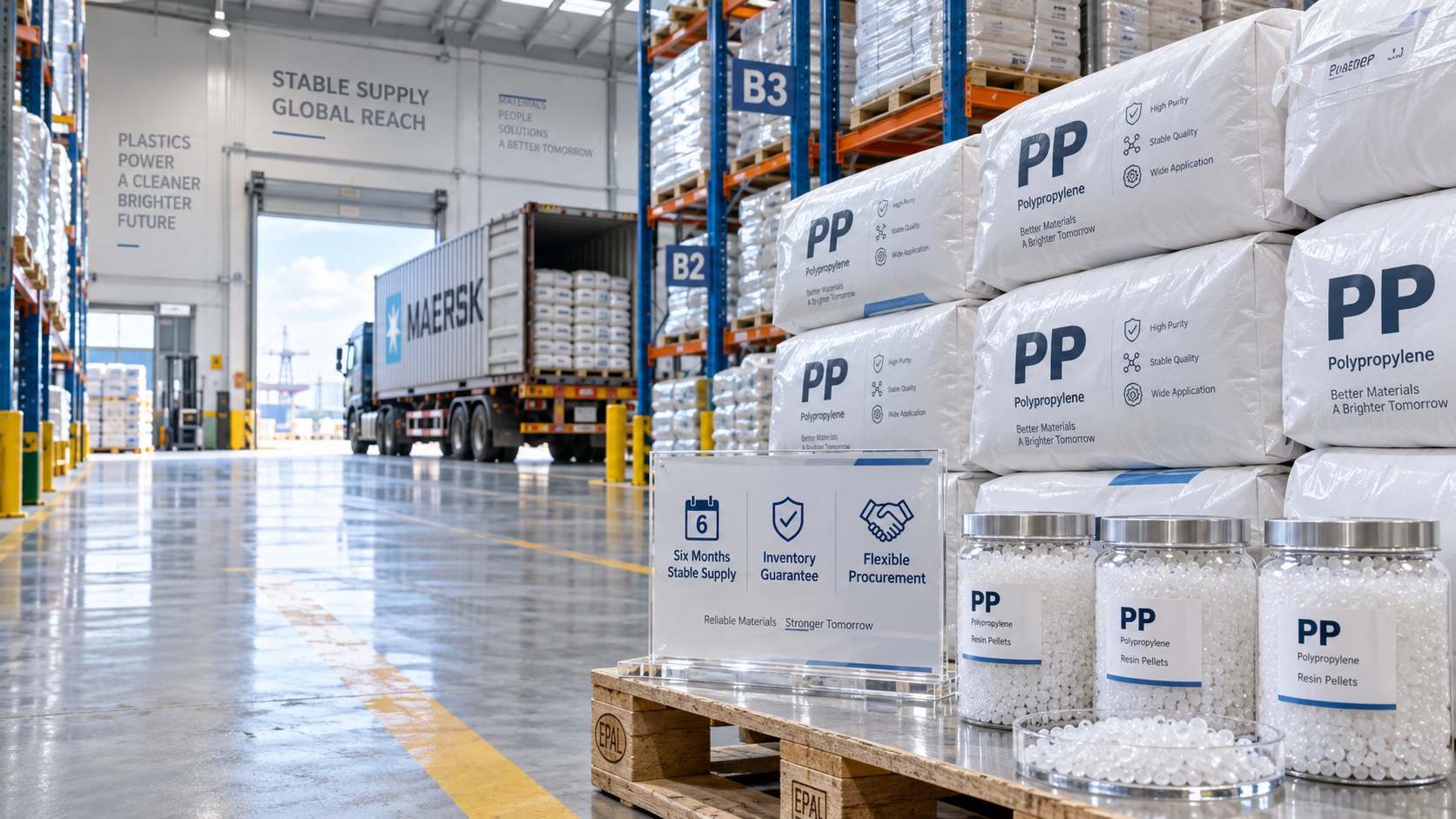
Regional concentration makes this more visible. If a market relies heavily on a limited producer base or imported cargoes from a few origins, even a modest disruption can tighten availability. For business evaluators, this is where supplier structure matters as much as nominal price. Two offers at the same level do not carry the same risk if one depends on a long import route with uncertain vessel space and the other comes from a producer with local inventory.
Freight, Currency, and Trade Policy Can Rewrite the Landed Cost
A common mistake is to track resin quotations while ignoring everything between the port and the machine. Ocean freight swings, container shortages, inland trucking constraints, and currency moves can reshape landed polypropylene cost even when ex-works or FOB resin numbers look stable. That is especially relevant for import-dependent buyers comparing offers from the Middle East, Asia, Europe, or the Americas.
Trade policy adds another layer. Anti-dumping actions, sanctions, tariff adjustments, customs enforcement, and certification checks do not always change the polymer itself, but they can alter sourcing viability overnight. In some markets, a supplier with the lowest nominal quote becomes the highest-risk option once documentation, clearance delays, or origin restrictions are considered. For packaging converters supplying regulated sectors such as food contact applications, compliance paperwork is part of commercial reality, not an administrative footnote.
What Buyers Should Watch Instead of a Single Price Chart
The most useful reading of polypropylene price trends comes from combining several signals rather than relying on one market headline:
- Propylene and broader energy movement, because they shape cost pressure upstream.
- Producer operating rates and outage news, because availability often drives near-term negotiation.
- Inventory levels at distributors and converters, which indicate whether the market is short or merely cautious.
- Import arbitrage and freight conditions, especially where overseas cargo competes with domestic supply.
- Demand health by end-use sector, not just by “plastics” as a broad category.
It is also worth separating contract and spot behavior. Spot prices can move abruptly on sentiment and temporary shortages. Contract pricing usually reacts more slowly but may lock buyers into a level that looks unattractive if the market turns down. Neither approach is automatically better. The right structure depends on production continuity requirements, inventory carrying capacity, and tolerance for volatility.
One more point is often overlooked: lower price does not always mean better buying. If a cheaper offer comes with vague lead times, unclear grade consistency, or substitution risk, the eventual cost may show up as line stoppage, scrap, or customer complaints. In packaging and injection molding, resin economics are inseparable from process stability.
For procurement teams evaluating the next move, the practical approach is to treat polypropylene price changes as a market signal, not a standalone verdict. Ask what is driving the move, how long that driver is likely to last, and whether it affects your grade, region, and delivery model in the same way it affects the headline market. That is usually where better sourcing decisions begin.
Technical Specifications
- How to test melt flow consistency in batches of recycled plasticsAuthor :Polymers & Rubber Editorial Team
- When does a cast resin transformer need high-altitude derating?Author :Electrical Components Editorial Team
- How to verify Global Industrial Insights sourcing informationAuthor :Industrial Machinery Editorial Team
Expert Insights

Chief Security Architect
Dr. Thorne specializes in the intersection of structural engineering and digital resilience. He has advised three G7 governments on industrial infrastructure security.
Core Sector // 01
Security & Safety
- How to test melt flow consistency in batches of recycled plasticsAuthor :Polymers & Rubber Editorial Team

- Which thermoplastic elastomers stay flexible at low temperatures?Author :Polymers & Rubber Editorial Team

- Which Shore hardness suits soft touch TPE for handheld grips?Author :Polymers & Rubber Editorial Team

- Should Buyers Lock In Polypropylene Prices for Six Months?Author :Polymers & Rubber Editorial Team

- Why Do Polypropylene Prices Differ by Region?Author :Polymers & Rubber Editorial Team

- What Drives Polypropylene Price Changes in Packaging and Injection Molding?Author :Polymers & Rubber Editorial Team

- How to Evaluate a Polyethylene Manufacturer for Long-Term Supply ReliabilityAuthor :Polymers & Rubber Editorial Team

- Polypropylene Material Properties: Where PP Works Well and Where It Does NotAuthor :Polymers & Rubber Editorial Team