High-Purity Molybdenum Disulfide Powder Targets Extreme Environment Lubrication
Author
Date Published
Reading Time
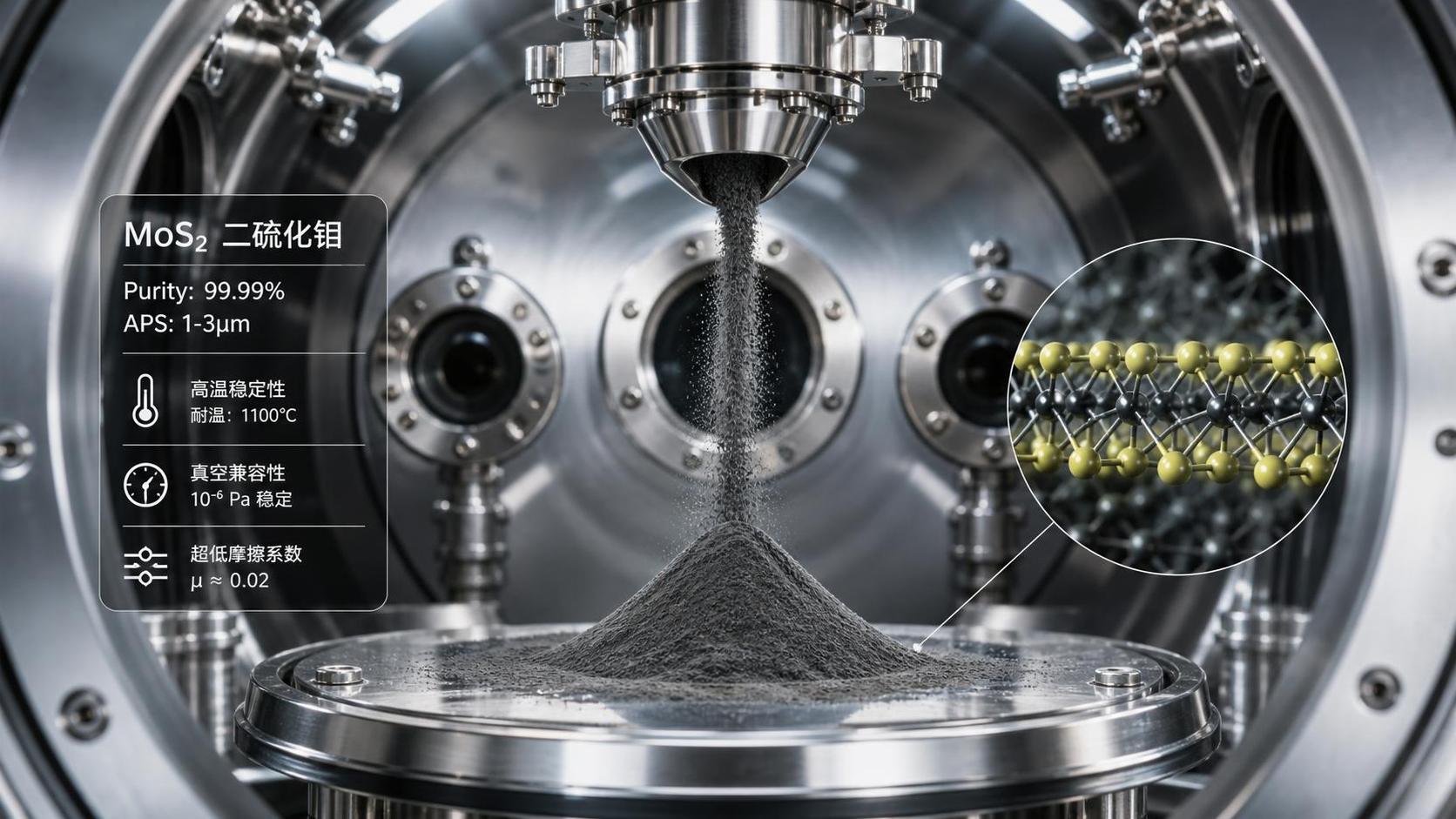
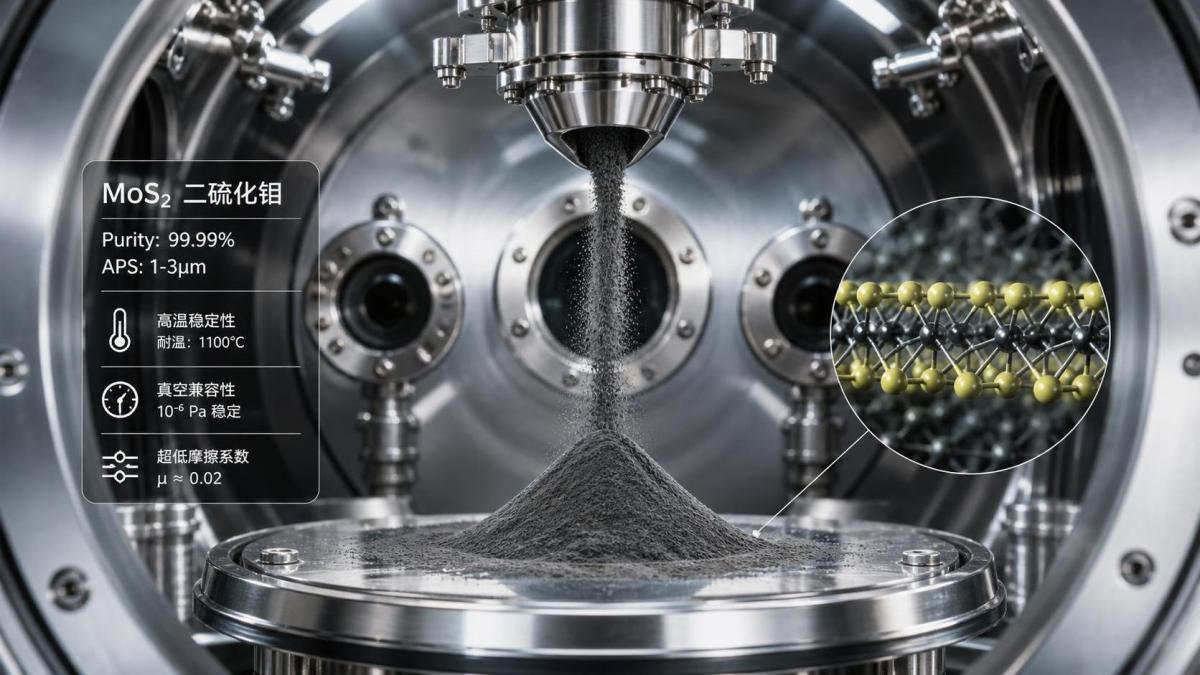
Hubei Chengfeng Chemical has introduced a 99.99% high-purity molybdenum disulfide (MoS₂) powder, positioning the material as a specialized solution for solid lubrication and lubricant modification under extreme conditions. The product, with a melting point of 1185°C and a Mohs hardness of 1.0–1.5, is designed for use in high-temperature, high-vacuum, and highly corrosive environments.
Material Properties and Application Scope
Molybdenum disulfide is known for its low friction coefficient and high load-bearing capacity, which stem from its layered crystal structure. The 99.99% purity grade offered by Hubei Chengfeng Chemical is intended to meet the requirements of demanding industrial applications where standard lubricants may fail.
Key characteristics of the material include:
- Thermal stability: A melting point of 1185°C allows the powder to retain lubricating properties at temperatures where conventional oils or greases degrade.
- Hardness: With a Mohs hardness of 1.0–1.5, the material is soft enough to avoid abrasive wear on mating surfaces.
- Chemical resistance: Suitability for strong corrosive environments broadens its use in chemical processing and related sectors.
Potential Industry Use Cases
Based on the product specifications, the powder could be considered for several industrial roles:
- Solid lubricant films: Applied directly to surfaces in vacuum systems or high-temperature machinery where liquid lubricants evaporate or decompose.
- Additive for greases and oils: Blended into existing lubricant formulations to improve extreme pressure performance and reduce friction.
- Composite material filler: Incorporated into polymer or metal matrix composites to enhance self-lubricating properties.
Supply Chain Considerations
The company states that the product supports export packaging and is accompanied by MSDS certification. This suggests that the material is prepared for international distribution, which may be relevant for procurement teams in industries such as aerospace, automotive manufacturing, and heavy equipment maintenance.
For buyers operating in regulated or quality-sensitive markets, the availability of MSDS documentation and specified purity levels provides a basis for material evaluation and compliance with internal quality standards.
Observations on Market Positioning
From the current information, the introduction of this high-purity MoS₂ powder appears to target niche applications rather than high-volume commodity use. The emphasis on extreme environments and high purity indicates that the product is aimed at users who require consistent performance under specific technical constraints.
Industries that may find this material relevant include those involved in semiconductor manufacturing, precision engineering, and energy equipment, where reliability under harsh conditions is a priority. The ability to modify existing lubricants with a high-purity additive could also appeal to formulators seeking to differentiate their products.
As the industrial sector continues to push equipment into higher temperatures and more aggressive chemical environments, the availability of specialized solid lubricants like this MoS₂ powder may become an increasingly important factor in maintenance and design decisions.
Technical Specifications
- How to test melt flow consistency in batches of recycled plasticsAuthor :Polymers & Rubber Editorial Team
- When does a cast resin transformer need high-altitude derating?Author :Electrical Components Editorial Team
- How to verify Global Industrial Insights sourcing informationAuthor :Industrial Machinery Editorial Team
Expert Insights

Chief Security Architect
Dr. Thorne specializes in the intersection of structural engineering and digital resilience. He has advised three G7 governments on industrial infrastructure security.
Core Sector // 01
Security & Safety
- How supply disruptions in the manufacturing supply chain affect lead timesAuthor :Global Industrial Core Editorial Team

- Can Global Industrial Insights price tracking be relied on for sourcing?Author :Global Industrial Core Editorial Team

- EU Revises ICE Ban: 90% Target Replaces 100% Phase-Out, Extending Lubricant Demand Through 2030+Author :Global Industrial Core Editorial Team

- Methyl Methacrylate Supply: Navigating Regulatory Standards and Export Compliance for Industrial ApplicationsAuthor :Global Industrial Core Editorial Team

- Guangzhou Qingfanxiang Secures Multiple Patents for Smart Lubricant Production, Enhancing Additive Dosing Precision and Batch ConsistencyAuthor :Global Industrial Core Editorial Team

- Multiethylene Polyamine Supply Update: Regulatory and Compliance Considerations for Epoxy Curing Agents and N-Containing Extreme Pressure AdditivesAuthor :Global Industrial Core Editorial Team

- DuPont Delrin® POM 150 NC010 Now Available Domestically, Offering 20% Cost Reduction Over Traditional PlasticsAuthor :Global Industrial Core Editorial Team

- 2026 China Cable Lubricant Market CAGR Estimated at XX%, Power and New Energy Emerge as Key Growth EnginesAuthor :Global Industrial Core Editorial Team