When are porcelain wall tiles the right choice for shower walls?
Author
Date Published
Reading Time
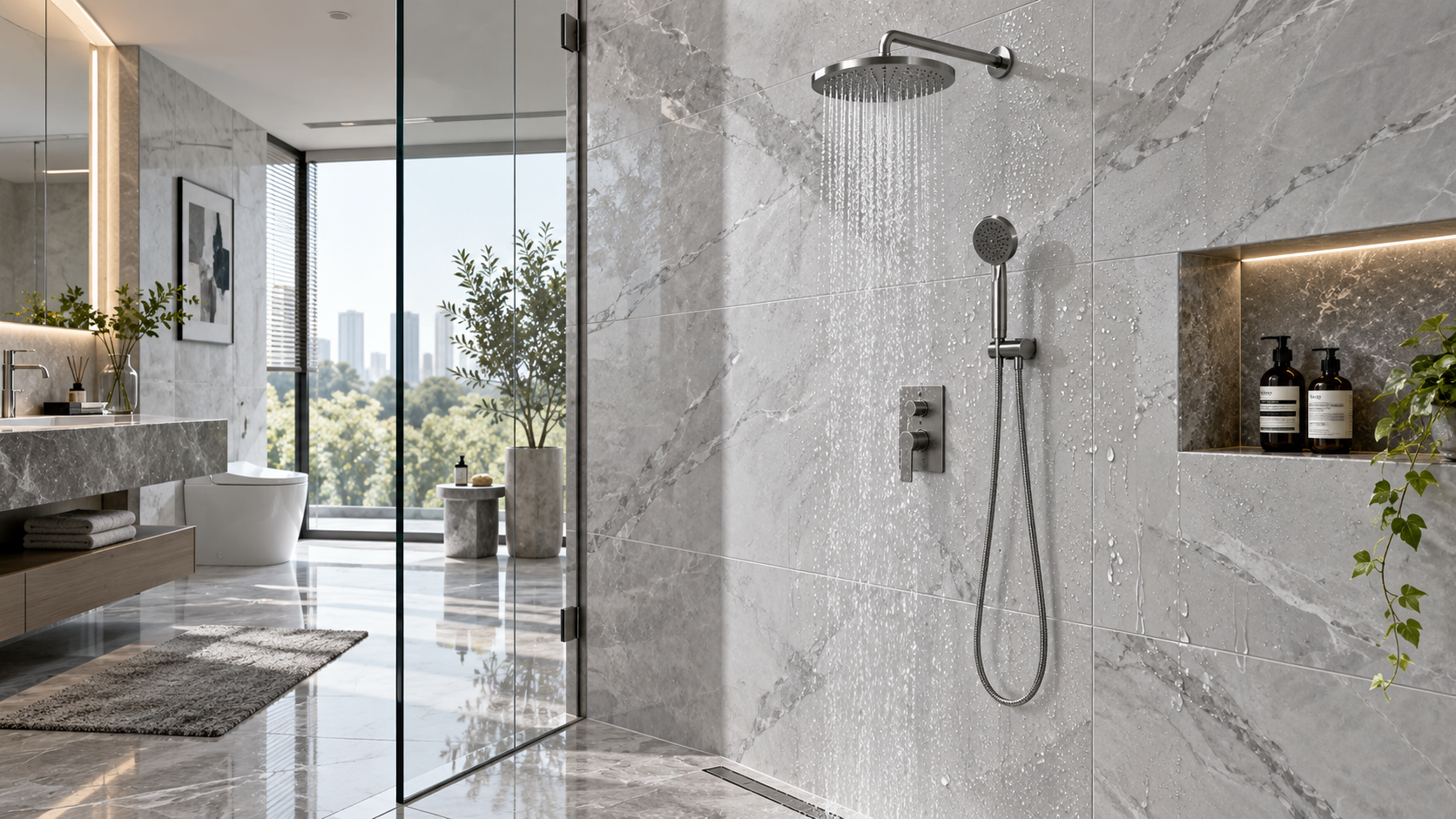
Porcelain wall tiles are often a smart choice for shower walls when homeowners want lasting water resistance, easy maintenance, and a polished look.
But they are not automatically the best option for every bathroom project. Tile size, wall condition, budget, installation quality, and desired style all matter.
For most households, porcelain is a particularly strong fit for frequently used showers, family bathrooms, wet rooms, and renovations intended to add long-term value.
The key point is simple: porcelain wall tiles perform exceptionally well in wet environments, but the installation system matters just as much as the tile.
Start With the Main Question: Is Your Shower a High-Moisture Space?
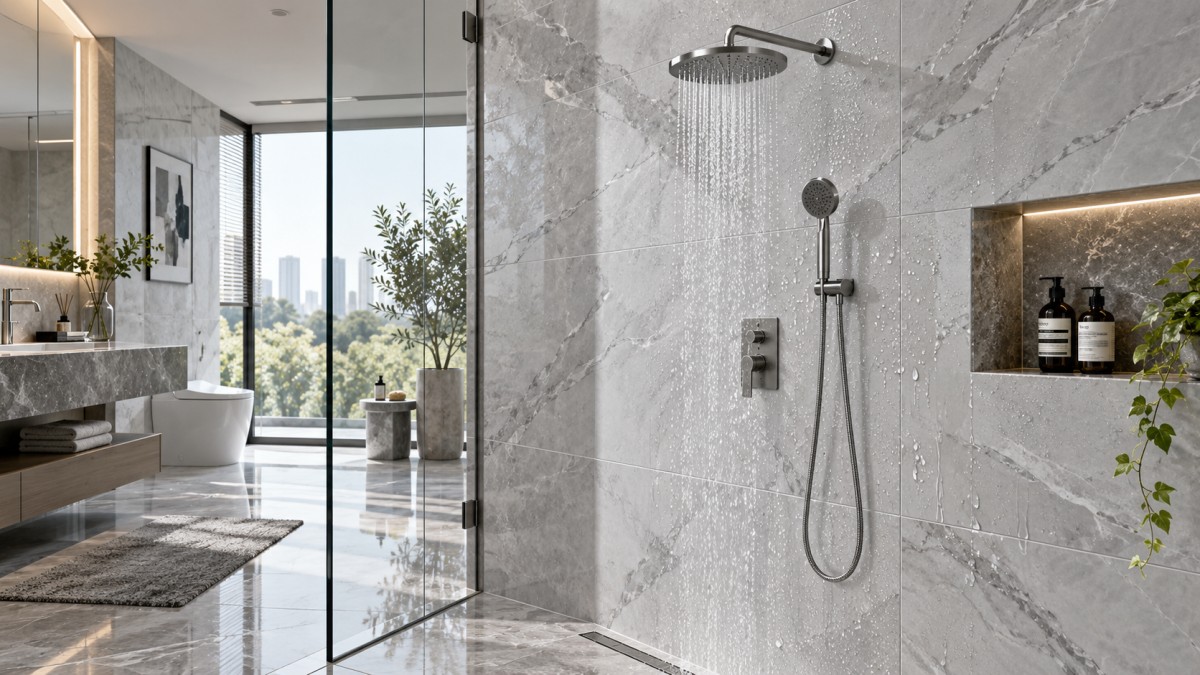
Porcelain wall tiles are most appropriate when the shower receives regular use and walls need dependable protection from splashes, humidity, soap residue, and cleaning products.
A shower enclosure is one of the most demanding surfaces in a home. Water repeatedly reaches corners, grout lines, niches, valves, and wall-to-floor transitions.
Porcelain has a very low water absorption rate, generally below 0.5 percent. This makes it highly resistant to moisture penetration under normal conditions.
That low absorption helps porcelain remain stable in humid bathrooms. It is less likely to swell, warp, discolor, or deteriorate because of routine exposure.
For homeowners replacing painted drywall, laminate panels, or aging ceramic tile, porcelain offers a durable finish designed for years of shower use.
It is especially suitable for main bathrooms, children's bathrooms, guest bathrooms with frequent visitors, and rental properties where maintenance needs to stay manageable.
Porcelain can also be a practical option for curbless showers and wet-room layouts, where moisture may reach a wider portion of the surrounding walls.
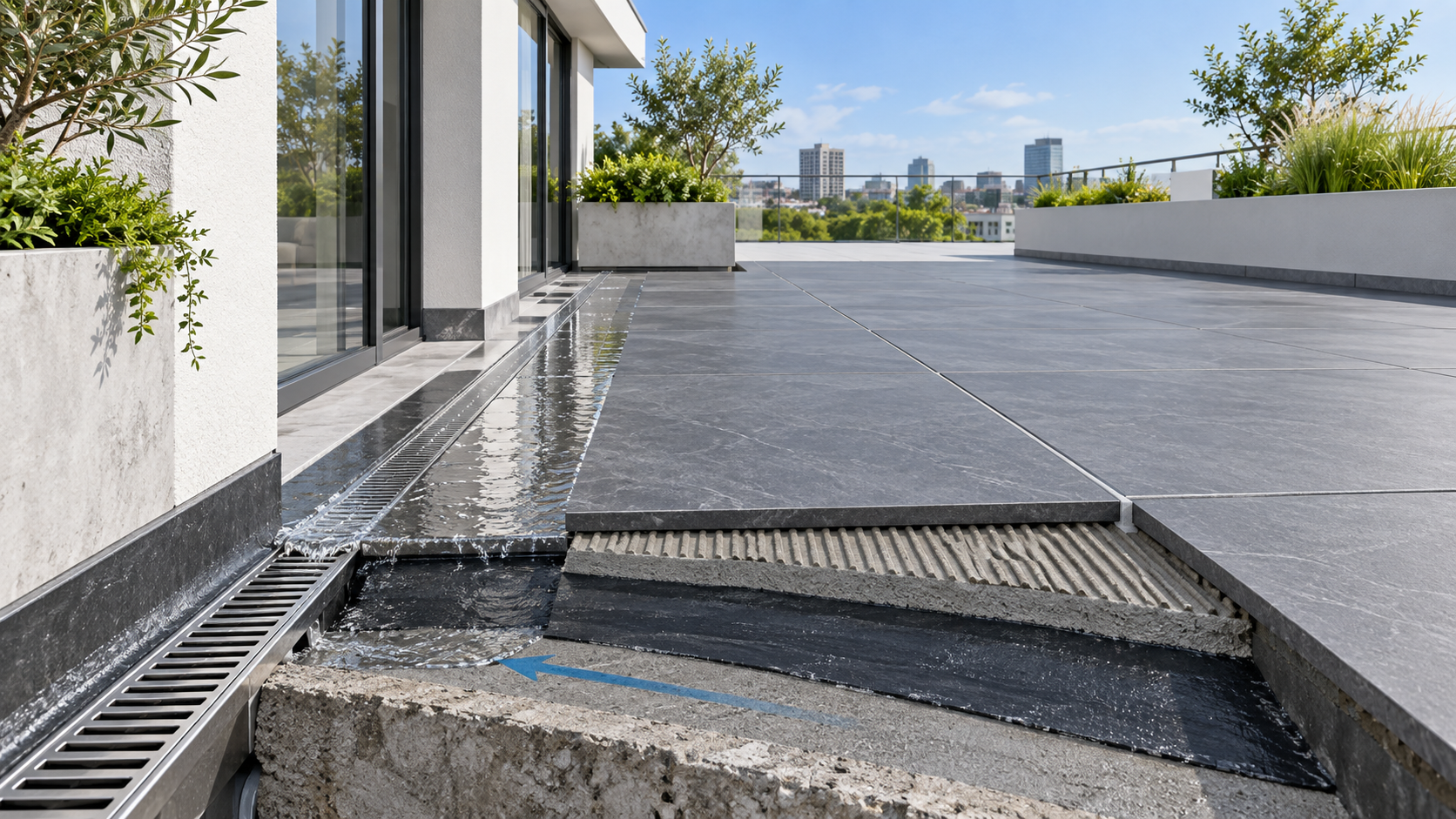
However, tile itself is not waterproofing. A shower wall still needs an approved waterproof membrane or backer-board system beneath the porcelain surface.
Why Porcelain Performs So Well on Shower Walls
Porcelain wall tiles are made from refined clay and minerals fired at very high temperatures. The firing process creates a dense, hard, low-porosity material.
This density is the main reason porcelain is trusted in bathrooms. It withstands daily moisture better than many porous natural stones and decorative wall coverings.
Its surface also resists stains well. Shampoo, body wash, conditioner, makeup, and common household cleaners are less likely to leave permanent marks.
For busy households, cleaning is a major advantage. Most porcelain shower walls only require a mild cleaner, warm water, and a soft cloth.
Unlike some natural stone finishes, porcelain does not typically require periodic sealing. This reduces ongoing maintenance costs and avoids one more renovation task.
Porcelain is also highly durable against scratches and surface wear. Although shower walls receive less abrasion than floors, durability remains valuable during cleaning and use.
Modern manufacturing gives homeowners extensive design options. Porcelain can reproduce marble, limestone, concrete, wood, terrazzo, metal, and handmade ceramic appearances convincingly.
This flexibility means a homeowner can choose a luxury visual style without accepting the higher care requirements associated with certain natural materials.
Color consistency is another useful benefit. Reputable tile collections are produced in controlled batches, helping contractors create a more coordinated wall finish.
When Porcelain Is a Better Choice Than Ceramic Tile
Both ceramic and porcelain tiles can work on shower walls. The decision usually depends on moisture exposure, budget, tile format, and expectations for long-term performance.
Standard ceramic wall tile is often less expensive and easier to cut. It remains a reasonable choice for low-use bathrooms and straightforward tiled shower surrounds.
Porcelain becomes more compelling when homeowners prioritize water resistance, dense material construction, larger-format tile, or a renovation expected to last for many years.
Large porcelain panels and slabs can create fewer grout lines, giving shower walls a more continuous appearance. Ceramic collections may offer fewer options at those dimensions.
Porcelain is also useful when matching shower walls with bathroom floors. Using coordinated porcelain collections can create a visually unified, professionally planned space.
Still, choosing porcelain solely because it sounds more premium is not necessary. A properly installed ceramic tile shower can also perform well for decades.
The stronger comparison is not porcelain versus ceramic in isolation. It is a complete system comparison including waterproofing, substrate preparation, grout, sealant, and workmanship.
If the budget difference would force compromises in waterproofing or installer quality, prioritize the installation system before upgrading the tile material.
Choose the Right Tile Size for Your Shower Layout
Tile size affects appearance, cleaning effort, waste, installation difficulty, and the number of grout joints exposed to moisture. It deserves more attention than many buyers give it.
Large-format porcelain wall tiles create a clean, contemporary look. Fewer joints can make shower walls feel larger and reduce the amount of grout requiring maintenance.
Popular large formats include 12 by 24 inches, 24 by 24 inches, and larger rectangular panels. Exact availability varies by manufacturer and market.
However, large tiles demand flatter walls. Uneven framing, bowed backer board, or poorly prepared surfaces can cause lippage, alignment problems, and visible installation defects.
Smaller porcelain tiles can be easier to fit around niches, windows, pipes, benches, and irregular layouts. They also suit more traditional or detailed designs.
Mosaic porcelain tile is often used as an accent rather than the main wall surface. More grout lines add visual texture but increase cleaning requirements.
Before buying, measure each shower wall and ask the installer how tile dimensions will affect cuts. Avoid narrow slivers along prominent edges whenever possible.
Planning the layout before purchase can prevent disappointing results. A beautiful tile may look less refined if the final arrangement produces awkward cuts around fixtures.
Consider Surface Finish Before Selecting a Design
Porcelain wall tiles are available in glossy, matte, satin, polished, textured, and relief finishes. Each surface changes how the shower looks and how it feels to maintain.
Glossy porcelain reflects light effectively, making compact bathrooms feel brighter. It is often useful in windowless bathrooms or shower enclosures with limited lighting.
Its drawback is visibility. Water spots, dried mineral deposits, fingerprints, and soap residue can show more easily on dark glossy tiles.
Matte porcelain offers a softer, calmer appearance and often hides water spotting better. It works well in contemporary bathrooms with stone, concrete, or natural-inspired finishes.
Textured or deeply embossed wall tiles add character, but they can be harder to clean. Reserve highly textured products for accents outside the heaviest spray zones.
Polished marble-look porcelain can create an upscale result with less upkeep than real marble. It is a practical option for homeowners seeking a hotel-inspired bathroom.
When comparing samples, view them under the bathroom's actual lighting. Showroom lighting can make colors, gloss levels, and surface texture look different from home conditions.
Also consider local water hardness. In areas with mineral-heavy water, mid-tone matte porcelain is often more forgiving than glossy black or very dark tile.
Installation Quality Determines Whether the Shower Lasts
Even the best porcelain wall tiles cannot compensate for poor shower construction. Most serious tile failures begin behind the visible surface, not within the porcelain itself.
Shower walls need a suitable substrate, such as cement board or an approved foam backer system. Ordinary drywall should not be used in wet shower areas.
The installer should create a continuous waterproof layer according to the selected system. This includes seams, corners, screw penetrations, niches, benches, and plumbing openings.
Waterproofing should direct water toward the shower base rather than trapping moisture behind wall tile. Ask what system will be used before installation begins.
For large porcelain tiles, installers may need specialized cutting equipment, leveling systems, and appropriate thin-set mortar. These requirements can increase labor costs.
Qualified installers also plan movement joints. Flexible sealant is normally used at changes of plane, including wall corners and wall-to-floor intersections.
Rigid grout in these transition areas can crack as the building moves. Proper sealant details help maintain both appearance and water resistance over time.
Request photos of previous shower work, especially projects using porcelain tiles similar in size to your chosen product. Experience matters more with larger formats.
A detailed written quote should identify demolition, wall repair, waterproofing, tile installation, grout, sealant, fixture cuts, and disposal. Vague quotes create avoidable surprises.
Factor in Grout, Edges, and Practical Cleaning Needs
Homeowners often focus on tile color while overlooking grout. Yet grout has a major influence on the shower's final appearance, cleaning routine, and long-term satisfaction.
Matching grout produces a quieter, more seamless look. Contrasting grout emphasizes the tile pattern and can make a simple rectangular format appear more decorative.
Epoxy grout offers strong stain and moisture resistance, although it costs more and requires careful installation. It can be worthwhile in high-use showers.
Cement-based grout remains widely used and can perform well when correctly mixed, applied, and maintained. Some products may require sealing depending on their formulation.
Choose grout joints appropriate for tile calibration and installation conditions. Extremely narrow joints can look sleek but leave less room to manage dimensional variation.
Tile edges also matter. Rectified porcelain has precisely cut edges that support narrower grout joints and a more modern appearance, but wall flatness becomes more critical.
At exposed tile ends, consider bullnose pieces, matching trim profiles, or mitered edges. A planned edge treatment makes a shower feel finished rather than improvised.
For cleaning, a squeegee after showering can reduce mineral buildup on any tile. This habit matters especially for glassy surfaces and hard-water locations.
Know When Porcelain May Not Be the Best Fit
Porcelain is highly versatile, but it is not mandatory for every shower renovation. Some projects benefit from simpler or more specialized materials.
Budget is the clearest reason to consider alternatives. Material costs, cutting difficulty, and labor can make porcelain more expensive than basic ceramic wall tile.
In a lightly used guest bathroom, an attractive ceramic tile may provide the desired appearance and service life at a lower overall project cost.
Very large porcelain slabs can be visually impressive, but they require skilled handling. Transportation, cutting, wall preparation, and replacement after damage may be more complicated.
Homeowners wanting a highly handcrafted, irregular, or glossy artisanal appearance may prefer certain ceramic, zellige-style, or handmade tile products despite their maintenance differences.
Natural stone can also be appropriate for buyers who accept sealing and routine care in exchange for unique variation. Porcelain is the more predictable practical choice.
If a wall has major structural movement, moisture damage, or framing problems, resolve those conditions first. Tile selection cannot solve a failing substrate.
The right decision comes from matching the product to the room, not selecting the most expensive material available in a showroom.
What to Check Before You Buy Porcelain Wall Tiles
Start by confirming that the product is suitable for wall installation and wet interior environments. Review manufacturer specifications rather than relying only on display labels.
Order enough tile from the same production lot whenever possible. Tile shade, texture, and pattern variation can differ slightly between manufacturing batches.
Include extra material for cuts, breakage, future repairs, and layout adjustments. The appropriate overage depends on room complexity, tile size, and installation pattern.
For standard rectangular layouts, homeowners often allow extra material beyond measured coverage. Complex patterns, diagonal layouts, and large-format tiles usually require more contingency.
Inspect several tiles before installation. Look for color variation, warpage, damaged corners, surface defects, and differences between sample boards and delivered boxes.
Ask whether the tile has directional veining or a recommended installation pattern. Marble-look porcelain, for example, may need deliberate blending to avoid repetitive visual effects.
Confirm lead times before scheduling contractors. A delayed tile shipment can leave a bathroom unusable longer and may disrupt plumbing, glass, and vanity installation schedules.
Finally, keep a few spare tiles after the project. They can be valuable years later if a repair is needed and the original collection has been discontinued.
The Bottom Line for Homeowners
Porcelain wall tiles are the right choice for shower walls when you want strong moisture resistance, low-maintenance cleaning, lasting durability, and broad design flexibility.
They are especially valuable in heavily used bathrooms, modern large-format designs, wet-room layouts, and homes where buyers want a dependable long-term finish.
However, porcelain should be paired with professional waterproofing, a flat prepared wall, suitable grout, and an installer experienced with your selected tile size.
Choose the design based on how your household actually uses the shower. A finish that looks beautiful but constantly shows water spots may become frustrating.
For most renovation projects, porcelain delivers an excellent balance between appearance and performance. It provides the look of premium materials with fewer maintenance demands.
Make the final decision after comparing complete installation quotes, not tile prices alone. A properly built porcelain shower can remain functional, attractive, and easy to maintain for many years.
- Last One:No more articles
- Next Article:How to verify REACH compliance for epoxy resin before purchaseOct 02, 2026
Technical Specifications
- When are porcelain wall tiles the right choice for shower walls?Author :Construction Materials Editorial Team
- How to verify REACH compliance for epoxy resin before purchaseAuthor :Chemical Industry Editorial Team
- Is solid wood flooring suitable for kitchens with changing humidity?Author :Construction Materials Editorial Team
Expert Insights

Chief Security Architect
Dr. Thorne specializes in the intersection of structural engineering and digital resilience. He has advised three G7 governments on industrial infrastructure security.
Core Sector // 01
Security & Safety
- When are porcelain wall tiles the right choice for shower walls?Author :Construction Materials Editorial Team

- How to choose porcelain floor tiles for high-traffic areasAuthor :Construction Materials Editorial Team

- How to choose a cutting machine for stone based on slab thicknessAuthor :Construction Materials Editorial Team

- When are porcelain tiles for outdoor spaces at risk of cracking?Author :Construction Materials Editorial Team

- Marble Stone Price: What Changes Cost Across Grade, Finish, and Origin?Author :Construction Materials Editorial Team

- Marble vs Granite: Which Surface Performs Better Indoors?Author :Construction Materials Editorial Team

- Common Marble Problems and How to Prevent Stains and EtchingAuthor :Construction Materials Editorial Team

- Granite Countertop Selection: Finish, Density, and Daily WearAuthor :Construction Materials Editorial Team