2026 Sensor Trends Shaping Smarter Industrial Automation
Author
Date Published
Reading Time
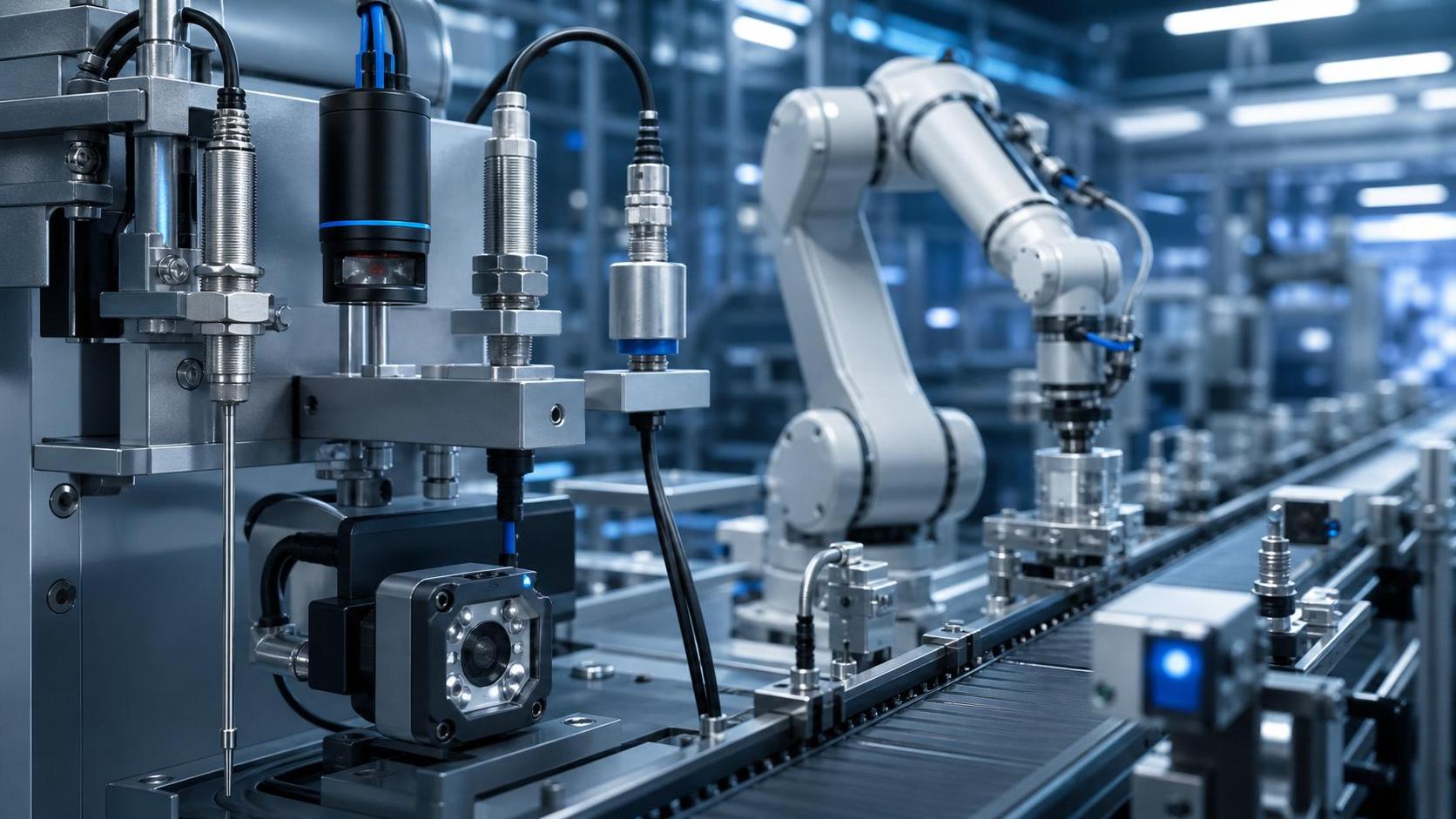
Sensors are moving from components to strategic infrastructure
Industrial automation in 2026 looks more connected, but also more exposed to downtime, volatility, and tighter compliance demands. In that shift, sensors are no longer treated as simple data points.
They now sit closer to investment decisions, because better sensing affects maintenance costs, output stability, traceability, and response speed across complex operations.
From recent market activity, a clearer signal is emerging. Buyers are paying more attention to sensor reliability, integration depth, and lifecycle value, not just unit price.
That matters across sectors. Whether the application is packaging, energy systems, process control, warehousing, or heavy equipment, smarter sensors are reshaping how automation projects are specified.
Why this shift is becoming more visible in 2026
The first driver is operational uncertainty. Production planners want earlier warnings, faster diagnostics, and fewer blind spots when labor, logistics, or raw material conditions change suddenly.
The second driver is digital maturity. More sites already have cloud dashboards, edge gateways, and industrial Ethernet in place, so sensor data can finally be used at scale.
A third factor is standards pressure. Traceability rules, safety audits, and energy reporting are pushing companies to capture more accurate field data through dependable sensors.
- Condition monitoring now needs continuous, clean data rather than occasional inspection.
- Machine builders are expected to support remote visibility from day one.
- Cross-border sourcing decisions increasingly consider certification, compatibility, and support availability.
This is why sensors are showing up more often in industry news, sourcing research, and technical comparisons. They influence both plant performance and supplier selection.
Demand is shifting toward intelligence, not just detection
Traditional proximity, pressure, temperature, and flow sensors remain essential. What is changing is the expectation attached to them.
In many projects, sensors are expected to self-diagnose, communicate over standard protocols, and support predictive maintenance models without extensive custom engineering.
More advanced sensing is also spreading beyond premium lines. Mid-market automation upgrades now include vibration sensors, vision sensors, and environmental monitoring in cases that once relied on manual checks.
The practical takeaway is simple. Sensors are being judged by how well they support decisions, not only by whether they detect a target.
The impact does not stay at the machine level
One important change is that sensor performance now affects several business layers at once. Failures are no longer seen as isolated maintenance events.
At the operations level, better sensors improve process consistency, reduce scrap, and make faster line adjustments possible. This is especially relevant when product mixes change often.
At the supply chain level, sensors support traceability and inventory visibility. Cold chain, warehouse automation, and transport monitoring all rely on trusted field data.
At the commercial level, they affect sourcing confidence. Global buyers comparing suppliers increasingly review certification status, digital compatibility, and service continuity around sensors and related automation parts.
That broader effect explains why sensor topics now connect with market analysis, logistics risk, and standards coverage, not just technical product content.
Where the pressure points are likely to appear next
The next phase is unlikely to be driven by one breakthrough device. It will come from tighter expectations around interoperability, resilience, and usable data.
More attention will fall on calibration discipline, cybersecurity at the device layer, and supplier ability to maintain sensor availability across regions.
There is also a pricing angle. As automation budgets face scrutiny, higher-cost sensors will need a clearer return case tied to downtime reduction or process improvement.
- Check whether sensor data can move cleanly into existing control and analytics systems.
- Review standards, environmental ratings, and maintenance intervals before comparing headline prices.
- Map which applications truly benefit from advanced sensors and which only need reliable basics.
In practice, the strongest automation strategies will be selective. Not every line needs the most sophisticated sensors, but every critical line needs the right sensing architecture.
A useful next step is to read sensors through both market and application signals
The sensor market in 2026 is not just a technology story. It is also a sourcing, standards, and risk-management story.
Companies tracking industrial automation should watch sensor lead times, protocol adoption, compliance updates, and field performance trends together, not in isolation.
That approach makes it easier to spot where demand is hardening, where supplier differentiation is real, and where investment can support both resilience and growth.
A sensible action plan starts with reviewing current sensing gaps, validating critical specifications, and comparing how different sensor options fit actual operating conditions.
From there, continue following market signals, certification changes, and application case updates. The companies that treat sensors as strategic infrastructure will make better automation decisions over the next cycle.
- Last One:Sensor Selection Guide for Temperature, Pressure, and MotionJul 08, 2026
- Next Article:No more articles
Technical Specifications
- How to test melt flow consistency in batches of recycled plasticsAuthor :Polymers & Rubber Editorial Team
- When does a cast resin transformer need high-altitude derating?Author :Electrical Components Editorial Team
- How to verify Global Industrial Insights sourcing informationAuthor :Industrial Machinery Editorial Team
Expert Insights

Chief Security Architect
Dr. Thorne specializes in the intersection of structural engineering and digital resilience. He has advised three G7 governments on industrial infrastructure security.
Core Sector // 01
Security & Safety
- How to identify control components causing intermittent machine faultsAuthor :Electrical Components Editorial Team

- What makes a high-reliability sensor suitable for critical equipment?Author :Electrical Components Editorial Team

- When does sensor accuracy become inadequate for process control?Author :Electrical Components Editorial Team

- When does a high accuracy sensor improve process measurement?Author :Electrical Components Editorial Team

- Sensor Selection Guide for Temperature, Pressure, and MotionAuthor :Electrical Components Editorial Team

- 2026 Sensor Trends Shaping Smarter Industrial AutomationAuthor :Electrical Components Editorial Team