Sensor Selection Guide for Temperature, Pressure, and Motion
Author
Date Published
Reading Time
Sensor Selection Guide for Temperature, Pressure, and Motion
Selecting the right sensors for temperature, pressure, and motion affects accuracy, uptime, and total operating cost. It also shapes maintenance schedules, calibration effort, and long-term purchasing flexibility.
In most projects, sensor selection is not only about measurement range. It is about matching real process conditions, control logic, installation limits, and supply chain reliability.
For industrial buyers and engineering teams, better sensor decisions usually come from comparing failure risk, output compatibility, environmental tolerance, and lifecycle cost together.
Start with the Application, Not the Catalog
A sensor may look suitable on paper, yet still underperform in the field. The first step is defining what the system must measure and why that signal matters.
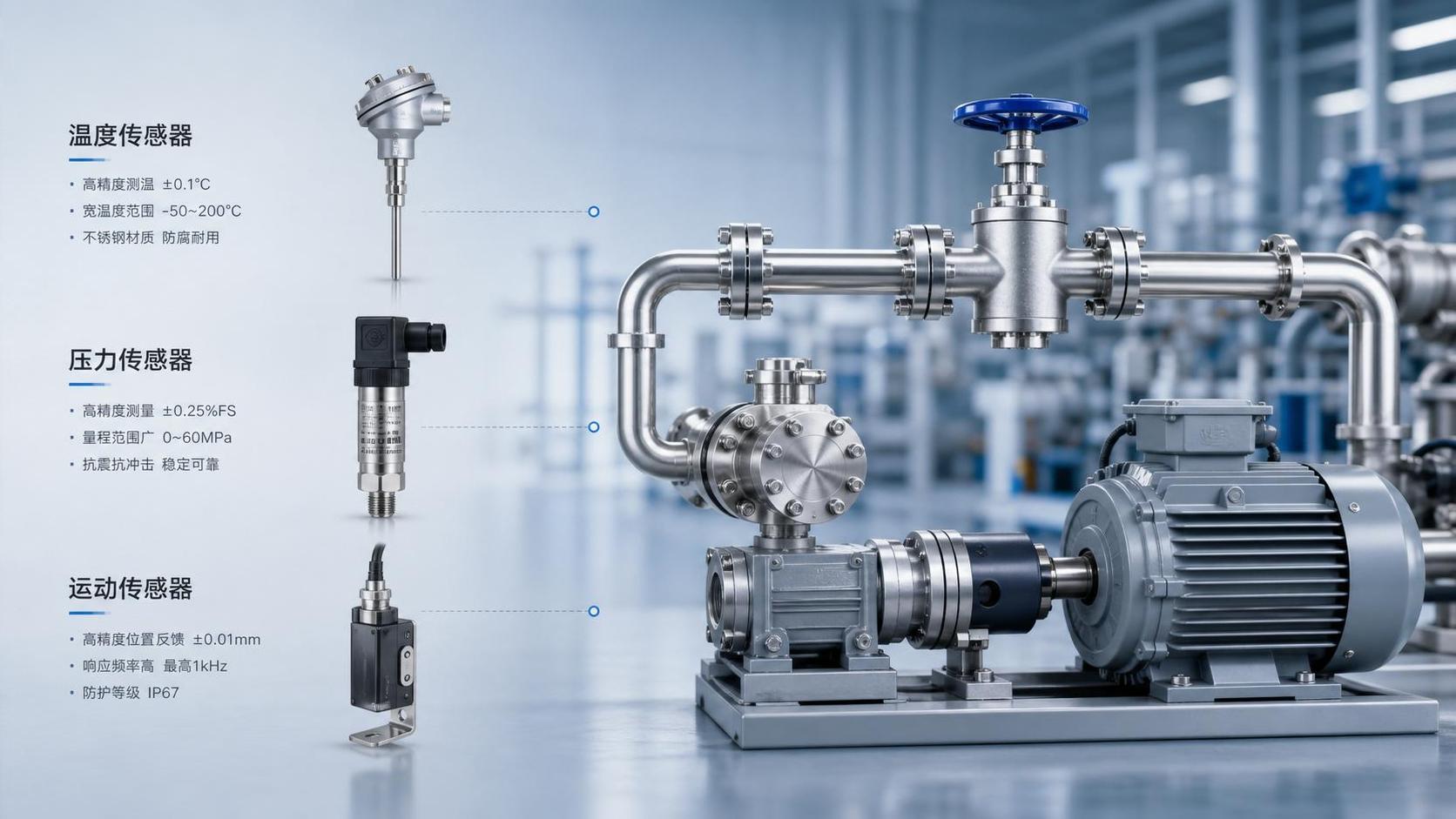
For temperature sensors, ask whether the goal is process control, overheat protection, or energy monitoring. Each use case needs different response speed, accuracy, and mounting style.
For pressure sensors, clarify whether pressure is steady, pulsing, differential, or vacuum-based. A stable hydraulic circuit demands different sensor behavior than a compressed air line.
For motion sensors, define whether the task is position feedback, vibration detection, speed measurement, or occupancy sensing. This directly narrows the correct sensing technology.
Key Selection Factors for Sensors
A practical sensor evaluation usually becomes easier when the comparison criteria are fixed early. Most sourcing mistakes happen because one or two critical factors were ignored.
- Measurement range: Choose sensors that cover normal operation and expected peaks without running constantly near the limit.
- Accuracy and repeatability: Tight control loops need stable output over time, not only a strong lab specification.
- Response time: Fast-changing systems need sensors that react quickly enough for real control decisions.
- Environmental rating: Heat, dust, washdown, vibration, chemicals, and EMI often decide whether sensors survive.
- Output signal: Verify compatibility with PLC, controller, gateway, or data acquisition hardware.
- Calibration and drift: Some sensors hold performance longer and reduce service interruptions.
- Certification needs: UL, CE, RoHS, ATEX, or food-grade compliance may be mandatory.
This also means the best sensors are rarely the cheapest unit price. They are the ones that reduce false readings, replacement frequency, and downstream system risk.
How to Compare Temperature Sensors
Temperature sensors often include thermocouples, RTDs, thermistors, and infrared options. The right choice depends on process range, contact conditions, and required precision.
RTD sensors are widely selected when accuracy and stability matter. Thermocouples fit high-temperature environments and harsher industrial conditions, especially where cost and ruggedness matter.
Thermistors work well in narrower ranges with strong sensitivity. Infrared sensors help where contact is impossible, moving targets are involved, or contamination must be avoided.
When reviewing temperature sensors, check sheath material, insertion depth, thermal lag, and cable protection. These details often affect performance more than headline specifications.
How to Compare Pressure Sensors
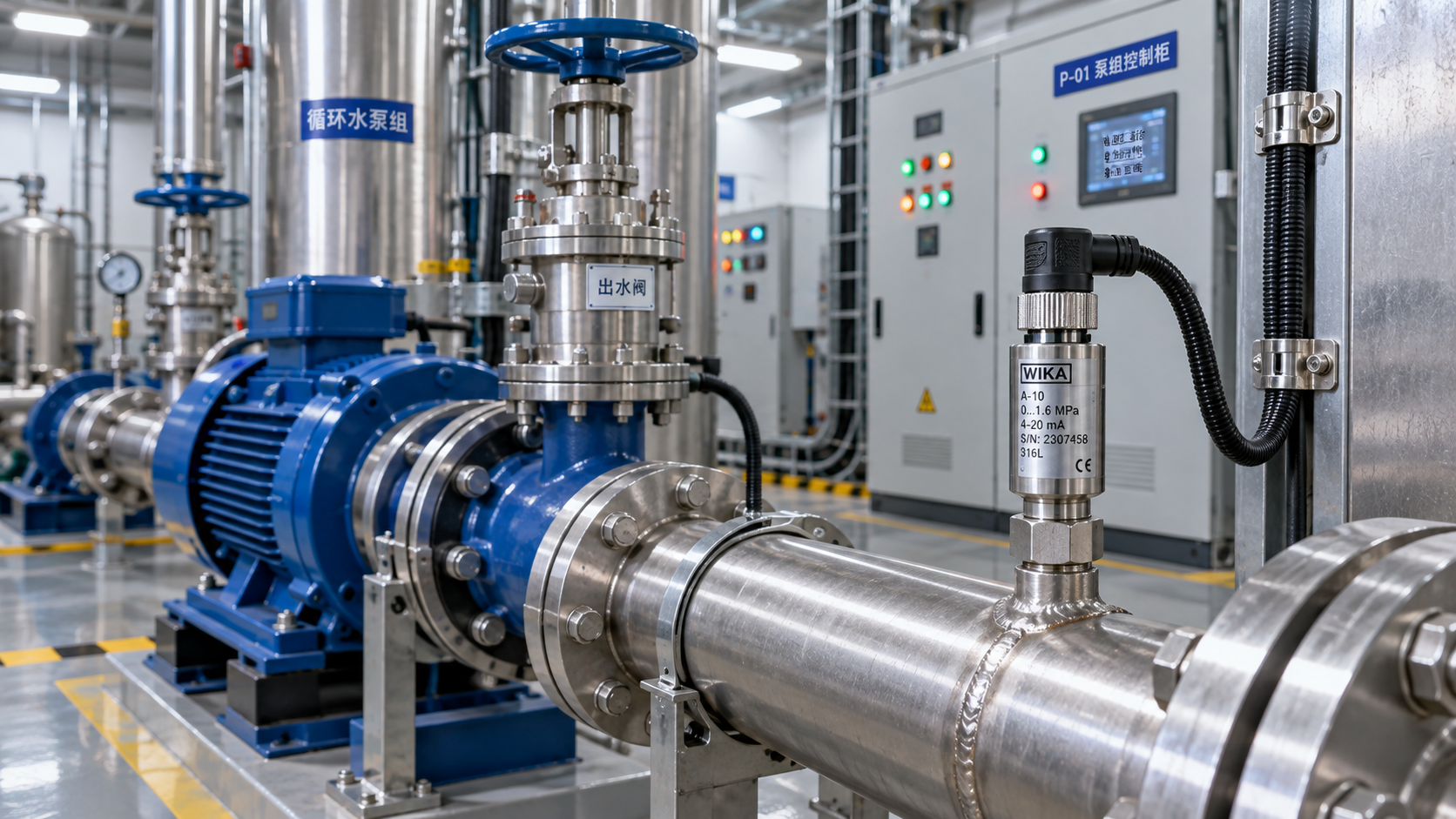
Pressure sensors are commonly evaluated by pressure type, media compatibility, and overload resistance. A mismatch in wetted materials can shorten service life very quickly.
Gauge, absolute, and differential pressure sensors serve different system logic. The selection should follow the reference point needed by the control or monitoring function.
In pumps, compressors, and hydraulic equipment, pressure spikes are common. Sensors with stronger burst protection and stable sealing usually justify the added cost.
Also review process connection standards, thread type, and temperature compensation. Many field failures come from installation mismatch rather than a bad sensor core.
How to Compare Motion Sensors
Motion sensors cover several technologies, including accelerometers, encoders, proximity sensors, gyroscopes, and PIR devices. Each fits a very different decision problem.
For industrial automation, proximity and encoder sensors are common for position and speed. For machine health, vibration sensors and accelerometers are more relevant.
A useful check is whether the motion sensors must detect fine changes or simple presence. Higher sensitivity can improve control, but may increase false triggers in noisy environments.
Mounting orientation, sensing distance, target material, and signal filtering all matter. In actual business applications, those details often separate stable systems from unreliable ones.
Sourcing Risks and Final Decision Checks
Even well-specified sensors can create trouble if sourcing controls are weak. Recent market shifts have made lead time, part substitution, and certification consistency more important.
- Request full datasheets, test reports, and compliance records before approval.
- Confirm part revision control and acceptable substitution rules.
- Check supplier capacity, regional stock, and after-sales response.
- Validate sample sensors in real operating conditions, not only on a bench test.
- Compare lifecycle cost, including calibration, downtime, and replacement labor.
A disciplined sensor selection process reduces procurement risk and improves equipment reliability. That is especially important when sensors sit inside larger systems with costly shutdown consequences.
The most effective path is simple: define the application clearly, compare sensors by field conditions, and verify supplier consistency before scaling the order. That approach supports smarter decisions and better long-term results.
Technical Specifications
- How to test melt flow consistency in batches of recycled plasticsAuthor :Polymers & Rubber Editorial Team
- When does a cast resin transformer need high-altitude derating?Author :Electrical Components Editorial Team
- How to verify Global Industrial Insights sourcing informationAuthor :Industrial Machinery Editorial Team
Expert Insights

Chief Security Architect
Dr. Thorne specializes in the intersection of structural engineering and digital resilience. He has advised three G7 governments on industrial infrastructure security.
Core Sector // 01
Security & Safety
- How to identify control components causing intermittent machine faultsAuthor :Electrical Components Editorial Team

- What makes a high-reliability sensor suitable for critical equipment?Author :Electrical Components Editorial Team

- When does sensor accuracy become inadequate for process control?Author :Electrical Components Editorial Team

- When does a high accuracy sensor improve process measurement?Author :Electrical Components Editorial Team

- Sensor Selection Guide for Temperature, Pressure, and MotionAuthor :Electrical Components Editorial Team

- 2026 Sensor Trends Shaping Smarter Industrial AutomationAuthor :Electrical Components Editorial Team