Zhongwei PFPE Capacity to Reach 28% of National Total by 2026, Establishing Northwest China as a Core Supply Base for High-End Lubricants
Author
Date Published
Reading Time
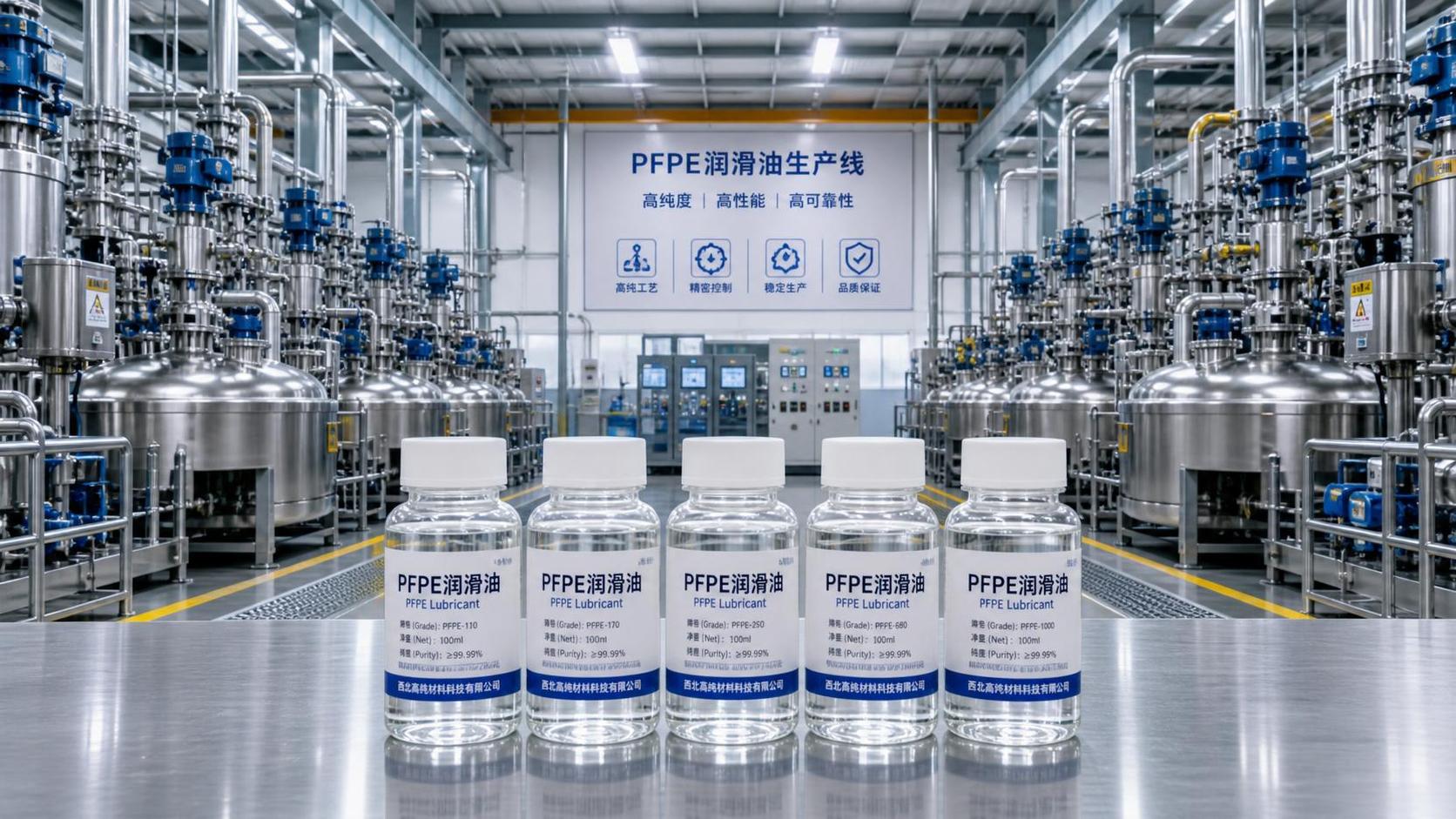
While the exact timeline for policy implementation remains unspecified, an emerging industry development signals a significant shift in the high-end lubricant supply chain. By 2026, the Zhongwei region is projected to contribute 28% of China's total perfluoropolyether (PFPE) production capacity. This concentration of supply, coupled with the clustering of semiconductor, new energy vehicle, and aerospace industries, has already fostered the formation of three high-value product clusters: dry film lubricants, high-temperature greases, and automotive noise-reduction lubricants. For companies involved in the procurement, trade, and certification of advanced lubricants, this development points to changing compliance requirements, sourcing strategies, and supply chain dynamics that demand immediate attention.
Zhongwei's Rising PFPE Output and the Formation of a Specialized Supply Hub
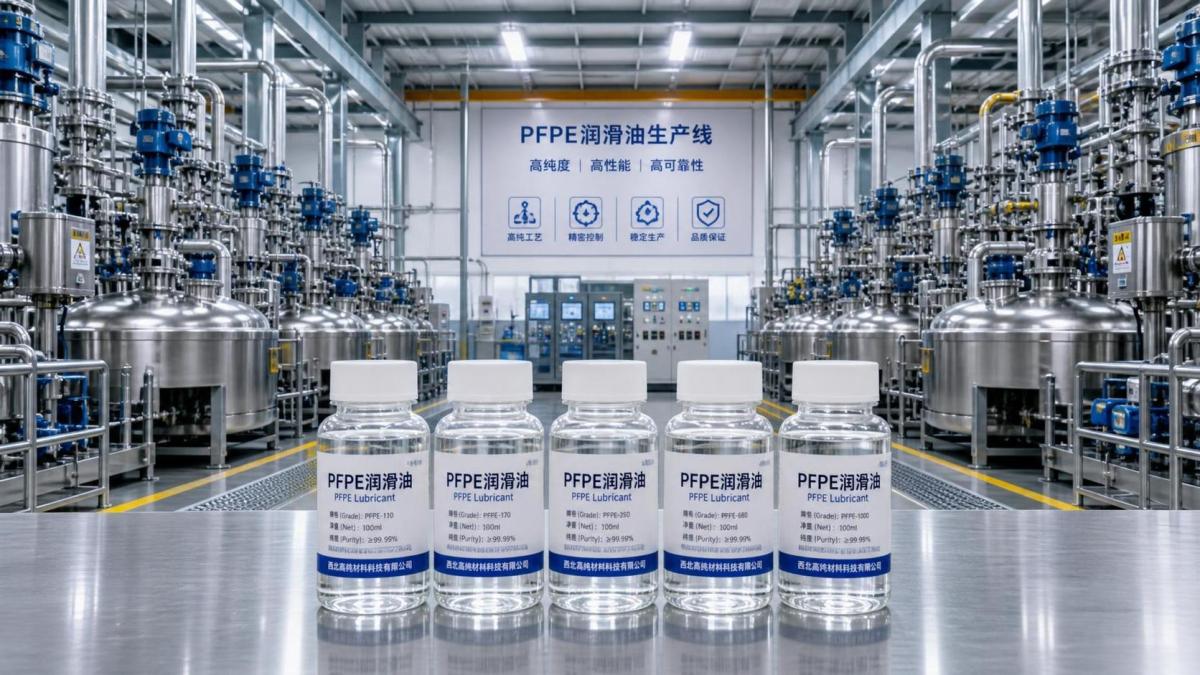
According to available industry data, the Zhongwei area in Ningxia is expected to account for 28% of the national perfluoropolyether (PFPE) production capacity by 2026. This makes the region a pivotal supplier of this critical high-performance lubricant. The information indicates that the supply base has already given rise to three specialized high-value product groups: dry film lubricants, high-temperature greases, and automotive noise-reduction lubricants. Furthermore, leading companies such as Shenzhen Zhengfang Metal Technology have achieved a vacuum volatilization rate of ≤1×10⁻⁶%/s, a performance metric that aligns with internationally leading standards. These facts establish a clear picture of a concentrated, technically advanced manufacturing hub emerging in Northwest China.
Implications for the Lubricant Supply Chain and Trade Compliance
Procurement and Sourcing Strategies for OEMs and Manufacturers
The concentration of PFPE capacity in Zhongwei presents a significant opportunity for original equipment manufacturers (OEMs) in the semiconductor, aerospace, and electric vehicle sectors. These industries are major consumers of high-end lubricants where PFPE is a critical component. Analysis suggests that procurement teams may need to re-evaluate their supplier networks. The emergence of a domestic source with advanced technical capabilities, such as the low volatilization rates achieved by some companies, could lead to a shift in sourcing from traditional international suppliers. However, this also introduces new variables, including the need to verify the certification and quality compliance of these new suppliers against existing international standards, which trade partners may still require.
Impact on Direct Trade and International Suppliers
For international suppliers of PFPE-based lubricants, the rise of a domestic supplier with a significant market share could alter competitive dynamics. The information suggests that products meeting international performance standards are now available from a domestic source. From a trade perspective, this could lead to changes in import volumes, pricing strategies, and the terms of supply agreements. Companies involved in the direct trade of these materials should monitor how this additional capacity might affect market pricing and whether it triggers any new trade measures or adjustments in existing supply contracts. The key impact here is not an immediate rule change, but a shift in the market structure that could influence future trade flows and pricing.
Certification and Quality Assurance for Downstream Users
Downstream users, particularly those in the aerospace and semiconductor sectors, must pay close attention to the certification and quality assurance processes of this new supply base. The reported vacuum volatilization rate of ≤1×10⁻⁶%/s is a critical technical specification. For companies that previously relied on certified imports, integrating a new domestic source will require a thorough technical audit. This includes verifying that the manufacturer's quality management systems (e.g., AS9100 for aerospace, IATF 16949 for automotive) are in place and recognized by their customers. The focus should be on ensuring that the new source's products meet the exacting material specifications and traceability requirements of these highly regulated industries.
Key Compliance and Verification Actions for Industry Players
Verification of Technical Specifications and Performance Claims
Companies looking to source from Zhongwei's PFPE producers must prioritize independent verification of technical claims. The stated vacuum volatilization rate is a single, albeit important, metric. A comprehensive evaluation should include testing for other critical properties such as thermal stability, chemical resistance, and tribological performance under specific operating conditions. It is crucial to ensure that the products meet the exact requirements of the end-use application, which may be defined by internal standards or customer specifications. This is not a matter of assuming compliance, but of conducting a rigorous technical validation process.
Supply Chain Audit and Supplier Qualification
Procurement departments should initiate a formal supplier qualification process for any new PFPE sources in the Zhongwei region. This goes beyond a simple paper review. It should include an on-site audit of the production facility, an assessment of the quality control laboratory, and a review of the raw material sourcing and chain of custody. Understanding the manufacturer's quality management system and their ability to consistently produce material within specified tolerances is essential. Given the high-value and critical nature of these lubricants, any disruption in quality could have significant downstream consequences. Therefore, a robust supplier qualification process is a necessary compliance step.
Monitoring Trade Documentation and Regulatory Updates
While the current information does not specify new trade regulations, the emergence of a major domestic supply base could lead to changes in how these materials are classified or traded. Importers and exporters should monitor for any updates to customs classifications, tariff codes, or potential trade agreements that might affect the cost or ease of sourcing PFPE from this region. Furthermore, all parties should stay informed about any new environmental or safety regulations specific to the production or use of PFPE, as the concentration of production in one area might draw increased regulatory scrutiny. The change here is a potential shift in the trade landscape, not a confirmed rule, so a watch-and-prepare approach is recommended.
Editorial Analysis: Understanding the Signal
This development is more appropriately understood as a significant market signal and a potential precursor to structural changes in the high-end lubricant supply chain, rather than a confirmed rule change. It indicates that the conditions for a domestic, high-quality PFPE supply base are maturing. The presence of leading companies with international-level performance metrics suggests that the technical gap is narrowing. For industry participants, the immediate implication is the need to start evaluating this new source as a viable option. The key question is not if this will change the market, but how quickly and to what extent. Companies should view this information as a trigger for strategic planning, not for immediate action, but for preparing the ground for future sourcing decisions and compliance checks.
Outlook and Strategic Considerations
The projected 28% capacity share from Zhongwei by 2026 represents a potential inflection point for the global PFPE and high-end lubricant market. For the industry, it signals a move toward more diversified and potentially more resilient supply chains. The key takeaway is that the rules of the game—sourcing, pricing, and technical qualification—may be in the process of being rewritten. The most prudent strategy for companies is to begin the groundwork: map potential suppliers, understand their technical capabilities, and prepare internal procedures for qualification and certification. This positions them to react effectively when the market shifts from a signal of change to a new operational reality. The long-term impact will depend on the consistency of product quality, the reliability of supply, and the industry's willingness to qualify a new source.
Information Sources and Future Verification
This article is based on the provided information: the projected 28% PFPE capacity share from Zhongwei by 2026, the formation of three high-value product clusters, and the vacuum volatilization rate achieved by Shenzhen Zhengfang Metal Technology. While specific official government announcements or regulatory documents were not provided in the input, this type of industrial data typically originates from a combination of industry reports, regional economic development plans, and company announcements. For a complete understanding, stakeholders should seek direct confirmation from official sources such as the Zhongwei local government, industry associations, and the companies themselves. The following areas require continued observation: the specific policy and investment incentives in the Zhongwei region, the official certification processes for these products, feedback from early adopters in the aerospace and semiconductor sectors, and the evolution of the global PFPE price benchmark in response to this new capacity.
Technical Specifications
- How to test melt flow consistency in batches of recycled plasticsAuthor :Polymers & Rubber Editorial Team
- When does a cast resin transformer need high-altitude derating?Author :Electrical Components Editorial Team
- How to verify Global Industrial Insights sourcing informationAuthor :Industrial Machinery Editorial Team
Expert Insights

Chief Security Architect
Dr. Thorne specializes in the intersection of structural engineering and digital resilience. He has advised three G7 governments on industrial infrastructure security.
Core Sector // 01
Security & Safety
- How supply disruptions in the manufacturing supply chain affect lead timesAuthor :Global Industrial Core Editorial Team

- Can Global Industrial Insights price tracking be relied on for sourcing?Author :Global Industrial Core Editorial Team

- EU Revises ICE Ban: 90% Target Replaces 100% Phase-Out, Extending Lubricant Demand Through 2030+Author :Global Industrial Core Editorial Team

- Methyl Methacrylate Supply: Navigating Regulatory Standards and Export Compliance for Industrial ApplicationsAuthor :Global Industrial Core Editorial Team

- Guangzhou Qingfanxiang Secures Multiple Patents for Smart Lubricant Production, Enhancing Additive Dosing Precision and Batch ConsistencyAuthor :Global Industrial Core Editorial Team

- Multiethylene Polyamine Supply Update: Regulatory and Compliance Considerations for Epoxy Curing Agents and N-Containing Extreme Pressure AdditivesAuthor :Global Industrial Core Editorial Team

- DuPont Delrin® POM 150 NC010 Now Available Domestically, Offering 20% Cost Reduction Over Traditional PlasticsAuthor :Global Industrial Core Editorial Team

- 2026 China Cable Lubricant Market CAGR Estimated at XX%, Power and New Energy Emerge as Key Growth EnginesAuthor :Global Industrial Core Editorial Team