
A lower unit price does not always make a fastener quote the better deal. Procurement teams should compare technical compliance before evaluating total landed cost.
Material grade, dimensions, coatings, applicable standards, and inspection documents determine suitability. Minimum order quantities, packaging, freight, payment terms, and delivery commitments determine the real purchasing cost.
The strongest offer meets your application requirements, provides verifiable documentation, and supports the required delivery schedule. A cheaper quotation with unresolved specifications is not yet comparable.
Start with one specification that every supplier must quote

Before comparing prices, issue the same request for quotation to every building materials supplier. Otherwise, you may unknowingly compare different products, quantities, or service obligations.
Identify each fastener by application and an unambiguous specification. Include its product standard, dimensions, thread requirements, material, mechanical properties, coating, quantity, and required delivery date.
For proprietary anchors or fastening systems, specify the approved product or required performance evidence. Similar dimensions alone do not establish equivalent capacity or installation suitability.
Require suppliers to list deviations separately. An offer stating “equivalent quality” should remain conditional until the proposed alternative has been reviewed by the responsible technical authority.
Which technical differences should stop a price comparison?
Resolve differences affecting strength, fit, corrosion resistance, or approval status before ranking offers. A lower price cannot compensate for a fastener unsuitable for its intended service.
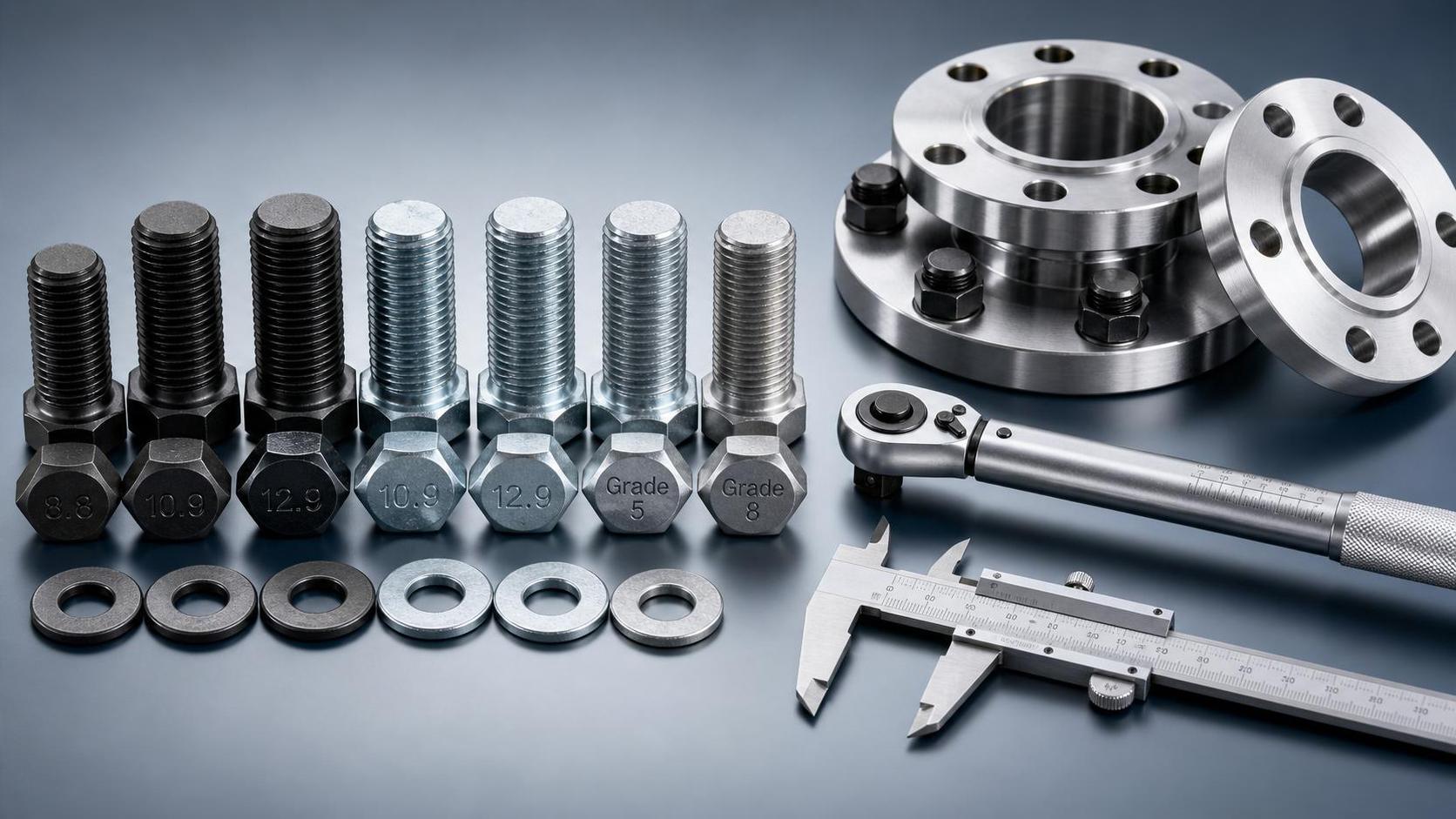
Check whether quoted grades refer to the same standard and product category. ISO metric property classes and ASTM grades should not be treated as automatic equivalents.
Stainless steel descriptions also need precision. Labels such as “304,” “316,” or “A2” do not independently establish every mechanical property required for a particular fastening application.
Confirm whether length includes the head, whether threads are full or partial, and whether nuts and washers are included. These details frequently explain apparent price differences.
For coatings, distinguish electroplated zinc, hot dip galvanizing, and other specified systems. They can differ in thickness, thread allowances, installation behavior, and suitability for environmental exposure.
High strength fasteners may require specific controls against hydrogen embrittlement during processing. Ask for evidence against the applicable specification; a generic coating description is insufficient.
Where structural fasteners or anchors require project approvals, verify the exact product and intended use. A company certificate does not establish product approval for every application.
Convert every offer to the same purchasing unit
Fastener quotations may use prices per piece, hundred, thousand, carton, or kilogram. Convert them to a common unit before calculating extended costs or negotiating discounts.
For weight quotations, request the documented piece weight or a verified count per kilogram. Nominal dimensions alone may not support an accurate conversion across different designs.
Check pack quantities and ordering increments. A requirement for 25,000 pieces can become a purchase of 30,000 when cartons or minimum order quantities impose rounding.
Evaluate minimum order quantities by individual line item, not only by total order value. Mixed sizes may each trigger separate minimums, setup charges, or packaging fees.
Record excess quantities explicitly. They consume cash and storage space, and may become obsolete if drawings change or a project ends before the stock is used.
Ask whether quantity tolerances permit overdelivery or underdelivery, and how invoicing works. Small percentage differences can materially affect large orders or tightly scheduled installation packages.
Calculate landed cost before deciding which quote is cheaper
Use a common destination, currency, and delivery basis. Record the Incoterms rule, named place, and version so each party’s transport and clearance responsibilities are clear.
An EXW price and a DDP price cover different obligations. Confirm what each offer includes before adding costs, particularly destination handling, customs clearance, duties, and unloading.
Build the comparison from the quoted goods value, then add applicable packaging, inspection, freight, insurance, duty, brokerage, inland transport, bank charges, and other identified purchasing expenses.
Keep recoverable import taxes separate from permanent costs, while recognizing their cash flow impact. Confirm tariff classification, origin, and any applicable trade measures with qualified support.
Divide the resulting total by the accepted quantity available for use. If surplus stock has limited value, also compare expenditure against the quantity actually required.
These figures are illustrative, with recoverable taxes excluded and identical acceptance assumptions. Supplier B’s higher goods price produces the lower landed cost under this scenario.
Keep uncertain expenses visible as estimates, with their source and date. Sensitivity checks on freight, exchange rates, or duty can reveal whether the ranking is stable.
Ask for documents that prove what you are buying
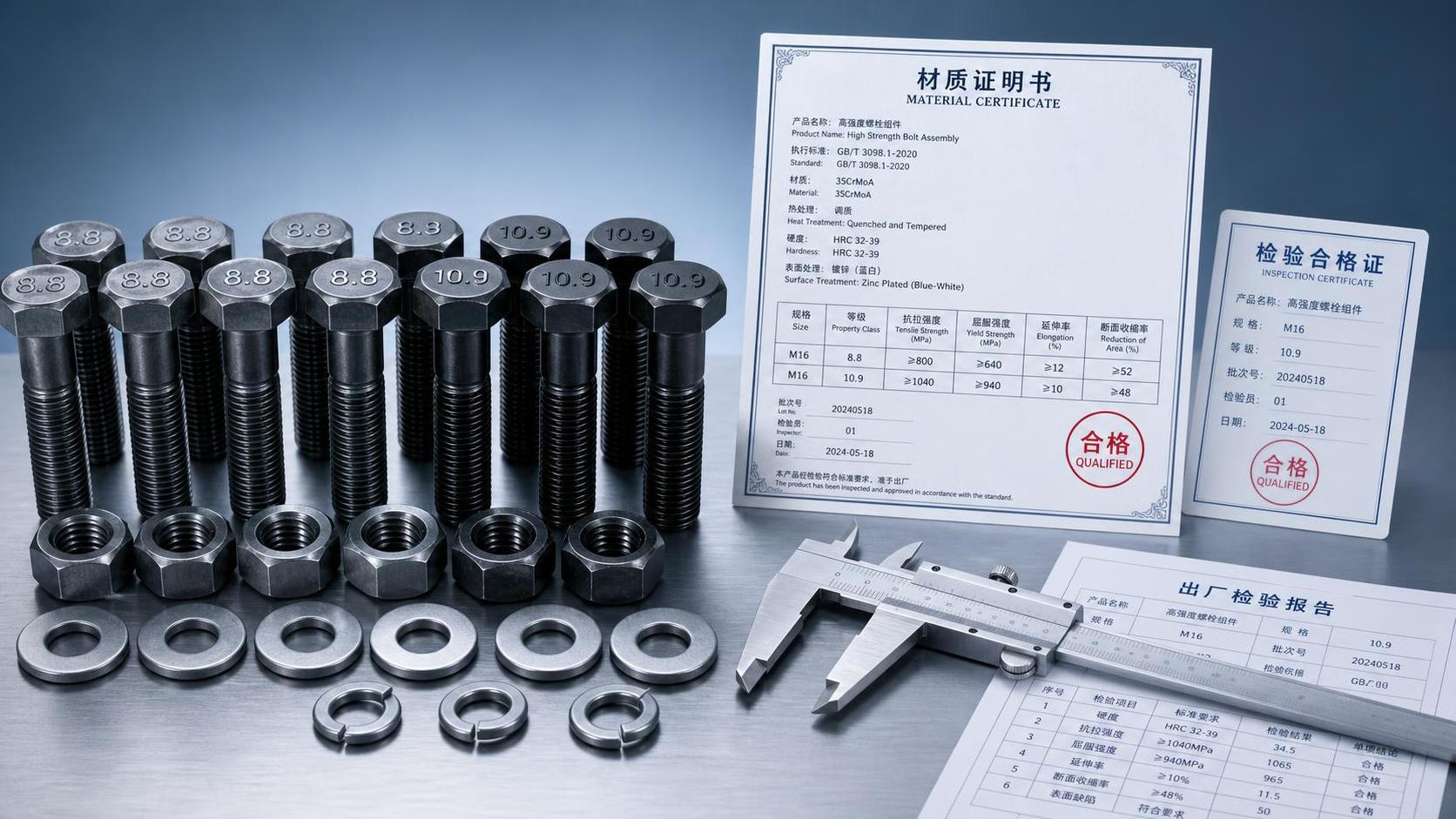
Request documentation appropriate to the product, project specification, and consequences of failure. The objective is evidence connecting the delivered fasteners to the requirements you specified.
A quality management certificate describes an organization’s management system. It does not, by itself, verify the material, dimensions, mechanical properties, or coating of your shipment.
Specify the required inspection document type where applicable, such as EN 10204 documentation when appropriate. Confirm its suitability rather than requesting a certificate by habit.
Ask for sample reports before award, then require shipment documents tied to actual production lots. Reports should identify the manufacturer, product specification, batch, and relevant results.
For a distributor or building materials supplier sourcing from several factories, confirm who manufactures the goods. Establish whether any manufacturer change requires prior written approval.
Agree on incoming inspection criteria, sampling, nonconformance handling, and replacement responsibilities. Supplier acceptance of these terms matters more than a broad promise of “guaranteed quality.”
Test whether the delivery promise fits your project
Separate stock availability, production time, dispatch date, transit time, and expected arrival. “Four weeks delivery” is ambiguous unless the supplier defines its starting and ending points.
Confirm whether stock is physically available and can be reserved for your order. Inventory advertised online may be unallocated, held elsewhere, or subject to prior sale.
For manufactured orders, identify when the clock starts: purchase order acceptance, deposit receipt, drawing approval, or material availability. Record dependencies that could move the promised date.
Ask about partial shipments and critical sizes. An order that arrives mostly complete may still delay installation if one essential bolt length or anchor size is missing.
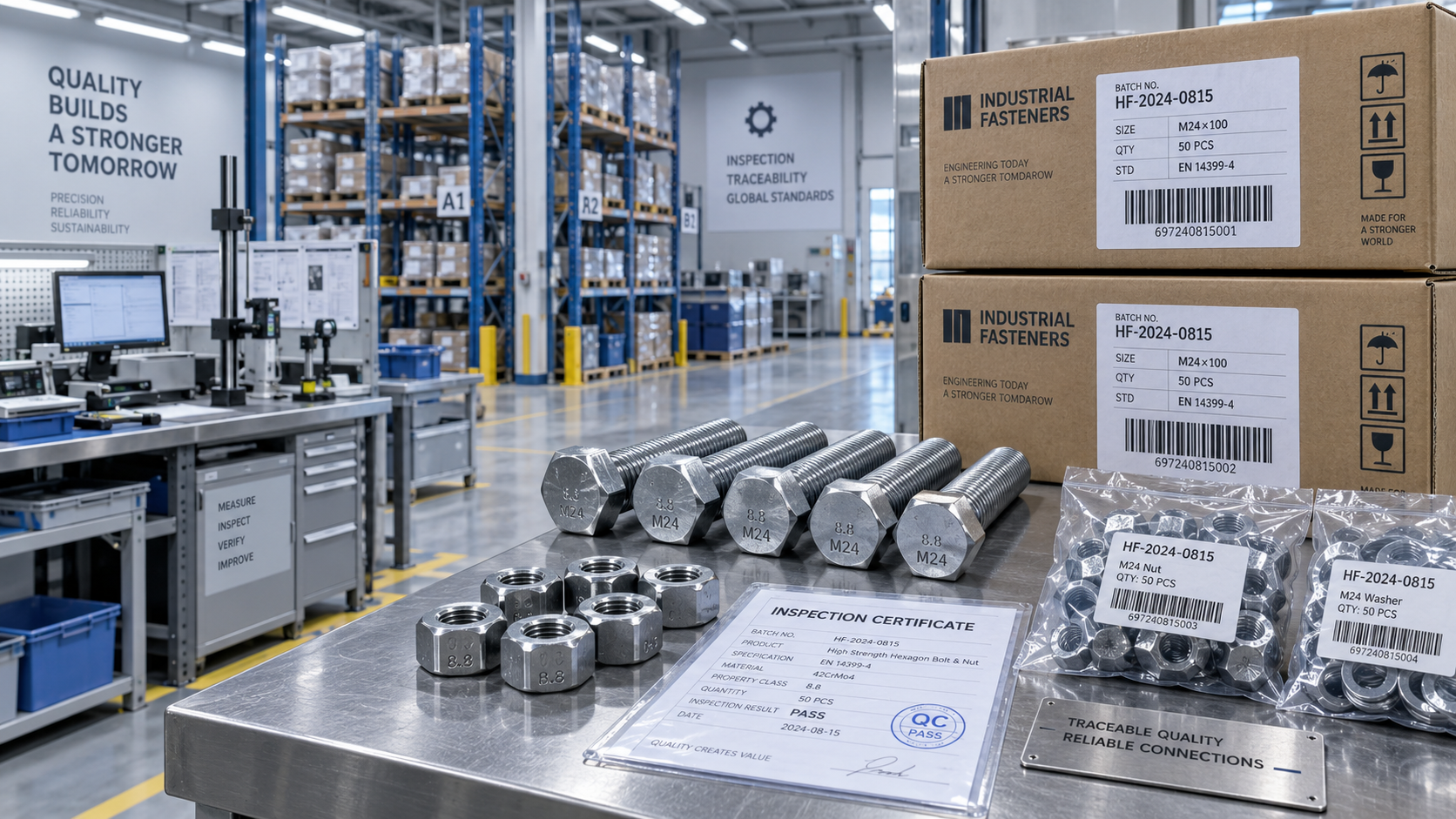
Packaging affects receiving speed and installation accuracy. Specify labels showing item number, size, grade, coating, quantity, and lot identification, with protection suitable for the transport route.
For schedule sensitive purchases, estimate the cost of an expedited replacement or interruption. Keep this exposure visible rather than hiding it inside an arbitrary supplier risk percentage.
Compare payment terms and turn findings into an award decision
Compare deposit requirements, balance payment triggers, credit periods, currency exposure, and quotation validity. An inexpensive offer requiring early payment can increase financing costs and purchasing exposure.
Use your organization’s financing rate to estimate meaningful differences in cash timing. Check whether exchange rate assumptions or freight quotations expire before the planned order date.
Clarify when shortages, defects, and transport damage must be reported. Confirm whether remedies cover replacement freight and handling, as these costs can exceed the defective goods’ value.
Apply mandatory technical and delivery requirements first. Score only eligible offers, using criteria that reflect the project’s actual priorities and evidence available from each supplier.
- Total evaluated cost: 40%. Include comparable landed costs, required quantities, and material financing differences.
- Quality and traceability: 30%. Assess relevant records, manufacturer transparency, inspection capability, and previous performance.
- Delivery confidence: 20%. Evaluate confirmed availability, credible milestones, transport arrangements, and recovery options.
- Commercial support: 10%. Consider payment terms, claims handling, responsiveness, and documentation accuracy.
These weights are an example, not a universal rule. Safety critical applications or expensive installation delays may justify greater emphasis on evidence and delivery confidence.
Send a final clarification sheet before placing the order. Incorporate agreed specifications, approved deviations, pricing, documents, delivery milestones, and remedies into the purchase order or contract.
Choose the quote you can defend after delivery
The best fastener quote combines confirmed suitability, transparent landed cost, traceable supply, and achievable delivery. Unit price becomes meaningful only after those conditions are understood.
A consistent comparison sheet helps procurement teams explain the award decision, negotiate specific gaps, and prevent assumptions from becoming expensive disputes when the goods arrive.
Before approving a building materials supplier, ensure every material exception is resolved or explicitly accepted. A defensible purchase rests on documented commitments and a complete cost comparison.