Bolts and Nuts Grades Explained for Safer Assembly
Author
Date Published
Reading Time
Getting bolts and nuts grades right is a basic safety decision, not a minor specification detail. Grade markings determine how much load a fastener can carry, how it behaves under vibration, and whether an assembly can stay reliable over time.
That matters across construction, transport, machinery, utilities, and repair work. In a market shaped by changing standards, mixed supply sources, and price pressure, understanding fastener grades helps reduce installation mistakes and avoid costly failures later.
What fastener grades actually mean
A grade is a shorthand for mechanical performance. It usually refers to tensile strength, proof load, hardness, and sometimes material treatment.
For bolts and nuts, the grade also indicates compatibility. A strong bolt paired with a weaker nut may strip threads before the bolt reaches its intended clamping force.
In practical terms, grades help answer three questions. How much force can the joint handle, how stable is preload, and how much safety margin remains during service.
Why grade selection has become a bigger industry issue
Fasteners now move through global supply chains with varying standards, markings, and certification practices. Similar-looking bolts and nuts may perform very differently.
This is especially relevant when distributors, contractors, and maintenance teams source from multiple regions. A low-cost substitution can change joint performance without obvious visual warning.
There is also closer attention on traceability. Standards compliance, test reports, coating impact, and origin consistency increasingly affect purchasing decisions and site acceptance.
Common grading systems seen in bolts and nuts
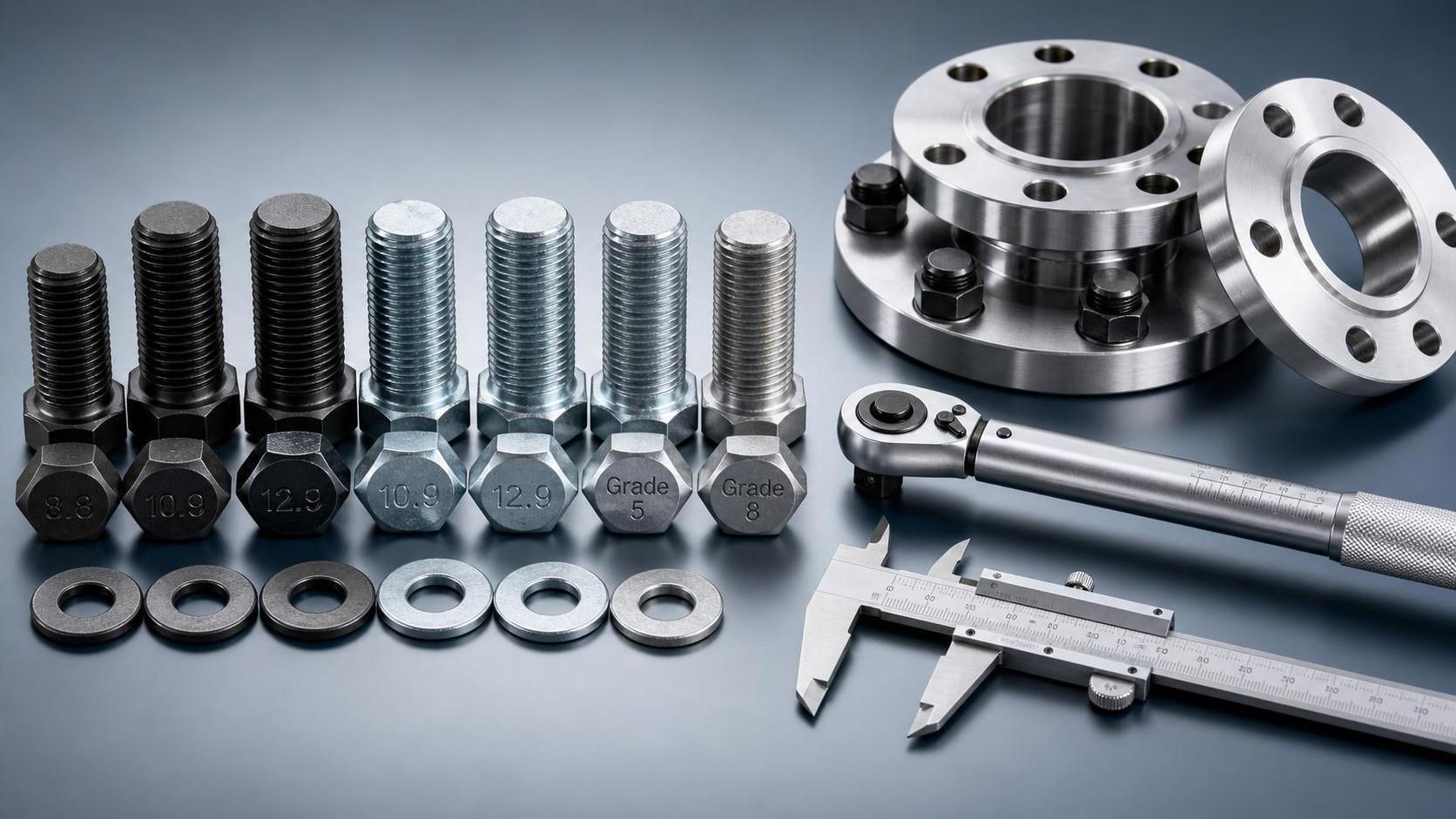
The two systems most often encountered are SAE inch grades and ISO metric property classes. They are not interchangeable by appearance alone.
As a rule, higher numbers indicate higher strength, but stronger is not automatically better. Very high grades can be less forgiving in shock loading, poor alignment, or corrosion-prone environments.
Where different grades are commonly used
Light-duty and general maintenance
Lower grades are often sufficient for guards, covers, brackets, and noncritical fixtures. The main concern here is fit, corrosion resistance, and ease of replacement.
Structural and machinery joints
Mid to high grades are common in frame connections, equipment bases, flanges, and rotating machinery. These joints depend on predictable clamp load and repeatable torque behavior.
High-stress or dynamic service
Heavily loaded assemblies, transport equipment, and vibration-prone systems often require stronger bolts and nuts, with closer control of tightening method, lubrication, and inspection intervals.
The mistakes that create avoidable failure
The first mistake is matching by size only. Diameter and thread pitch tell you fit, but they do not confirm mechanical suitability.
Another common problem is mixing standards in field repairs. An ISO bolt may seem close to an inch-grade part, yet load ratings and tolerances can differ enough to create risk.
Coating is also easy to underestimate. Zinc plating, hot-dip galvanizing, and other finishes affect thread fit, torque values, and corrosion behavior.
- Never assume unmarked fasteners are acceptable for critical joints.
- Do not replace a specified nut with a visually similar lower class part.
- Avoid dry and lubricated torque values being used as if they were equal.
- Check whether heat, vibration, or corrosion changes grade suitability.
What to check before installation
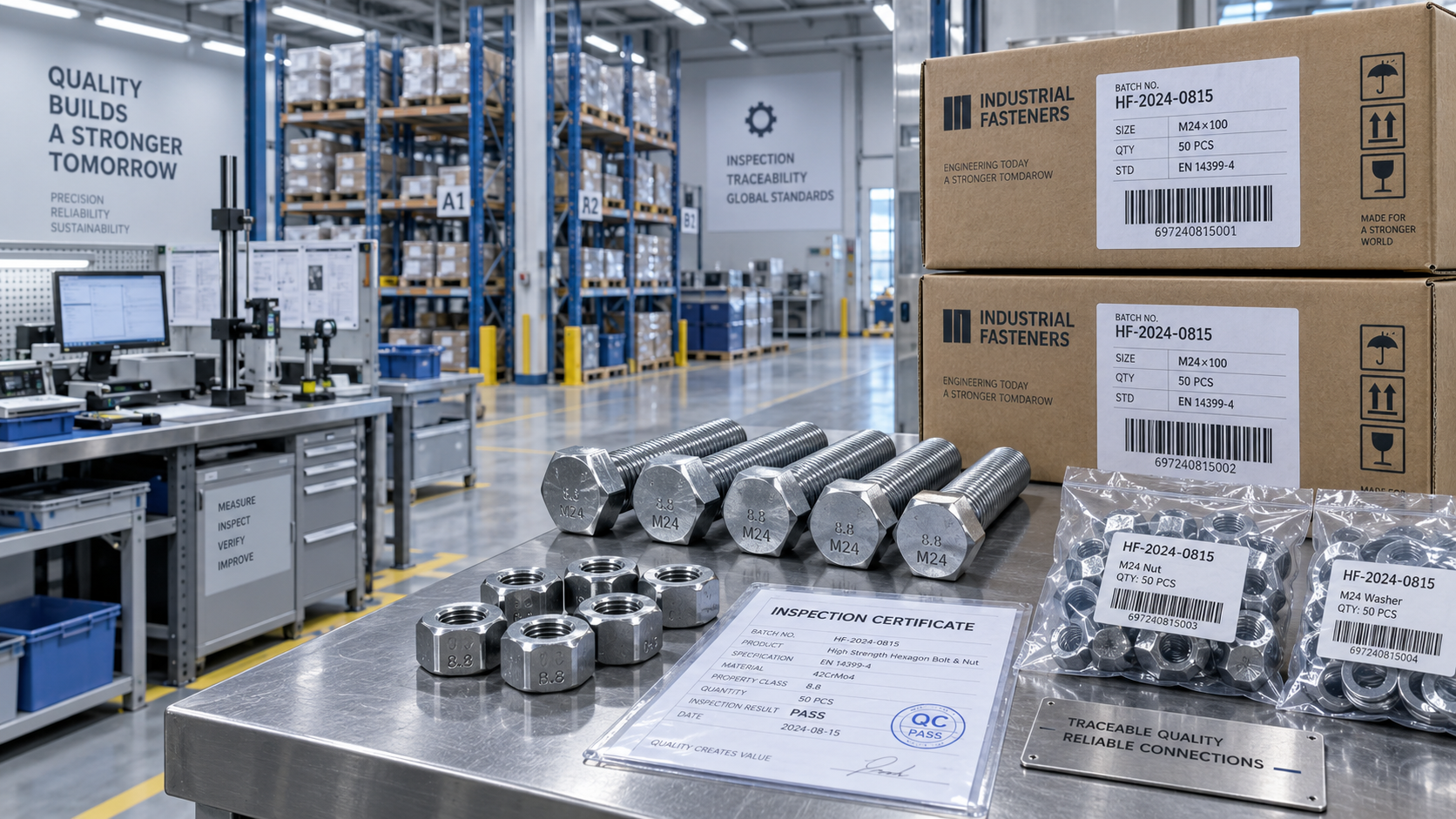
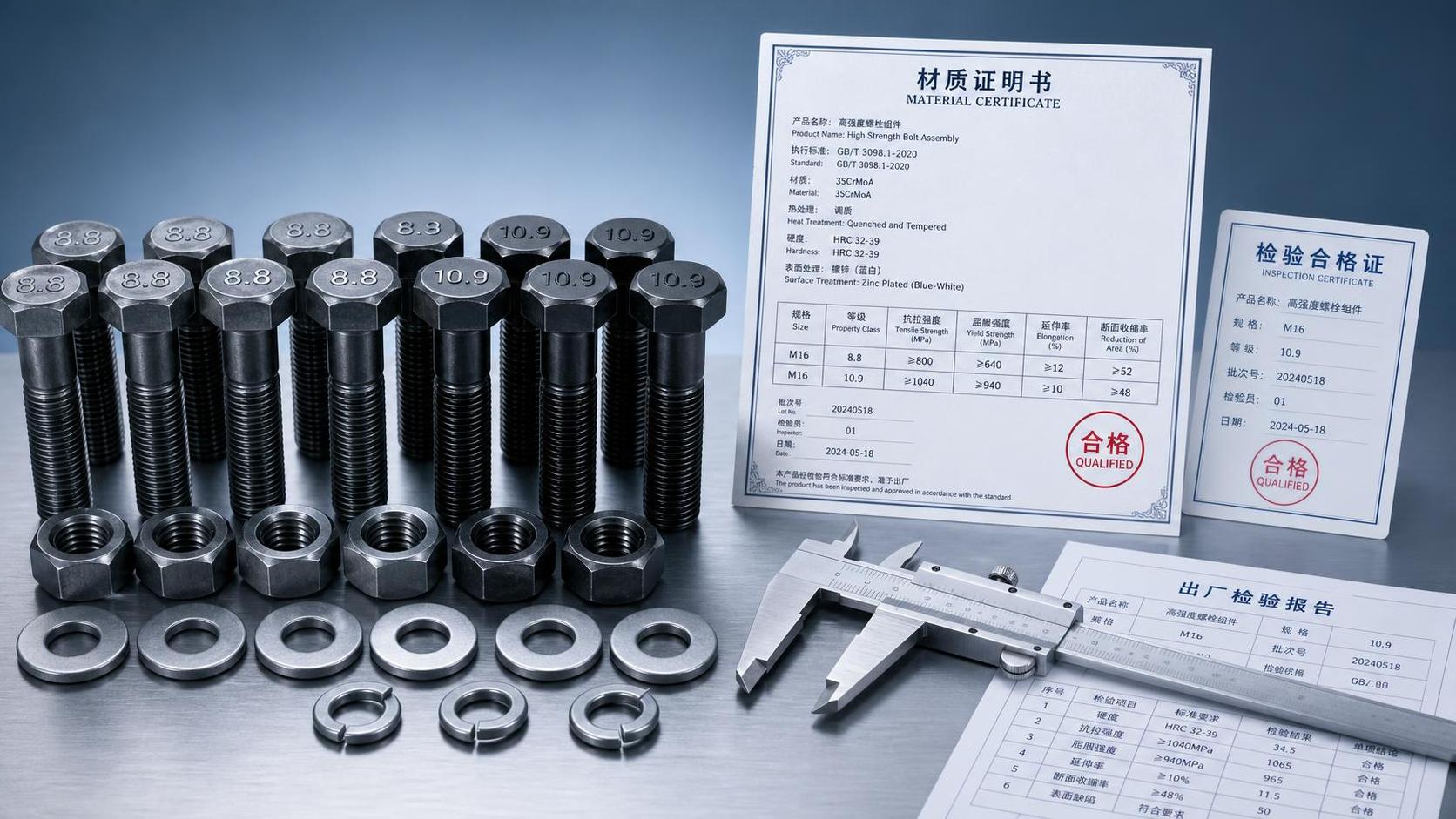
A safer assembly starts before tightening. Markings, documents, and condition should be reviewed together, especially when bolts and nuts come from new suppliers or mixed inventory.
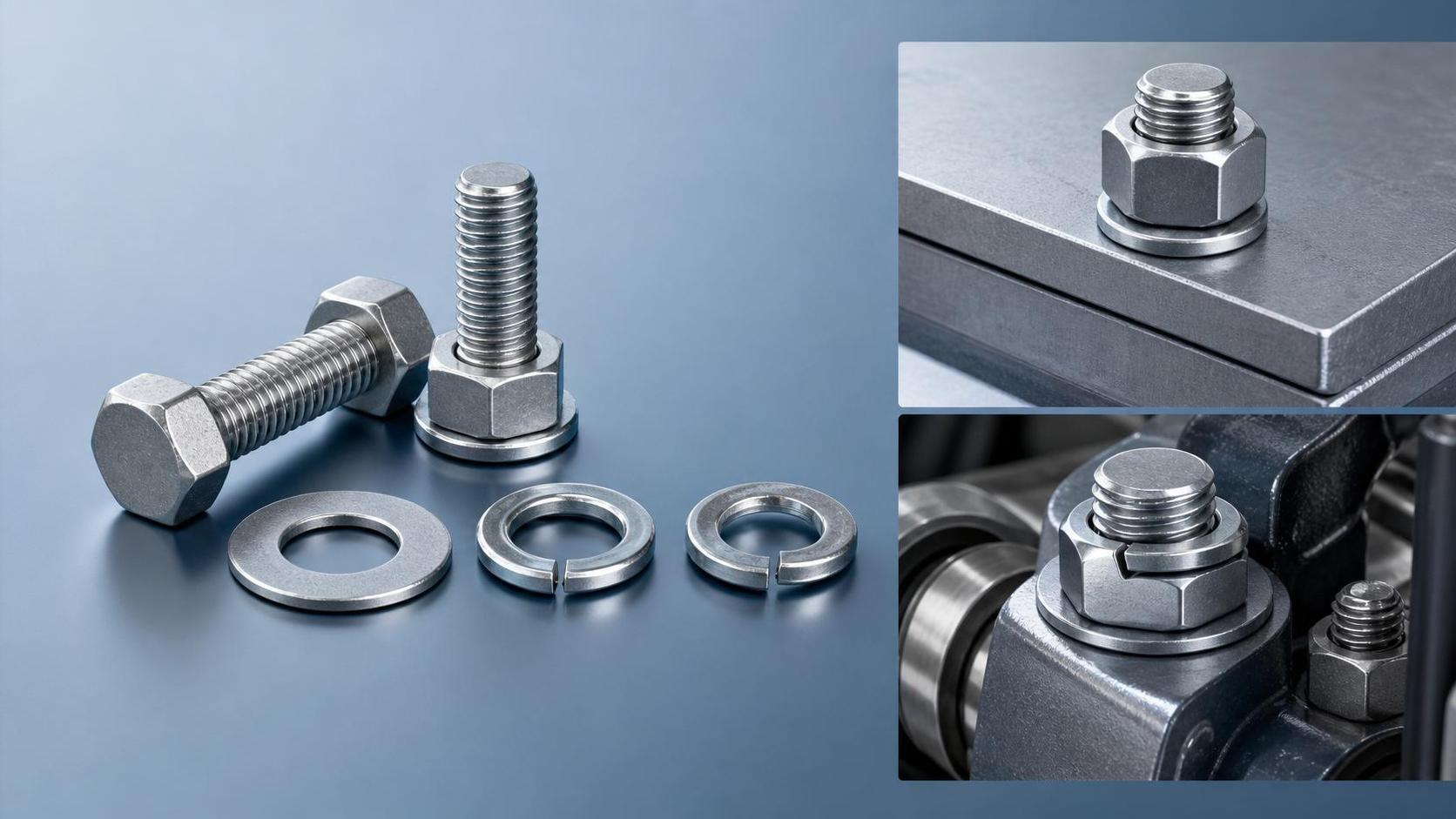
In many cases, the best decision is to review the joint as a system. Bolt grade, nut grade, washer type, coating, torque, and service environment all interact.
How to use this knowledge in sourcing and maintenance
For routine operations, build a simple approval list for bolts and nuts by application. Separate low-risk consumables from safety-critical fasteners that need traceable sourcing.
When comparing offers, look beyond unit price. Grade verification, packaging control, batch consistency, and documentation often matter more than a small upfront saving.
It also helps to monitor updates in standards, certifications, and supply availability. Fastener selection sits at the intersection of product knowledge, compliance, and operational reliability.
A practical next step is to review the most critical assemblies on site, confirm the specified grades, and check whether current bolts and nuts still match those requirements. That creates a clearer basis for safer replacement, better sourcing, and fewer surprises during maintenance.
Technical Specifications
- How to test melt flow consistency in batches of recycled plasticsAuthor :Polymers & Rubber Editorial Team
- When does a cast resin transformer need high-altitude derating?Author :Electrical Components Editorial Team
- How to verify Global Industrial Insights sourcing informationAuthor :Industrial Machinery Editorial Team
Expert Insights

Chief Security Architect
Dr. Thorne specializes in the intersection of structural engineering and digital resilience. He has advised three G7 governments on industrial infrastructure security.
Core Sector // 01
Security & Safety
- What to verify before choosing a screw manufacturer in IndiaAuthor :Metals & Fabrication Editorial Team

- How to assess fastener traceability when sourcing in EuropeAuthor :Metals & Fabrication Editorial Team

- What to do when a washer shipment arrives defectiveAuthor :Metals & Fabrication Editorial Team

- Which custom fastener capabilities matter for complex assemblies?Author :Metals & Fabrication Editorial Team

- When do custom fasteners outperform standard parts in equipment design?Author :Metals & Fabrication Editorial Team

- High Tensile Fasteners: Key Grade Checks Before Project ApprovalAuthor :Metals & Fabrication Editorial Team

- Bolts and Nuts Grades Explained for Safer AssemblyAuthor :Metals & Fabrication Editorial Team

- Flat Washers vs Spring Washers: When Should Each Type Be Used?Author :Metals & Fabrication Editorial Team