What Are Thermoplastic Elastomers and How Do They Compare with Rubber?
Author
Date Published
Reading Time
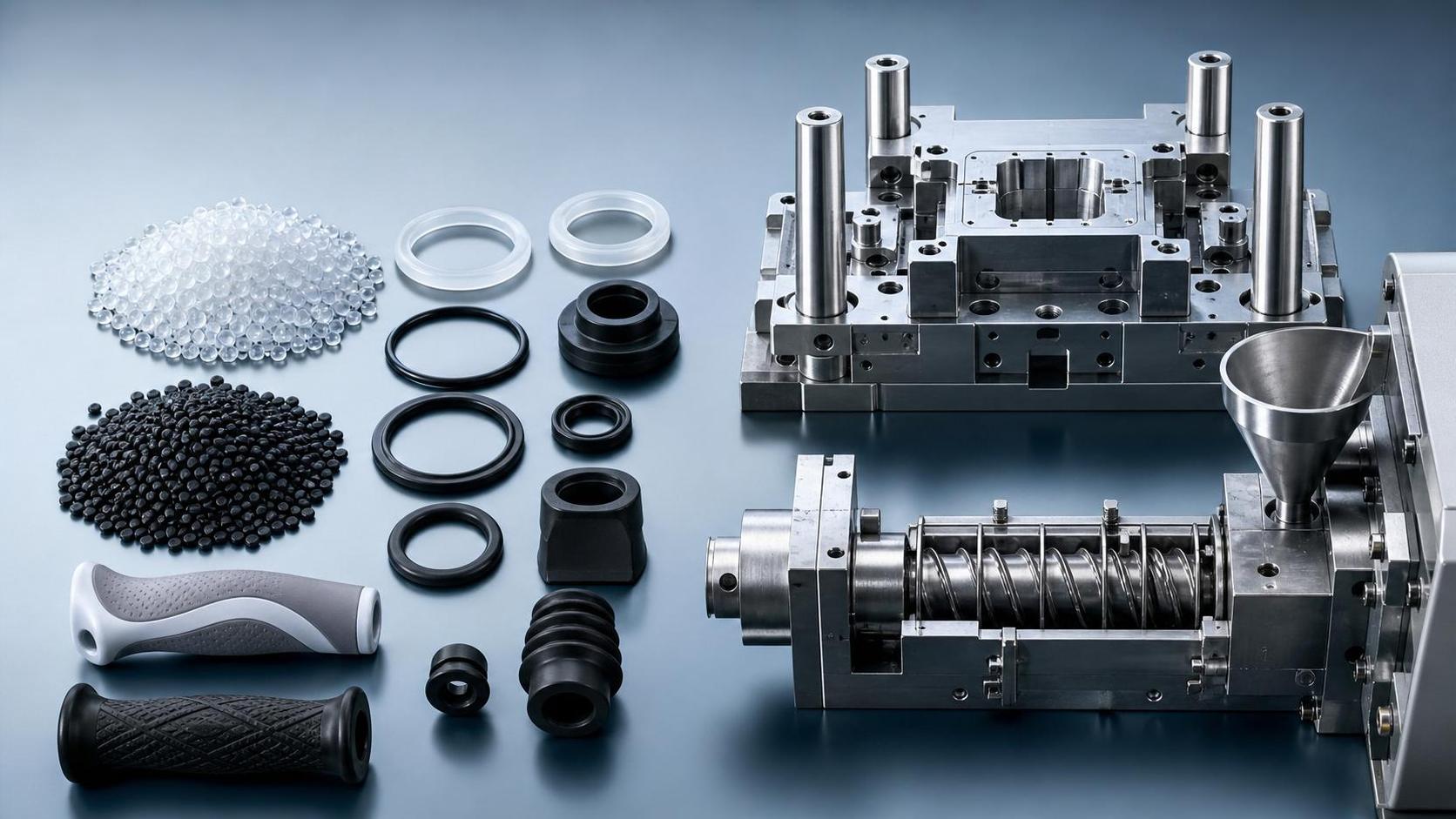
Why are thermoplastic elastomers getting so much attention?
Thermoplastic elastomers are moving into more sourcing conversations because they combine rubber-like flexibility with plastic-style processing.
That mix matters when product teams compare cycle time, tooling efficiency, recycling options, and part consistency across different supply chains.
In practical terms, thermoplastic elastomers can help reduce assembly steps, support overmolding, and simplify high-volume production.
The growing interest is not only technical. It also reflects pressure from cost control, material substitution, and changing application standards.
When comparing options globally, it helps to understand where thermoplastic elastomers outperform rubber, and where they still have limits.
So what exactly are thermoplastic elastomers?
Thermoplastic elastomers, often called TPEs, are polymers that behave like elastomers at room temperature but can be melted and reshaped when heated.
Traditional rubber usually needs vulcanization. That curing step creates permanent crosslinks, which give strength and elasticity but reduce reprocessability.
TPEs rely on a different structure. They contain hard and soft segments that create elastic behavior without permanent chemical curing.
This is why thermoplastic elastomers are widely used in injection molding, extrusion, and two-shot molding.
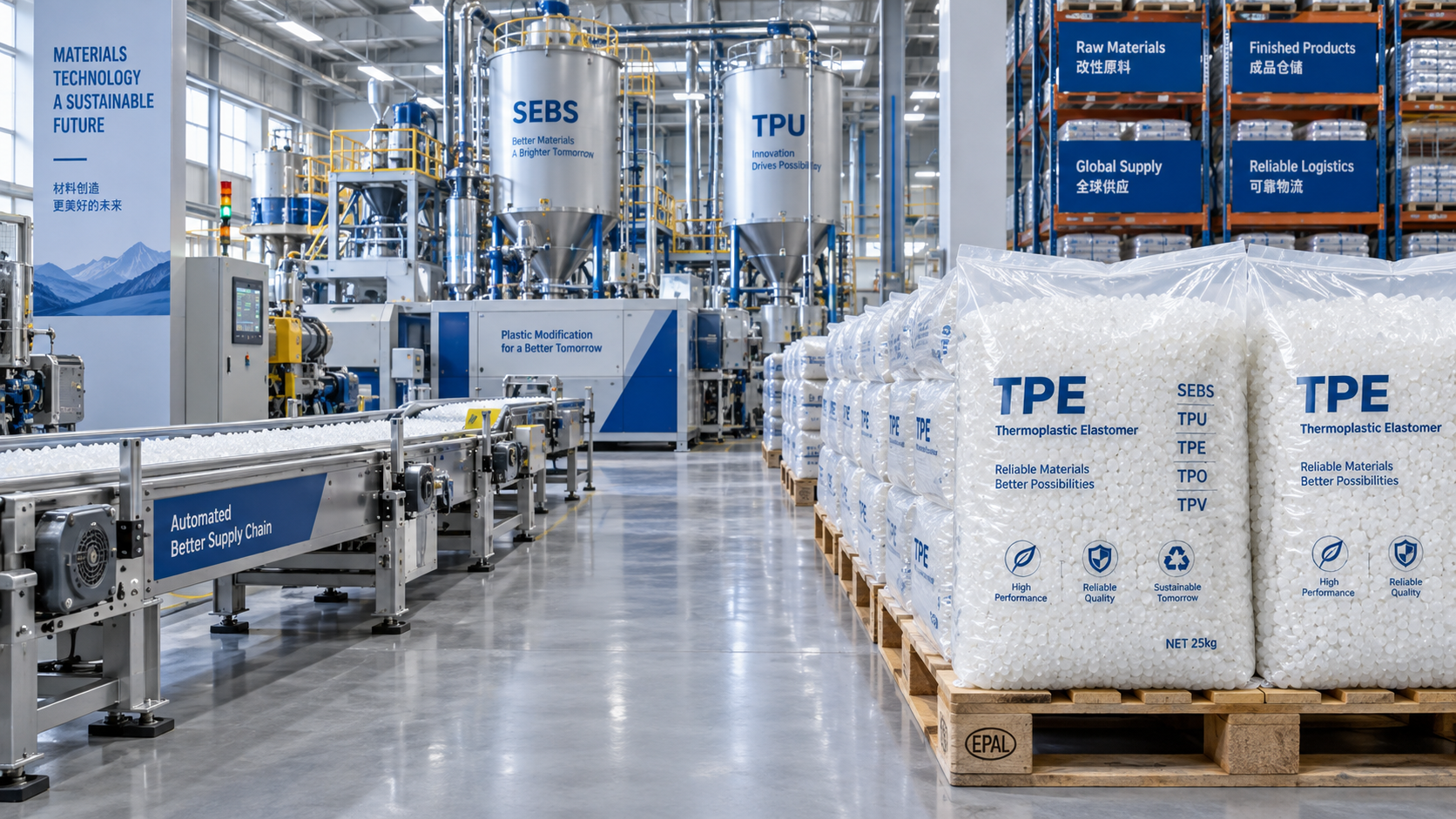
Common families include SBS, SEBS, TPU, TPO, TPV, and COPE. Each one balances softness, heat resistance, chemical resistance, and durability differently.
How do thermoplastic elastomers compare with rubber in real use?
The short answer is that neither material wins everywhere. The better choice depends on performance targets and processing priorities.
A clear comparison helps narrow the decision before checking supplier data and application testing.
In many mid-range applications, thermoplastic elastomers improve manufacturing efficiency. In high-temperature or aggressive chemical conditions, rubber may still remain the safer choice.
Where do thermoplastic elastomers make the most sense?
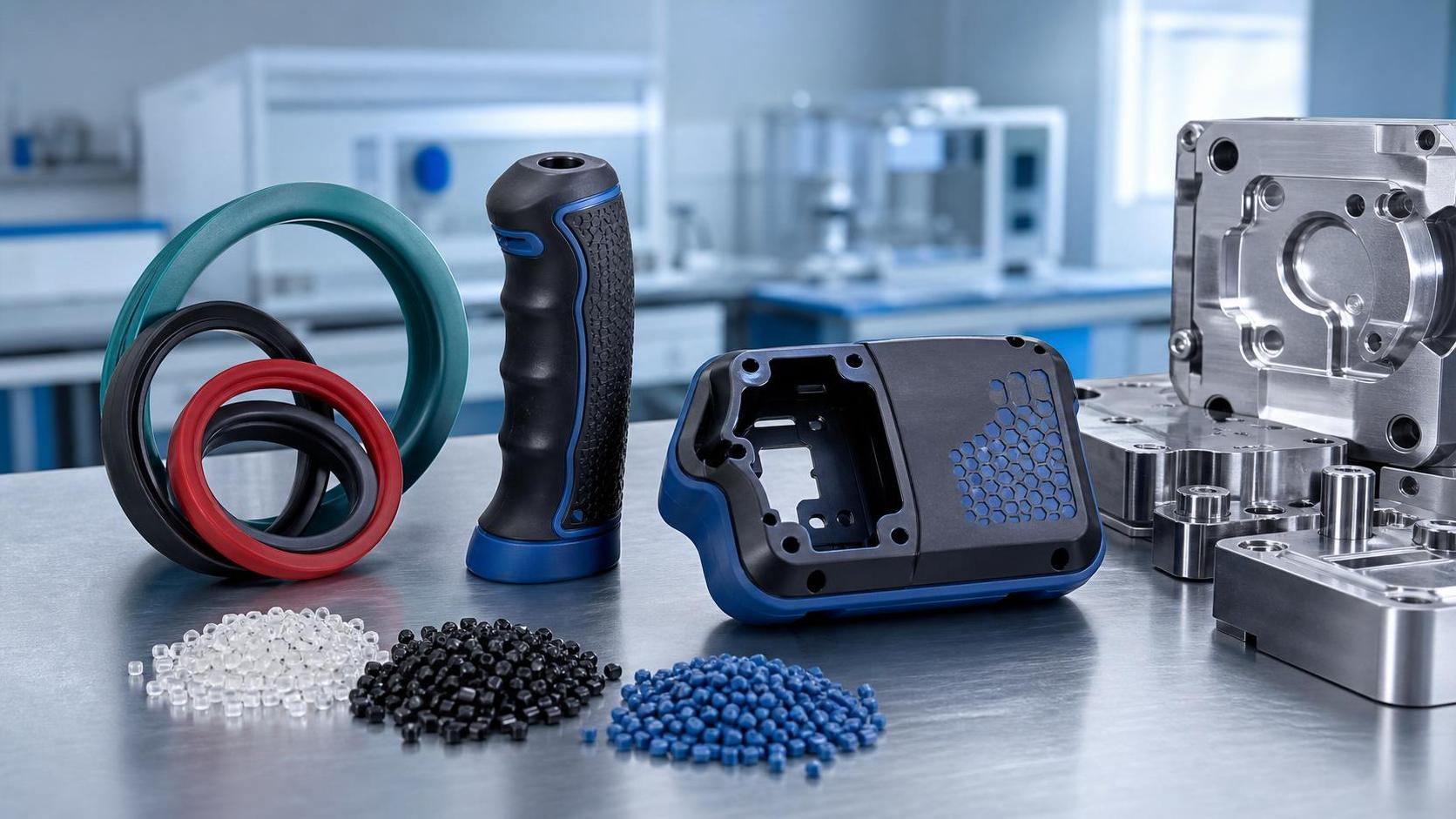
Thermoplastic elastomers are common in automotive interiors, tool grips, medical tubing, footwear parts, wire coatings, seals, and soft-touch housings.
They are especially attractive when a part needs color flexibility, attractive surface feel, and efficient mass production.
Overmolding is another strong use case. A TPE layer can bond to rigid plastics, reducing separate fastening or adhesive steps.
In sourcing practice, that can change factory selection, mold strategy, and total production timing.
- Soft-touch handles and grips that need comfort and visual consistency
- Consumer products with frequent design revisions or color changes
- Sealing parts where moderate performance is enough and faster processing matters
- Applications where material recycling during production improves cost control
What should you check before choosing thermoplastic elastomers over rubber?
This is where many comparisons become too simple. A softer feel or lower cycle time does not automatically mean better long-term performance.
A more reliable approach is to test the material against real service conditions and compliance needs.
- Operating temperature range, including peaks during transport or storage
- Exposure to oils, fuels, cleaners, UV, weathering, and abrasion
- Compression set, tear strength, and recovery after repeated stress
- Required standards, such as food contact, medical, automotive, or flame performance
- Availability across regions, lead time stability, and grade substitution risk
In cross-border sourcing, the last point matters more than it first appears. A material that performs well on paper may still create delays if approved grades are not consistently available.
Are there common misconceptions about thermoplastic elastomers?
Yes, and they often affect early material selection. One common mistake is assuming all thermoplastic elastomers behave the same.
In reality, TPU and TPV can perform very differently, even when both are described as flexible materials.
Another misconception is that thermoplastic elastomers are always cheaper than rubber. Material price may be higher, while total conversion cost may still be lower.
The reverse can also happen. A lower-cost TPE grade may fail faster, creating warranty exposure or redesign costs.
It is also risky to compare only hardness. Shore value gives one clue, but it does not explain compression set, bonding behavior, or chemical durability.
What is the practical takeaway when evaluating thermoplastic elastomers?
Thermoplastic elastomers are best understood as a flexible material platform, not a direct one-for-one replacement for every rubber part.
They offer clear advantages in process efficiency, design flexibility, and certain cost structures, especially where molding speed and part integration matter.
Rubber still holds its ground in applications that demand extreme heat resistance, proven sealing under stress, or long-established performance history.
A useful next step is to define the operating environment, required approvals, target life cycle, and acceptable supply risk before comparing grades.
From there, review test data, sample processing behavior, and regional availability together. That usually leads to a better decision than price comparison alone.
Technical Specifications
- How to test melt flow consistency in batches of recycled plasticsAuthor :Polymers & Rubber Editorial Team
- When does a cast resin transformer need high-altitude derating?Author :Electrical Components Editorial Team
- How to verify Global Industrial Insights sourcing informationAuthor :Industrial Machinery Editorial Team
Expert Insights

Chief Security Architect
Dr. Thorne specializes in the intersection of structural engineering and digital resilience. He has advised three G7 governments on industrial infrastructure security.
Core Sector // 01
Security & Safety
- What Should Buyers Do When TPE Quality Varies Between Batches?Author :Polymers & Rubber Editorial Team

- Which TPE Grade Is Best for Stable Supply?Author :Polymers & Rubber Editorial Team

- What drives the cost of a renewable polydimethylsiloxane production plant?Author :Polymers & Rubber Editorial Team

- What Are Thermoplastic Elastomers and How Do They Compare with Rubber?Author :Polymers & Rubber Editorial Team

- How to Choose Thermoplastic Elastomers for Seals, Grips, and OvermoldingAuthor :Polymers & Rubber Editorial Team