Polypropylene vs PE: How to Select the Right Resin for Packaging Products
Author
Date Published
Reading Time
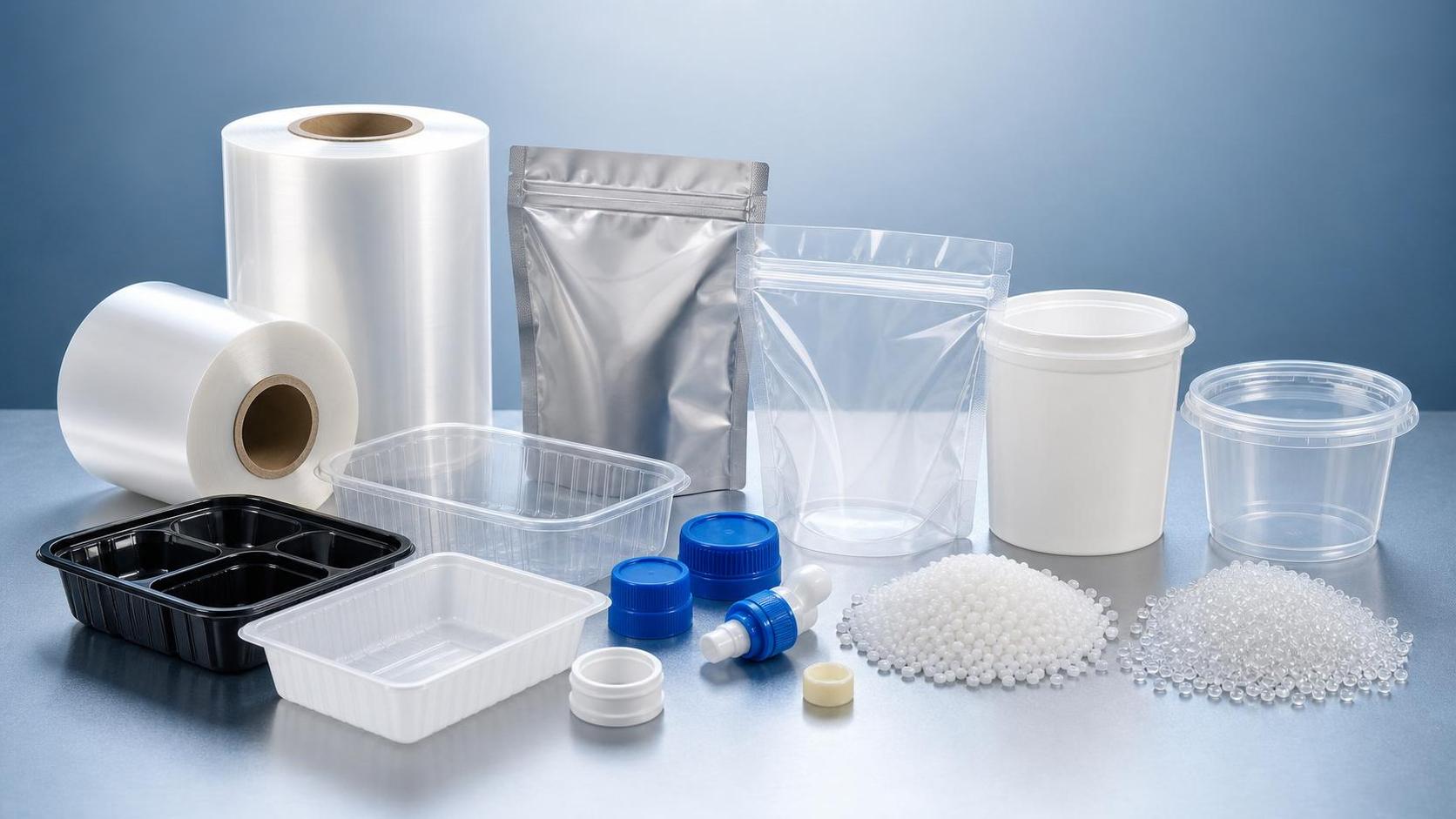
Choosing between polypropylene and PE shapes more than material cost. It affects sealing consistency, stiffness, weight, shelf appeal, transport durability, and the reliability of downstream filling lines.
That is why polypropylene remains a frequent comparison point in packaging procurement. In many categories, the better choice depends less on headline price and more on end-use performance.
Across global packaging markets, resin selection is also tied to supply availability, conversion efficiency, certification requirements, and price volatility. A practical comparison helps turn material data into usable sourcing decisions.
Why polypropylene and PE are compared so often
Polypropylene and polyethylene are both widely used thermoplastics. They overlap in flexible and rigid packaging, yet they behave differently under heat, stress, and repeated handling.
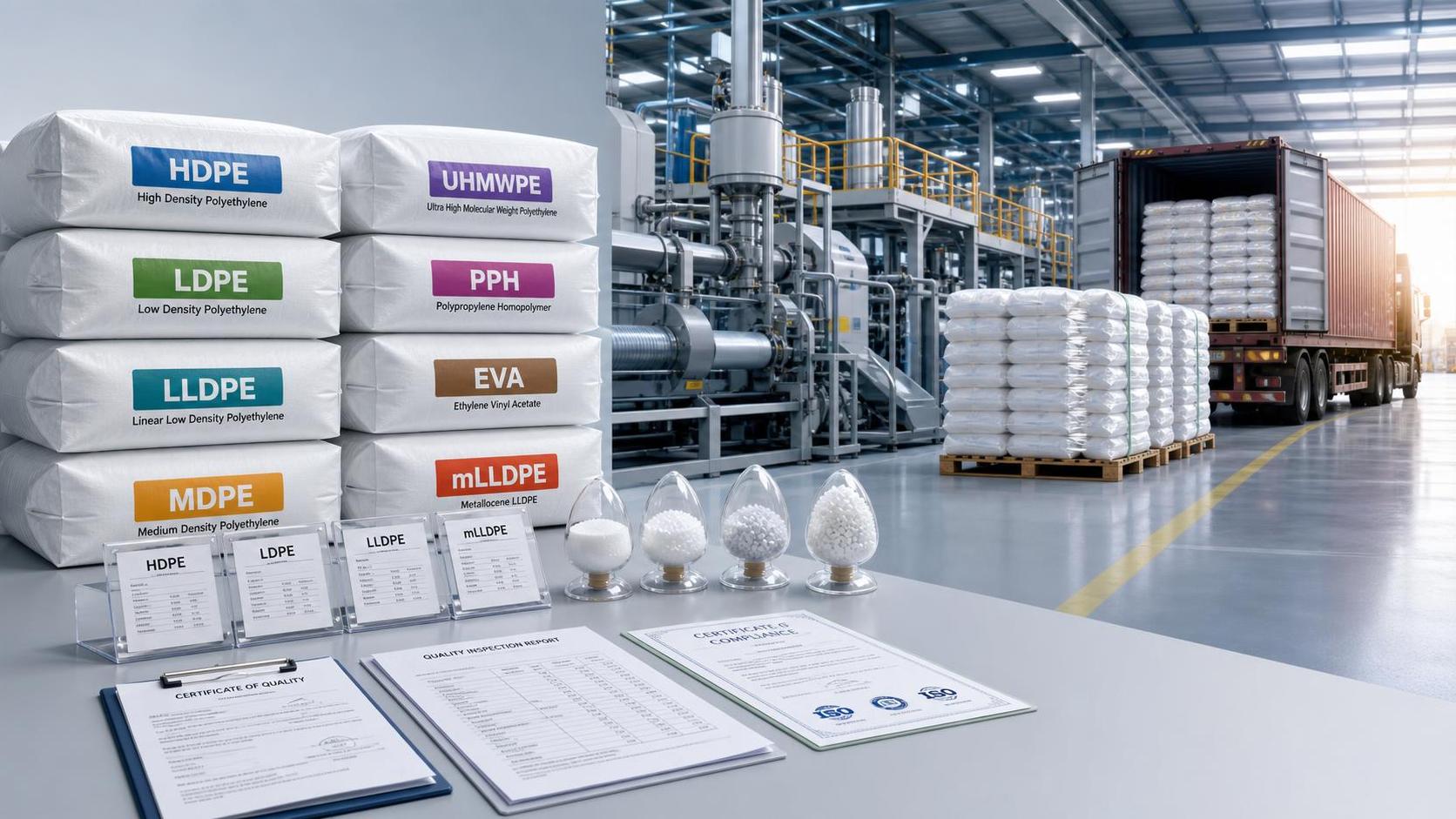
PE is a broad family that includes LDPE, LLDPE, and HDPE. Each grade brings a different balance of softness, toughness, density, and sealability.
Polypropylene usually offers higher stiffness and better heat resistance than many PE grades. PE often performs better in impact resistance, cold flexibility, and easy sealing.
This is why the comparison matters in pouches, caps, trays, woven sacks, labels, films, and household packaging. Similar applications can lead to very different material answers.
The main property differences that influence packaging decisions
A simple side-by-side view often makes the selection process clearer, especially when packaging must meet both technical and commercial targets.
In practical terms, polypropylene often suits packaging that must hold shape, tolerate heat, or present a crisp surface. PE often suits packaging that must flex, seal quickly, or survive rough handling.
Where each resin tends to work best
Common uses for polypropylene
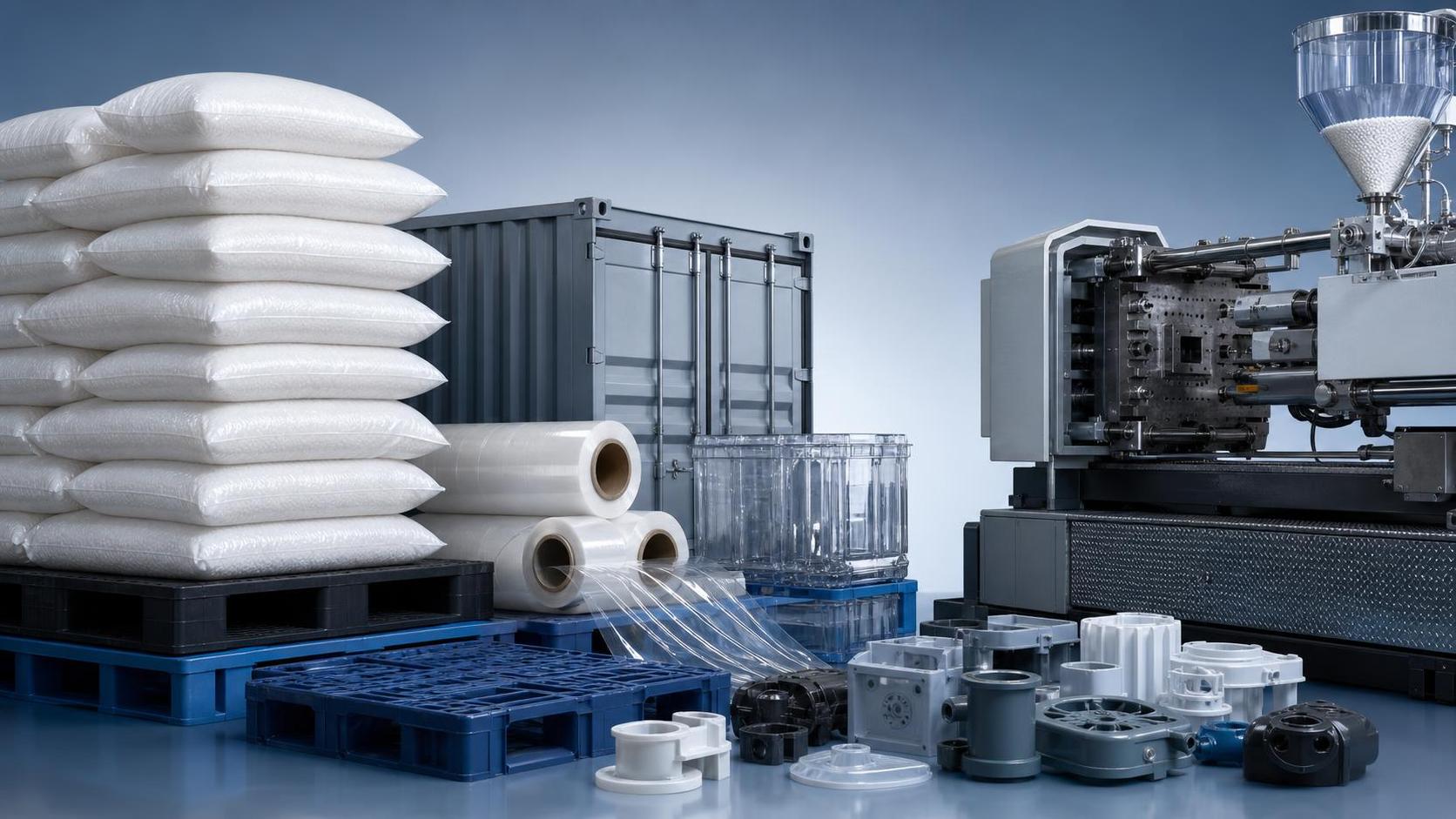
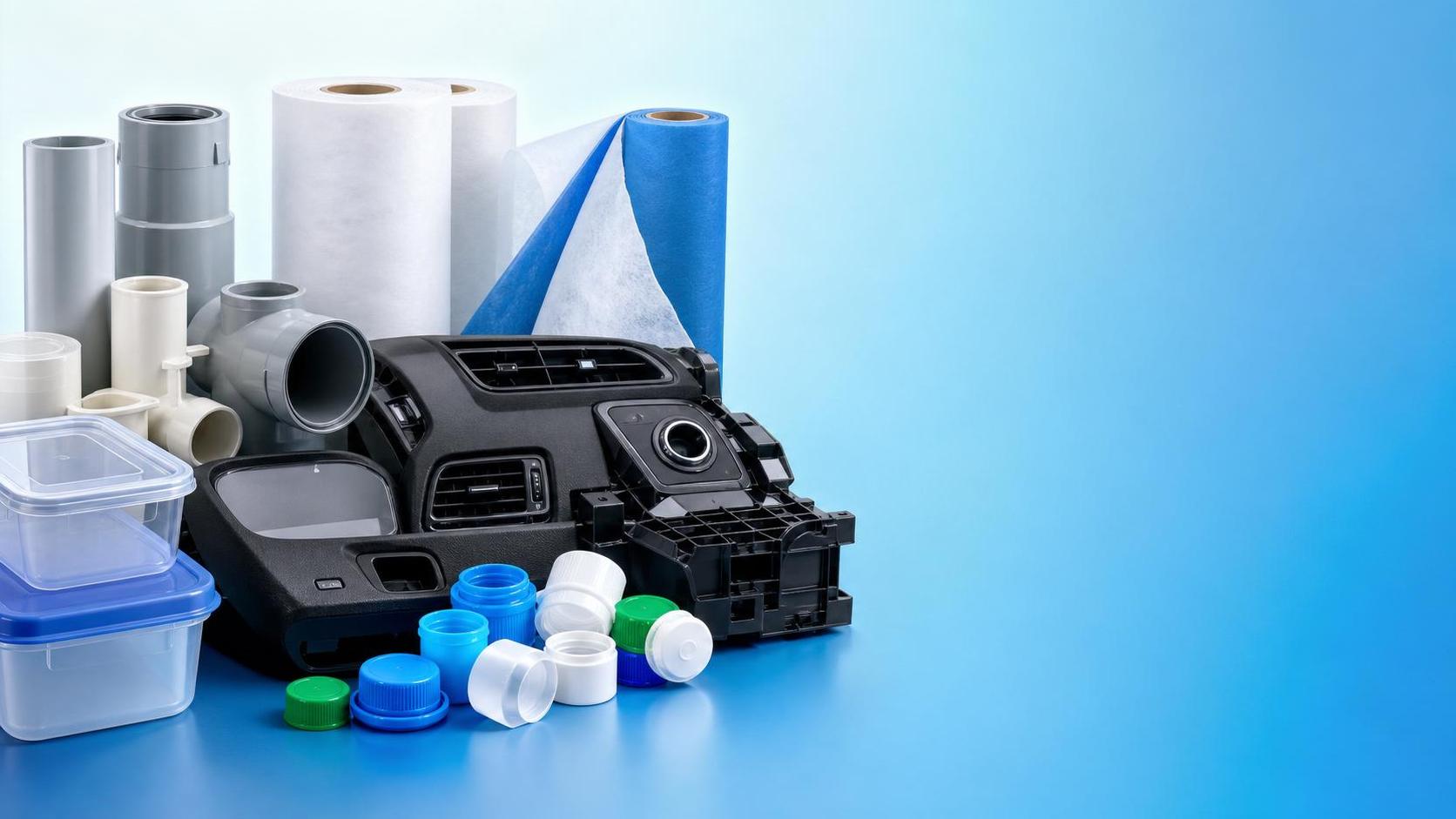
Polypropylene is common in yogurt cups, hinged containers, microwaveable trays, BOPP film, woven bags, and caps. These uses benefit from stiffness, low weight, and better thermal stability.
In printed packaging, polypropylene film is also valued for surface appearance. That matters where shelf presentation influences conversion and retail acceptance.
Common uses for PE
PE is widely used in liners, squeeze bottles, stretch films, heavy-duty sacks, frozen food bags, and general-purpose flexible packaging. It handles drop impact and low-temperature flexing well.
For many high-speed operations, PE also offers forgiving sealing behavior. That can reduce scrap and simplify machine setup across different production lots.
What the market is watching now
Resin selection is no longer just a technical issue. Regional feedstock economics, freight disruptions, and changing import rules can alter the landed cost advantage between polypropylene and PE.
Another pressure point is compliance. Food-contact declarations, migration limits, and recycled content targets are now part of routine packaging evaluation in many markets.
Polypropylene supply can look attractive when lightweighting matters or when converters need stronger stiffness at lower part weight. PE may gain ground when logistics stress and seal security are the main concerns.
For companies tracking market trends and sourcing references, resin choice increasingly sits between technical fit and supply chain resilience. The lowest quoted price alone is a weak decision tool.
A practical way to choose the right resin
A useful decision process starts with the package environment, not the resin name. Heat exposure, product weight, storage temperature, sealing speed, and transport risk should come first.
- Choose polypropylene when stiffness, heat resistance, hinge performance, or high-gloss film appearance are central requirements.
- Choose PE when puncture resistance, soft touch, freezer performance, or broad sealing windows matter more.
- Check whether mono-material design, recyclability targets, or local recovery systems favor one structure over another.
- Request data on melt flow, density, sealing range, migration compliance, and lot consistency before final approval.
- Validate on actual equipment, because processing performance often differs from laboratory expectations.
It is also worth comparing total cost, not just resin price. Scrap rates, machine speed, downgauging potential, freight weight, and complaint risk can change the real economics quickly.
Turning comparison into a better sourcing decision
Polypropylene is not automatically better than PE, and PE is not a default safe option. Each becomes the right choice only when the package, process, and market conditions are clearly defined.
A stronger next step is to map performance needs against resin properties, then compare supplier documentation, conversion trials, and regional availability side by side.
When that framework is in place, polypropylene versus PE becomes less of a price debate and more of a controlled packaging decision with fewer surprises downstream.
Technical Specifications
- How to test melt flow consistency in batches of recycled plasticsAuthor :Polymers & Rubber Editorial Team
- When does a cast resin transformer need high-altitude derating?Author :Electrical Components Editorial Team
- How to verify Global Industrial Insights sourcing informationAuthor :Industrial Machinery Editorial Team
Expert Insights

Chief Security Architect
Dr. Thorne specializes in the intersection of structural engineering and digital resilience. He has advised three G7 governments on industrial infrastructure security.
Core Sector // 01
Security & Safety
- How to test melt flow consistency in batches of recycled plasticsAuthor :Polymers & Rubber Editorial Team

- Which thermoplastic elastomers stay flexible at low temperatures?Author :Polymers & Rubber Editorial Team

- Which Shore hardness suits soft touch TPE for handheld grips?Author :Polymers & Rubber Editorial Team

- Should Buyers Lock In Polypropylene Prices for Six Months?Author :Polymers & Rubber Editorial Team

- Why Do Polypropylene Prices Differ by Region?Author :Polymers & Rubber Editorial Team

- What Drives Polypropylene Price Changes in Packaging and Injection Molding?Author :Polymers & Rubber Editorial Team

- How to Evaluate a Polyethylene Manufacturer for Long-Term Supply ReliabilityAuthor :Polymers & Rubber Editorial Team

- Polypropylene Material Properties: Where PP Works Well and Where It Does NotAuthor :Polymers & Rubber Editorial Team