How ambient temperature affects solar transformer specifications
Author
Date Published
Reading Time
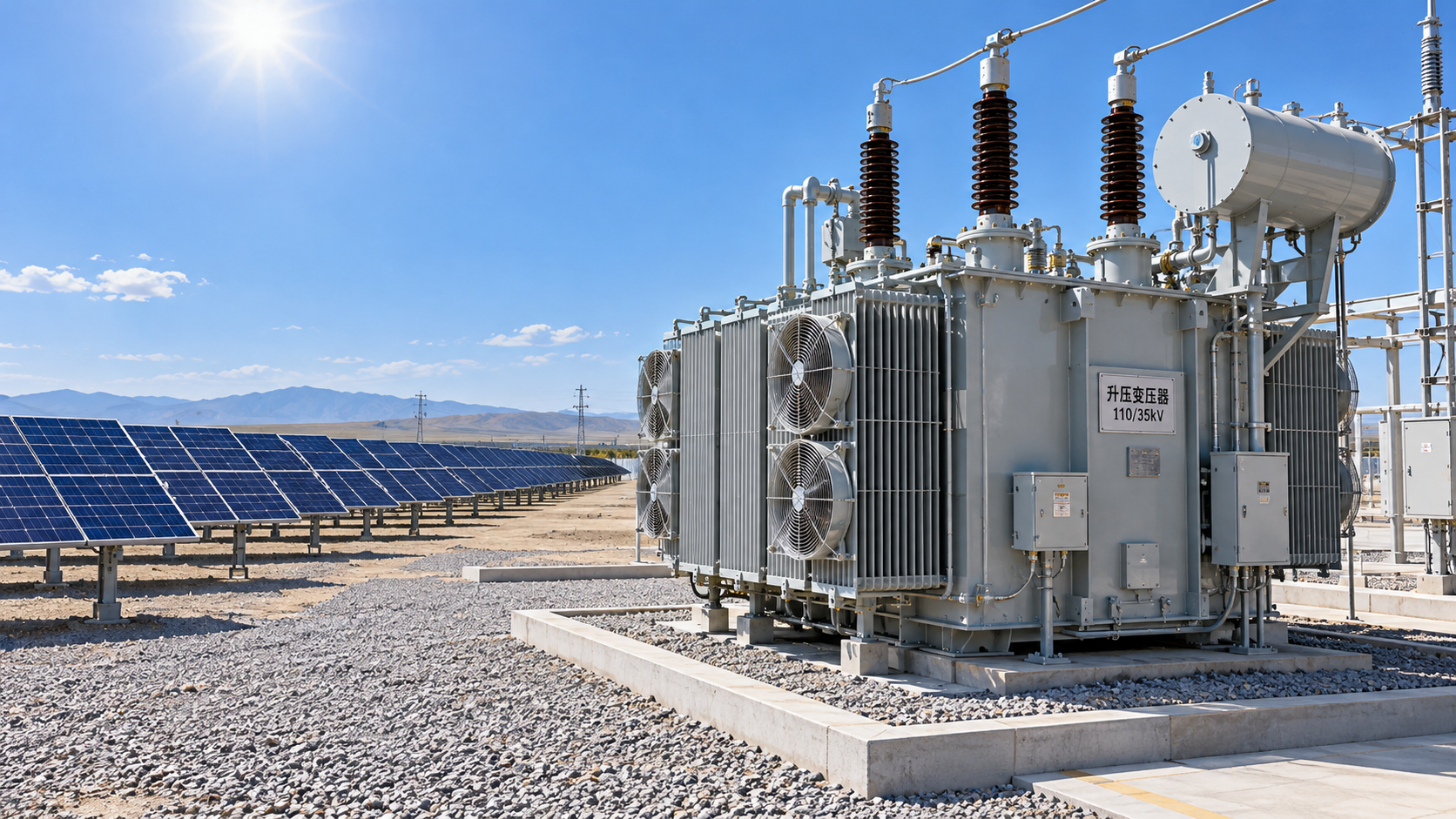
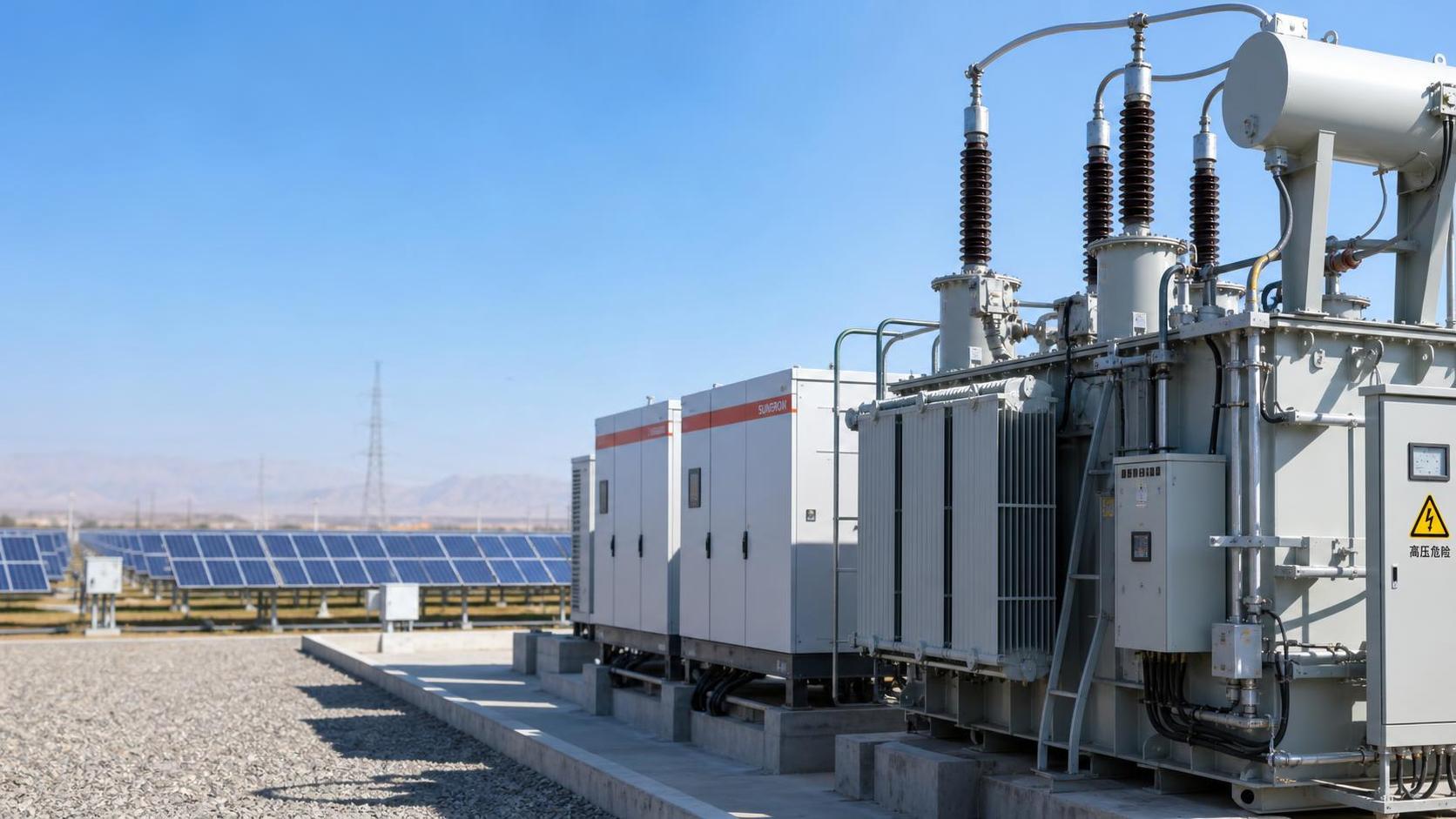
Ambient temperature determines how much heat a solar transformer can release and, consequently, how much load it can carry within its thermal limits. A transformer that delivers its nameplate rating under specified reference conditions may need a lower operating load, a different cooling arrangement, or a revised thermal design at a hotter site. The effect depends on the temperature profile, the cooling system, and how closely high ambient temperatures coincide with generation.
For technical evaluation, the first question is whether the proposed rating is guaranteed under the conditions the transformer will actually experience. A solar transformer specification should connect site temperature, operating duty, cooling performance, and insulation limits. A maximum ambient temperature written on a datasheet does not establish that full rated output is available continuously at that temperature.
Start with the temperature at the cooling equipment. Regional weather records provide a starting point, but the relevant air temperature is the air reaching the radiators, cooling fans, or dry-type transformer enclosure. Restricted ventilation, nearby equipment, and recirculated exhaust air can make this temperature higher than the weather station reading. Direct sunlight also adds heat to exposed surfaces, although its effect should be assessed separately from ambient air temperature.
The site temperature schedule should distinguish between maximum temperature, sustained hot periods, and average conditions over the periods relevant to the governing standard. These describe different thermal demands. A brief afternoon peak may have a different effect from several consecutive hot days with warm nights. Nighttime conditions matter because they influence how far the transformer cools before the next operating cycle.
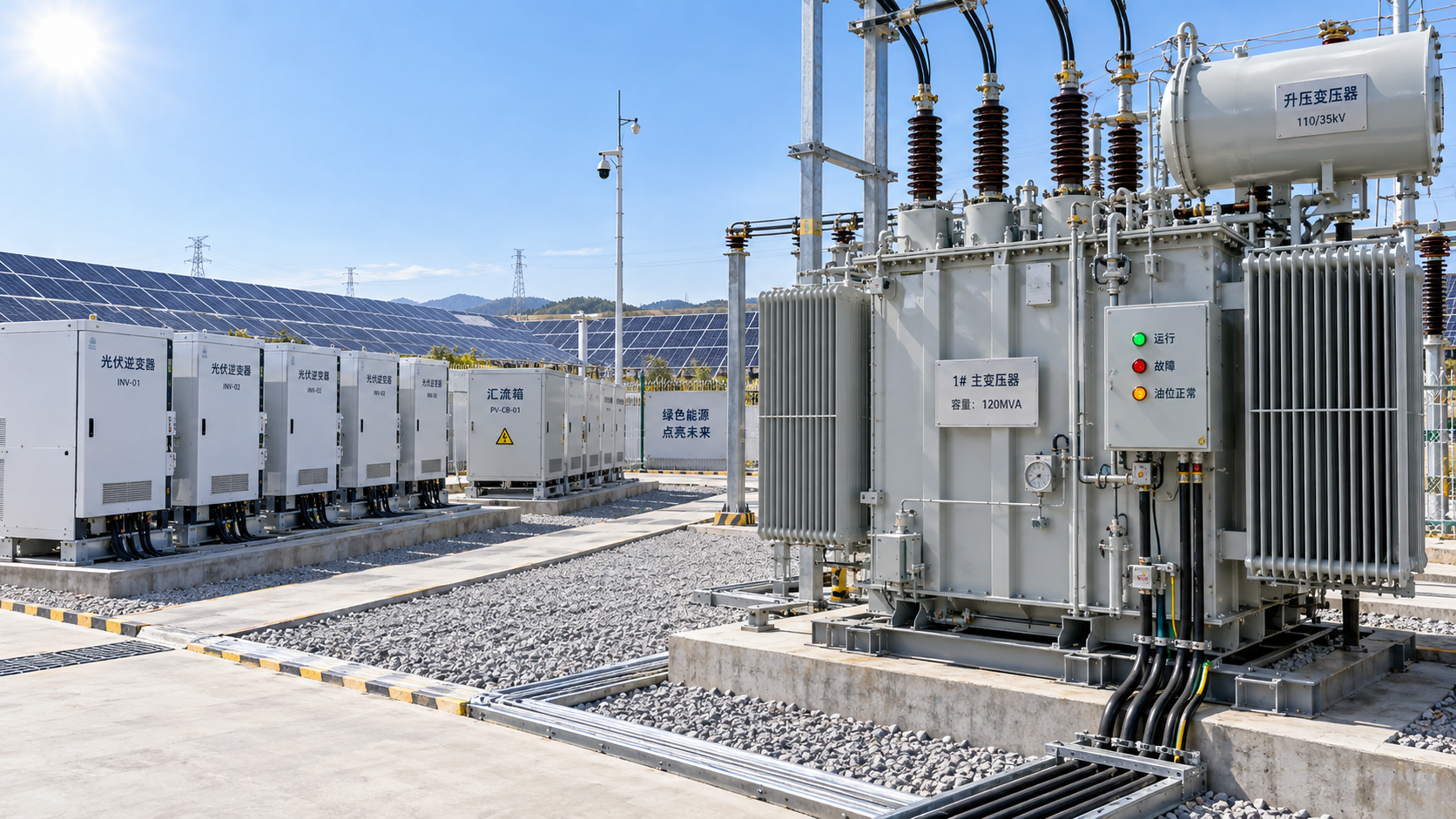
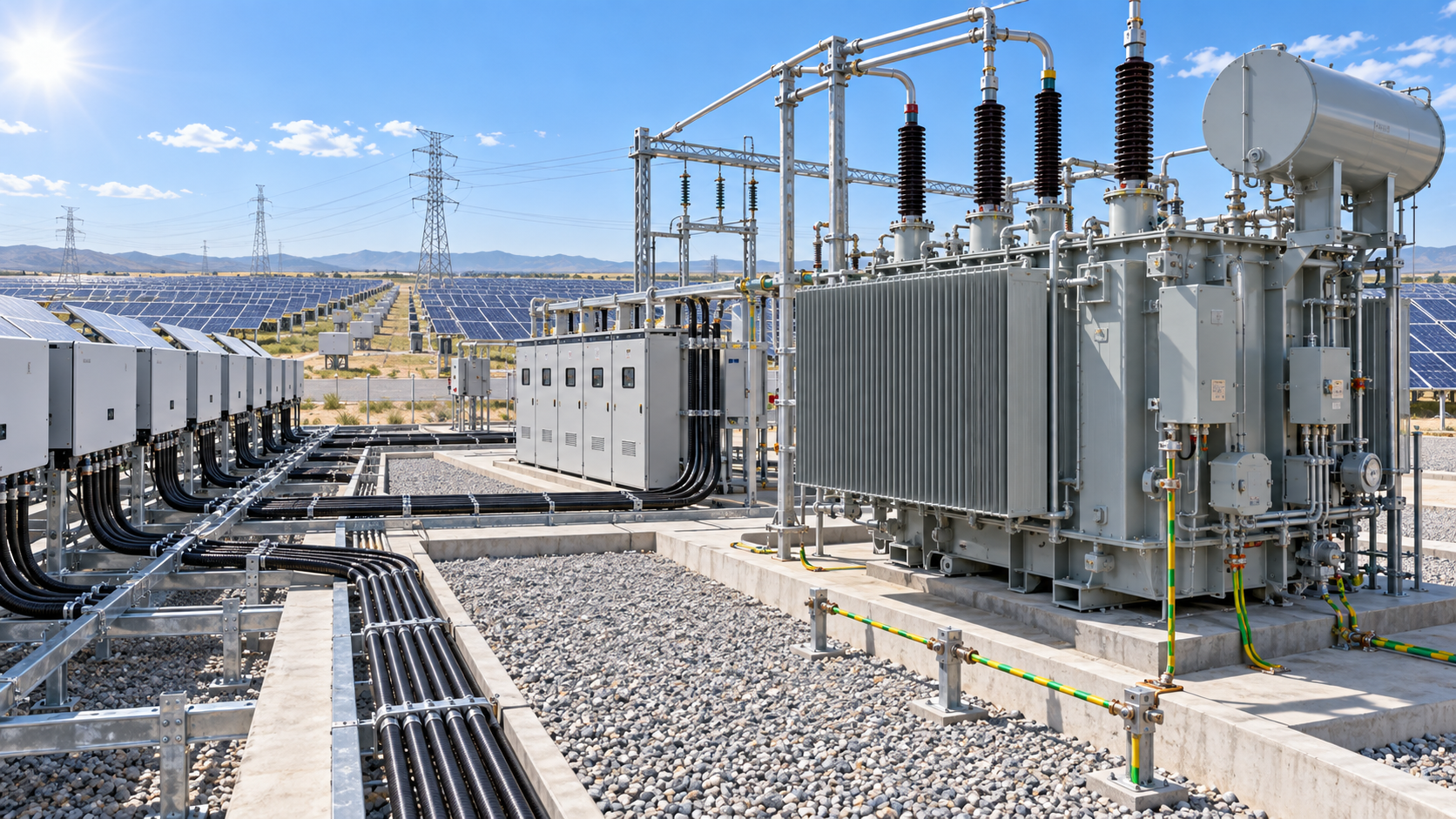
Outdoor installations and enclosed substations therefore need different supporting information. An exposed transformer requires assessment of its actual installation arrangement, including solar exposure and airflow clearances. A transformer inside a container or building needs an estimate of internal air temperature under operating losses, with the ventilation or air-conditioning system working as specified. Using outdoor ambient temperature as the design input for an enclosure can understate the cooling requirement.
Altitude should accompany the temperature data. Lower air density can reduce the effectiveness of air cooling, while altitude can also affect external insulation requirements. A temperature correction developed for one installation elevation should not be assumed valid at another. Ask the manufacturer to address both conditions in the proposed design rather than treating them as unrelated datasheet entries.
Apply the correct standards framework before comparing temperature limits. The IEC 60076 series addresses power transformers through different documents covering general requirements, temperature rise, loading, and dry-type equipment. IEC 60076-2 concerns temperature rise for liquid-immersed transformers; IEC 60076-7 provides loading guidance for mineral-oil-immersed transformers. Dry-type equipment has separate requirements and loading guidance in IEC 60076-11 and IEC 60076-12. IEEE projects similarly need the applicable C57 requirements and loading guidance for the transformer concerned.
The contract should identify the governing documents, editions, and any departures from their normal service conditions. Mixing a temperature-rise limit from one framework with a loading assumption from another can produce an apparently complete specification whose guarantees do not align. The manufacturer’s declaration should show how the offered rating satisfies the selected requirements at the stated site conditions.
Temperature rise and absolute temperature also need separate treatment. Winding temperature rise describes an increase above the surrounding cooling medium under defined conditions. Insulation performance depends on the resulting operating temperature, including the hottest part of the winding. A satisfactory average winding temperature does not, by itself, establish that the winding hot spot remains within the applicable limit.
For a liquid-immersed transformer, a useful conceptual relationship is that winding hot-spot temperature combines ambient temperature, the oil temperature rise above ambient, and the winding hot-spot rise above the surrounding oil. Higher ambient temperature reduces the available thermal margin. The final response is not necessarily a simple one-for-one calculation because winding resistance, losses, fluid properties, and cooling performance also change with operating conditions.
This distinction becomes especially important when evaluating insulation life. Elevated temperature accelerates thermal aging, but a universal statement such as “every fixed temperature increase halves transformer life” is too broad for specification work. Aging calculations depend on the insulation system, reference temperature, loading model, and other assumptions. For cellulose insulation, moisture and oxygen conditions also influence deterioration. Request an assessment using the applicable loading guide and the offered insulation system.
Match the thermal assessment to the solar plant’s operating duty. Solar generation places much of the transformer’s load during daylight, when ambient temperatures may also be high. However, the hottest hour and the highest electrical output do not always coincide. Module temperature, irradiance, inverter limits, plant controls, and export restrictions affect the actual profile. Combining maximum ambient temperature with maximum load can be a useful design requirement, but it should be identified as a required operating condition rather than presented as an observed daily pattern.
Two assessments can serve different purposes. A specified continuous-duty case establishes what the transformer must deliver under an agreed severe condition. A chronological assessment then checks temperature and aging across a representative operating sequence. The second approach captures thermal inertia: oil and windings take time to heat and cool, so the duration and sequence of loading matter alongside the peak value.
Pair load and ambient data using consistent timestamps and sufficiently short intervals for the thermal model. Include consecutive hot days and the temperature reached before the next generation period. A daily average load paired with a daily maximum temperature loses the relationship between heat production and heat rejection. It can obscure a short thermal exceedance or suggest a constraint that a chronological calculation would not show.
Use apparent power in this assessment. A plant’s active-power export limit does not fully describe transformer current when reactive power is required. Reactive support during generation can increase winding losses at a given megawatt output, while nighttime reactive operation can reduce the expected cooling interval. Harmonic currents should also be characterized where relevant because their additional losses depend on the current spectrum and transformer design.
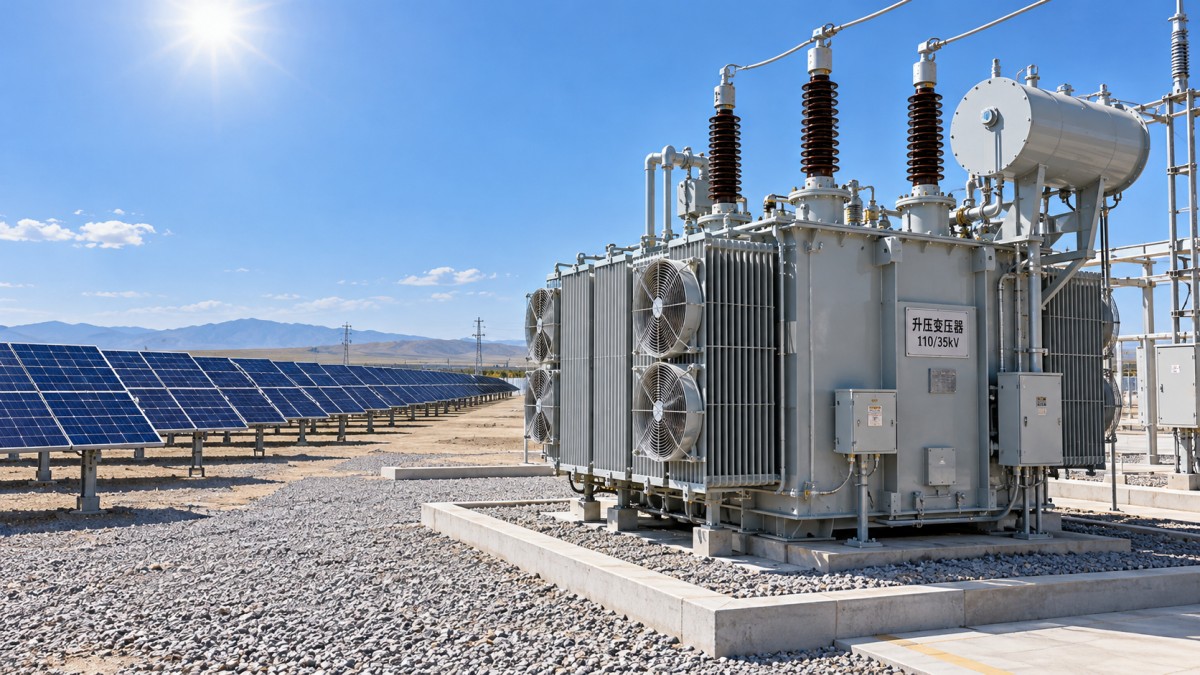
Read a derating curve as a conditional performance statement. A curve showing permissible load against ambient temperature is useful only when its assumptions match the project. Establish whether it represents continuous operation at a steady temperature or a time-dependent loading cycle. Check the cooling stage, altitude, installation clearances, enclosure arrangement, and thermal limit used to construct it. Also determine whether the limit protects normal insulation aging, a specified temperature ceiling, or another component constraint.
A single percentage reduction per degree is insufficient unless the manufacturer demonstrates its applicability over the required range. Thermal behavior varies between designs, and a correction for one transformer cannot automatically be transferred to another with the same nameplate capacity. Curves for liquid-immersed and dry-type units are particularly unsuitable for direct interchange because their heat-transfer paths and thermal storage differ.
Consider an illustrative calculation. If a supplier confirms that a proposed transformer can carry only 90% of nameplate capacity continuously at the specified site condition, a required 5 MVA duty implies a nameplate rating of at least 5 ÷ 0.90, or approximately 5.56 MVA, on that basis. The 90% factor is hypothetical; it is not a general correction for hot climates. The selected design still needs confirmation for the specified voltage, cooling arrangement, losses, and operating duty.
Increasing nameplate capacity is one response, but it should be compared with other design options. A larger unit changes losses, impedance, dimensions, and potentially associated equipment requirements. An alternative may provide the required site output through a larger cooling surface, lower losses, or a revised winding design. Compare proposals at the same guaranteed site duty so that a nominally larger rating does not conceal a different thermal assumption.
Cooling choices determine both capacity and operating dependence. Natural-air cooling avoids dependence on cooling fans, but its capability still depends on clear airflow and suitable installation conditions. Forced-air cooling can increase heat rejection, although hot inlet air reduces the available temperature difference. Fans do not eliminate the effect of high ambient temperature; their contribution needs to be established for the specified conditions.
Where multiple cooling ratings are offered, identify the capacity available at each stage and the load permitted after a fan or auxiliary supply failure. A transformer that requires all fans to meet its contractual site output creates a different operating dependency from one that can maintain that output with a cooling group unavailable. State the required failure condition explicitly, including any allowable curtailment and the time available for control action.
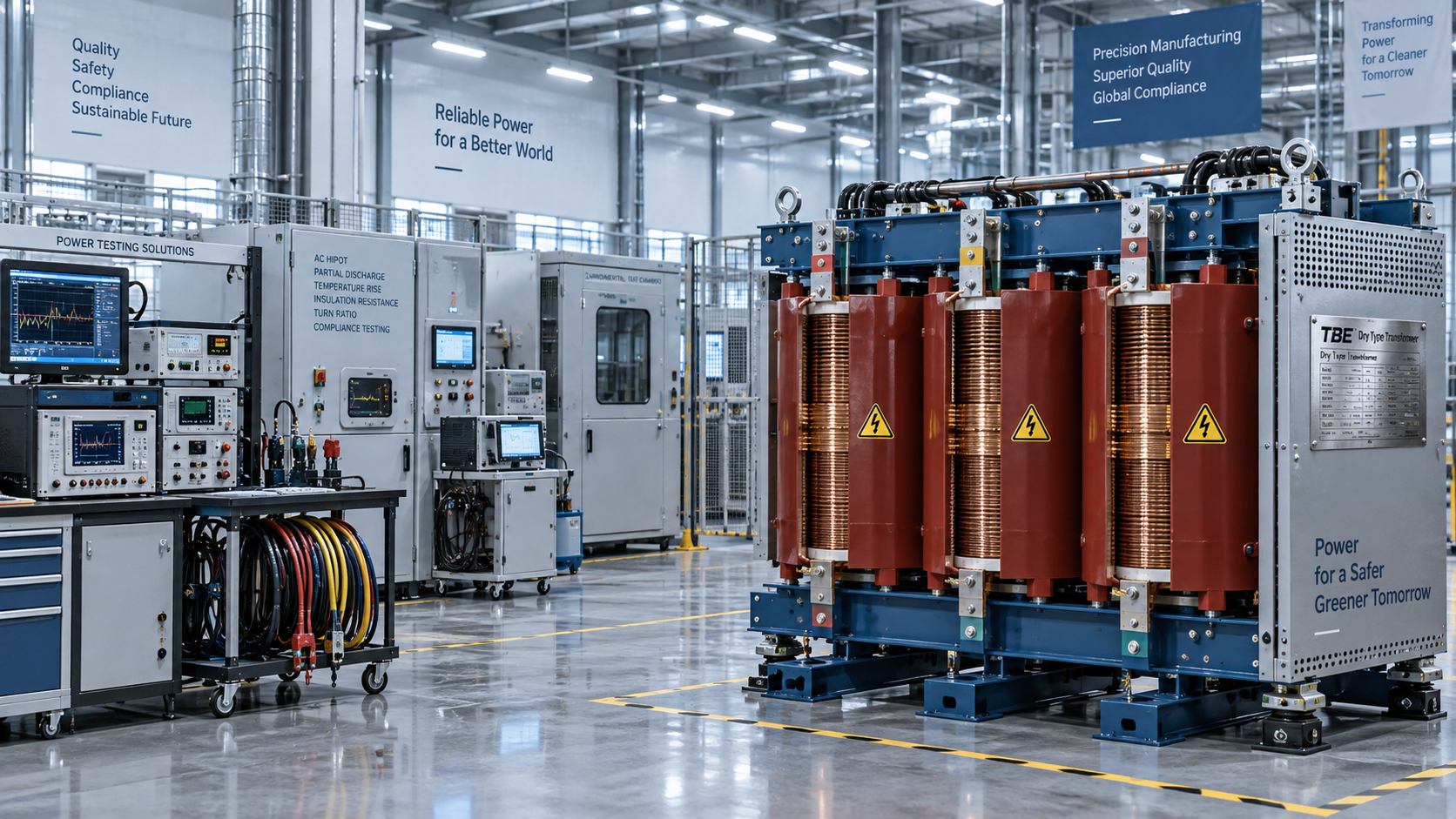
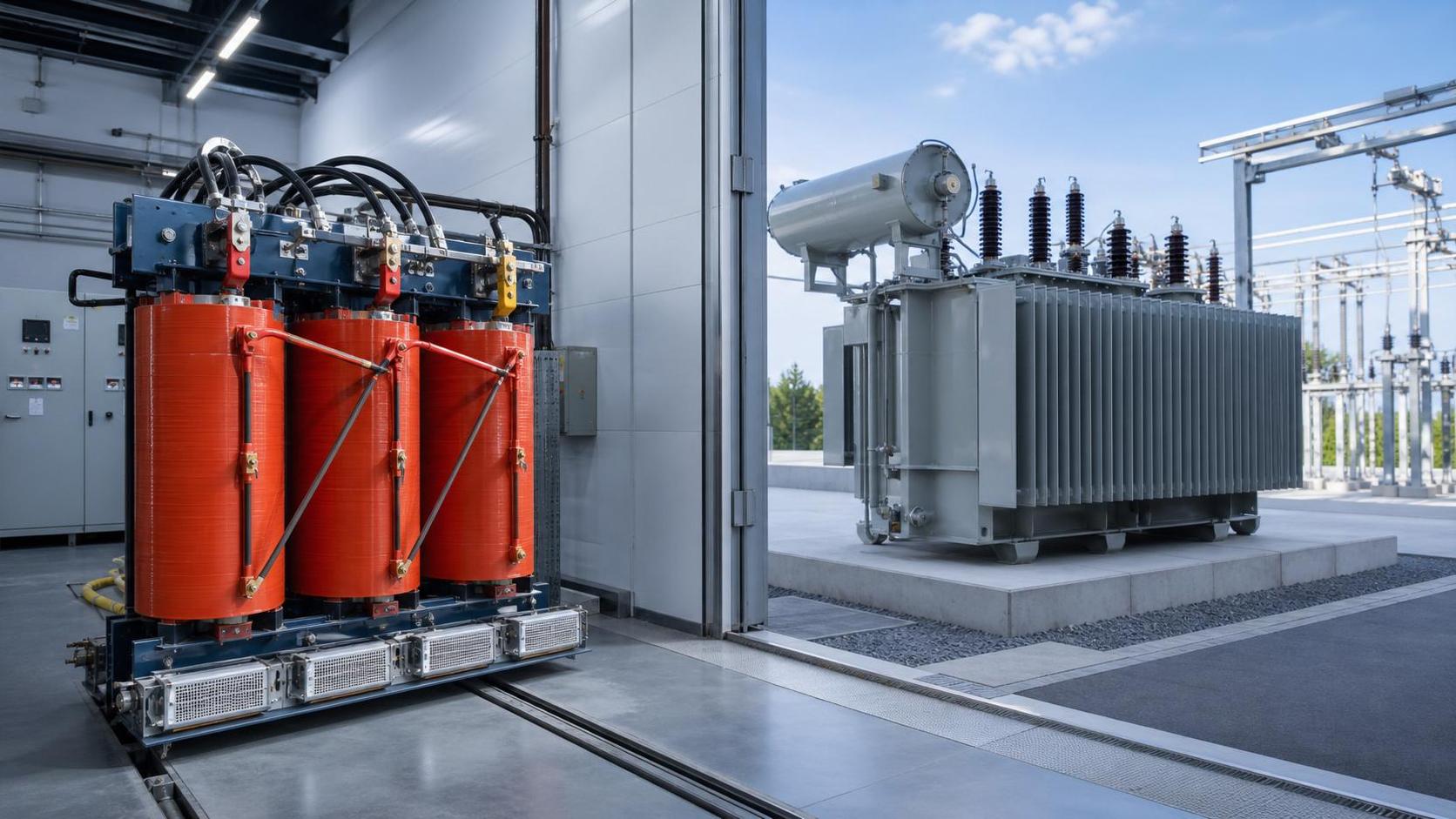
Dry-type transformers require equally careful treatment of enclosure ventilation and air temperature. An enclosure selected for environmental protection can restrict heat removal, while filters and ventilation openings introduce maintenance requirements. A higher insulation thermal class alone does not prove that the complete transformer can carry additional load. Terminals, connections, accessories, and enclosure conditions may impose lower limits than the winding insulation.
Liquid choice also needs a complete design assessment. A fluid and insulation combination may support a different thermal design, but this does not create an automatic uprating entitlement. Heat-transfer properties, winding construction, seals, accessories, and the applicable standards must support the proposed operating temperatures. Evaluate the guaranteed performance of the assembled transformer.
The specification can make these comparisons much clearer by requiring a compact set of deliverables:
- A site-condition schedule covering ambient temperature profiles, altitude, installation arrangement, solar exposure, and ventilation assumptions.
- A guaranteed output for each cooling stage at the stated site conditions, with the associated temperature-rise and hot-spot limits.
- Thermal calculations for the agreed load profile, including reactive duty, relevant harmonic losses, and cooling failure cases.
- Derating curves with their assumptions, plus temperature-rise test evidence and an explanation of how that evidence supports the offered design.
- Monitoring, alarm, cooling-control, and curtailment settings consistent with the thermal assessment.
Temperature-rise testing supports the evaluation, but the relationship between test conditions and site conditions must remain visible. Ask which temperatures were measured, how winding hot spots were established or estimated, and how results were corrected or applied to the proposed installation. A factory test cannot establish the performance of a poorly ventilated site enclosure unless that enclosure’s effect has been included in the assessment.
The final technical comparison should answer a practical question: how much apparent power can each offered transformer deliver through the specified hot-weather duty, within agreed temperature and aging limits, with the stated cooling equipment available? When those conditions appear in the guarantee, ambient temperature becomes an enforceable design input. Without that connection, two identical nameplate ratings can represent materially different capabilities at the same solar plant.
Technical Specifications
- Which Shore hardness suits soft touch TPE for handheld grips?Author :Polymers & Rubber Editorial Team
- How ambient temperature affects solar transformer specificationsAuthor :Electrical Components Editorial Team
- How do different types of resins compare in UV resistance?Author :Chemical Industry Editorial Team
Expert Insights

Chief Security Architect
Dr. Thorne specializes in the intersection of structural engineering and digital resilience. He has advised three G7 governments on industrial infrastructure security.
Core Sector // 01
Security & Safety
- How ambient temperature affects solar transformer specificationsAuthor :Electrical Components Editorial Team

- What to verify before selecting a transformer manufacturer in the USAAuthor :Electrical Components Editorial Team

- How to check transformer capacity for a solar system before commissioningAuthor :Electrical Components Editorial Team

- How to size solar transformer capacity for peak generationAuthor :Electrical Components Editorial Team

- Which solar transformer specifications must match inverter output?Author :Electrical Components Editorial Team

- How do you size a transformer for solar power projects?Author :Electrical Components Editorial Team

- How Transformers Affect Power Stability in Industrial FacilitiesAuthor :Electrical Components Editorial Team

- Dry-Type vs Oil-Filled Transformers: Which Fits Your Project?Author :Electrical Components Editorial Team