How Transformers Affect Power Stability in Industrial Facilities
Author
Date Published
Reading Time
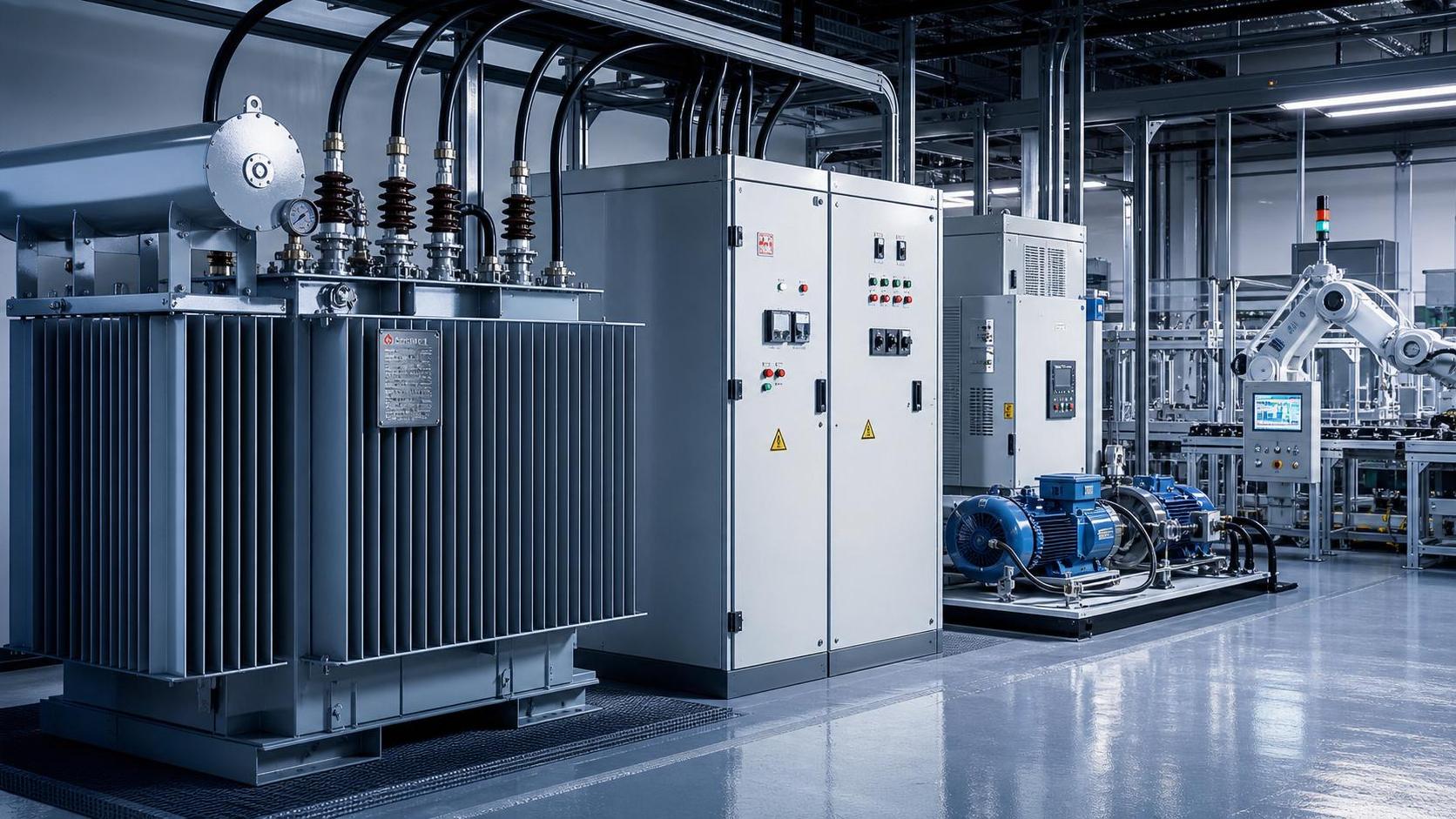
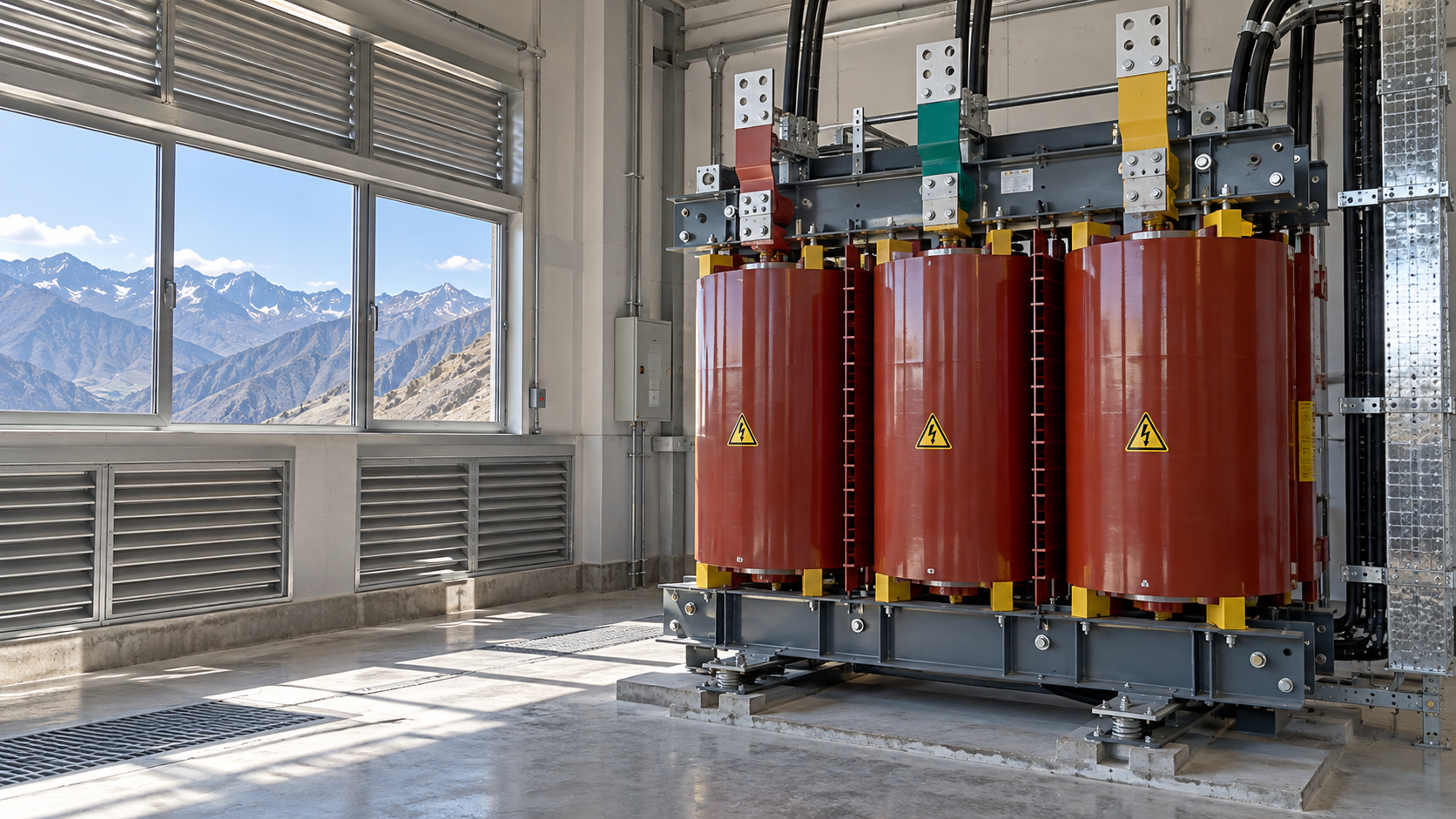
Power stability is rarely noticed until production stops. In industrial facilities, transformers sit at the center of that stability by regulating voltage, isolating sensitive loads, and helping equipment run within safe limits.
When power quality drifts, the impact spreads quickly. Motors overheat, drives trip, control systems reset, and maintenance costs rise. For operations comparing upgrade plans or sourcing options, understanding transformers is a practical business issue, not just an electrical one.
Why transformers matter beyond basic power conversion
At a basic level, transformers change voltage from one level to another. In industrial settings, their real value is broader. They help keep voltage consistent across production lines with different load profiles.
They also separate parts of the electrical system. That isolation can limit the spread of disturbances, especially where automation panels, variable frequency drives, and heavy machinery share the same network.
This is why transformer selection affects uptime. A unit that matches the facility’s load behavior can reduce nuisance trips and improve the performance of connected assets over time.
What power stability means in an industrial facility
Power stability is not only about avoiding blackouts. It includes voltage balance, frequency consistency, harmonic control, short-term ride-through, and the system’s ability to absorb sudden load changes.
In many facilities, power conditions shift every hour. Compressors start, welders pulse, furnaces cycle, and conveyors accelerate. Transformers must support these patterns without creating thermal stress or excessive voltage drop.
Even a small mismatch can become expensive. If transformers are undersized, poorly configured, or exposed to harmonics beyond design limits, stability weakens long before a visible failure appears.
Common instability signals
- Repeated breaker trips during peak production periods
- Unusual heat around switchgear or transformer enclosures
- Frequent drive alarms, PLC resets, or sensor faults
- Premature motor insulation wear or capacitor failure
Current industry concerns shaping transformer decisions
Several market trends have pushed transformers higher on the investment agenda. One is electrification. Facilities are adding more automated lines, digital controls, and energy-intensive equipment to increase output and precision.
Another is supply chain pressure. Lead times for electrical equipment, changes in raw material pricing, and logistics risks can delay replacement schedules. That makes early specification and supplier assessment more important.
Standards and compliance also matter more now. Efficiency requirements, insulation classes, fire safety expectations, and regional certifications can influence which transformers are suitable for cross-border projects or plant expansions.
For buyers tracking industry news and sourcing references, transformers are no longer a background component. They sit where reliability, procurement risk, and lifecycle cost meet.
Where transformer performance affects operations most
The effect of transformers varies by application. Some loads care mainly about voltage conversion. Others depend on harmonic tolerance, low impedance, or strong insulation performance under continuous cycling.
This is where broad product knowledge becomes useful. The same rated power can lead to very different operating results depending on load composition and site conditions.
How to evaluate transformers in practical terms
A sound evaluation starts with the load, not the catalog. Nameplate capacity matters, but demand swings, harmonics, duty cycle, ambient temperature, and future expansion matter just as much.
In actual use, several checks tend to reveal whether transformers support stable operations or only meet minimum design assumptions.
- Review peak and average load separately, not as one blended figure
- Check harmonic content from drives, welders, UPS systems, and rectifiers
- Compare insulation class and cooling method with site temperature conditions
- Confirm compliance requirements for the destination market or facility standard
- Assess supplier lead time, after-sales support, and documentation quality
These points also support better sourcing decisions. A lower upfront price may carry higher downtime risk if documentation is weak, efficiency losses are ignored, or replacement logistics are uncertain.
A better basis for the next investment decision
Transformers influence power stability through voltage control, isolation, thermal performance, and system resilience under changing loads. Their impact reaches production continuity, maintenance planning, and energy cost management.
For facilities planning upgrades, expansions, or replacement cycles, the next step is usually straightforward. Map the real load profile, identify recurring power quality issues, and compare transformer options against operating conditions rather than rated power alone.
That approach creates a clearer view of reliability risk and supplier fit. It also makes future discussions around standards, sourcing, and total lifecycle value far more precise.
Technical Specifications
- How to test melt flow consistency in batches of recycled plasticsAuthor :Polymers & Rubber Editorial Team
- When does a cast resin transformer need high-altitude derating?Author :Electrical Components Editorial Team
- How to verify Global Industrial Insights sourcing informationAuthor :Industrial Machinery Editorial Team
Expert Insights

Chief Security Architect
Dr. Thorne specializes in the intersection of structural engineering and digital resilience. He has advised three G7 governments on industrial infrastructure security.
Core Sector // 01
Security & Safety
- When does a cast resin transformer need high-altitude derating?Author :Electrical Components Editorial Team

- How ambient temperature affects solar transformer specificationsAuthor :Electrical Components Editorial Team

- What to verify before selecting a transformer manufacturer in the USAAuthor :Electrical Components Editorial Team

- How to check transformer capacity for a solar system before commissioningAuthor :Electrical Components Editorial Team

- How to size solar transformer capacity for peak generationAuthor :Electrical Components Editorial Team

- Which solar transformer specifications must match inverter output?Author :Electrical Components Editorial Team

- How do you size a transformer for solar power projects?Author :Electrical Components Editorial Team

- How Transformers Affect Power Stability in Industrial FacilitiesAuthor :Electrical Components Editorial Team