Dry-Type vs Oil-Filled Transformers: Which Fits Your Project?
Author
Date Published
Reading Time
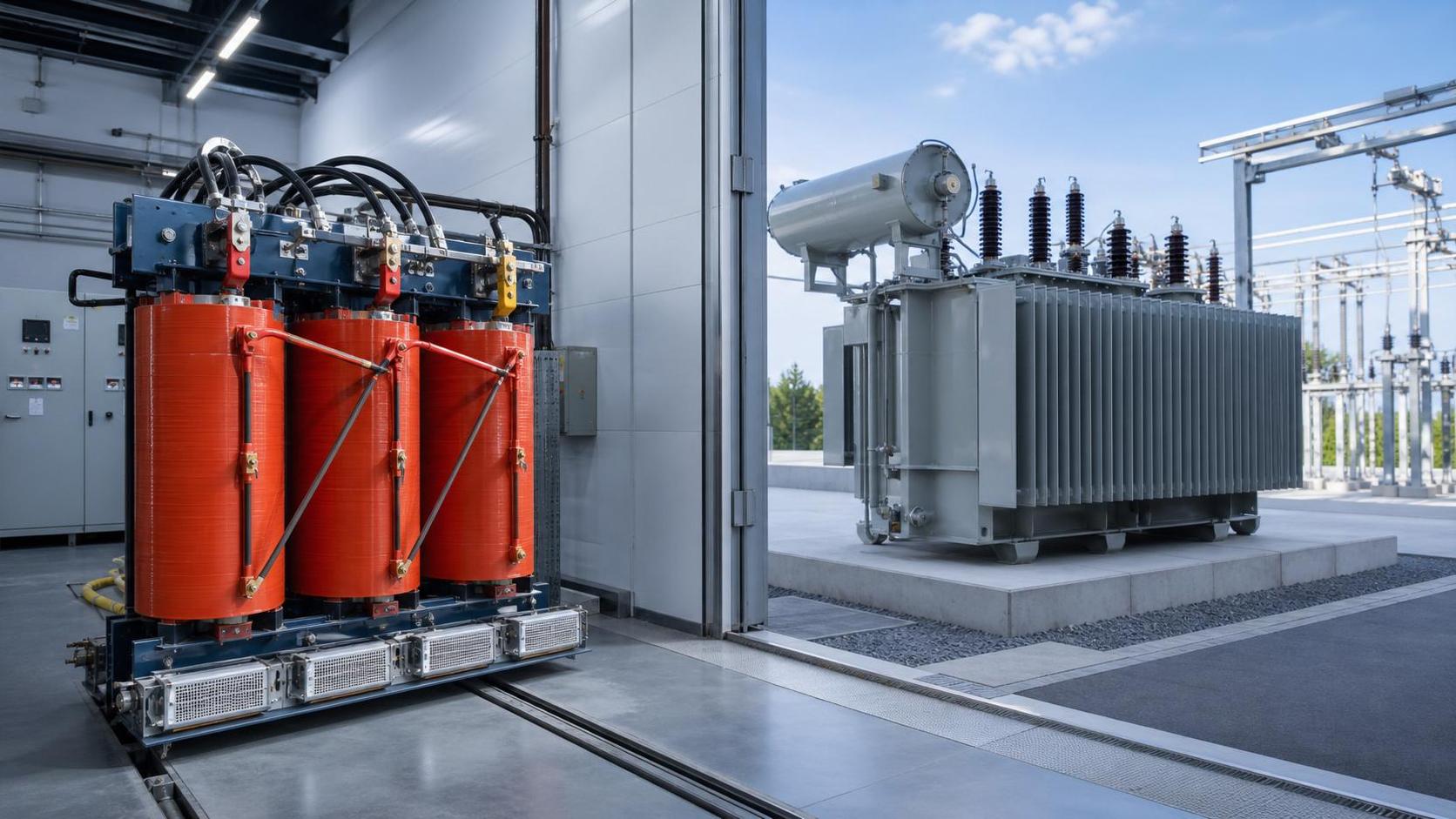
Choosing between dry-type and oil-filled transformers shapes more than equipment selection. It affects fire safety, installation limits, maintenance routines, insurance expectations, and lifecycle cost across commercial, industrial, and infrastructure projects.
That decision is getting closer attention as energy systems become denser, regulations tighten, and procurement teams face volatile freight, raw material, and compliance risks. In practice, the right transformer is the one that fits site conditions, operating profile, and sourcing reality at the same time.
What separates dry-type and oil-filled transformers
Both transformer types perform the same core job: changing voltage safely and efficiently. The difference lies in how they cool and insulate internal components.
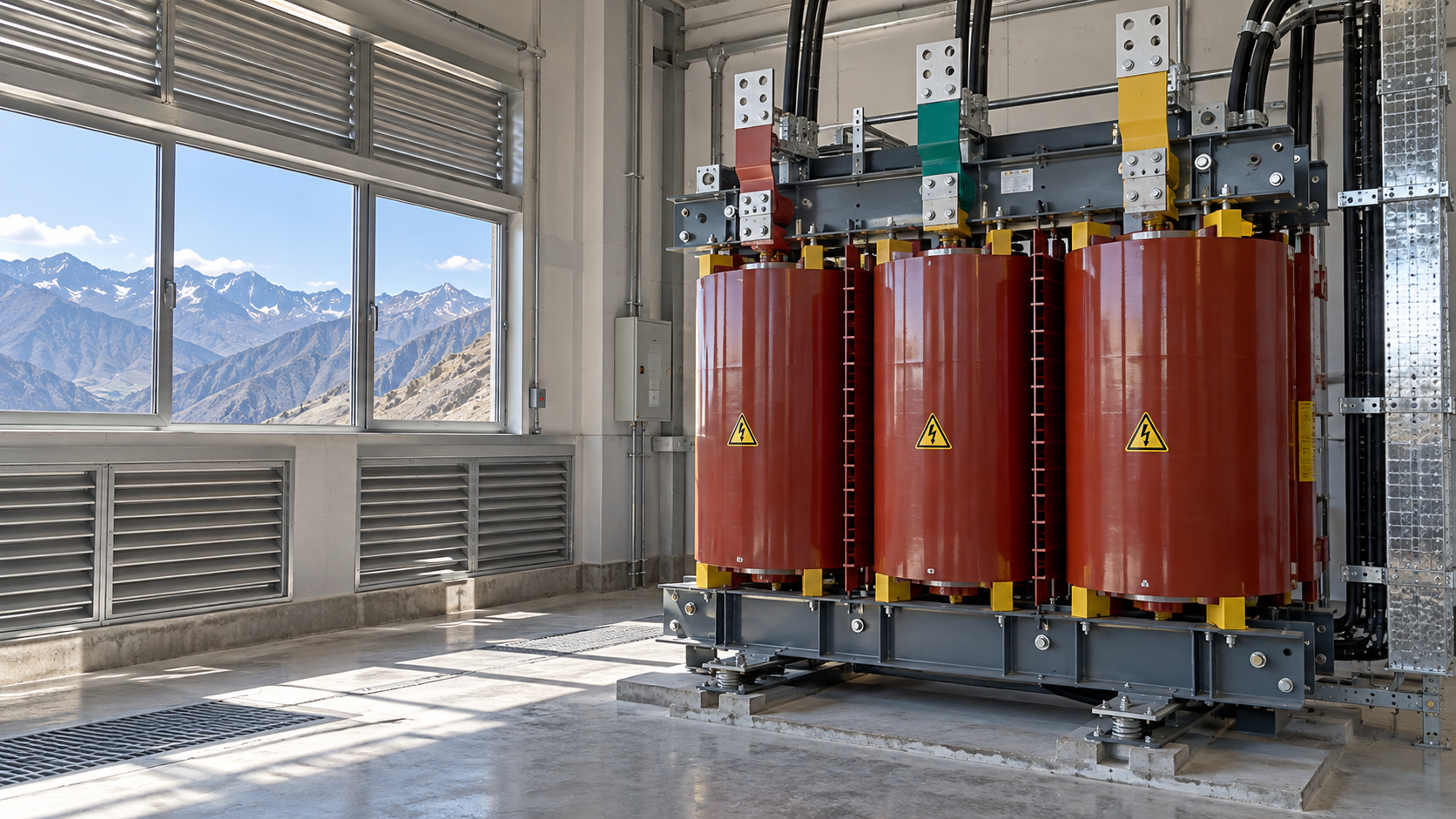
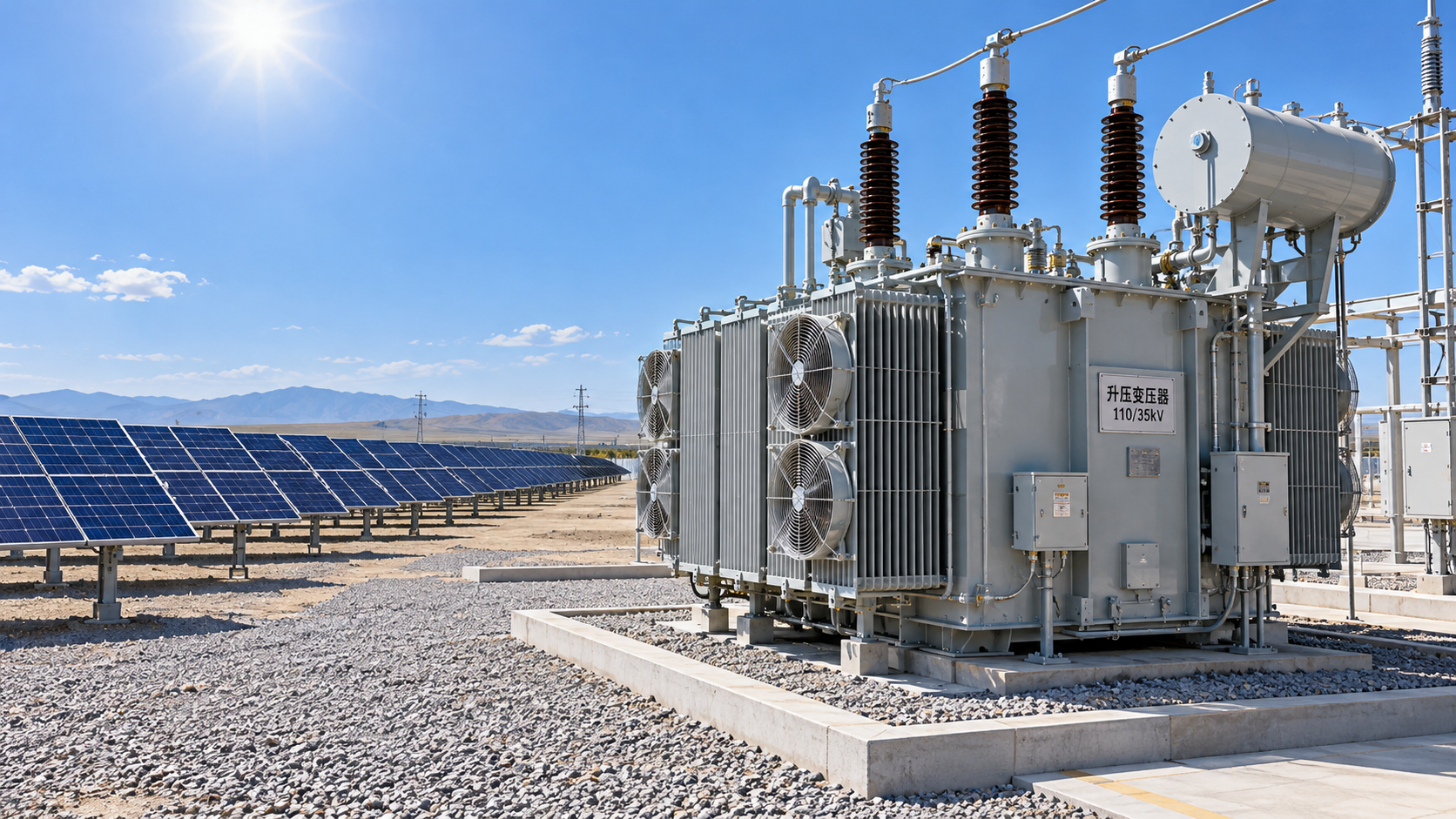
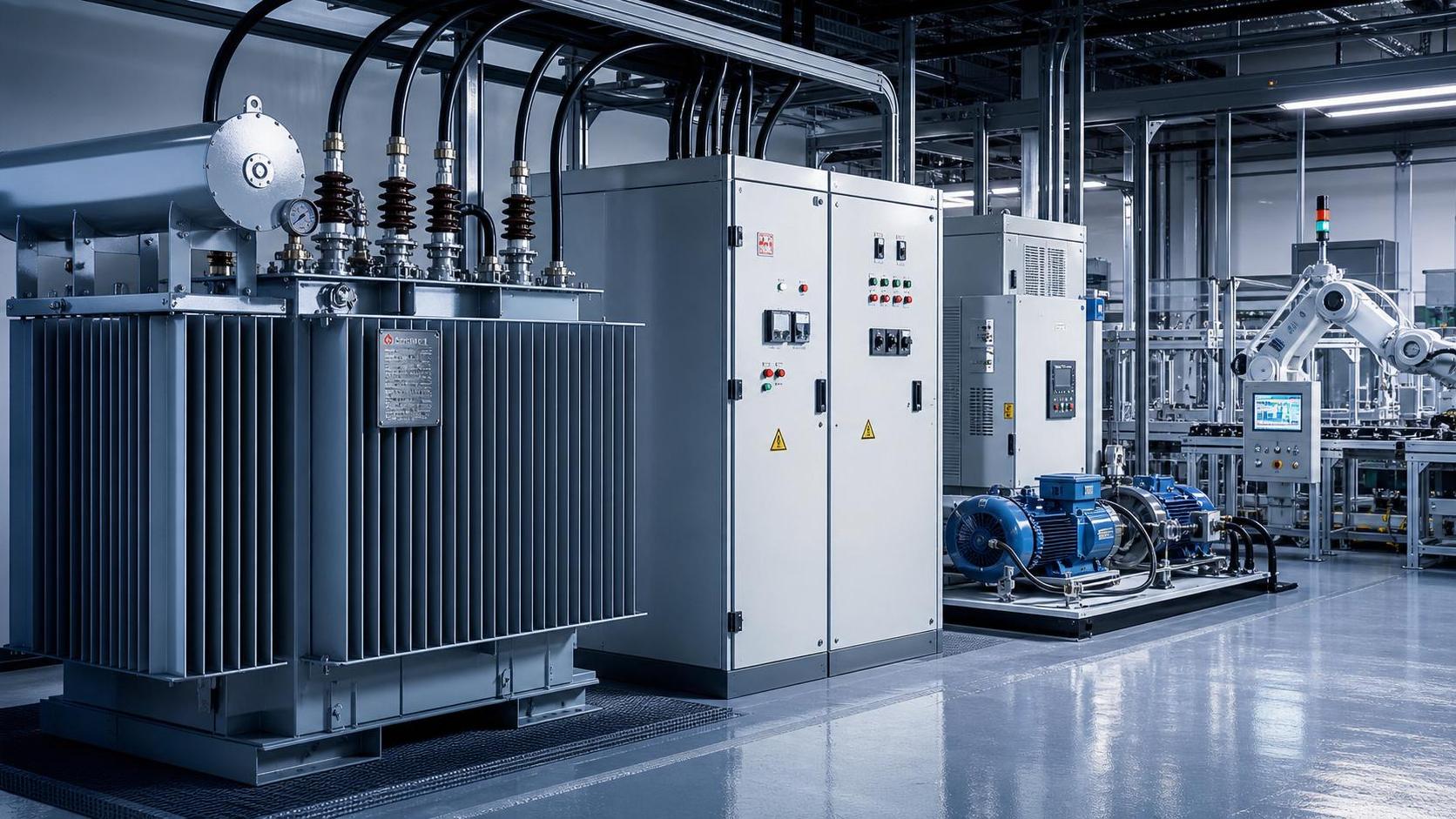
Dry-type transformers use air and solid insulation materials, often epoxy resin or cast coil designs. Oil-filled transformers use insulating oil for cooling and dielectric strength.
This design distinction influences where transformers can be installed, how they behave under load, and what risks need to be managed over time.
A practical comparison
Why the choice matters more now
Transformer selection used to be driven mainly by electrical performance and budget. Today, the conversation is broader.
Urban construction pushes transformers into tighter indoor spaces. At the same time, industrial expansion and renewable integration increase demand for durable outdoor equipment.
Standards, certification requirements, and local fire codes also carry more weight. A technically acceptable transformer may still be the wrong fit if permitting, insurance, or site access becomes complicated.
Supply chain conditions add another layer. Lead times, steel and copper pricing, freight disruptions, and origin-specific compliance can change the total project equation quickly.
Where dry-type transformers usually make sense
Dry-type transformers are often preferred inside commercial buildings, hospitals, data facilities, transport terminals, and high-occupancy sites. Their indoor suitability is a major advantage.
They are also attractive when the transformer must sit close to the load. Shorter cable runs can reduce installation complexity and improve system layout.
However, dry-type units are not automatically low-risk in every environment. Dust buildup, poor airflow, corrosive air, or persistent humidity can shorten service life or reduce performance.
Typical reasons to favor dry-type
- Indoor installation with strict fire and ventilation requirements
- Projects where oil containment infrastructure is undesirable
- Facilities that value easier routine inspection access
- Sites where proximity to occupied areas matters
Where oil-filled transformers remain the stronger option
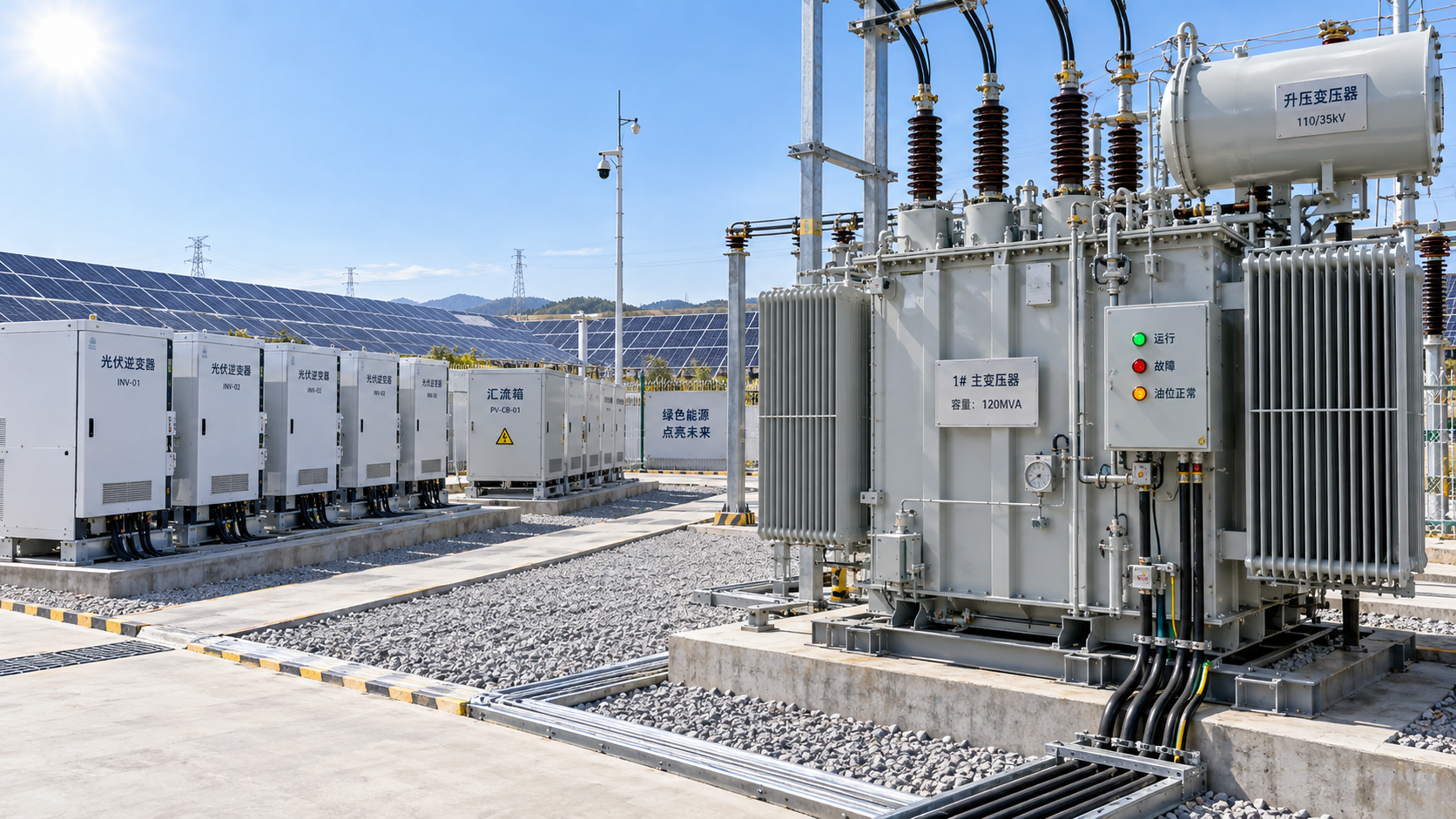
Oil-filled transformers still dominate many utility, heavy industrial, mining, and large outdoor distribution applications. Their cooling performance supports demanding duty cycles and higher capacities.
They are often better suited to exposed locations, temperature swings, and continuous loading. In many cases, they also offer a favorable cost position per kVA.
The tradeoff is clear. Oil management, bunding, spill prevention, inspection discipline, and environmental controls must be planned from the start, not treated as secondary details.
How to evaluate the project fit
A useful comparison starts with the site, not the catalog. The same transformer can be efficient on paper and problematic in the field.
- Check installation location: indoor room, rooftop, yard, substation, or production area
- Review environmental exposure: moisture, dust, chemicals, salt, heat, and altitude
- Estimate operating pattern: base load, intermittent peaks, expansion margin, and overload tolerance
- Map compliance needs: IEC, ANSI, local code, fire rules, and efficiency standards
- Compare total cost: unit price, civil works, protection systems, maintenance, losses, and downtime risk
This approach also helps when comparing supplier offers. Two transformers with similar ratings may imply very different costs once accessories, enclosure grade, testing scope, and logistics are included.
Sourcing details that should not be skipped
For cross-border procurement, technical alignment and commercial clarity matter equally. Nameplate data alone is not enough.
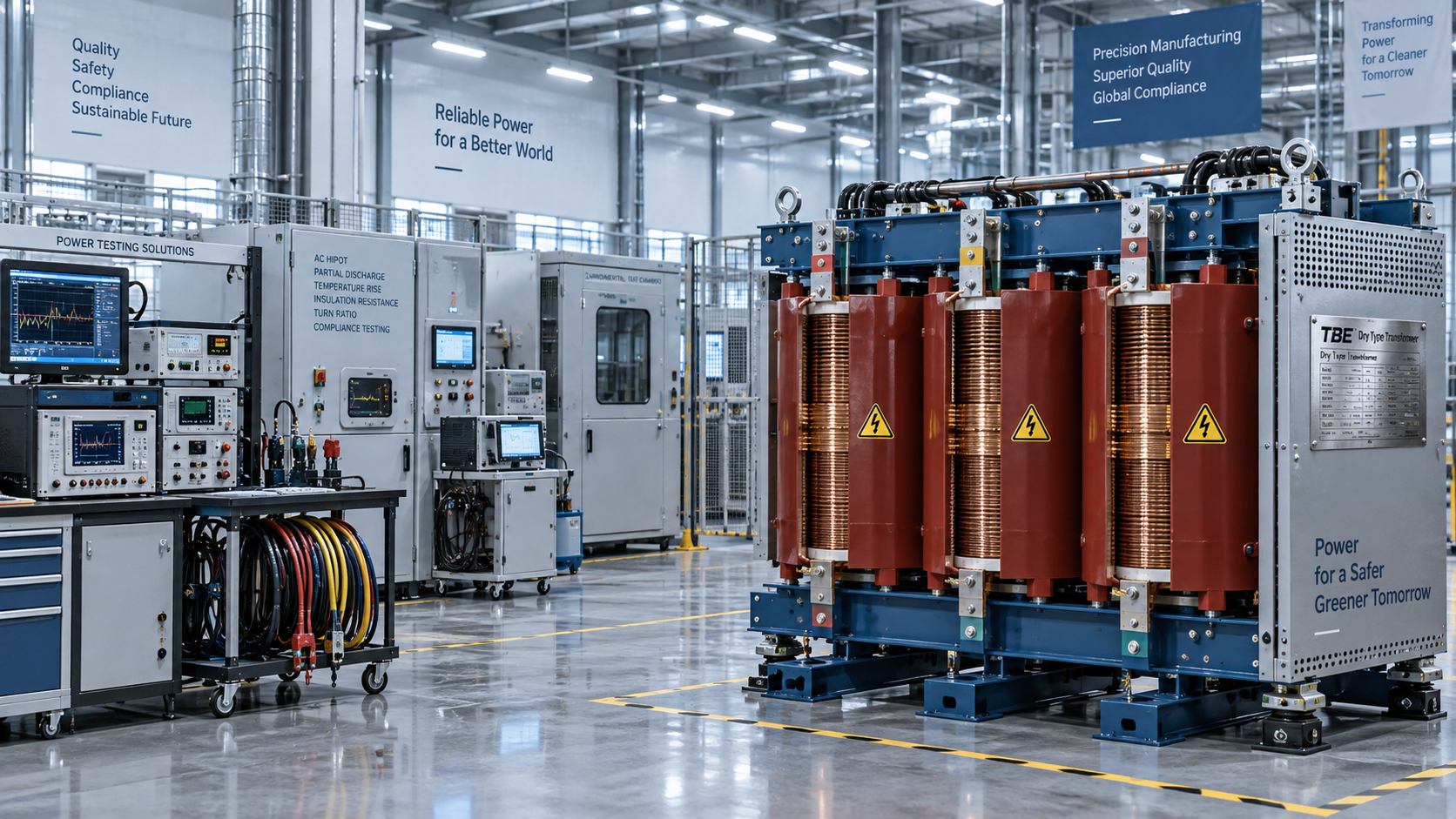
Request routine test records, temperature rise data, insulation class details, protection accessories, and enclosure specifications. Ask how the transformer will be packed, shipped, and commissioned.
It is also worth checking whether the supplier understands destination-market certification, customs documentation, and after-sales support. Those issues often decide whether a project stays on schedule.
A grounded next step
Dry-type and oil-filled transformers each have a strong place in modern power systems. The better choice depends on installation constraints, risk tolerance, operating demands, and the real cost of ownership.
Before locking a specification, line up the site conditions, compliance requirements, lifecycle assumptions, and supplier capability in one comparison sheet. That simple step usually makes the right transformer choice much easier to defend.
Technical Specifications
- How to test melt flow consistency in batches of recycled plasticsAuthor :Polymers & Rubber Editorial Team
- When does a cast resin transformer need high-altitude derating?Author :Electrical Components Editorial Team
- How to verify Global Industrial Insights sourcing informationAuthor :Industrial Machinery Editorial Team
Expert Insights

Chief Security Architect
Dr. Thorne specializes in the intersection of structural engineering and digital resilience. He has advised three G7 governments on industrial infrastructure security.
Core Sector // 01
Security & Safety
- When does a cast resin transformer need high-altitude derating?Author :Electrical Components Editorial Team

- How ambient temperature affects solar transformer specificationsAuthor :Electrical Components Editorial Team

- What to verify before selecting a transformer manufacturer in the USAAuthor :Electrical Components Editorial Team

- How to check transformer capacity for a solar system before commissioningAuthor :Electrical Components Editorial Team

- How to size solar transformer capacity for peak generationAuthor :Electrical Components Editorial Team

- Which solar transformer specifications must match inverter output?Author :Electrical Components Editorial Team

- How do you size a transformer for solar power projects?Author :Electrical Components Editorial Team

- How Transformers Affect Power Stability in Industrial FacilitiesAuthor :Electrical Components Editorial Team