Laminate Flooring vs Wood Flooring: Which Option Fits Rental Renovations?
Author
Date Published
Reading Time
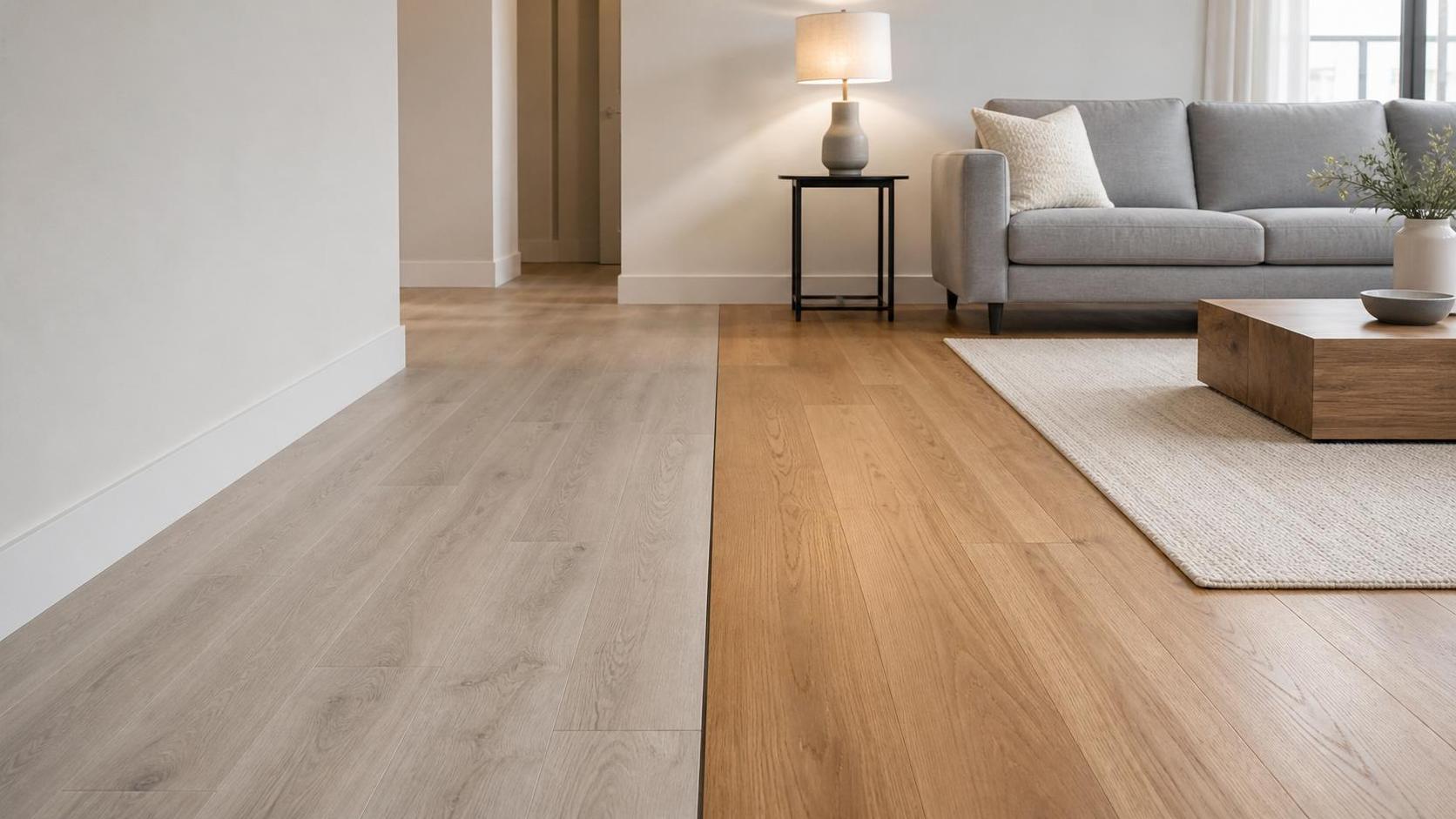
Rental renovations often turn flooring into a financial decision with long-term consequences. Laminate flooring and wood flooring both improve appearance, yet they perform differently on cost, wear, upkeep, and resale perception. In today’s market, where material pricing, supply conditions, and maintenance expectations keep shifting, choosing between them is less about trend and more about fit.
Why this comparison matters now
Flooring sits at the intersection of design, durability, and operating expense. For rental properties, that balance matters because turnover, repairs, and tenant expectations can quickly change the total cost of a renovation.
It also matters from a broader industry view. Price volatility in timber products, changing sourcing routes, certification requirements, and logistics costs have made flooring choices more strategic than they once were.
That is why laminate flooring keeps attracting attention. It gives property owners a way to control upfront budgets while still delivering a modern visual finish.
Understanding the core difference
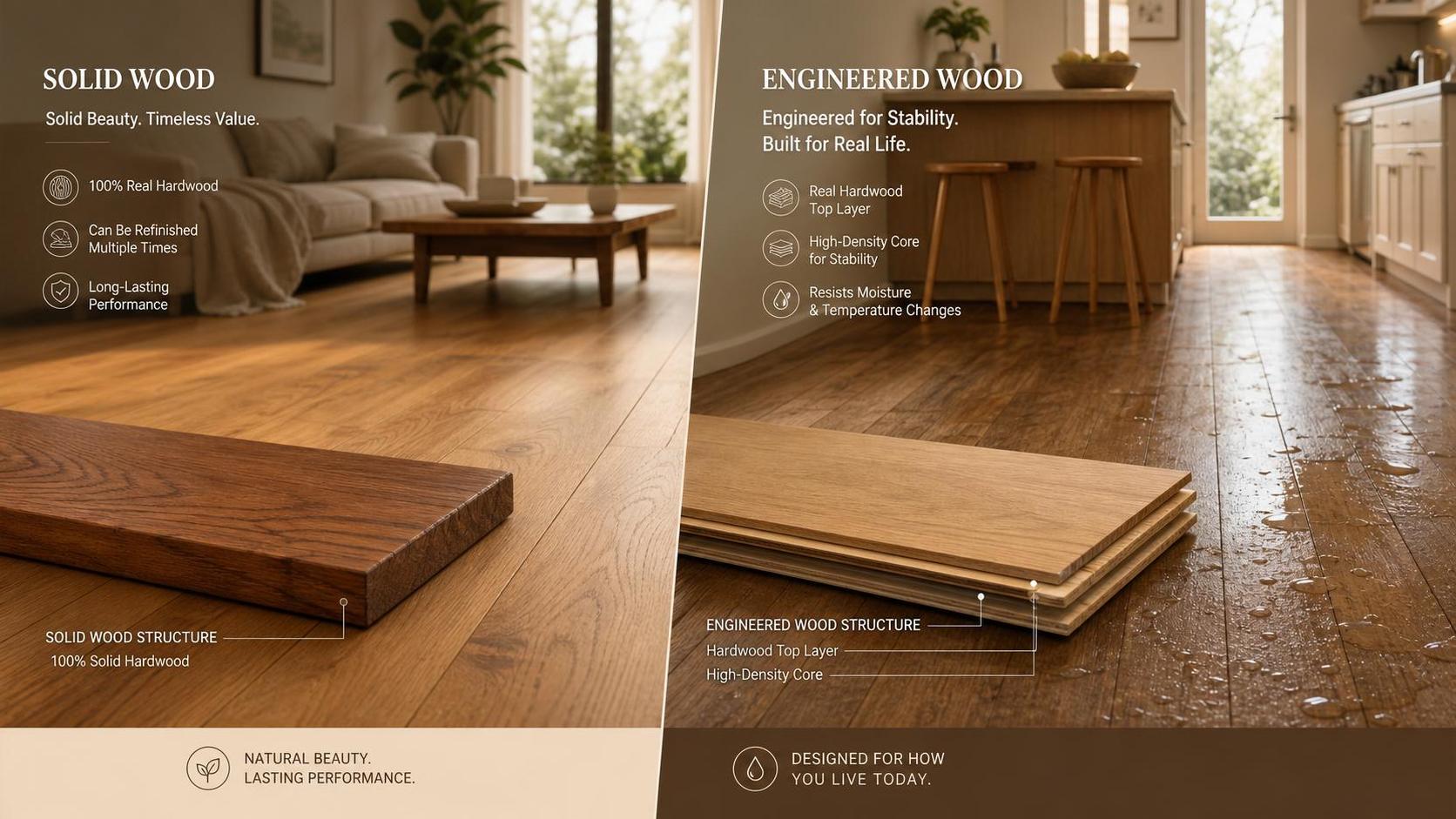
Wood flooring is made from real timber. It may be solid hardwood or engineered wood, but the visible surface is natural wood with grain variation, texture, and a more premium feel.
Laminate flooring is a layered product. It usually combines a fiberboard core, a printed design layer, and a protective wear layer that imitates wood or other materials.
Simple appearance comparisons can be misleading. At a glance, good laminate flooring may resemble oak, walnut, or ash, but performance depends on core density, locking system, wear rating, and moisture resistance.
Where laminate flooring tends to win
For many rental upgrades, laminate flooring offers the clearest budget advantage. Material and installation costs are usually lower than wood, especially when large areas need a consistent finish.
It is also practical during unit turnover. Click-lock systems can speed installation, reduce labor complexity, and limit the downtime between outgoing and incoming occupants.
Surface wear is another reason laminate flooring remains popular. A quality wear layer can resist scratches from furniture movement, daily foot traffic, and light pet activity better than some softer wood species.
- Lower initial investment
- Faster replacement and simpler installation
- Wide design range with consistent color
- Reduced refinishing and surface treatment needs
Where wood flooring still holds value
Wood flooring remains strong when long-term positioning matters more than quick renovation efficiency. It usually creates a warmer, more authentic impression, which can help a property feel more established.
It can also last for decades if maintained well. Solid wood can often be sanded and refinished, allowing surface damage to be repaired instead of replacing the entire floor.
That said, this advantage only pays off when the property is managed for longevity. In high-turnover rentals, refinishing cycles may be less practical than simply replacing damaged laminate flooring panels.
A practical comparison for rental use
The real decision often depends on the property
Not every rental asks for the same flooring strategy. A short-term furnished apartment may prioritize quick replacement and stain resistance. A higher-end long-hold property may benefit from real wood’s stronger visual identity.
Location matters too. In humid climates or entry-level units, laminate flooring may be the more controllable option if the product includes a moisture-resistant core and proper underlayment.
In quieter residential settings with stable occupancy, wood flooring can support a more premium rental position. That can matter when trying to justify stronger rent levels over time.
What to check before choosing
Product labels and finish samples are not enough. A better decision comes from reviewing practical details that affect installation life and replacement risk.
- Check abrasion or wear ratings for laminate flooring, not just color or pattern.
- Review warranty terms for rental use, since some residential warranties have limitations.
- Ask about core material, edge sealing, and water resistance.
- Compare installation method, subfloor preparation, and future panel availability.
- Consider certifications related to emissions, timber sourcing, and product compliance.
This is where market knowledge becomes useful. Flooring is no longer only a style choice; it is also tied to sourcing reliability, standard compliance, and replacement planning.
A sensible way forward
If the goal is cost control, predictable maintenance, and fast rental turnover, laminate flooring usually fits better. If the goal is long-term asset positioning and a more premium interior, wood flooring may justify the extra investment.
The strongest decision comes from matching the flooring to occupancy pattern, expected wear, moisture conditions, and replacement timeline. Before moving ahead, compare not just purchase price, but the full cycle of installation, maintenance, and renewal.
That approach turns a basic renovation choice into a more durable property decision, and it makes the comparison between laminate flooring and wood flooring far more useful in practice.
Technical Specifications
- How to test melt flow consistency in batches of recycled plasticsAuthor :Polymers & Rubber Editorial Team
- When does a cast resin transformer need high-altitude derating?Author :Electrical Components Editorial Team
- How to verify Global Industrial Insights sourcing informationAuthor :Industrial Machinery Editorial Team
Expert Insights

Chief Security Architect
Dr. Thorne specializes in the intersection of structural engineering and digital resilience. He has advised three G7 governments on industrial infrastructure security.
Core Sector // 01
Security & Safety
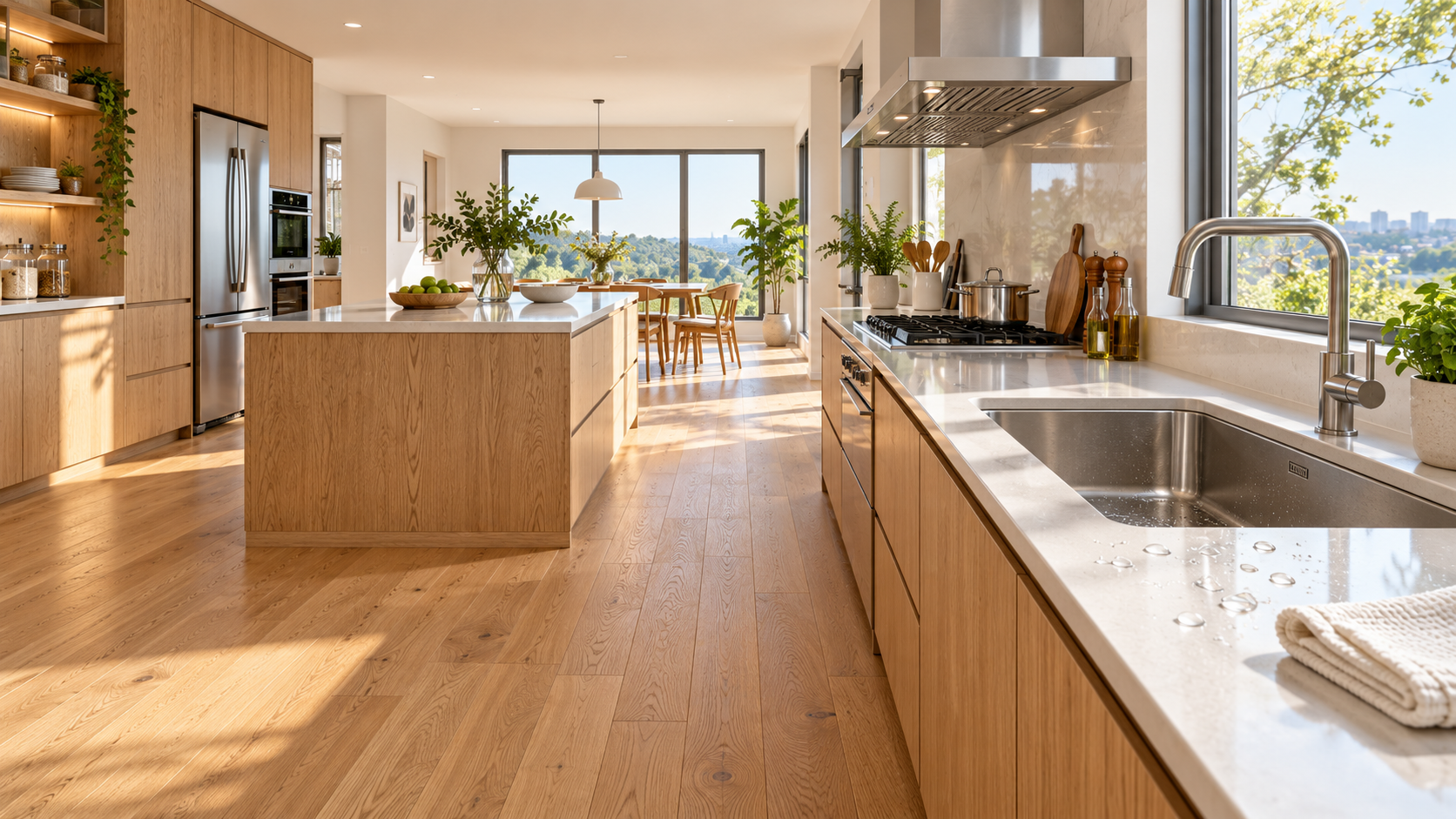
- Is solid wood flooring suitable for kitchens with changing humidity?Author :Construction Materials Editorial Team

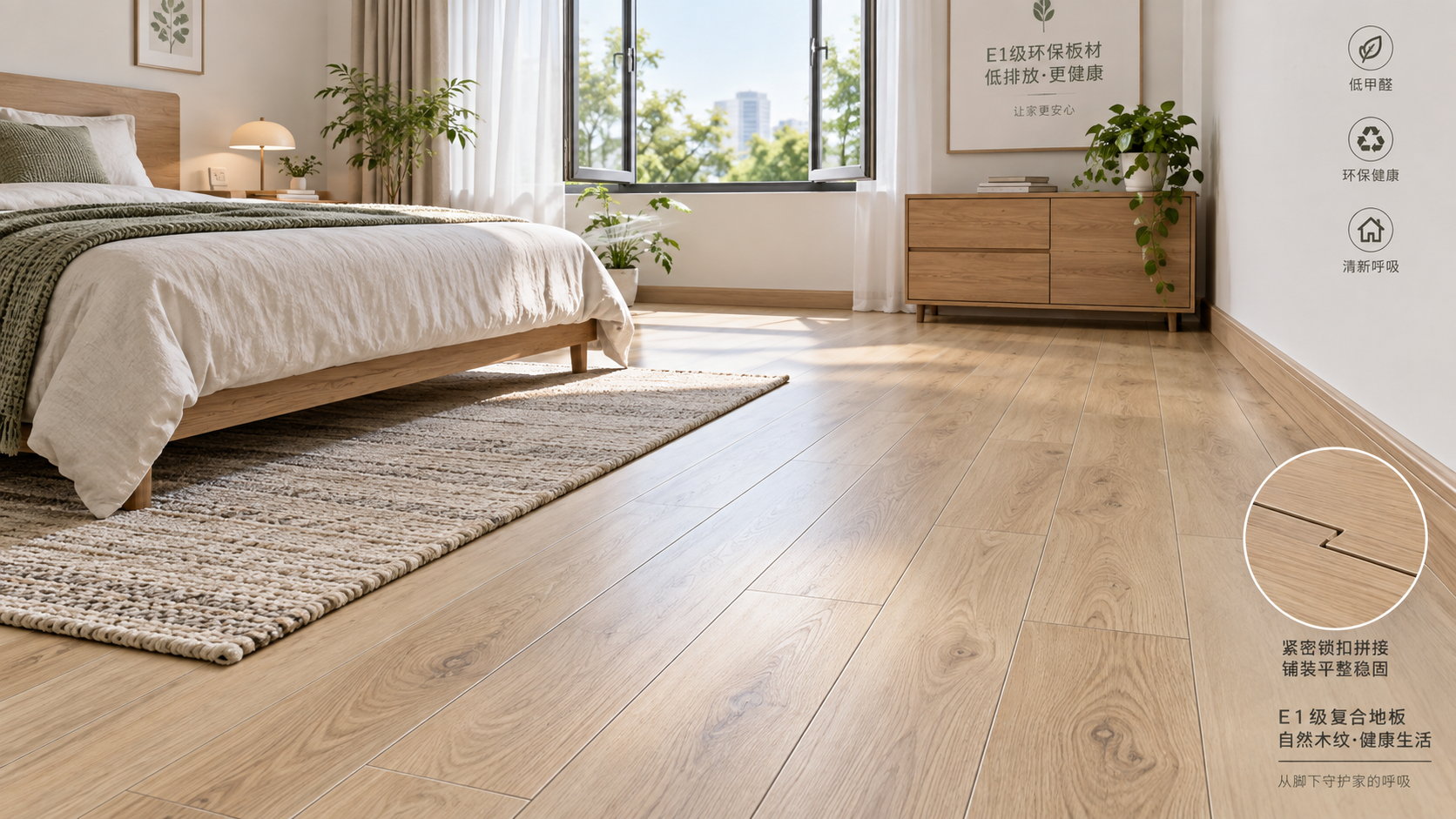
- Does E1 laminate flooring meet low-emission needs for bedrooms?Author :Construction Materials Editorial Team

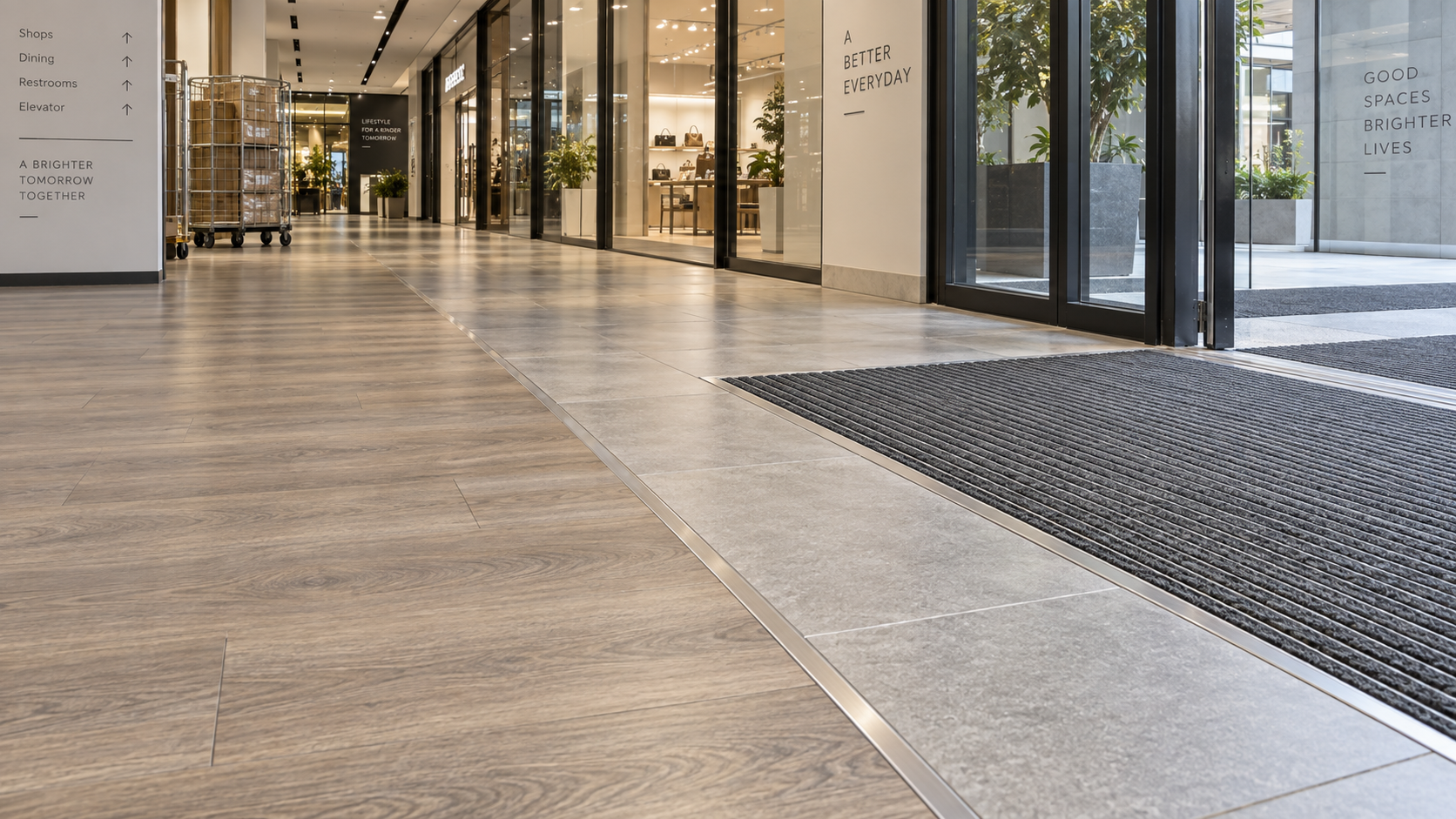
- Which flooring materials hold up best in high-traffic commercial spaces?Author :Construction Materials Editorial Team

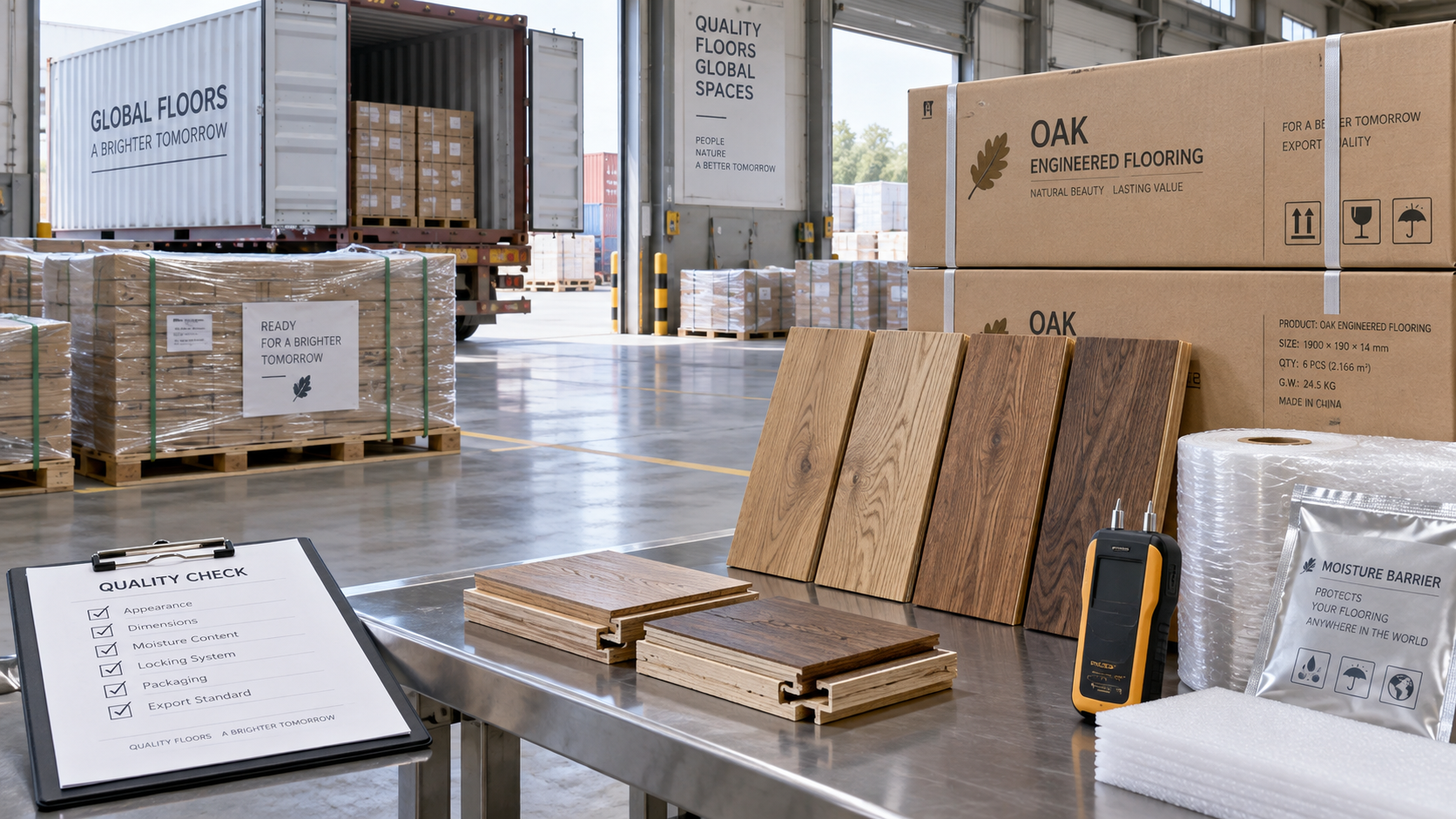
- What Should Buyers Check Before Importing Wood Flooring?Author :Construction Materials Editorial Team

- Is Demand for Imported Wood Flooring Growing in Europe?Author :Construction Materials Editorial Team

- Laminate Flooring vs Wood Flooring: Which Option Fits Rental Renovations?Author :Construction Materials Editorial Team

- How to Choose Laminate Flooring Wear Ratings for High-Traffic Commercial AreasAuthor :Construction Materials Editorial Team

- Engineered Wood Flooring vs Solid Wood Flooring: Pros, Limits, and Best UsesAuthor :Construction Materials Editorial Team