Polypropylene Material Properties: Where PP Works Well and Where It Does Not
Author
Date Published
Reading Time
Why does polypropylene matter so much in everyday manufacturing?
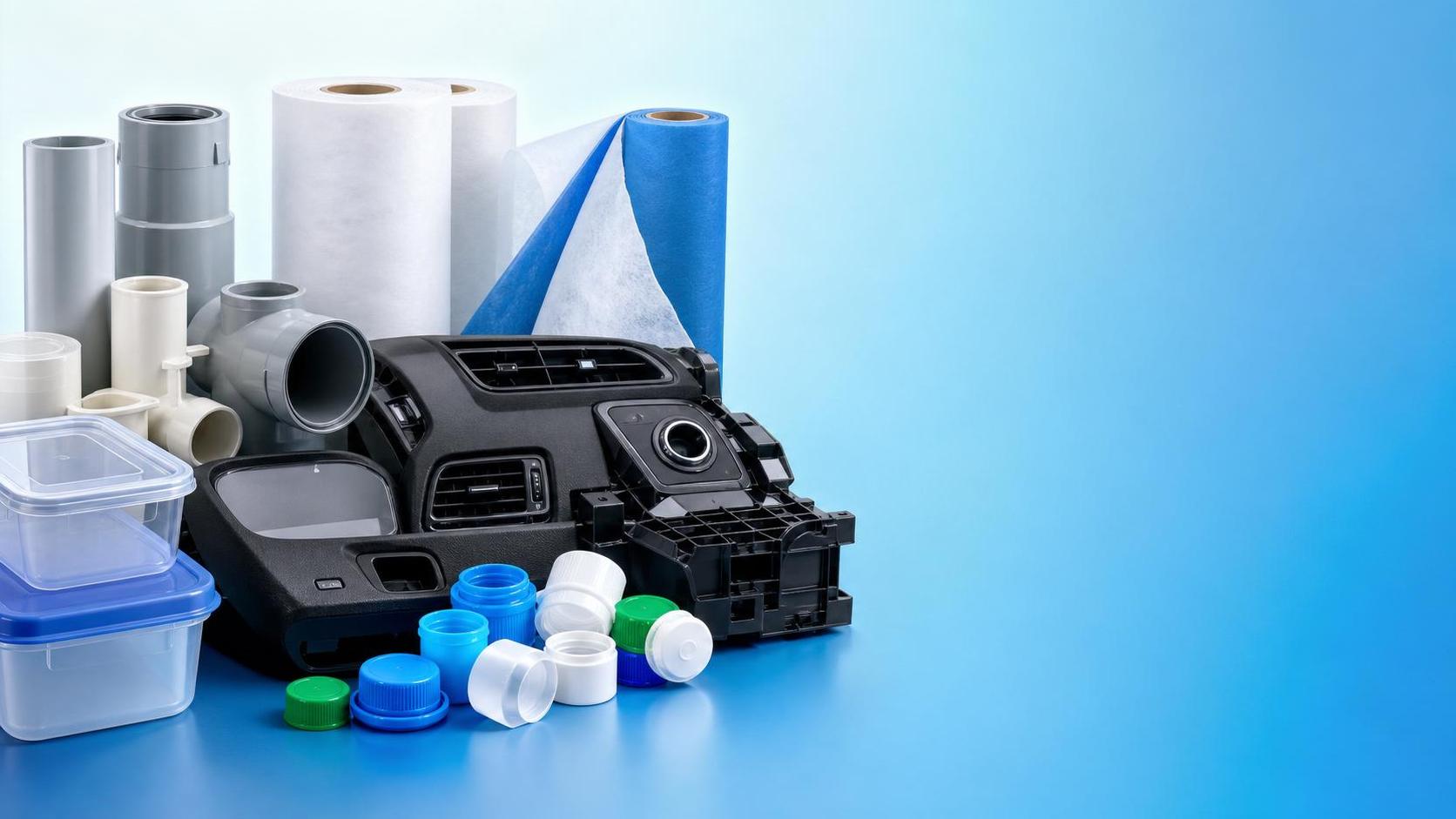
Polypropylene appears in packaging, automotive parts, consumer goods, piping, textiles, and medical items. That broad use comes from a practical balance of cost, weight, chemical resistance, and processing flexibility.
Still, polypropylene is not a universal answer. Its value depends on matching material behavior with the real operating environment, including temperature, load, sunlight exposure, and product life expectations.
For industry research and sourcing work, understanding polypropylene material properties helps separate suitable applications from risky ones. That matters even more when comparing alternatives under changing supply, pricing, and compliance conditions.
What are the key polypropylene material properties people usually care about?
The most discussed polypropylene properties are low density, good chemical resistance, decent fatigue performance, and strong moldability. In simple terms, PP is light, durable in many chemical settings, and efficient to process.
It also resists moisture well, which supports use in containers, caps, household items, and many industrial packaging formats. Hinged parts are another common example because polypropylene handles repeated flexing better than many rigid plastics.
Heat resistance is often described as a strength, but this needs context. Polypropylene performs better than polyethylene in many warm-use conditions, yet it is still limited when heat becomes continuous or extreme.
Electrical insulation can also be useful. That is one reason PP enters appliances and certain technical parts, although design details and certification requirements still need separate verification.
Where does polypropylene work especially well in practice?
Polypropylene works best where chemical contact, light weight, and economic production all matter at once. Real-world examples include food packaging, reusable containers, battery cases, nonwoven fabrics, and interior vehicle components.
In packaging, polypropylene performs well because it balances stiffness and moisture resistance. It can also support clear labeling, sealing performance, and high-volume conversion processes without pushing material costs too high.
In automotive interiors, PP is valued for weight reduction and processability. Lower weight can support transport efficiency goals, while fillers or copolymers can tune performance for impact or dimensional needs.
In industrial handling or consumer goods, the more common judgment is simple: if the part faces moderate stress, limited UV exposure, and routine chemicals, polypropylene is often a sensible choice.
A quick suitability check
Where does polypropylene start to struggle?
The main limits of polypropylene appear under cold impact, long-term heavy loads, strong UV exposure, and elevated temperatures. These conditions can shorten service life or change part performance faster than expected.
Cold environments are a common concern. Some polypropylene grades become more brittle at low temperatures, so parts that are dropped, clipped, or stressed outdoors may fail unless modified grades are selected.
Another issue is creep. If a component carries constant weight for long periods, PP may slowly deform. That can affect fit, sealing pressure, or alignment in technical assemblies.
Sunlight is also easy to underestimate. Standard polypropylene can degrade when exposed to UV, which is why outdoor use usually requires stabilization, protective design, or a different material altogether.
How does polypropylene compare with other common plastics?
Polypropylene is often compared with polyethylene, ABS, PVC, and engineering plastics. The right comparison depends less on labels and more on the performance gap that actually matters in the application.
Against polyethylene, polypropylene usually offers better stiffness and higher heat tolerance. Polyethylene may perform better in low-temperature impact, depending on grade and design conditions.
Against ABS, polypropylene is often lighter and more chemically resistant, but ABS can provide a better surface feel and stronger rigidity for some housings and visible parts.
Compared with higher-end engineering plastics, polypropylene is usually more economical. The trade-off is that PP may not meet demanding structural, thermal, or precision requirements without additives or redesign.
What should be checked before choosing polypropylene for a project?
Start with the service environment, not the resin name. A smart polypropylene decision usually comes from checking load, temperature, chemical exposure, regulatory needs, finishing, and expected product lifespan.
- Confirm whether the part uses homopolymer, copolymer, or filled polypropylene.
- Review UV, flame, food-contact, or medical compliance requirements early.
- Check how transport and storage temperatures may affect brittleness or warpage.
- Compare price with total performance, not resin cost alone.
In market-facing work, another practical step is to monitor grade availability and regional supply shifts. Polypropylene pricing can move with feedstock changes, logistics pressure, and local production disruptions.
A useful next step is to map the application against actual polypropylene material properties, then compare one or two alternatives under the same criteria. That approach usually reveals whether PP is a strong fit, a conditional fit, or the wrong material.
Technical Specifications
- How to test melt flow consistency in batches of recycled plasticsAuthor :Polymers & Rubber Editorial Team
- When does a cast resin transformer need high-altitude derating?Author :Electrical Components Editorial Team
- How to verify Global Industrial Insights sourcing informationAuthor :Industrial Machinery Editorial Team
Expert Insights

Chief Security Architect
Dr. Thorne specializes in the intersection of structural engineering and digital resilience. He has advised three G7 governments on industrial infrastructure security.
Core Sector // 01
Security & Safety
- How to test melt flow consistency in batches of recycled plasticsAuthor :Polymers & Rubber Editorial Team

- Which thermoplastic elastomers stay flexible at low temperatures?Author :Polymers & Rubber Editorial Team

- Which Shore hardness suits soft touch TPE for handheld grips?Author :Polymers & Rubber Editorial Team

- Should Buyers Lock In Polypropylene Prices for Six Months?Author :Polymers & Rubber Editorial Team

- Why Do Polypropylene Prices Differ by Region?Author :Polymers & Rubber Editorial Team

- What Drives Polypropylene Price Changes in Packaging and Injection Molding?Author :Polymers & Rubber Editorial Team

- How to Evaluate a Polyethylene Manufacturer for Long-Term Supply ReliabilityAuthor :Polymers & Rubber Editorial Team

- Polypropylene Material Properties: Where PP Works Well and Where It Does NotAuthor :Polymers & Rubber Editorial Team