Polyvinyl Chloride Grades Explained for Pipes, Sheets, and Profiles
Author
Date Published
Reading Time

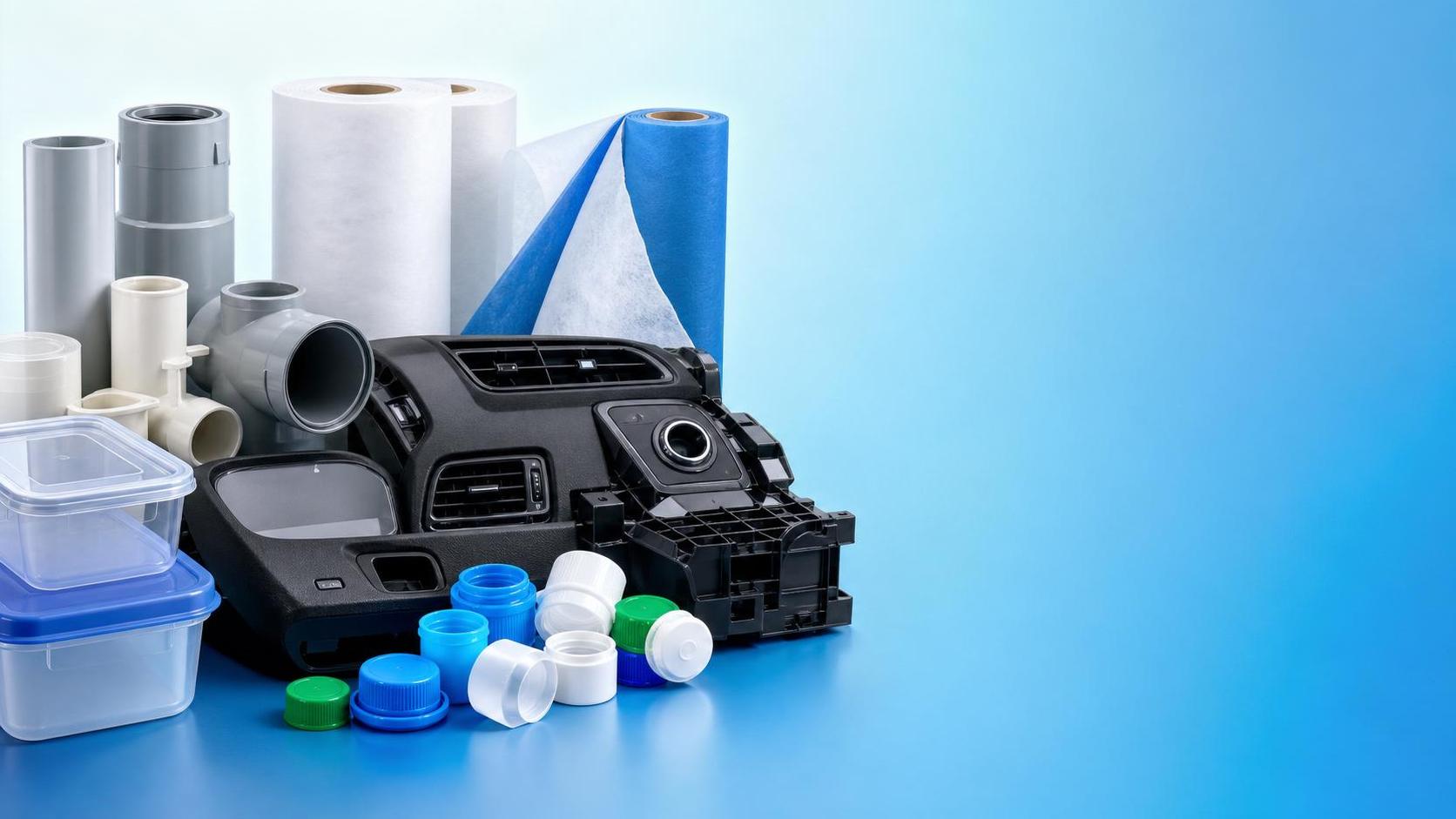
Polyvinyl chloride remains a basic material across construction, utilities, packaging, and industrial fabrication, yet its commercial value depends heavily on grade selection. Pipes, rigid sheets, and profiles may all be called PVC products, but they are rarely made from the same formulation. That difference matters when comparing suppliers, reviewing specifications, or tracking how standards and raw material costs shape purchasing decisions.
Why grade differences matter
In trade listings, polyvinyl chloride is often grouped too broadly. A general label can hide important distinctions in molecular weight, additives, impact strength, weather resistance, and processing behavior.
Those differences affect more than product quality. They influence extrusion speed, surface finish, certification readiness, transport durability, and the likelihood of complaints after installation or conversion.
For market researchers, grade changes also signal wider industry movement. A shift toward higher-impact or low-lead formulations may reflect tightening regulations, export requirements, or customer demand in specific regions.
How polyvinyl chloride grades are usually classified
At the base level, polyvinyl chloride is separated into rigid and flexible families. For pipes, sheets, and structural profiles, rigid PVC dominates because dimensional stability and compressive strength are usually more important than softness.
Within rigid materials, grades are refined by resin properties and compounding design. K-value, bulk density, thermal stability, filler tolerance, and lubrication balance all influence final performance.
In practical sourcing language, buyers often compare grades by application first, then by processing method. That is usually more useful than relying only on generic resin descriptions.
Common commercial distinctions
What separates pipe grades from sheet and profile grades
Pipe-grade polyvinyl chloride is usually engineered for pressure integrity and long service life. The resin and additive package must support stable melt flow while maintaining wall strength and resistance to creep.
Drainage and conduit products may allow a different balance. They still need rigidity, but pressure performance may be less critical than impact behavior, installation ease, or cost efficiency.
Sheet grades often prioritize surface quality and thickness consistency. In signage, cladding, lining, or fabrication uses, a small defect in gloss, color, or flatness can reduce conversion value quickly.
Profile grades sit somewhere in between. They must run efficiently through complex dies, keep dimensional accuracy, and hold appearance over time, especially in outdoor environments.
The industry issues behind grade selection
Polyvinyl chloride grade discussions now connect directly with compliance and supply chain risk. Lead-free stabilizers, fire performance requirements, potable water approvals, and recycling content claims are no longer secondary details.
Price movement also changes the equation. When resin costs rise, some producers increase filler loading or adjust additives. That can protect margins, but it may alter brittleness, color stability, or extrusion consistency.
Regional standards matter as well. ASTM, EN, ISO, and local plumbing or building codes can make one PVC compound commercially acceptable in one market and unsuitable in another.
Useful signals to check
- Whether the material is sold as resin only or as a finished compound
- Certification scope for drinking water, flame rating, or outdoor exposure
- Consistency of lot data, especially impact and Vicat softening values
- Origin of additives, since stabilizer systems can affect export acceptance
- Lead times for custom colors, profile formulations, or nonstandard dimensions
A practical way to evaluate grades
Start with the end-use environment rather than the resin name alone. Indoor sheet, buried pipe, and exterior profile products face different mechanical, thermal, and regulatory conditions.
Then review the processing route. A grade that performs well in one extrusion setup may behave poorly in another because screw design, die geometry, and cooling conditions are different.
Documentation should support the claim. Technical data sheets, test reports, and formulation disclosures do not need to reveal every trade secret, but they should confirm the grade’s intended use.
Sampling remains important. In polyvinyl chloride sourcing, small production trials often reveal issues that are not obvious on paper, including burn marks, warpage, inconsistent fusion, or poor post-processing behavior.
Where to focus next
A useful next step is to map each PVC product type against required standards, expected service conditions, and acceptable processing windows. That makes supplier comparisons more objective and reduces confusion around generic grade labels.
It also helps to monitor policy changes, additive trends, and logistics conditions in the polyvinyl chloride chain. Grade selection is not only a materials question. It is often a market timing and risk management question as well.
With that framework in place, product data, certification records, and regional market signals become easier to interpret, especially when evaluating pipes, sheets, and profiles across multiple sourcing options.
Technical Specifications
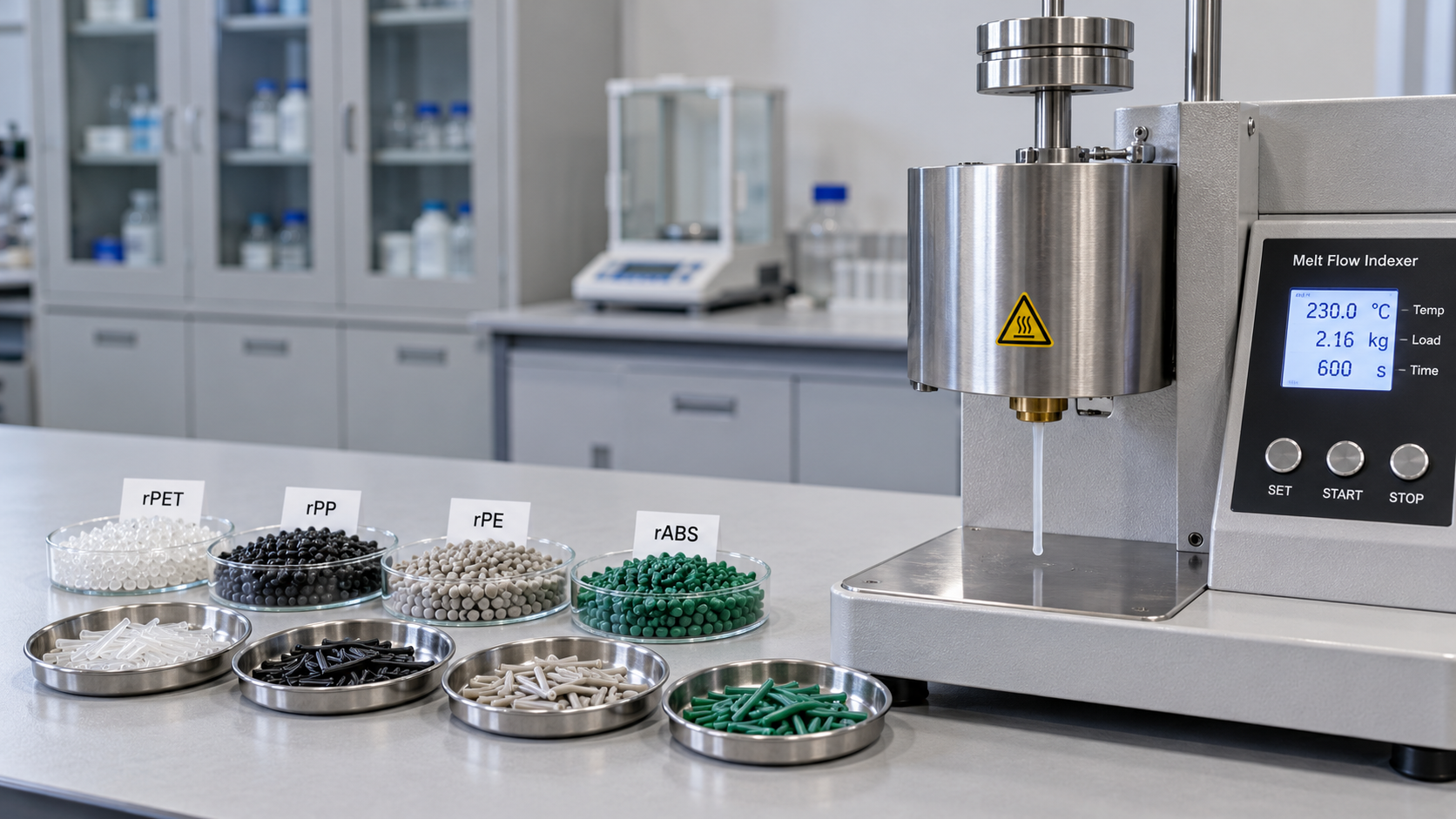
- How to test melt flow consistency in batches of recycled plasticsAuthor :Polymers & Rubber Editorial Team
- When does a cast resin transformer need high-altitude derating?Author :Electrical Components Editorial Team
- How to verify Global Industrial Insights sourcing informationAuthor :Industrial Machinery Editorial Team
Expert Insights

Chief Security Architect
Dr. Thorne specializes in the intersection of structural engineering and digital resilience. He has advised three G7 governments on industrial infrastructure security.
Core Sector // 01
Security & Safety
- How to test melt flow consistency in batches of recycled plasticsAuthor :Polymers & Rubber Editorial Team

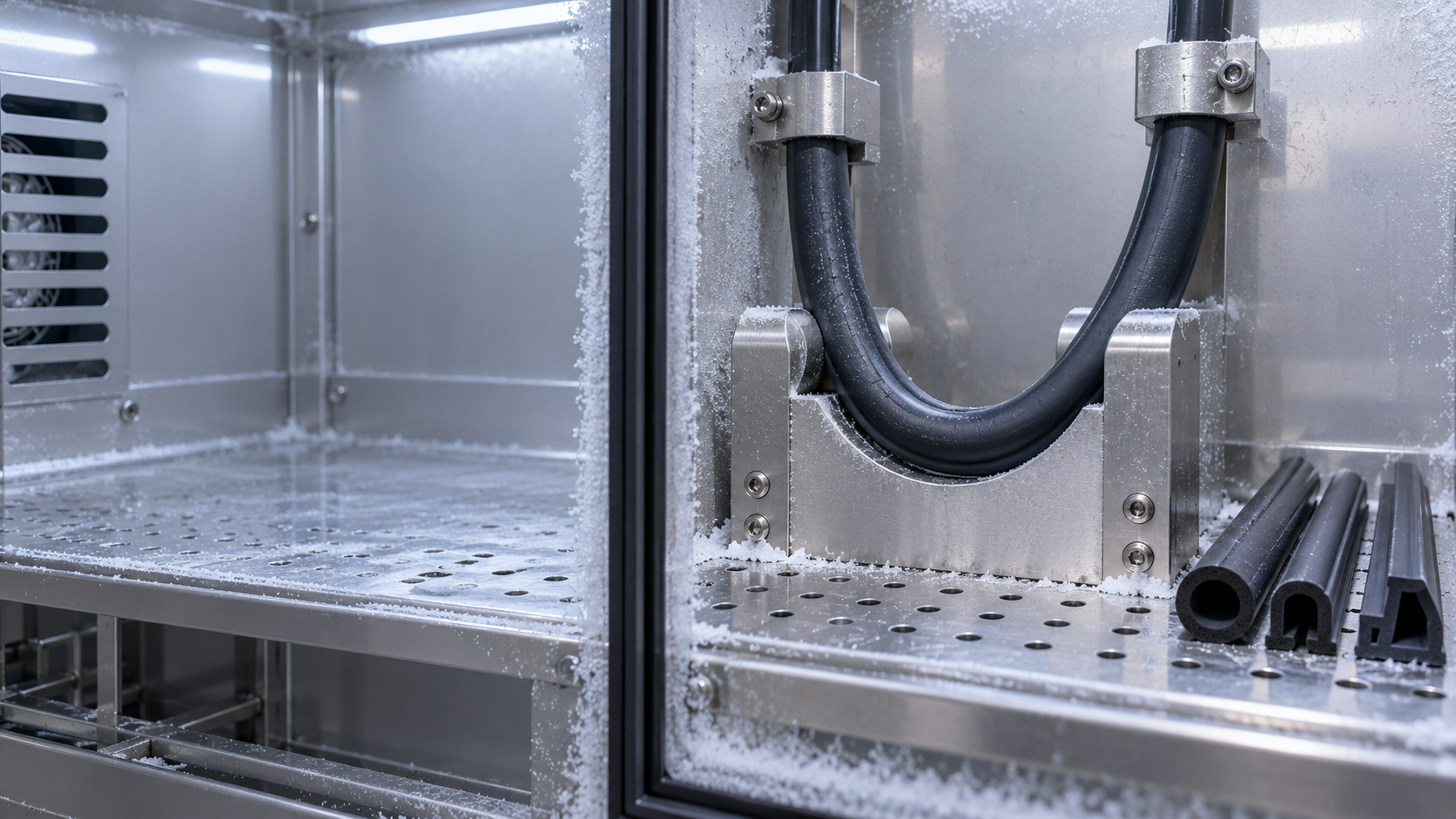
- Which thermoplastic elastomers stay flexible at low temperatures?Author :Polymers & Rubber Editorial Team

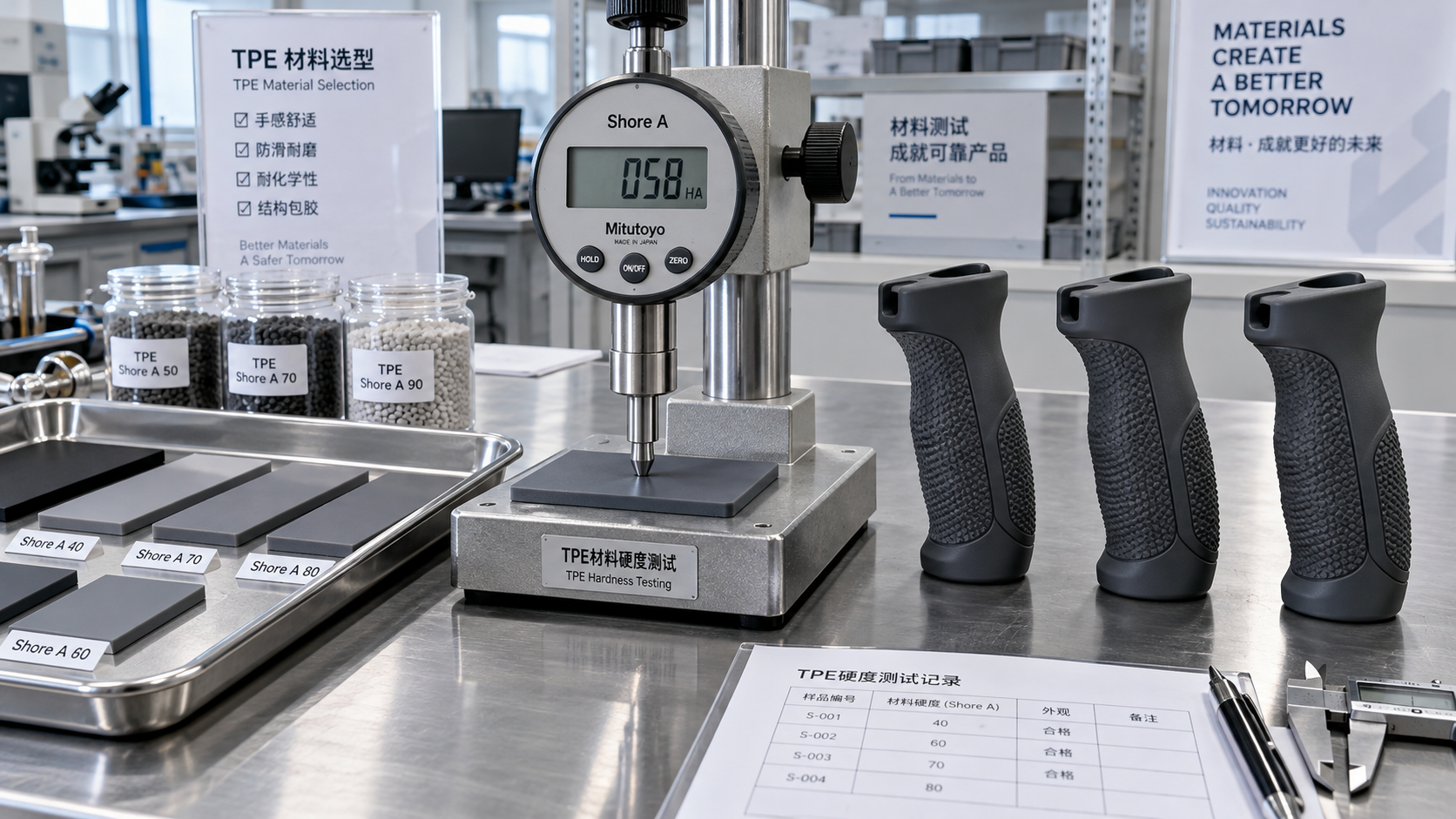
- Which Shore hardness suits soft touch TPE for handheld grips?Author :Polymers & Rubber Editorial Team

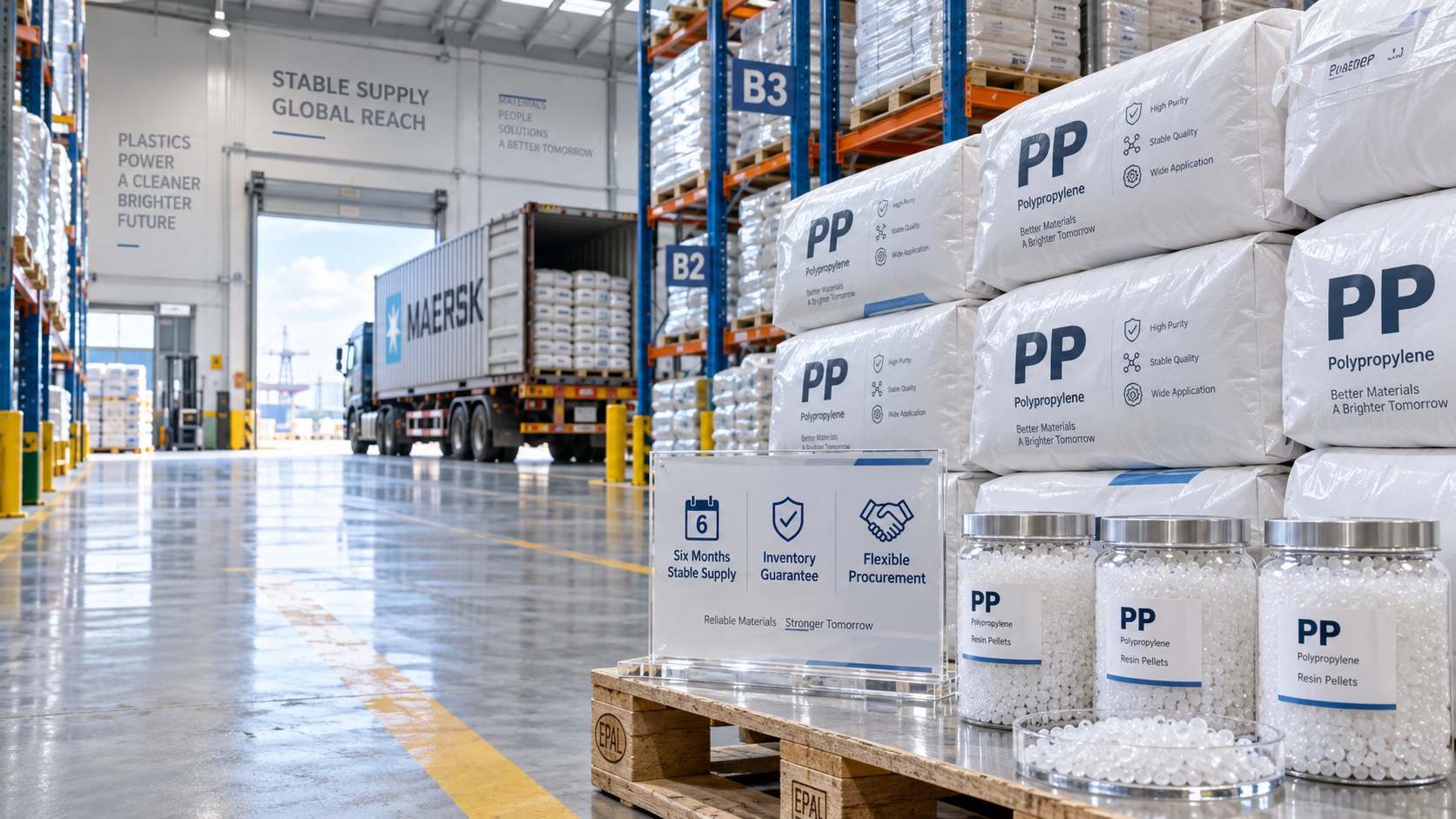
- Should Buyers Lock In Polypropylene Prices for Six Months?Author :Polymers & Rubber Editorial Team

- Why Do Polypropylene Prices Differ by Region?Author :Polymers & Rubber Editorial Team

- What Drives Polypropylene Price Changes in Packaging and Injection Molding?Author :Polymers & Rubber Editorial Team

- How to Evaluate a Polyethylene Manufacturer for Long-Term Supply ReliabilityAuthor :Polymers & Rubber Editorial Team

- Polypropylene Material Properties: Where PP Works Well and Where It Does NotAuthor :Polymers & Rubber Editorial Team