What Affects Polyvinyl Chloride Pricing in Global Supply Chains?
Author
Date Published
Reading Time
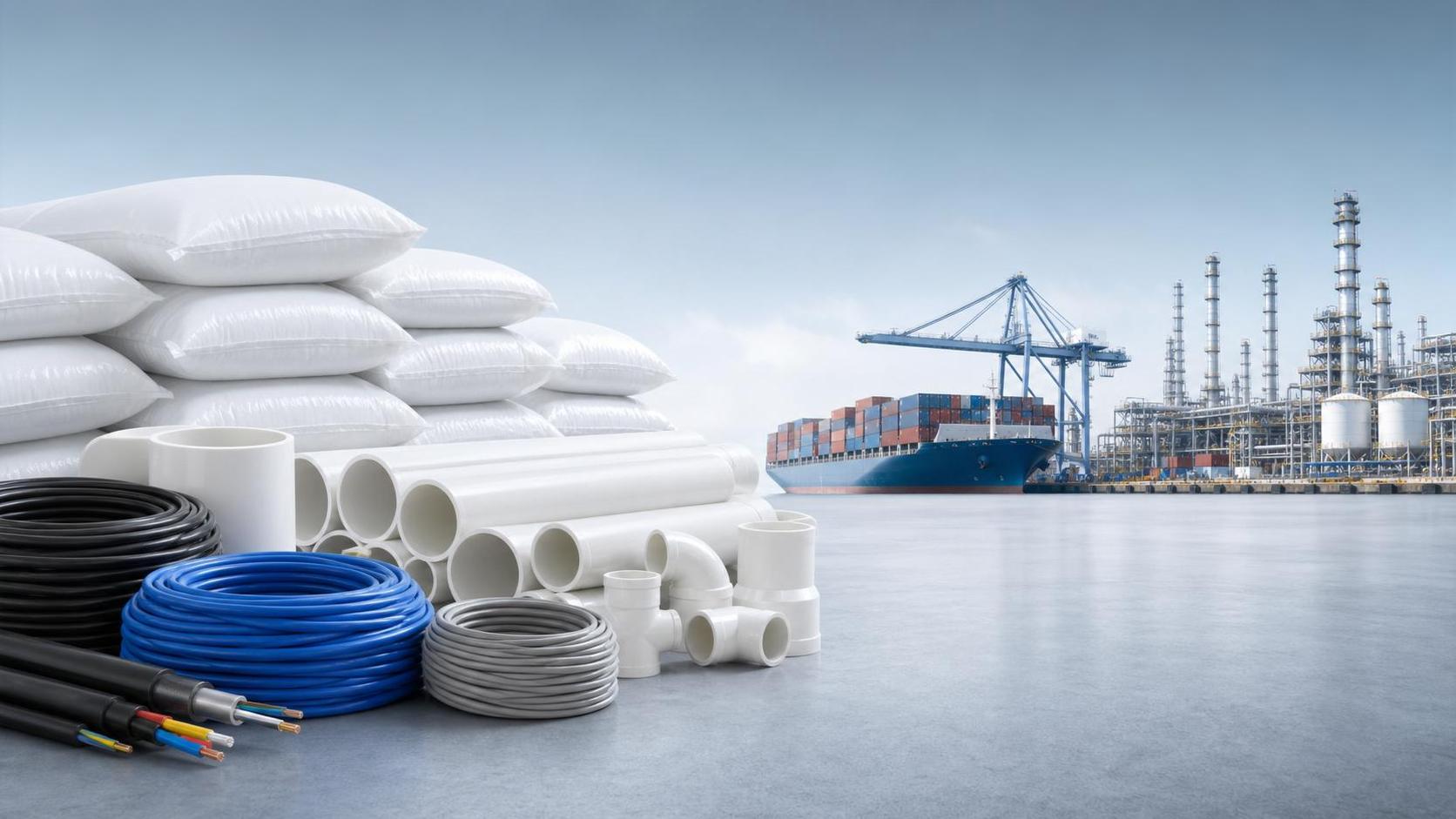
Polyvinyl chloride pricing rarely moves for one simple reason. In global supply chains, the price of polyvinyl chloride reflects a chain of linked costs, policy changes, operating risks, and buying behavior across several regions.
That matters because PVC is tied to construction, pipes, profiles, cables, flooring, packaging, and industrial components. When prices shift, the effect reaches sourcing budgets, margin planning, contract terms, and inventory timing.
For market watchers, the useful question is not only whether polyvinyl chloride is rising or falling. The more practical question is which signals are driving the move, and whether the change is temporary, regional, or structural.
Why polyvinyl chloride pricing is complex
Polyvinyl chloride is a large-volume commodity, but it does not trade like a uniform global number. Prices differ by grade, origin, freight terms, payment conditions, and destination market access.
Suspension PVC, emulsion PVC, and specialty compounds can move differently. Even within general-purpose grades, supplier reliability, certification status, and lot consistency can change the final delivered cost.
In practice, pricing is shaped by upstream chemistry, energy economics, logistics pressure, and downstream demand. That mix is why headline price data needs context before it supports a sourcing decision.
Feedstock and energy remain the first pressure points
A major driver of polyvinyl chloride pricing is the cost of feedstocks used to produce vinyl chloride monomer and related intermediates. Ethylene, chlorine, and in some markets carbide inputs influence the base production cost.
Energy prices also matter more than many buyers expect. Electricity, natural gas, steam, and fuel affect plant economics, especially in energy-intensive regions or during seasonal shortages.
When oil and gas markets become volatile, PVC producers may face margin pressure even if downstream demand looks stable. That pressure is often passed through with a delay rather than immediately.
Regional production routes create different cost curves
North America often benefits from competitive ethylene economics. Parts of Asia may rely more heavily on carbide-based production, which responds differently to coal, power, and environmental controls.
Because of that, the same global event does not produce the same cost impact everywhere. Regional cost divergence is one reason import opportunities appear in one quarter and disappear in the next.
Capacity shifts and plant operating rates change market balance
New capacity additions can soften polyvinyl chloride pricing, especially when domestic demand is not strong enough to absorb output. Export-oriented producers may then compete aggressively in overseas markets.
The opposite happens when maintenance shutdowns, outages, weather events, or environmental inspections reduce operating rates. Tight supply can develop quickly, even without a broad demand recovery.
Business evaluation becomes sharper when capacity news is read together with utilization data. A nominal expansion means less than a consistently running plant with stable logistics and compliant documentation.
Freight, ports, and trade policy can outweigh resin fundamentals
Delivered PVC cost is often shaped by freight as much as resin value. Container shortages, vessel delays, rerouted shipping lanes, and port congestion can raise landed costs or make certain origins uncompetitive.
Trade policy adds another layer. Anti-dumping duties, safeguard measures, sanctions, customs changes, and local certification requirements can abruptly shift trade flows for polyvinyl chloride.
A low offer price is not always a low procurement cost. Tariff exposure, customs clearance risk, and document compliance should be tested before comparing suppliers on headline numbers.
Demand signals come from end-use sectors, not one market alone
Polyvinyl chloride demand is closely linked to construction cycles, infrastructure work, renovation activity, and public spending. Pipe and profile consumption can quickly strengthen when building activity improves.
At the same time, cable, medical, packaging, and consumer product demand can offset weakness in one sector. That is why a single regional construction slowdown does not always mean a global PVC collapse.
Seasonality also matters. Pre-holiday inventory builds, weather-driven construction pauses, and year-end destocking patterns often shape short-term purchasing behavior more than long-term demand assumptions.
How to read price movements more usefully
A practical assessment of polyvinyl chloride pricing should separate market noise from durable change. Price direction alone says little without timing, origin, inventory position, and replacement cost.
- Compare export offers with landed cost, not FOB price alone.
- Track plant outages and restart credibility by region.
- Check whether freight or tariffs are masking a weaker resin market.
- Review downstream demand by application, not by broad sentiment.
- Test supplier quotes against certification, payment, and delivery risk.
This is where industry news and sourcing intelligence become useful together. Price charts help, but they are stronger when paired with updates on trade policy, logistics disruption, and operating conditions.
A grounded approach for the next sourcing decision
Polyvinyl chloride pricing should be read as a moving combination of chemistry costs, regional production strategy, freight exposure, and end-market demand. No single indicator is reliable on its own.
The stronger next step is to build a simple monitoring framework: feedstock trends, producer run rates, freight lanes, policy changes, and downstream order patterns by region.
With that structure in place, market shifts become easier to interpret. It also becomes easier to decide when to lock volume, diversify origin, delay purchases, or keep flexibility for a better entry point.
Technical Specifications
- How to test melt flow consistency in batches of recycled plasticsAuthor :Polymers & Rubber Editorial Team
- When does a cast resin transformer need high-altitude derating?Author :Electrical Components Editorial Team
- How to verify Global Industrial Insights sourcing informationAuthor :Industrial Machinery Editorial Team
Expert Insights

Chief Security Architect
Dr. Thorne specializes in the intersection of structural engineering and digital resilience. He has advised three G7 governments on industrial infrastructure security.
Core Sector // 01
Security & Safety
- How to test melt flow consistency in batches of recycled plasticsAuthor :Polymers & Rubber Editorial Team

- Which thermoplastic elastomers stay flexible at low temperatures?Author :Polymers & Rubber Editorial Team

- Which Shore hardness suits soft touch TPE for handheld grips?Author :Polymers & Rubber Editorial Team

- Should Buyers Lock In Polypropylene Prices for Six Months?Author :Polymers & Rubber Editorial Team

- Why Do Polypropylene Prices Differ by Region?Author :Polymers & Rubber Editorial Team

- What Drives Polypropylene Price Changes in Packaging and Injection Molding?Author :Polymers & Rubber Editorial Team

- How to Evaluate a Polyethylene Manufacturer for Long-Term Supply ReliabilityAuthor :Polymers & Rubber Editorial Team

- Polypropylene Material Properties: Where PP Works Well and Where It Does NotAuthor :Polymers & Rubber Editorial Team