How to Avoid Screw Failure in Load-Bearing Applications
Author
Date Published
Reading Time
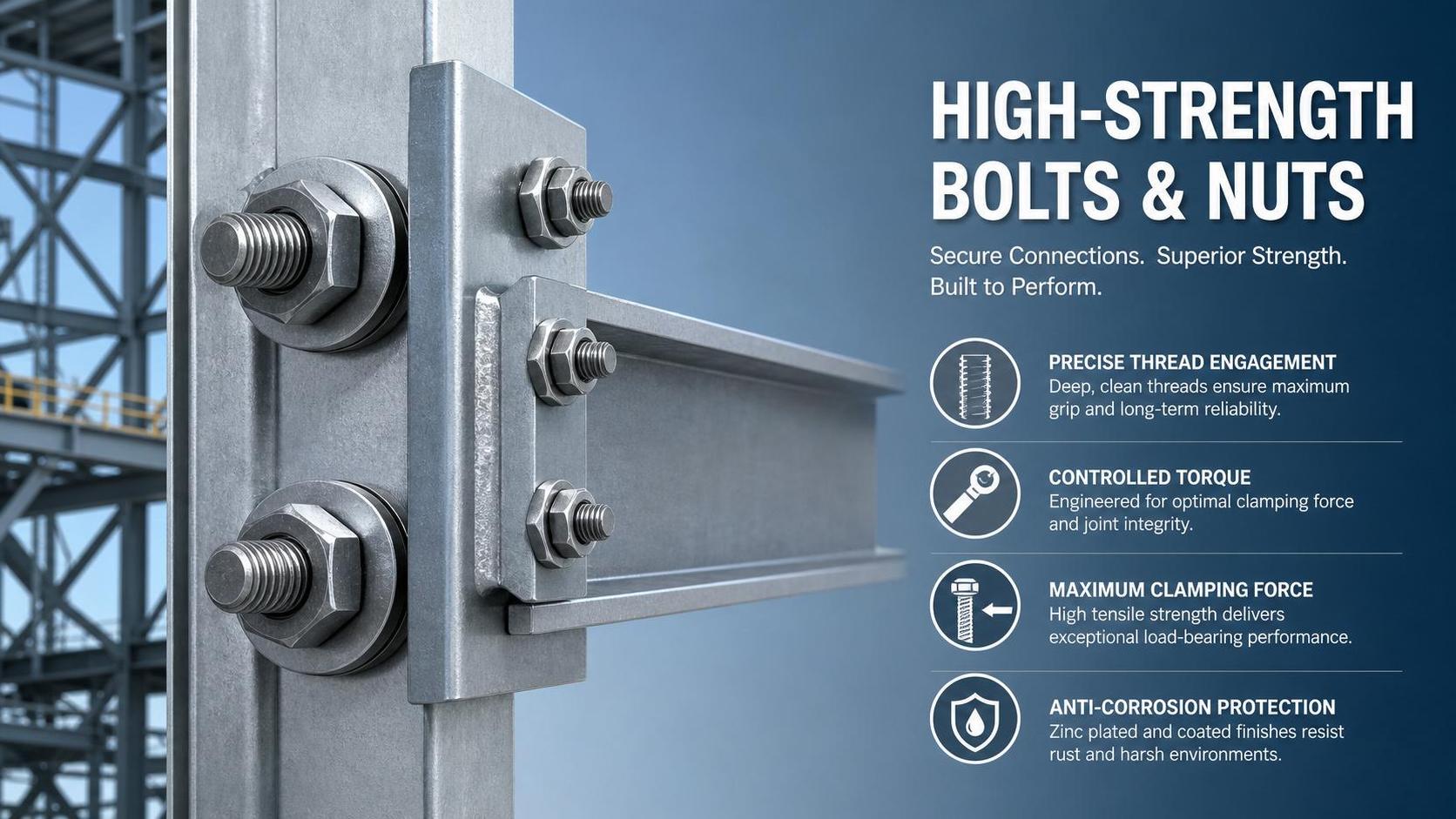
Why do screws fail in load-bearing applications so often?
Screw failure rarely comes from one dramatic mistake. More often, it starts with small decisions that look acceptable during installation but become risky under real service loads.
In structural supports, machinery frames, access systems, and equipment enclosures, screws carry tension, shear, vibration, and environmental stress at the same time.
That is why a fastener that passes a basic fit check can still fail early. The common triggers are wrong material grade, poor thread engagement, overload, corrosion, and installation torque errors.
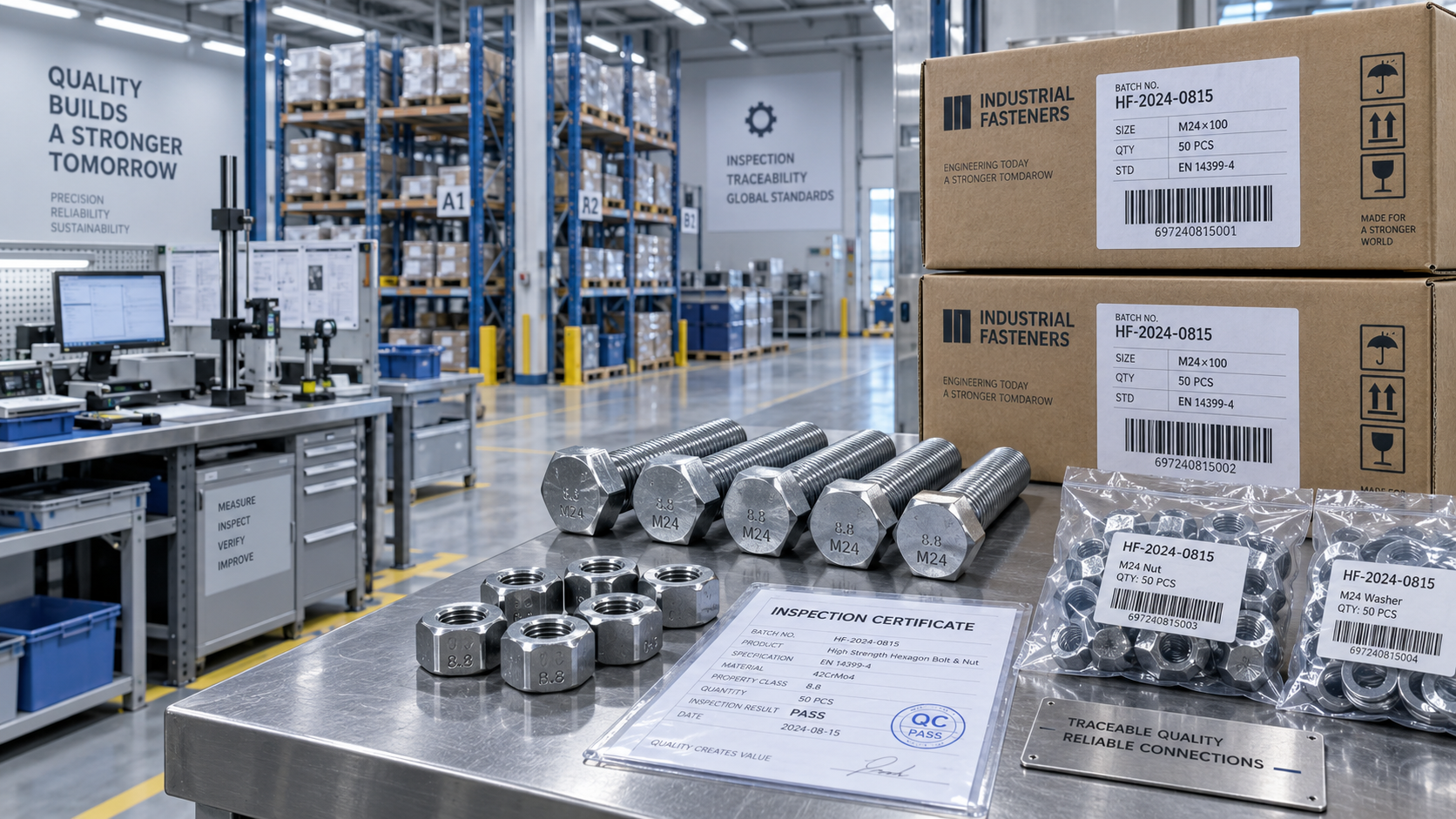
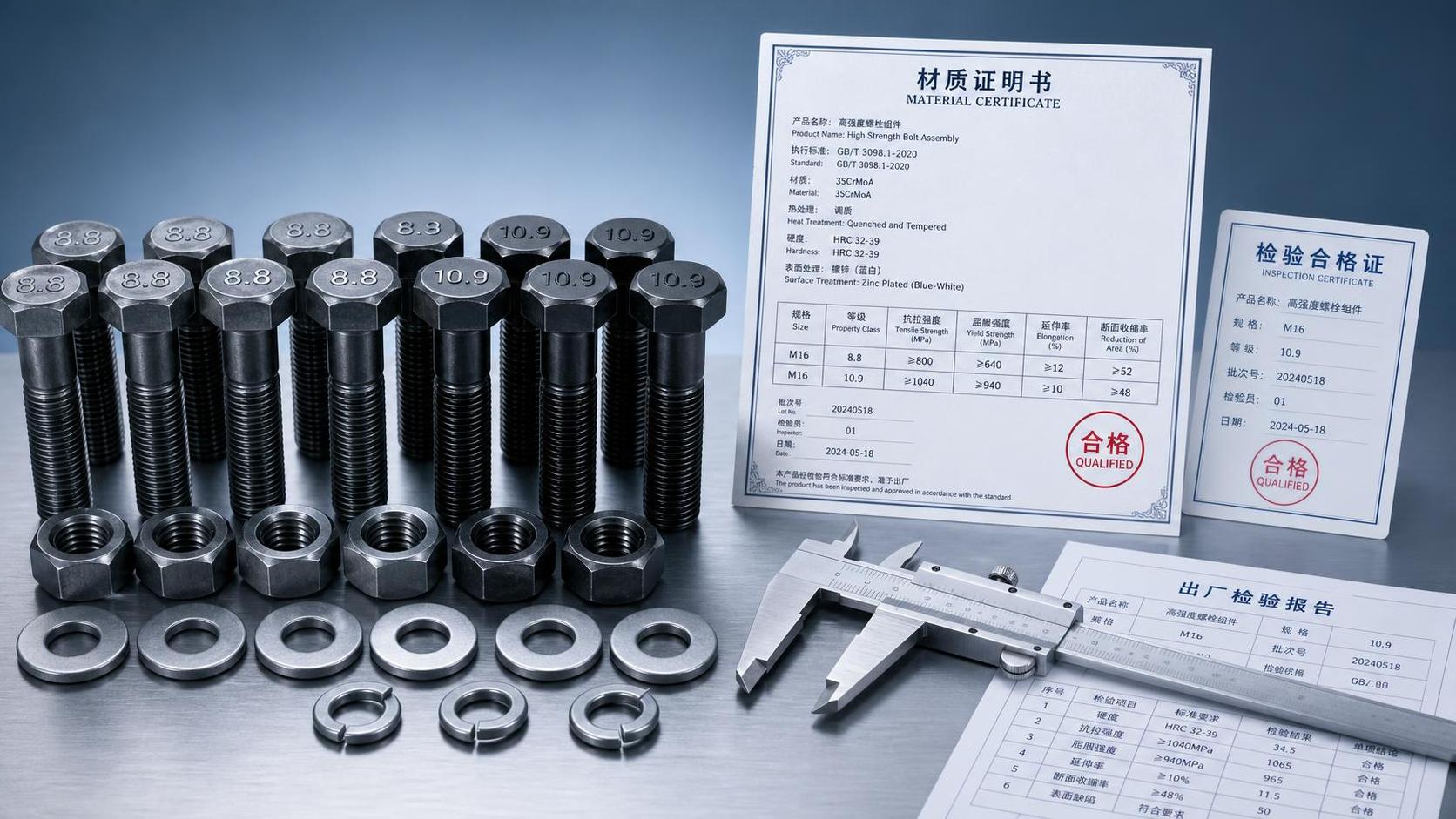
A practical point is that screw failures also create documentation problems. When audits or claims begin, missing traceability on standards, coatings, and batch quality often becomes part of the failure story.
Which warning signs usually appear before a screw breaks or loosens?
The earliest signs are usually subtle. A screw does not need to snap completely to indicate risk.
Watch for movement around the joint, surface rust at the head, polished contact marks, loss of clamp force, or recurring retightening during maintenance.
In vibrating assemblies, witness marks near the washer or under the screw head are often more useful than visual checks on the threads alone.
Where corrosion is present, discoloration around dissimilar metals matters. It may signal galvanic attack, which reduces effective load capacity long before visible fracture appears.
A quick field check helps separate cosmetic issues from structural ones
How should screws be selected for real load-bearing work?
Selection should start with the joint, not the catalog. Many screw problems come from choosing by diameter alone and ignoring load path, substrate, and service environment.
A better approach is to confirm four things early: load type, required preload, corrosion exposure, and the installation method available on site.
- For static tensile loads, screw grade and proof load matter more than head style.
- For shear or combined loads, joint geometry and bearing surfaces deserve equal attention.
- For outdoor or chemical exposure, material compatibility and coating life should be documented.
- For maintenance-sensitive assemblies, choose screws with traceable standards and repeatable torque performance.
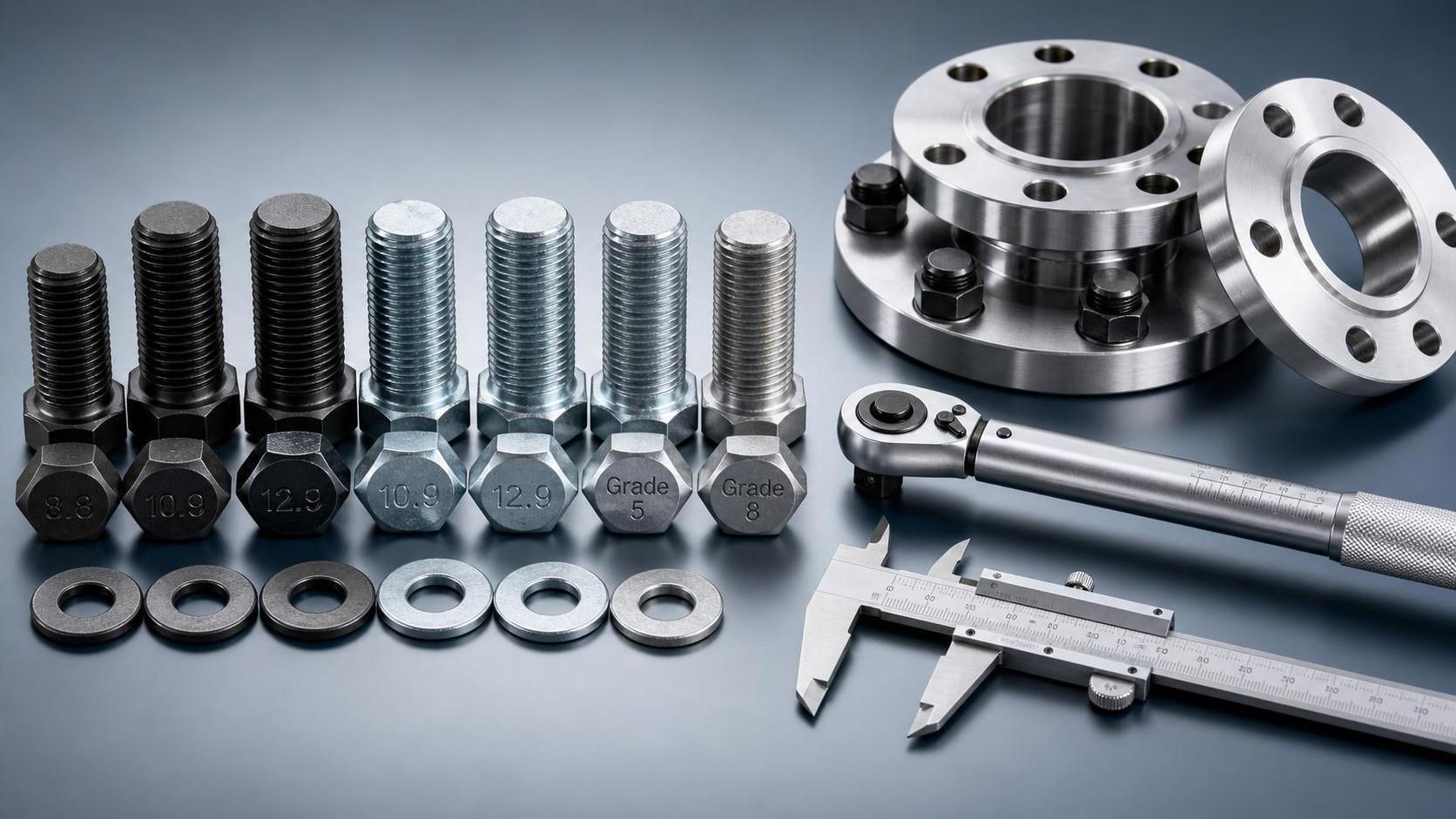
In actual procurement reviews, standards such as ISO, ASTM, DIN, or project-specific approvals often matter as much as nominal strength. A strong screw without the right certification can still create compliance risk.
Is installation error a bigger problem than screw quality?
Very often, yes. Even high-quality screws can fail when preload is wrong, threads are contaminated, or installers mix lubricated and dry conditions without adjusting torque targets.
The usual misunderstanding is to treat torque as the final goal. Torque is only an indirect way to achieve clamp force, and friction changes everything.
In practical terms, the same screw can be underloaded or overstressed depending on coating, thread finish, washer condition, and tool calibration.
That is why installation control should include more than torque charts. Spot checks on tension, tool maintenance records, and work instructions reduce variation across batches and crews.
The most frequent installation mistakes
- Using screws that are too short for the required thread engagement.
- Applying target torque without considering lubrication or coating friction.
- Reusing screws designed for one-time critical fastening.
- Ignoring joint settlement after first loading cycles.
What role do corrosion, fatigue, and vibration play over time?
This is where many load-bearing screws fail after passing initial inspection. Time-dependent damage is less visible, but often more dangerous than immediate overload.
Corrosion reduces cross-section and weakens threads. Fatigue grows from repeated stress cycles. Vibration relaxes preload and allows micro-movement inside the joint.
When these effects combine, the remaining strength margin shrinks quickly. A screw may still look intact while its service reliability is already compromised.
For that reason, review intervals should match actual duty conditions. Marine exposure, transport vibration, thermal cycling, and outdoor steelwork all need different inspection logic.
What is the most reliable way to prevent screw failure?
The strongest prevention method is a controlled fastener process, not a single premium screw. Reliable joints come from matching design, material, installation, and inspection to the real load case.
A sensible next step is to build a simple review checklist for all critical screws. Include load type, fastener grade, standard, coating, torque method, inspection interval, and replacement criteria.
Where supply chains are global, it also helps to compare batch certificates, plating specifications, and logistics conditions before approval. Storage damage and mixed lots can undermine otherwise sound decisions.
In the end, avoiding screw failure is less about reacting to breakage and more about preventing weak assumptions. Review the joint, verify the data, and standardize the checks before the next installation cycle.
Technical Specifications
- How to test melt flow consistency in batches of recycled plasticsAuthor :Polymers & Rubber Editorial Team
- When does a cast resin transformer need high-altitude derating?Author :Electrical Components Editorial Team
- How to verify Global Industrial Insights sourcing informationAuthor :Industrial Machinery Editorial Team
Expert Insights

Chief Security Architect
Dr. Thorne specializes in the intersection of structural engineering and digital resilience. He has advised three G7 governments on industrial infrastructure security.
Core Sector // 01
Security & Safety
- What to verify before choosing a screw manufacturer in IndiaAuthor :Metals & Fabrication Editorial Team

- How to assess fastener traceability when sourcing in EuropeAuthor :Metals & Fabrication Editorial Team

- What to do when a washer shipment arrives defectiveAuthor :Metals & Fabrication Editorial Team

- Which custom fastener capabilities matter for complex assemblies?Author :Metals & Fabrication Editorial Team

- When do custom fasteners outperform standard parts in equipment design?Author :Metals & Fabrication Editorial Team

- High Tensile Fasteners: Key Grade Checks Before Project ApprovalAuthor :Metals & Fabrication Editorial Team

- Bolts and Nuts Grades Explained for Safer AssemblyAuthor :Metals & Fabrication Editorial Team

- Flat Washers vs Spring Washers: When Should Each Type Be Used?Author :Metals & Fabrication Editorial Team