Screw Types Explained for Wood, Metal, and Concrete Jobs
Author
Date Published
Reading Time
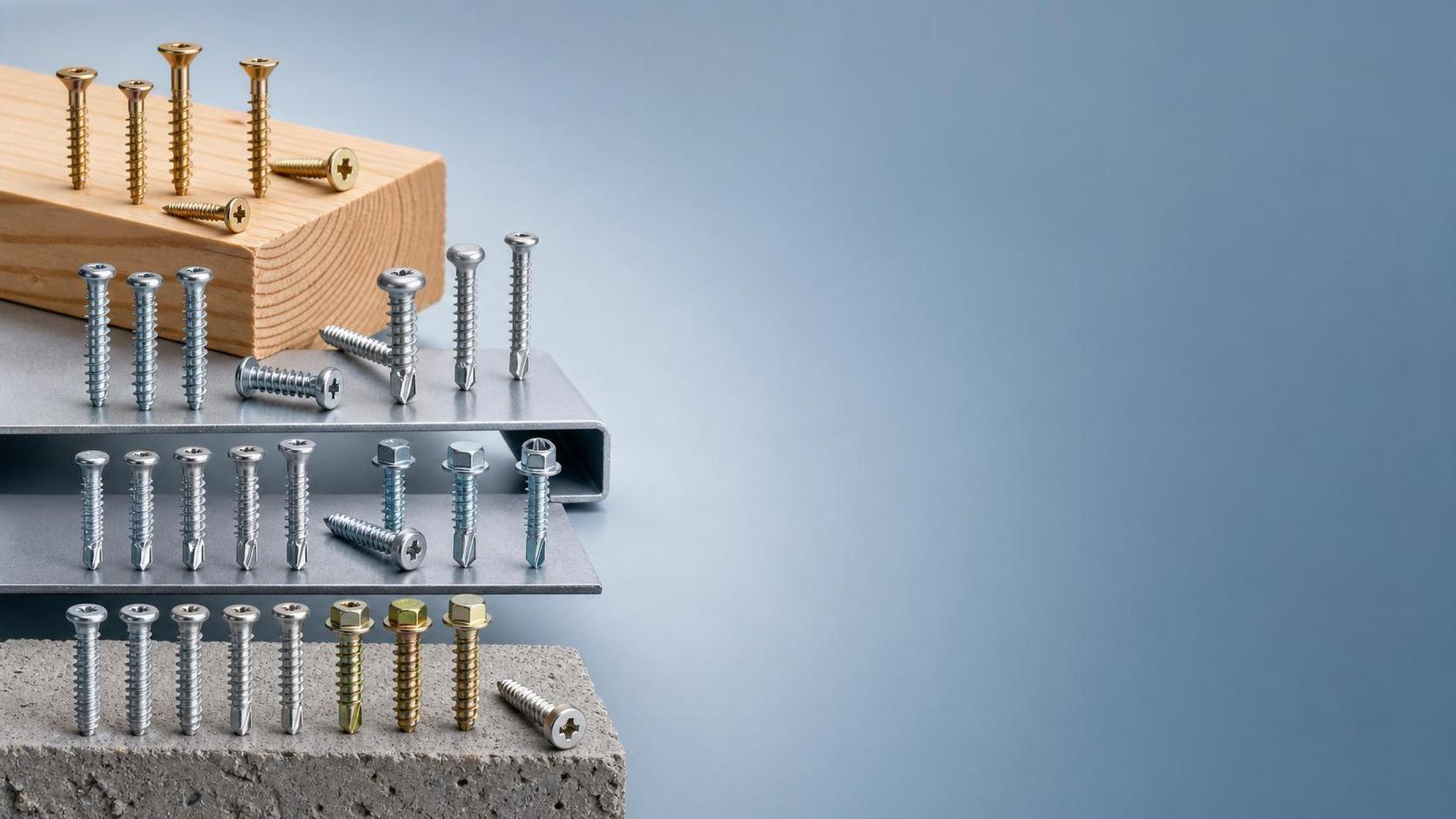
Choosing the right screws is rarely a minor detail. In wood framing, metal fabrication, and concrete anchoring, the wrong fastener can strip, crack material, loosen under vibration, or fail long before the job is finished. For projects shaped by tighter cost control, changing standards, and uneven supply conditions, understanding screw types is part of making better installation and sourcing decisions.
Why screw selection matters more now
Screws sit at the intersection of performance, labor efficiency, and procurement risk. A low-cost option may look acceptable on paper, yet create delays through poor drive engagement or inconsistent coating quality.
That is why product knowledge has become more valuable across construction, maintenance, assembly, and distribution channels. Buyers are not only comparing price. They are also checking corrosion resistance, certification, thread design, and compatibility with tools already in use.
The basic logic behind different screws
Screws are designed around material behavior. Wood fibers compress and split. Sheet metal can deform or require a pilot hole. Concrete is brittle and demands high holding strength.
Because of that, thread pitch, point style, shank shape, head type, and surface treatment all matter. A screw that works smoothly in timber may fail quickly in steel or masonry.
Simple descriptions like “general purpose” often hide important limits. In practical terms, the material comes first, then load, exposure, and installation method.
Common screw types by job material
The table below outlines where the main screw categories fit and what usually deserves a second look before ordering or installing.
What works in wood jobs
Wood screws usually have deeper threads for stronger grip in soft or medium-density material. Sharp points help entry, while partial threads can improve clamping between two timber pieces.
For hardwood, pilot holes are often still the safer route. They reduce splitting, lower drive torque, and improve alignment. In outdoor work, coating quality matters almost as much as thread design.
Decking and treated lumber need extra attention. Some coatings react poorly with preservatives, so corrosion claims should match the actual service environment.
Where metal screws differ
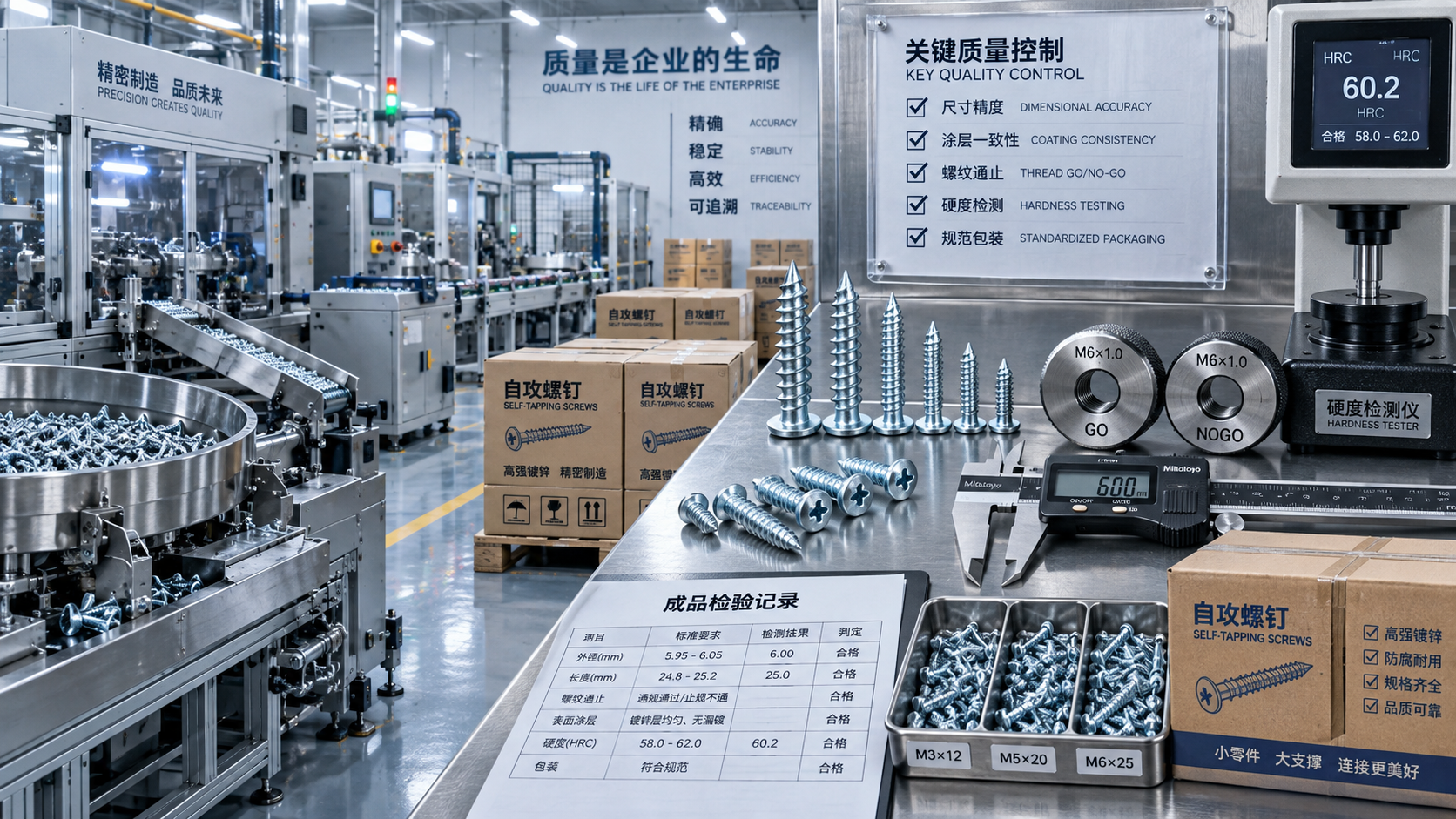
Metal jobs place more stress on the point and threads during installation. Self-tapping screws form threads in pre-drilled holes. Self-drilling screws combine drilling and fastening in one step.
That sounds simple, but gauge thickness changes everything. A point that handles thin sheet may fail in heavier steel. Overdriving can also damage washers, strip threads, or reduce holding strength.
Drive recess quality matters here. Poor bit fit wastes time and increases cam-out, especially in repetitive installation work.
Concrete screws need tighter control
Concrete screws cut threads into masonry after a correctly sized hole is drilled. They are widely used for fixtures, rails, electrical supports, and retrofit work.
Performance depends heavily on hole cleanliness and embedment depth. Dust left inside the hole can reduce grip. Reusing the same hole may also weaken the hold.
For structural or safety-sensitive installations, reference to tested load data and local codes is essential. Generic substitution creates avoidable risk.
Head style, coating, and drive type still matter
Flat heads sit flush in wood. Hex heads often help in concrete and roofing applications. Pan and wafer heads spread load across thinner material.
Coatings and stainless grades should match moisture, chemicals, and exterior exposure. Phillips remains common, but Torx and hex drives usually offer better control and less slippage.
A practical checklist before choosing screws
- Confirm the base material, not just the finished assembly.
- Match thread type and point style to the material thickness.
- Check corrosion protection against the actual environment.
- Review pull-out, shear, and installation data where relevant.
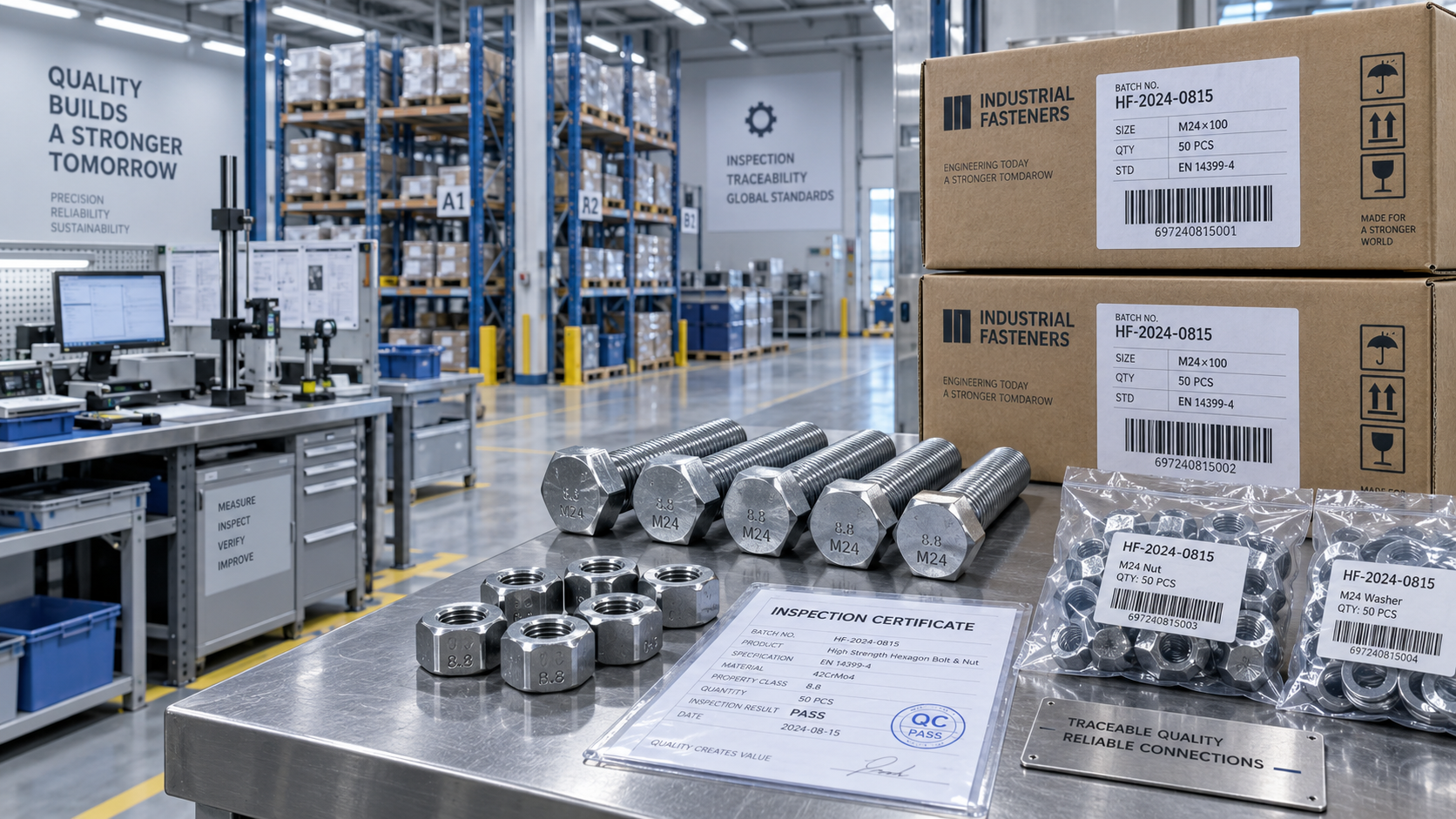
- Verify standards, certifications, and batch consistency.
- Test screws with the intended driver bits and tools.
Using product knowledge as a sourcing advantage
Screws are small components, but they reveal larger market signals. Price swings in steel, coating materials, or freight can change the best sourcing window. Certification updates and supply chain disruptions can also narrow acceptable options.
A more reliable approach is to compare screws by application demands, compliance needs, and installation efficiency, then monitor supplier capability with the same discipline used for larger components.
The next step is straightforward: map each job type to material, environment, load, and tool setup, then build a short approved list. That turns screw selection from guesswork into a repeatable standard.
Technical Specifications
- How to test melt flow consistency in batches of recycled plasticsAuthor :Polymers & Rubber Editorial Team
- When does a cast resin transformer need high-altitude derating?Author :Electrical Components Editorial Team
- How to verify Global Industrial Insights sourcing informationAuthor :Industrial Machinery Editorial Team
Expert Insights

Chief Security Architect
Dr. Thorne specializes in the intersection of structural engineering and digital resilience. He has advised three G7 governments on industrial infrastructure security.
Core Sector // 01
Security & Safety
- What to verify before choosing a screw manufacturer in IndiaAuthor :Metals & Fabrication Editorial Team

- How to assess fastener traceability when sourcing in EuropeAuthor :Metals & Fabrication Editorial Team

- What to do when a washer shipment arrives defectiveAuthor :Metals & Fabrication Editorial Team

- Which custom fastener capabilities matter for complex assemblies?Author :Metals & Fabrication Editorial Team

- When do custom fasteners outperform standard parts in equipment design?Author :Metals & Fabrication Editorial Team

- High Tensile Fasteners: Key Grade Checks Before Project ApprovalAuthor :Metals & Fabrication Editorial Team

- Bolts and Nuts Grades Explained for Safer AssemblyAuthor :Metals & Fabrication Editorial Team

- Flat Washers vs Spring Washers: When Should Each Type Be Used?Author :Metals & Fabrication Editorial Team